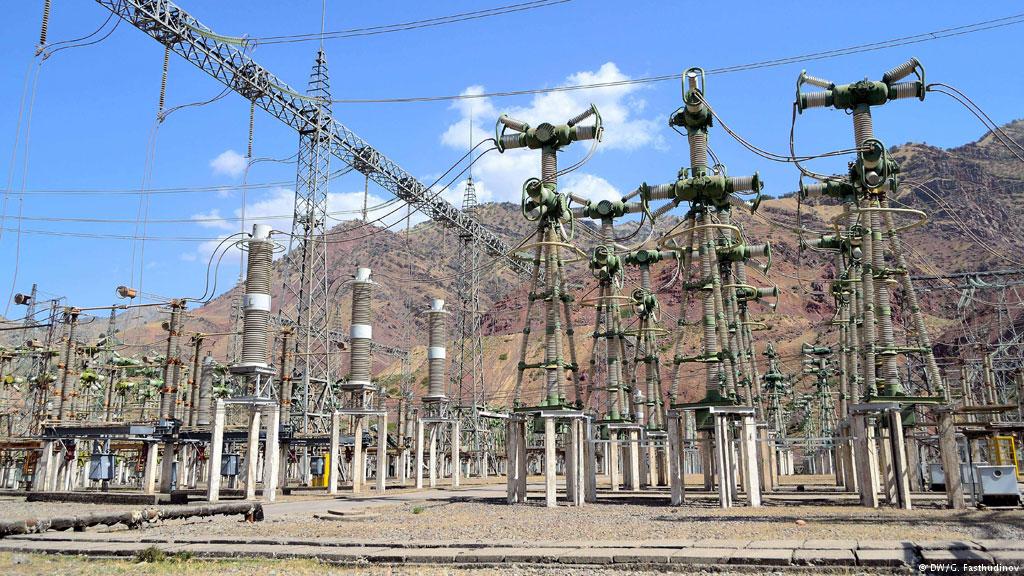
The increase in electricity consumption in Tajikistan indicates improvements in the country’s economic and social sectors, as well as rising living standards, according to OJSC Electricity Distribution Networks .
The company reported that about 20 billion kilowatt-hours of electricity were received from producers in 2025, nearly 2 billion kWh more than in 2024.
The main drivers of higher electricity consumption include population growth and an increase in the number of subscribers, the absence of power outages at industrial enterprises during restriction periods, and uninterrupted supply in city and district centers, which account for 50–70% of total electricity consumption.
Additional factors include the connection of electric vehicle charging stations, which consume 30–40 million kWh per month, as well as the elimination of daytime load shedding during restriction periods due to voltage control and electricity imports from Uzbekistan.
In 2025, the total number of active consumers increased by 118,299. The company notes that between 400 and 700 MW of new capacity is connected to the power grid annually, making it one of the key contributors to rising electricity demand.
As a result, new consumers generate additional annual demand of 3.5–6.1 billion kWh, assuming year-round operation, significantly affecting overall electricity consumption nationwide.
Payments, debt and losses
More than 16.8 billion kWh of electricity were billed in 2025, with a total value exceeding 7.1 billion somoni. Compared to 2024, sales volumes rose by 11.3%, while revenues increased by 28.6%.
The average tariff stood at 42.26 dirams per kWh, up 5.71 dirams year-on-year. Actual collections amounted to just over 6.5 billion somoni. The shortfall was attributed mainly to incomplete and delayed payments by budget-funded organizations and Tajik Aluminum Company (TALCO).
The largest debtors include households (about 1.2 billion somoni), TALCO (823.8 million somoni), pumping stations of the Land Reclamation and Irrigation Agency (279.7 million somoni), water supply and sewerage enterprises (126.8 million somoni), federally funded institutions (111.7 million somoni), OJSC NBO Roghun (97.5 million somoni), and other consumers, whose combined debt exceeds 1 billion somoni.
As of January 1, total outstanding debt exceeded 3.6 billion somoni (more than $380 million), up by 597.2 million somoni from a year earlier.
At the same time, electricity distribution losses declined from 19.2% in 2024 to 15.6% in 2025. More than 3.1 billion kWh were lost last year, which is 500 million kWh less than the previous year.
The reduction in commercial losses is attributed to the rollout of smart meters in Dushanbe and other cities and districts, as well as grid modernization and the transition to fully digital electricity metering systems.