


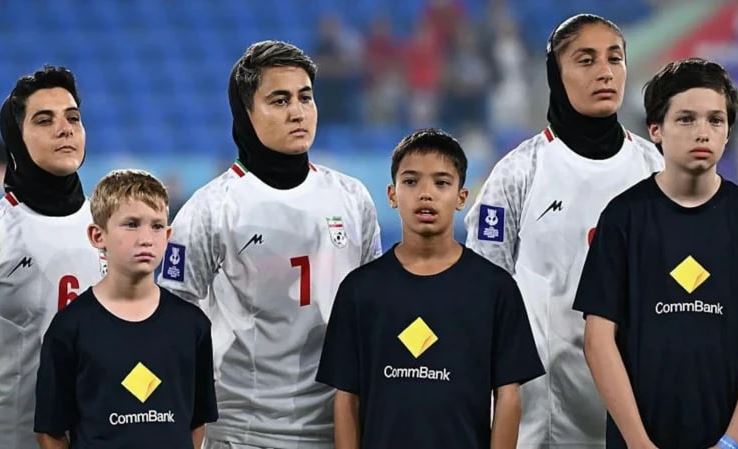
Five of the seven members of Iran’s women’s football delegation who had previously sought asylum in Australia have withdrawn their requests and decided to return home, the BBC’s Russian Service reports.
According to the Iranian news agency IRNA, Iran women’s national team captain Zahra Ghanbari became the fifth team member to retract her asylum request. She is expected to fly from Australia to Malaysia before returning to Iran.
Iranian state media welcomed the decision, with IRNA saying she was “returning to the embrace of the homeland,” while the Mehr news agency described her move as a “patriotic step.”
Two days earlier, two other players and a member of the team staff made the same decision. They also traveled to Malaysia and are waiting for a flight to Tehran. Another player withdrew her request last week.
Following the captain’s decision, only two members of the team still intend to remain in Australia.
Iran’s first match at the Asian Cup coincided with the start of a U.S.-Israeli military operation against Iran. Before the match, the players did not sing the national anthem of the Islamic Republic, which many interpreted as a sign of solidarity with protest sentiments inside the country and hopes for political change. Iranian media quickly accused the athletes of betrayal.
However, in subsequent matches against Australia and the Philippines, the players sang the national anthem and made patriotic gestures, including military salutes.
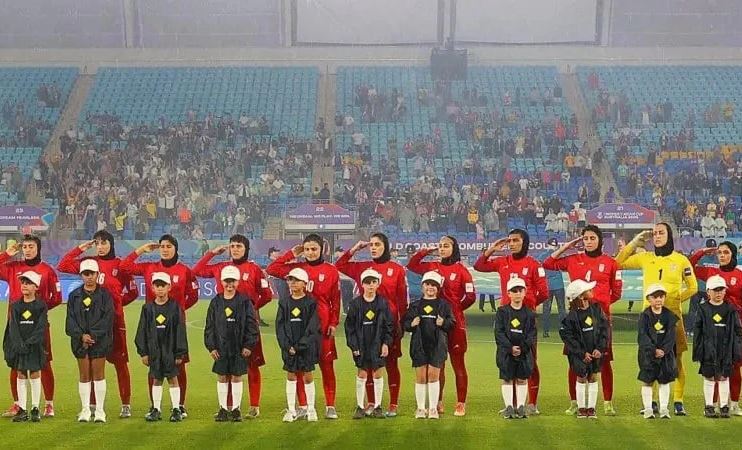
Human rights advocates say the athletes may have come under pressure after the first match, including possible threats against their relatives in Iran.
U.S. President Donald Trump called on Australian authorities to grant asylum to members of the Iranian team. Initially, five individuals submitted requests, followed later by two more. In total, six players and one staff member sought to remain in Australia. Australian authorities granted humanitarian visas to five footballers, allowing them to stay in the country, but several later withdrew their applications.
Iran’s Ministry of Sports described the developments differently. “The national spirit and patriotism of Iran’s women’s national football team have thwarted the plans of our enemies,” the ministry said in a statement. The ministry also accused the Australian government of “playing into Trump’s hands.”