International conference on the ratification of OPCAT and the establishment of the NPM in Tajikistan held in Dushanbe

0
Conference

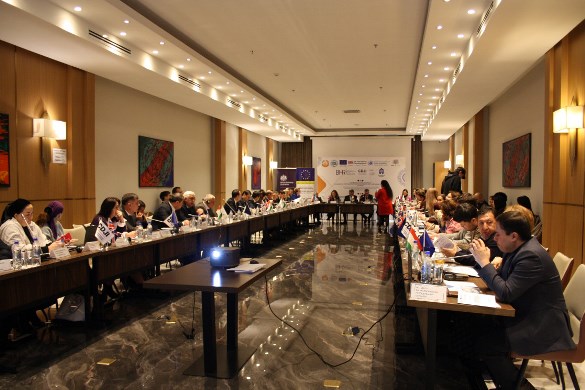
On February 3, a high-level international conference was held in  Dushanbe, dedicated to the Optional Protocol to the UN Convention against Torture (OPCAT), the  exploration of pathways to its ratification, and the establishment of a National Preventive Mechanism  (NPM) in Tajikistan. 

Press release issued by the EU Delegation to Tajikistan says the event was attended by representatives of the Human Rights Guarantees Department of President’s Executive Office, the Office of the Human Rights  Commissioner (Ombudsman) of Tajikistan and other state bodies of the country, as well  as Ambassadors of the European Union, the United Kingdom and other countries accredited in  Tajikistan, members of the UN Subcommittee on Prevention of Torture, and representatives of  international and national civil society organizations. 

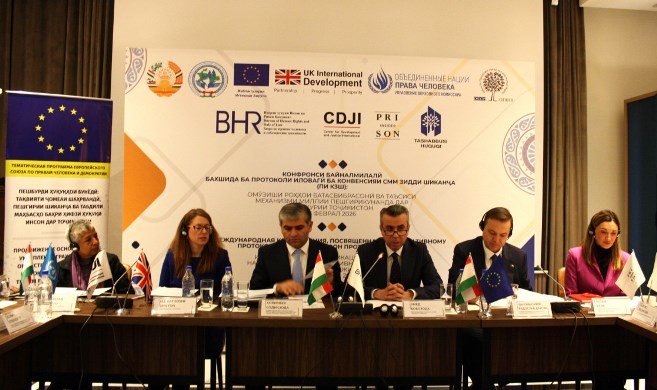
The conference was organized by the public organization “Bureau of Human Rights and Rule of Law”  jointly with the Office of the Human Rights Commissioner of the Republic of Tajikistan and a partner  organization— Center for Development and Justice International—within the framework of the  implementation of the following projects: 
ИЗОБРАЖЕНИЕ

“Advancing Fundamental Rights: Strengthening Civil Society, Preventing Torture and Transforming  Prisons for Human Rights in Tajikistan”, funded by the European Union and implemented by the  Bureau of Human Rights in partnership with the public organization “Tashabbusi Huquqi” and the  French organization Prison Insider. 

“Supporting National Human Rights Institutions and NPMs in Preventing Torture and Monitoring  Places of Detention in Tajikistan and Uzbekistan”, funded by the UK FCDO in partnership with the  Center for Development and Justice International (CIDJ). 

Within the framework of these initiatives, a pilot group for monitoring places of deprivation and  restriction of liberty was established in Tajikistan, comprising staff of the Office of the Human Rights  Commissioner and representatives of civil society. Members of the group have received practical  training, applied standardized monitoring tools and carried out joint visits to places of deprivation and  restriction of liberty. As a result of this work, a comprehensive monitoring report with findings and  recommendations is being prepared. 

Delivering the opening remarks, a representative of the Human Rights Guarantees Department of the Executive Office of the President of Tajikistan, Hokimbek Sodiqzoda, noted: “For the  effective implementation of the Optional Protocol to the Convention against Torture and Other Cruel,  Inhuman or Degrading Treatment or Punishment, we need to carry out profound and systematic reforms  prior to its ratification. Various documents have repeatedly emphasized the decision of the Government  of the Republic of Tajikistan to ratify the Optional Protocol. Despite the considerable time that has  passed, the continuous and joint efforts of the Government, international organizations, and civil society  have never ceased, and significant progress can be observed towards the ratification of the said  instrument”. 

In his speech, the Human Rights Commissioner of the Republic of Tajikistan, Umed Bobozoda, emphasized: “The issue of ratifying the Optional Protocol to the Convention against Torture has been included in the National Action Plans of the Republic of Tajikistan since 2012. Working and monitoring  groups have been established under the Human Rights Commissioner, whose activities may form the  basis for the introduction of a National Preventive Mechanism ensuring regular monitoring of places of  deprivation and restriction of liberty in order to prevent torture”. 
ИЗОБРАЖЕНИЕ

In his opening address, the Ambassador of the European Union to Tajikistan, Radoslaw Darski, stated:  “Today’s conference is not an end in itself. It is an opportunity to deepen understanding, address concerns, and chart a realistic and nationally owned path forward. The European Union encourages Tajikistan to continue exploring OPCAT ratification with openness and ambition, and to engage all relevant stakeholders in shaping a strong pre-emptive framework” 

In turn, the British Ambassador to Tajikistan, Catherine Smitton, emphasized: “I welcome Tajikistan’s readiness to strengthen oversight of places of detention and call for the swift ratification of the Optional Protocol to the Convention against Torture. This will be an important signal of reform, particularly within the prison system, and a step towards sustainable development. The forthcoming Universal Periodic Review provides an appropriate opportunity to ratify the Protocol as part of a broad and ambitious agenda.” 

The UN Resident Coordinator in the Republic of Tajikistan, Parvati Ramaswamy, stated that the ratification of the Optional Protocol to the Convention against Torture, as a practical and preventive instrument, would represent an important milestone for the country. 

“The Government of Tajikistan has already taken steps to strengthen the national legal framework and monitoring mechanisms in the area of torture prevention under the Convention against Torture, which was ratified in 1995. I call for continued dialogue and efforts to build trust in order to accelerate the ratification of OPCAT by the Government of Tajikistan,” Parvati Ramaswamy emphasized. 

Speaking at the conference, Susan Kerr, Head of the Human Rights Department at the OSCE Office for Democratic Institutions and Human Rights (ODIHR), stated: “Civil society is a crucial part of the torture prevention ecosystem. That's why it's so important to us at ODIHR to work closely with civil society organizations. Dialogue and cooperation across the board are vital to drive the ongoing prevention process forward”. 

The Director of the public organization “Bureau of Human Rights and Rule of Law”, Nargis Zokirova,  noted that the conference is aimed at developing strategic dialogue between state authorities,  parliamentarians, the judiciary, civil society institutions and international experts, including  representatives of the UN Subcommittee on Prevention of Torture. “The main objective of the event is to facilitate the process of OPCAT ratification and to discuss practical steps for the institutionalization of the NPM in accordance with international standards,” she stressed. 

The event was held with financial support from the European Union and the British Embassy in Tajikistan through the FCDO, with co-funding from the Office of the UN High Commissioner for  Human Rights and the OSCE Office for Democratic Institutions and Human Rights (ODIHR). 


Snowfall to return to Tajikistan after brief spring-like warm spell

0
photo_2026-02-04_16-06-56

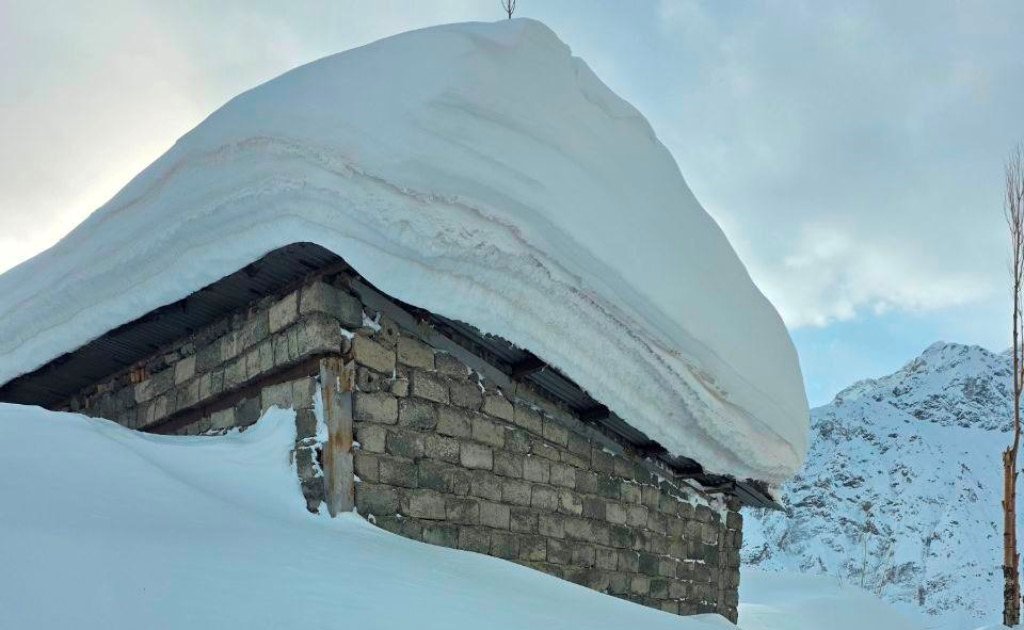
After several days of unusually warm, almost spring-like weather, Tajikistan is set to experience a sharp deterioration in weather conditions. Heavy precipitation is expected in the second half of February 5 and on February 6 in districts subordinate to the center, as well as in some foothill areas of Khatlon province, according to the country’s Hydrometeorology Agency (Hydromet).

In lowland areas, precipitation will fall as a mix of rain and snow, while foothill and mountainous regions are expected to receive mostly snowfall. Colder winter conditions are set to return across the country.

Meteorologists warn of heavy snowfall on mountain passes, which is likely to complicate traffic conditions. Snowdrifts, fog, reduced visibility, and a high risk of avalanches are forecast.

The risk of snow avalanches will remain particularly high on February 5 along the 48–74 kilometer section of the Dushanbe–Chanak highway, especially on the Maikhoura–Zideh stretch in Varzob district, as well as in mountainous arears subordinate to the center.

Air temperatures in lowland, foothill, and mountainous areas are expected to drop to –10°C …–12°C.

Authorities urge residents, especially drivers, to avoid traveling to mountainous and avalanche-prone areas unless absolutely necessary.

Earlier forecasts indicated that February 2026 in Tajikistan is expected to be warmer than average overall. In most regions, average monthly temperatures are projected to exceed the climatic norm by 1°C–2°C, while precipitation levels are expected to be normal or above normal. Strong winds and fog are also possible in some areas.

In Khatlon province and lowland districts subordinate to the center, average monthly temperatures are forecast to be above normal, ranging from +4°C …+8°C in valleys and 0°C …+3°C in foothill areas. Sharp temperature fluctuations and short-term cold spells are possible.

In Sughd province, temperatures are expected to be near normal or up to 1°C above average: +2°C …+4°C in valleys and –3°C …–5°C in mountainous areas, with noticeable day-to-night variations.

In mountainous districts subordinate to the center and in the western part of the Gorno-Badakhshan Autonomous Region (GBAO), average monthly temperatures will be close to normal, locally up to 1°C higher, with occasional nighttime drops to –10°C …–15°C.

Precipitation is forecast to be at or above normal levels, ranging from 37–130 mm in mountainous areas, up to 141 mm on the southern slopes of the Hisor Range, and 8–59 mm in the western part of GBAO. Strengthening westerly winds of up to 17–22 m/s and fog are also expected.

Narzullo Latipov: Sports in Tajikistan Need a separate system of governance

0

Narzullo Latipov, Chairman of the Association of Sports Journalists of Tajikistan, has called for reforming the country’s system of governance in physical culture and sports. He shared his views in an interview with Asia-Plus while summing up the performances of Tajik athletes in 2025.

According to Latipov, Tajik athletes took part in several major international competitions last year and achieved notable results. In particular, they won a total of five medals at the World Championships in judo and boxing — one of the strongest seasonal performances in the country’s recent sporting history.

At the World Judo Championships held in Budapest in June, Tajik athletes claimed three medals. Emomali Nourali won silver in the under-66 kg category, while Obid Jebov (under 66 kg) and Temur Rahimov (over 100 kg) earned bronze medals.

Two more medals were secured at the Men’s World Boxing Championships held in Dubai in December 2025. Khusravkhon Rahimov won silver in the under-57 kg category, while Akmal Ubaidov claimed bronze in the under-60 kg division.

At the same time, Latipov noted that over the past 30 years no Tajik athlete has won a gold medal at a World Championship in Olympic sports. The last such achievement dates back to 1995, when hammer thrower Andrey Abduvaliyev became world champion in Gothenburg, Sweden.

Against this backdrop, Latipov put forward several proposals aimed at developing sports in the country.

First, he suggested revising the current system of state governance in the sector, arguing that the transformation of the former Committee for Physical Culture and Sports into the Committee for Youth and Sports Affairs had negatively affected efficiency, particularly at the city and district levels. In his view, sports require a dedicated and independent governing body.

Second, Latipov proposed restoring the previous format of the Council for Physical Culture and Sports, which was once chaired by the Prime Minister of Tajikistan. He emphasized that the council should include heads of key ministries and agencies, as well as regional leaders.

Third, he suggested establishing a department or division for physical culture and sports within the central office of the Ministry of Education and Science. He also called for returning some youth sports schools and the Tajik Institute of Physical Culture to the ministry’s jurisdiction.

Finally, addressing preparations for the 2028 Summer Olympic Games in Los Angeles, Latipov proposed developing a dedicated state program, ensuring sufficient funding through both budgetary and sponsorship sources, and creating a national Olympic training center as soon as possible.

Latipov has raised the issue of separating sports from youth policy before. In 2016, he argued that combining sports with youth affairs and tourism had lowered the sector’s status and weakened governance. Tourism was later separated into an independent structure.

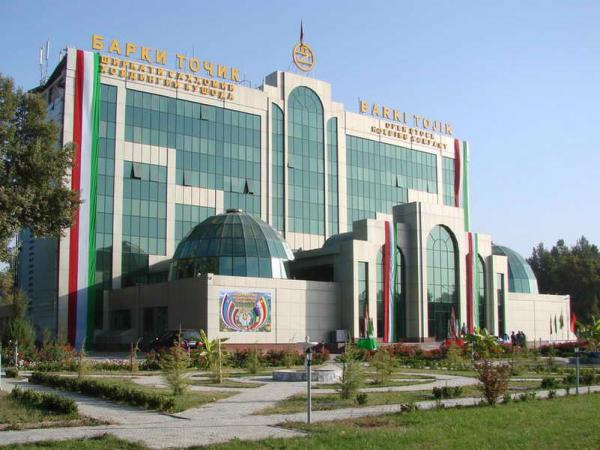
Amendments to Criminal Code help Barqi Tojik reduce electricity debt

0
Барки

Following amendments to Tajikistan’s Criminal Code adopted in 2025, the country has seen a gradual decline in illegal electricity consumption. This was announced by Mahmadumar Asozoda, CEO of OJSC Barqi Tojik (the state-run power generation company), at a news conference in Dushanbe on February 3.

According to Asozoda, the legislative changes prompted the government to establish a special task force operating nationwide on a permanent basis to identify and prevent the misuse and illegal consumption of electricity.

He said the measures have led to a 1.6 billion somoni increase in domestic electricity bill collection, equivalent to approximately $170 million.

“Of this amount, 900 million somoni were allocated to reducing Barqi Tojik’s outstanding debt,” Asozoda said.

Overall, he noted, the company’s total debt fell by 2.6 billion somoni (around $280 million) in 2025 — from about 24.2 billion somoni at the beginning of the year to 21.6 billion somoni by year’s end.

Asozoda explained that much of the debt had accumulated due to unpaid electricity supplied by domestic power producers, including Sangtuda-1 Hydropower Plant (HPP), Sangtuda-2 HPP, and Roghun HPP, as well as from external loans attracted to finance investment projects in the energy sector.

In April 2025, Tajikistan adopted amendments to the Criminal Code and the Code of Administrative Offenses introducing liability for illegal and unauthorized use of electricity. The changes were aimed at reducing losses in the energy sector and improving payment discipline among consumers.

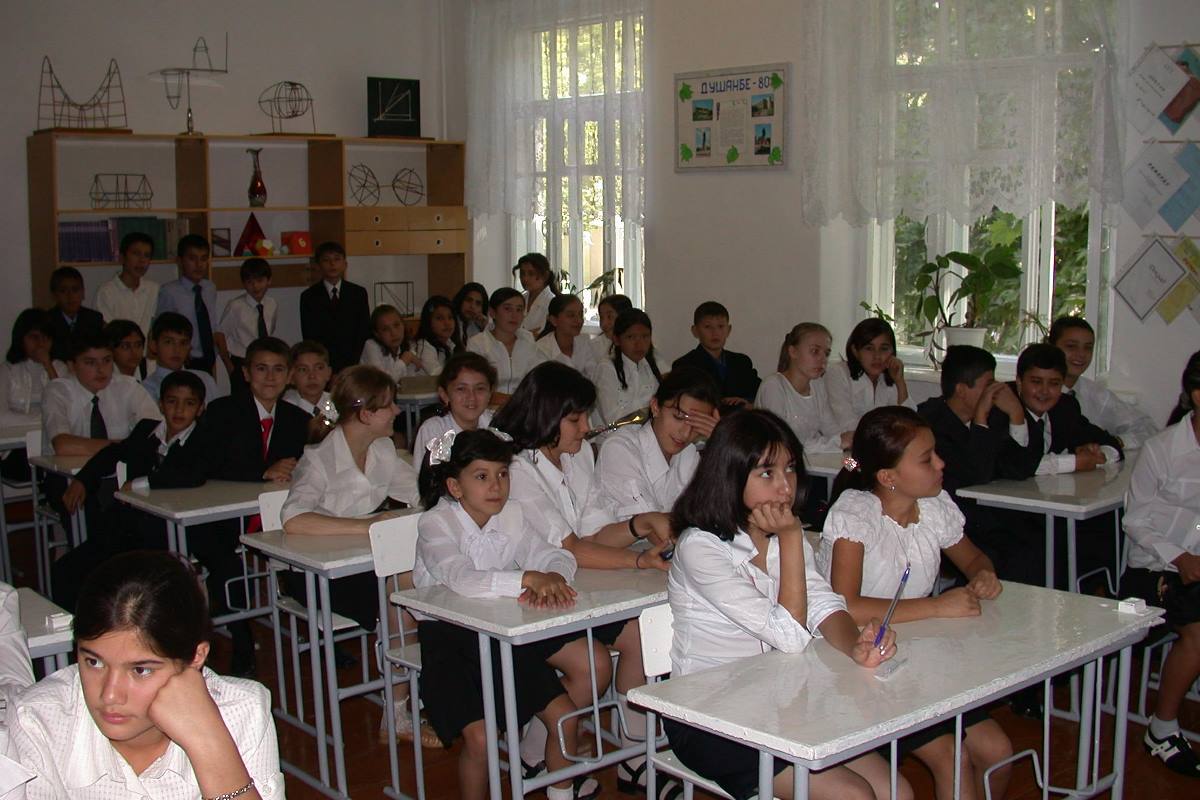
One in three schoolchildren is an A-B student? What grades really say about the quality of education in Tajikistan

0
5

Every third school student in Tajikistan earns “good” or “excellent” grades, according to inspections conducted by the Agency for Supervision in Education in 408 schools. The overall achievement rate, which also includes passing grades, reaches nearly 80%.

On paper, the picture appears relatively positive: most students are deemed to have “mastered the curriculum.” But a key question remains — what do these grades actually represent, and can they truly reflect the quality of education?


What school performance really depends on

Sociologist Gulnora Beknazarova emphasizes that academic performance cannot be separated from the conditions in which a child lives. Learning outcomes are shaped by region, infrastructure, and whether schools are adequately staffed.

Family resources also matter — the ability to provide school supplies, transportation, warm clothing, and proper nutrition. Equally important is parents’ cultural capital: their capacity to support learning, help with homework, and engage with teachers.

Language of instruction is another critical factor. When the school language differs from the language spoken at home, children — especially in primary grades — face additional barriers to learning.

Family dynamics and social status also play a role.

“If a child has to care for younger siblings, lives in a disadvantaged household, or lacks proper nutrition, this directly affects academic results,” the expert notes.

Extracurricular opportunities such as libraries, clubs, and competitions can motivate students, while gender norms in Tajikistan continue to influence boys’ and girls’ educational paths differently.

Labor migration is a particularly sensitive issue.

“When parents are absent or overworked, supervision weakens and responsibility shifts to children. This is especially evident when mothers combine paid work with all household duties,” Beknazarova explains.

Low academic performance, she stresses, is not about a “bad student” or a “weak teacher,” but a signal of systemic problems at the intersection of school, family, economy, and social environment.


“Grades alone cannot measure education quality”

Veteran teacher Nargis Qurbonova, with 30 years of experience, says schools — and children — have changed dramatically. Discipline once relied on obedience; today students increasingly ask “why?”

This does not indicate laziness or disrespect, she says, but reflects a new reality in which schools are no longer unquestioned authorities. In the past, there were more top students — but also more children who were simply pushed out of the system. Today, schools try to retain students even when learning is difficult.

In her fourth-grade graduating class of around 50 students, about 20% are top performers, 40% are solid achievers, and another 40% have basic proficiency.

“There is no longer a systemic category of ‘failing students.’ A ‘C’ grade in primary school is not a verdict. Many children study in a non-native language, and progress matters more than the mark itself,” she says.

Poor performance rarely has a single cause. Overloaded curricula, unequal starting points, teacher burnout, and large class sizes all contribute. Even the shift to a 10-point grading scale, while helpful, does not fully reflect real learning.

“A grade is just a snapshot of one day. Skills like critical thinking, reasoning, and reading comprehension don’t fit neatly into numbers,” Qurbonova explains.


When the system fails remote schools

Education challenges are even more visible in the regions. An educator from Khorog with long experience in Gorno-Badakhshan Autonomous Region (GBAO) says formal oversight often fails due to lack of resources.

Inspectors cannot regularly reach remote schools, leaving real conditions outside official statistics. Shortages of modern textbooks and outdated curricula remain serious problems.

Teacher training is another weak point. Although courses formally exist, schools and local authorities often lack funds to send teachers for professional development.

There is also internal pressure within schools.

“If a teacher gives too many low grades, they are told they’re doing a bad job. As a result, grades are inflated for the sake of reporting,” the expert says.

Assessment standards also vary widely, making official figures unreliable.

“These percentages are very conditional. In reality, the situation may be far worse,” he admits.


How grades shape a child’s self-esteem

Clinical psychologist and neuropsychologist Nigor Abdughaffor notes that for children, grades are closely tied to self-perception.

“Children often can’t separate ‘I did poorly on a test’ from ‘I am bad,’” she explains.

Low grades can trigger anxiety, fear of school, and avoidance behaviors, eventually undermining motivation. One of the most serious outcomes is “learned helplessness” — when a child stops believing effort can change anything. This mindset often carries into adulthood.

At the same time, excessively high grades can also be harmful.

“They create conditional self-worth: I am valued only if I perform perfectly,” she says.

According to Abdughaffor, the education system remains focused on results and rankings rather than development. She contrasts this with Western practices where mistakes are allowed and corrected without fear.

“In a healthy system, grades provide feedback — what worked and how to improve. In an unhealthy one, grades answer the question ‘Who am I?’ And that’s where many problems begin,” she concludes.

China bans cars with hidden door handles over safety concerns

0
Скрытые

Chinese authorities have banned the use of hidden electronically operated door handles on electric vehicles, citing safety concerns. China has become the first country to officially abandon such designs, which were previously popularized by manufacturers including Tesla, the BBC’s Russian Service reports.

The stricter requirements come amid heightened regulatory scrutiny of electric vehicle safety following a series of serious and fatal incidents worldwide. In China, at least two fatal traffic accidents involving Xiaomi electric vehicles have been recorded, where preliminary findings suggest that electrical system failures may have prevented doors from being opened in time.

According to Chinese state media, under the new rules vehicles will be approved for sale only if they are equipped with a mechanical method of opening doors, both from inside the cabin and from outside. Fully electronic or so-called “invisible” door handles without mechanical backup are no longer permitted.

The new regulations were announced by China’s Ministry of Industry and Information Technology on Monday and will come into force on January 1, 2027.

Under the requirements, each passenger door — excluding the trunk — must feature an external recess providing access to a mechanical opening mechanism. Inside the vehicle, clear markings must indicate how doors can be opened mechanically from within.

Models that have already received regulatory approval and are preparing to enter the market will be granted a transitional period of up to two years to modify their designs.

Hidden electronic door handles first appeared in 2012 on the Tesla Model S and later became popular among Chinese automakers focused on high-tech and minimalist design.

In China’s new energy vehicle (NEV) market, such handles became widespread. According to China Daily, around 60% of the top 100 best-selling NEV models are equipped with them.

Although the new requirements apply only to vehicles sold in China, analysts believe Beijing’s decision could have broader implications for the global automotive industry. China is increasingly positioning itself as a developer of international standards for electric vehicles.

“Companies such as Tesla, Kia, and other automakers selling vehicles across multiple regions will have to decide whether to make changes only for the Chinese market or to implement them globally,” Tu Le, founder of Sino Auto Insights, told AFP.

In the United States, regulators are already examining potential issues related to Tesla’s door handle design, while European authorities are also considering introducing their own safety requirements.

In November, the U.S. National Highway Traffic Safety Administration (NHTSA) launched an investigation into Tesla’s electronic door handles following reports of sudden failures that left children trapped inside vehicles.

According to the NHTSA, nine complaints were filed concerning door handles on the 2021 Tesla Model Y, one of the company’s key models. In four cases, vehicle owners were forced to break a window in order to open the door.


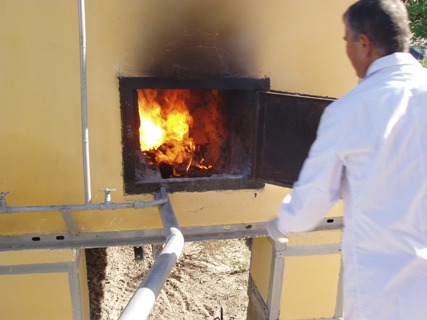
Tajikistan’s Interior Ministry offers cash rewards for information on drug-related crimes

0
Наркота

Tajikistan’s Ministry of Internal Affairs has announced cash rewards for citizens who provide information about individuals involved in illegal drug trafficking and other serious crimes.

According to the ministry, particular attention will be given to reports concerning the distribution of synthetic drugs, as well as potent and psychotropic substances.

“Citizens who provide information about individuals involved in criminal activities — especially drug trafficking, the distribution of synthetic narcotics, and the sale of potent psychotropic substances such as Midax, Tramadol, Lyrica, Pregabalin, Moparol, Phenobarbital, and others — will be rewarded with cash payments and valuable gifts,” the ministry said in a statement.

The Interior Ministry noted that the initiative is aimed at strengthening cooperation between law enforcement agencies and the public, preventing crime, maintaining public order, and protecting adolescents and young people from drug-related threats.

Authorities emphasized that full confidentiality is guaranteed for citizens who cooperate with law enforcement.

Information can be submitted via WhatsApp or Telegram at +992 944 70 22 22.


“People were deceived”: head of Architecture Committee on construction companies in Tajikistan

0
photo_2026-02-03_08-42-26

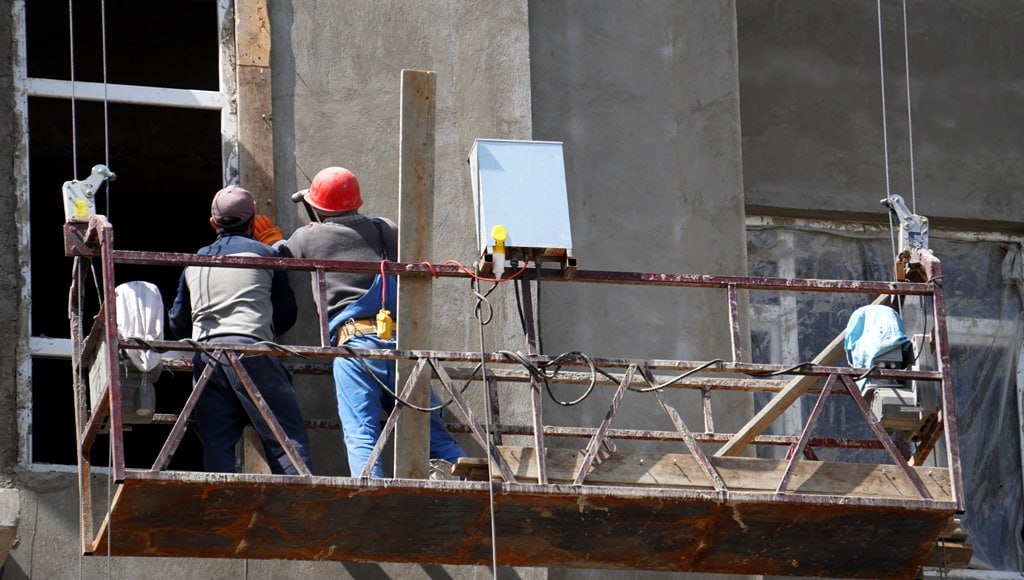
Some construction companies in Tajikistan are deceiving citizens and refusing to recognize previously signed housing purchase agreements, according to Nizom Mirzozoda, Chairman of the Committee for Architecture and Construction under the Government of Tajikistan.

Speaking to journalists amid growing public complaints about developers, Mirzozoda stressed that housing purchase contracts should be notarized to avoid legal disputes, as notarization grants contracts full legal validity.

“When a contract is registered with a notary, it becomes legally binding and any disputes can be resolved through the courts. In such cases, the same apartment cannot be sold to multiple buyers. However, many construction companies avoid this procedure and deliberately evade registration,” he said.

According to Mirzozoda, serious shortcomings persist in the construction sector, including developers’ refusal to formally conclude purchase and sale agreements. He emphasized the need to improve legal awareness among citizens so they do not fall victim to fraud in the real estate market.

“There have been companies that genuinely deceived people: the same property was sold to one buyer, then the company went bankrupt and a new successor was appointed. The new owner refused to recognize earlier contracts and sold the same property again to someone else,” he explained.

Mirzozoda noted that such cases had been reviewed by the committee, and the offending companies were placed on a blacklist and barred from participating in future tenders.

He also announced the establishment of a working commission to draft amendments to Tajikistan’s Urban Development Code. Once adopted, the changes are expected to impose lifelong responsibility on developers and responsible individuals for the quality and structural integrity of residential buildings they construct.

ИЗОБРАЖЕНИЕ Architecture Committee head Nizom Mirzozoda

 

Construction companies fined a total of 547,350 somoni

According to the Committee for Architecture and Construction, inspections in 2025 revealed 7,331 violations among 1,288 construction companies. The total amount of fines imposed reached 547,350 somoni.

In particular, Mirzozoda said that 72 companies began construction projects last year without obtaining approval from the state construction expertise authority.

“These companies continued construction and installation works without a positive state expert assessment. Such cases were recorded in Dushanbe (15), Roudaki district (8), Tursunzoda (10), Vahdat (90), and Kulob (9),” he stated.

Residents of Tajikistan frequently complain about fraud when purchasing apartments in new buildings, including cases where developers unlawfully sell the same apartment to multiple buyers. Other common issues include delayed construction, lack of water and electricity supply, and non-operational elevators.

About four years ago, Dushanbe’s Main Department of Architecture and Urban Development tightened construction requirements in an effort to protect equity holders and property owners and to prevent delays in project completion. However, observers note that these measures have not yet fully resolved the systemic problems in the sector.


Tajikistan to miss the 2026 Winter Olympics in Italy

0
Обложка Игр - коллаж

Tajikistan will not be represented at the 2026 Winter Olympic Games, which will be held in the Italian cities of Milan and Cortina d’Ampezzo. The country will miss the Winter Olympics for the third consecutive Olympic cycle, while its Central Asian neighbors have successfully qualified and formed their national delegations.

According to Olympics.com, the Milan–Cortina Games will mark another major milestone for Central Asia, but Tajik athletes will once again remain absent from the region’s main winter sporting event. While Kazakhstan is assembling one of the largest delegations in the region, and Uzbekistan and Kyrgyzstan are making incremental progress, Tajikistan has failed to secure a place at the Games.

Tajikistan did not earn a single Olympic quota for the 2026 Winter Olympics. The last time athletes from the country competed at the Winter Games was in 2014 in Sochi. The PyeongChang 2018 and Beijing 2022 Olympics were also held without Tajik participation, and Milan–Cortina continues this streak.

Despite attempts by individual athletes to qualify in alpine skiing, they were unable to achieve the required ranking points or demonstrate consistent results at international competitions. Experts note that the main obstacles to the development of winter sports in Tajikistan remain the lack of a systematic infrastructure, a limited competition calendar, and weak domestic competition.


Central Asia at the 2026 Winter Olympics

Kazakhstan will be the leading representative of Central Asia at the 2026 Winter Games. The country’s delegation will include 36 athletes, accounting for nearly the entire Central Asian contingent. Kazakhstan will compete in figure skating, freestyle skiing (aerials), biathlon, cross-country skiing, speed skating, short track speed skating, alpine skiing, ski jumping, and Nordic combined.

Uzbekistan will be represented in alpine skiing and short track speed skating. Participation in short track will mark a significant historical milestone for the country.

Kyrgyzstan will send two athletes to the Olympics, competing in alpine skiing and cross-country skiing. This format reflects the country’s traditional approach, focusing on individual qualification slots.

Turkmenistan, as in previous years, will not take part in the Winter Olympic Games. Throughout its history, the country has never competed in a Winter Olympics, and 2026 will be no exception.


Olympics 2026: a New-Generation Games

The 2026 Winter Olympics will take place from February 6 to 22, 2026. A total of 2,871 athletes from 93 countries will compete for 116 sets of medals across 16 sports disciplines.  

The Milano–Cortina 2026 program will be one of the most diverse in the history of the Winter Games. It will include 16 disciplines, such as biathlon, bobsleigh, curling, cross-country skiing, figure skating, ice hockey, luge, short track speed skating, skeleton, ski jumping, Nordic combined, and freestyle skiing. Ski mountaineering will make its Olympic debut, with medals awarded in men’s and women’s sprint events as well as a mixed relay.

Several countries, including Benin, Guinea-Bissau, and the United Arab Emirates, will be represented at the Winter Olympics for the first time in history.

The 2026 Games will be the 25th Winter Olympics in history, the fourth hosted by Italy, and the first in which Milan holds Olympic host city status. Cortina d’Ampezzo previously hosted the Winter Olympics in 1956.

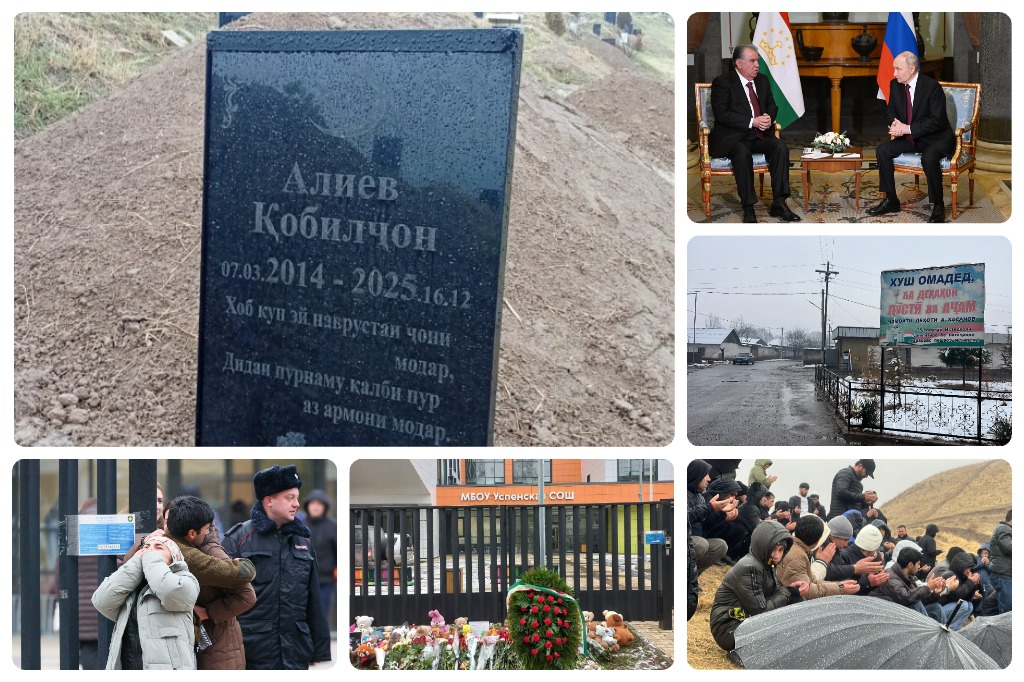
Tajik labor ministry’s mission in Russia monitors investigation into killing of Qobiljon Aliyev

0
Кобилджон

The representative office of Tajikistan’s Ministry of Labor, Migration and Employment of the Population in the Russian Federation is monitoring the investigation into the killing of the 10-year-old Tajik citizen Qobiljon Aliyev in the Moscow Region. This was announced by the Minister of Labor, Migration and Employment of the Population, Ms. Soleha Kholmahmadzoda.

Speaking at a news conference in Dushanbe, the minister said on February 3 that the victim’s family has been provided with a lawyer who is handling the case in Russia.

“The ministry’s representative office in Russia is informed about the investigative actions and remains in constant contact with the relevant authorities. The investigation is ongoing. We cannot interfere in the process, but we are keeping the situation under control,” Ms. Kholmahmadzoda said.

She described the incident as a “deeply tragic event” and noted that from the first days after the killing, representatives of the Ministry of Labor, Migration and Employment in Russia, as well as the Tajik embassy and consulate in Moscow, were by the victim’s mother’s side and assisted her, including with her return to Tajikistan.

According to the minister, the case “cannot leave anyone indifferent.” She added that the ministry’s subordinate institutions, including those in Shahrinav district — Qobiljon Aliyev’s hometown — remain in contact with the victim’s relatives.

Kholmahmadzoda also said that Tajik President Emomali Rahmon and Dushanbe Mayor Rustam Emomali had instructed authorities to provide comprehensive support to the victim’s family, including housing, employment for the boy’s mother, and education for his younger brother.

“We remain in close contact with Qobiljon’s mother and visited her in recent days. I personally spoke with her several times. Regarding employment offers, the family asked for some time to consider them. At present, the younger child is studying at a presidential school,” the minister said.

Relatives of Qobiljon Aliyev have declined to comment to the media, making it impossible to independently verify the officials’ statements.

Qobiljon was killed in a school xenophobic attack in Odintsovo, Moscow region on December 16, 2025. He was stabbed to death by a 15-year-old neo-Nazi identified as Timofey K. Before the bloodshed began, Timofey K. approached a group of children and a teacher at the school and asked about their nationality. He recorded this exchange on his phone and later shared it on Telegram. When a security guard advanced, Timofey K. doused him in pepper spray and stabbed the man before chasing Qobiljon up the stairs and fatally wounding him. The attacker, who had barricaded himself in a classroom, was apprehended by law enforcement officers.

Following the attack, the Investigative Committee of the Russian Federation for Moscow Region opened a criminal case under Article 105 (“Murder”), Part 3 of Article 30 (“Preparation for a Crime and Attempted Crime”), and Part 2 of Article 105 of the Russian Criminal Code. An investigation is ongoing.

Qobiljon Aliyev’s body was transported to Tajikistan on December 18, 2025, and buried in Shahrinav district.

The killing sparked widespread public outrage. The Tajik government has publicly demanded an “immediate, objective, and impartial investigation” into the boy’s murder, calling it a crime motivated by national hatred.

The Ministry of Foreign Affairs of Tajikistan called the crime an act of “national hatred” and the Russian Ambassador to Tajikistan, Semyon Grigoriyev, was summoned to the Ministry of Foreign Affairs, where he was handed a note demanding that the Russian side conducts an immediate, objective, and impartial investigation of this tragic incident and bring all those involved to justice to the fullest extent permitted by law.

Tajikistan's Interior Minister, Ramazon Rahimzoda, demanded that Russian authorities thoroughly and impartially investigate the murder and ensure that the guilty parties are justly punished.

Tajikistan's President, Emomali Rahmon, also raised the issue during his meeting with Russian President Vladimir Putin on December 22. Putin called the incident a “terrorist attack” and promised that “those responsible will be punished.”