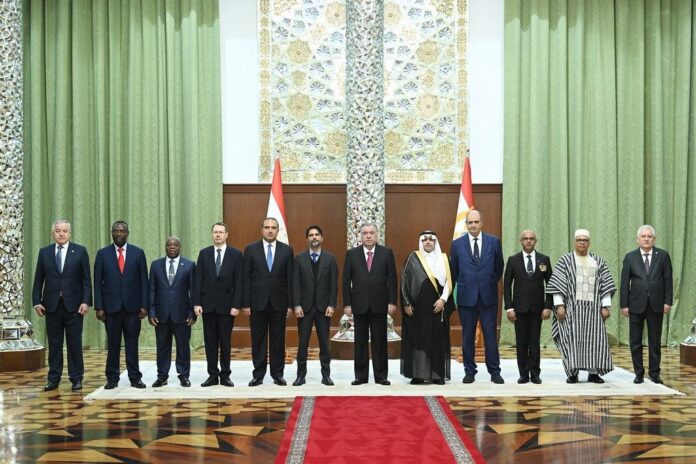
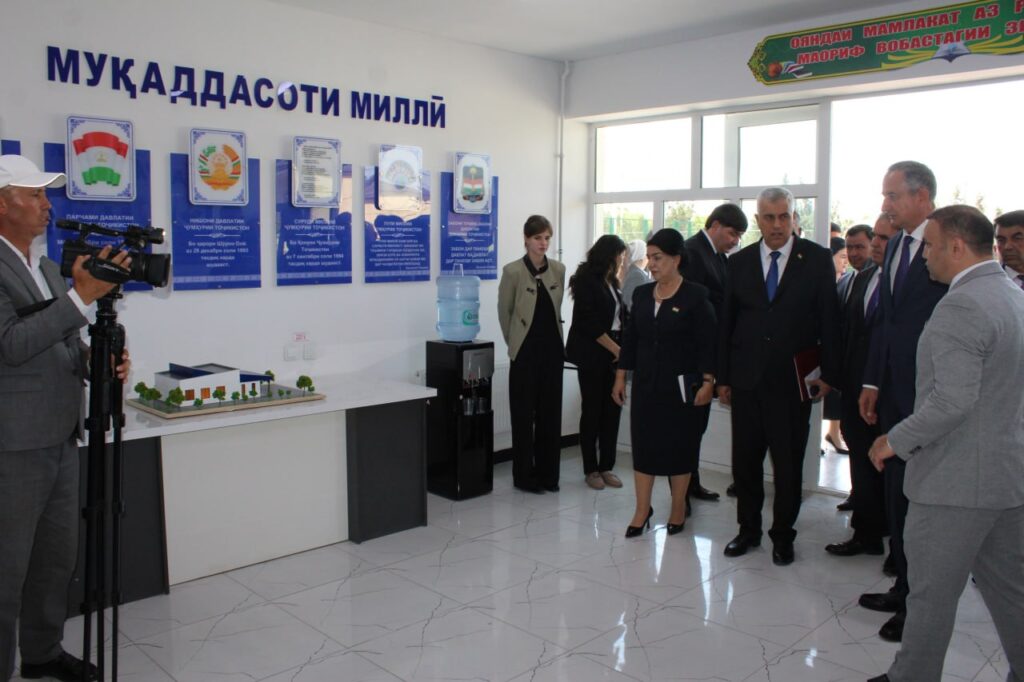
President of Tajikistan Emomali Rahmon received today, April 15, the credentials from new foreign ambassadors, reports the press service of the head of state.
During the solemn ceremony, the President of the Republic of Tajikistan, Emomali Rahmon, was presented with the credentials by extraordinary and plenipotentiary ambassadors from a number of countries: Islamic Republic of Pakistan — Irfon Ahmed, Kingdom of Saudi Arabia — Khalid bin Abdullah Al-Shamrani, Arab Republic of Egypt — Tamer Fathi Abdussalam Hammad, Italian Republic — Guido De Sanctis, Kingdom of Belgium — Eric De Maeyer, Democratic Socialist Republic of Sri Lanka — Fred Seneviratne, Republic of Zimbabwe — Grey Marongwe, Republic of Mali — Seydou Kamissoko, and Republic of Equatorial Guinea — Ndong Ayecaba Luciano Nkoho.
The ambassadors also conveyed warm greetings and messages from the leadership of their countries.
Emomali Rahmon spoke about the development and strengthening of friendly ties and mutually beneficial cooperation between Tajikistan and the countries whose ambassadors were presented at the ceremony.
He noted that Tajikistan maintains diplomatic relations with 186 countries and expressed readiness to further strengthen cooperation.
The President emphasized the importance of developing friendly and mutually beneficial relations and expressed confidence that the activities of the ambassadors will contribute to new results in relations between the countries.
In conclusion, he wished the diplomats success and conveyed greetings to the leaders of their countries.
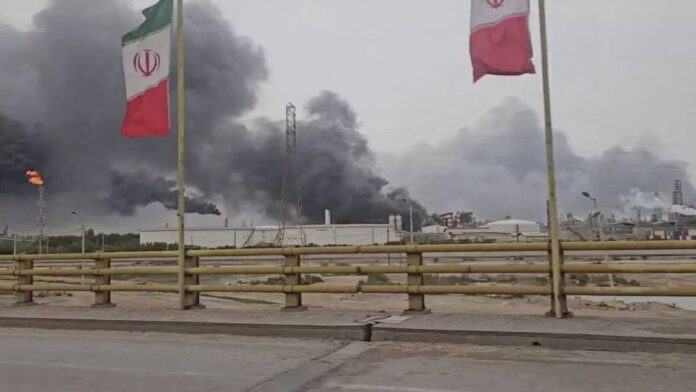
Russia evacuated 632 people from Iran, including 27 citizens of Tajikistan who worked at the Bushehr nuclear power plant, amid the escalating situation in the region.
This was reported by RIA Novosti agency citing Andrei Zhiltsov, the Russian Consul General in Isfahan.
According to the diplomat, amid ongoing bombings and missile strikes, staff from Russian foreign missions, with the support of the embassy, organized four special flights during which people were safely evacuated from the conflict zone.
Among the evacuees were not only Russians but also citizens of CIS countries: 81 people from Belarus, four from Armenia, 27 citizens of Tajikistan, three from Uzbekistan, as well as one representative each from Kazakhstan and Ukraine.
Zhiltsov specified that the foreigners worked at the Bushehr nuclear power plant, which was built with Russian participation and connected to Iran’s power grid in 2011.
Due to the hostilities, the operation of the plant was suspended.
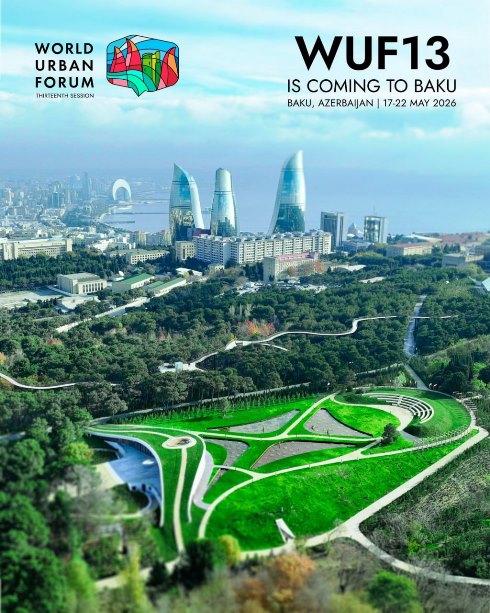
Baku, the capital of Azerbaijan, is set to host the 13th session of the World Urban Forum (WUF13) from May 17 to 22, 2026. Co-organized by UN-Habitat and the Government of the Republic of Azerbaijan, the forum will transform the Baku Olympic Stadium into a global platform for addressing the most urgent challenges of modern urbanization.
WUF13 arrives at a critical juncture for global development. Under the theme “Housing the World: Safe and Resilient Cities and Communities” addressing the global housing crisis and promoting sustainable urban growth, the forum will bring together thousands of participants, including heads of state, urban planners, academics, and civil society leaders.
With 58 percent of the global population living in cities and towns, the world is more urban than ever and the World Urban Forum has never been more critical. WUF13 has added importance as it coincides with the midterm review of the New Urban Agenda, the global framework adopted in 2016 to guide sustainable urban development, and the 2026 global review of SDG 11 on sustainable cities and communities.
Cities are growing faster than ever before, with nearly 70 percent of the world’s population expected to live in urban areas by 2050. This growth brings enormous potential for prosperity, innovation and development, but also significant challenges, particularly in housing, infrastructure, climate resilience and social inclusion.
Considering the urgency of the global housing crisis, Azerbaijan is positioning WUF13 as a global platform to elevate housing to the top of the policy agenda. The Forum will emphasize that housing is not a standalone sector, but a cross-cutting driver of development – essential for progress in health, education, climate resilience, and economic growth.
WUF13 will serve as a space to showcase practical solutions and best practices from around the world and highlight innovative approaches, success stories, and scalable models that can help countries address the housing crisis in their own contexts.
WUF13 at the same time will be a platform to build partnerships and encourage joint commitments – from financing and policy reforms to new pledges and initiatives. These partnerships are important as no single entity can address the issues underpinning the global housing crisis. By bringing together governments, cities, financial institutions, and development partners, the Forum will help mobilize the political and financial will needed to accelerate action on housing and urban sustainability.
From climate-resilient construction to energy-efficient building technologies, the private sector plays a decisive role in shaping sustainable and equitable urban futures. WUF13 will create more space for private sector engagement and solution-sharing.
The Urban Expo will cover more than 35,000 square meters and serve as a central platform for presenting solutions, best practices and innovations. It is envisioned not merely as an exhibition space, but as a dynamic hub for dialogue, partnerships and tangible collaboration.
For six days, WUF13 will host thousands of people from all parts of the world – including ministers, regional governors, mayors, urban planners, the private sector, community leaders, civil society, academics and UN agencies, among others.
WUF13 will feature hundreds of different events, including an opening and closing session, assemblies, dialogues, special sessions, roundtables and an extended Urban Expo, alongside opportunities for networking and informal exchange.
Operationally, WUF13 will feature approximately 40 main sessions and around 350 partner-led events.
As the host nation, Azerbaijan is introducing several “firsts” to the forum’s traditional format to elevate political and practical impact:
The WUF13 Leaders’ Summit is a high-level platform initiated by the Government of Azerbaijan to address the most pressing urban challenges in a strategic and coordinated manner. It will convene heads of state and global decision-makers to advance political commitment and concrete action toward sustainable urban development. The Summit aims to generate forward-looking solutions and strengthen international cooperation on critical urban agendas.
WUF Academy & Practices Hub: New dedicated spaces for learning and showcasing tested, real-world innovations from global cities.
Baku Call to Action: The forum will culminate in a landmark outcome document aimed at accelerating the implementation of adequate housing and sustainable urban development globally.
President Ilham Aliyev has officially declared 2026 as the “Year of Urban Planning and Architecture” in Azerbaijan. This national initiative aligns with WUF13, highlighting the country’s commitment to:
Post-Conflict Reconstruction: Showcasing the “Smart Village” and “Smart City” models being implemented in Karabakh and Eastern Zangezur.
Green Energy Commitment: The forum itself will be powered by renewable energy, demonstrating Azerbaijan’s bridge between climate action (following COP29) and sustainable urbanism.
“WUF13 in Baku will be a historic milestone, bridging historical heritage with futuristic urban solutions,” stated Anar Guliyev, Chairman of the State Committee on Urban Planning and Architecture and WUF13 National Coordinator. The forum aims not just to discuss problems, but to launch ambitious, replicable projects that deliver tangible benefits to citizens long after the event concludes.
For registration and official updates, you can visit www.wuf13.az.
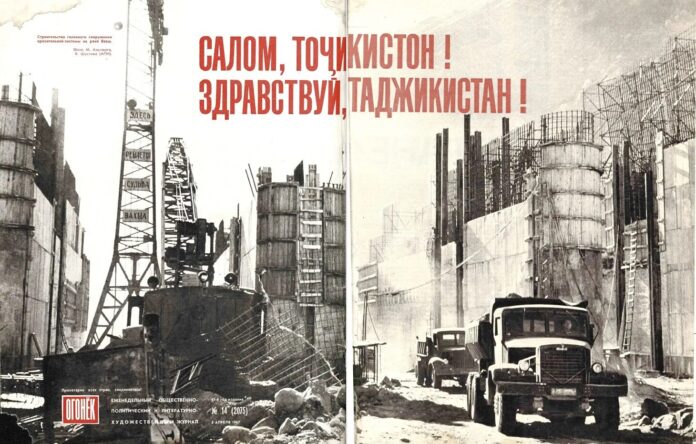
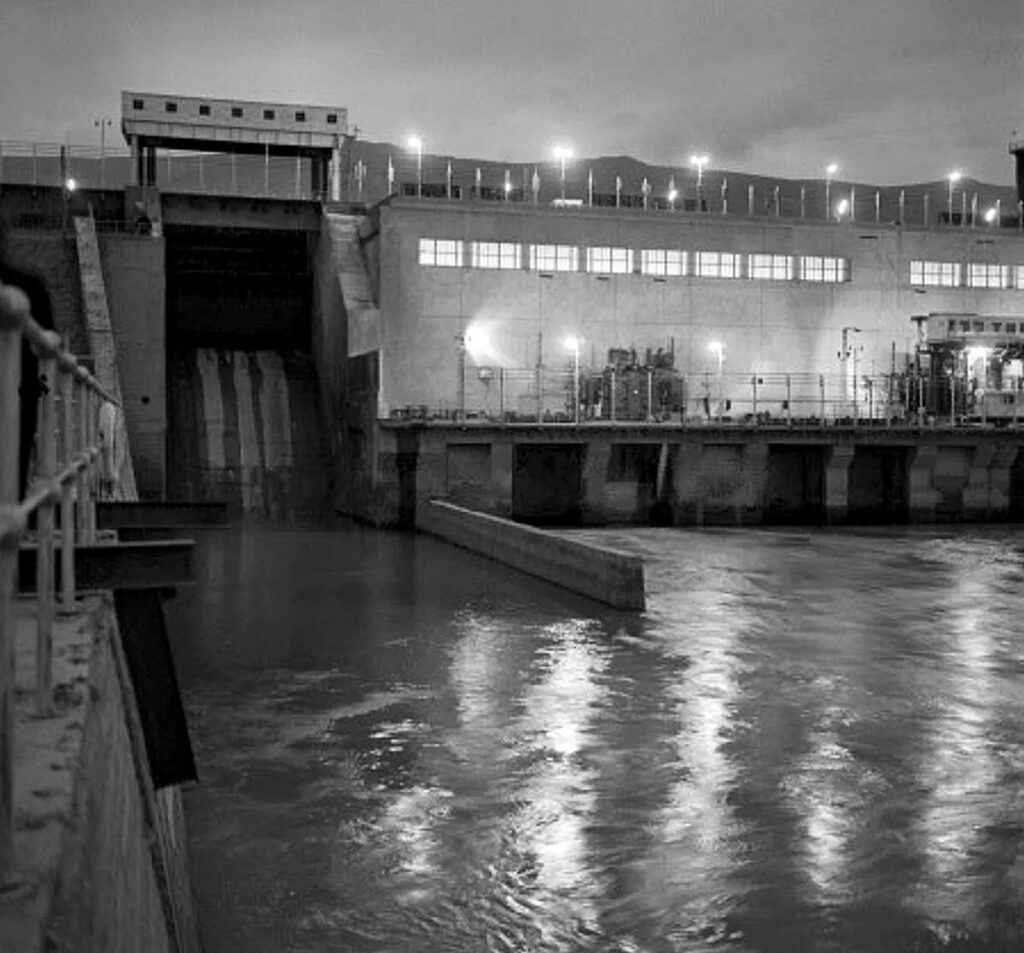
Строительство Головной ГЭС на реке Вахш. Фото Макса Альперта 1967 год. Журнал «Огонек»
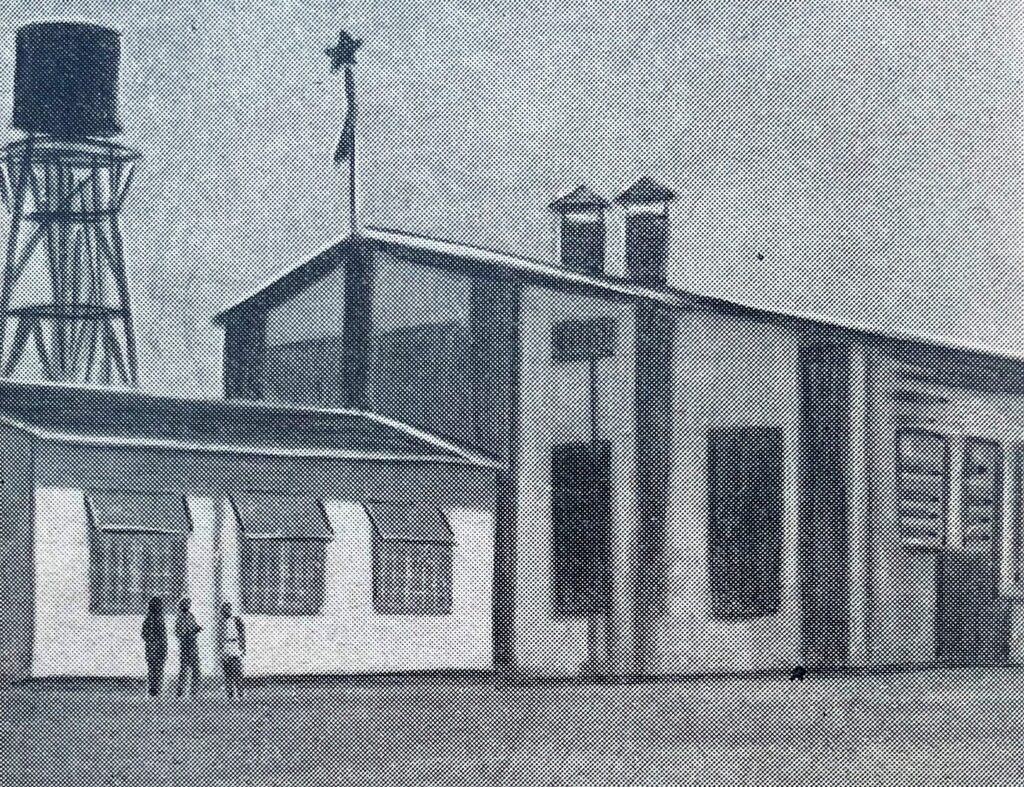
100 years ago – on April 15, 2026, in Dyushambe, as the capital of Tajikistan was then called, a remarkable event occurred: the first diesel power station with a capacity of 78 kW was put into operation, and the city received electricity for the first time in its history.
Dyushambe (Dushanbe) 1926, the first diesel power station with a capacity of 78 kW in the Tajik Autonomous Soviet Socialist Republic.
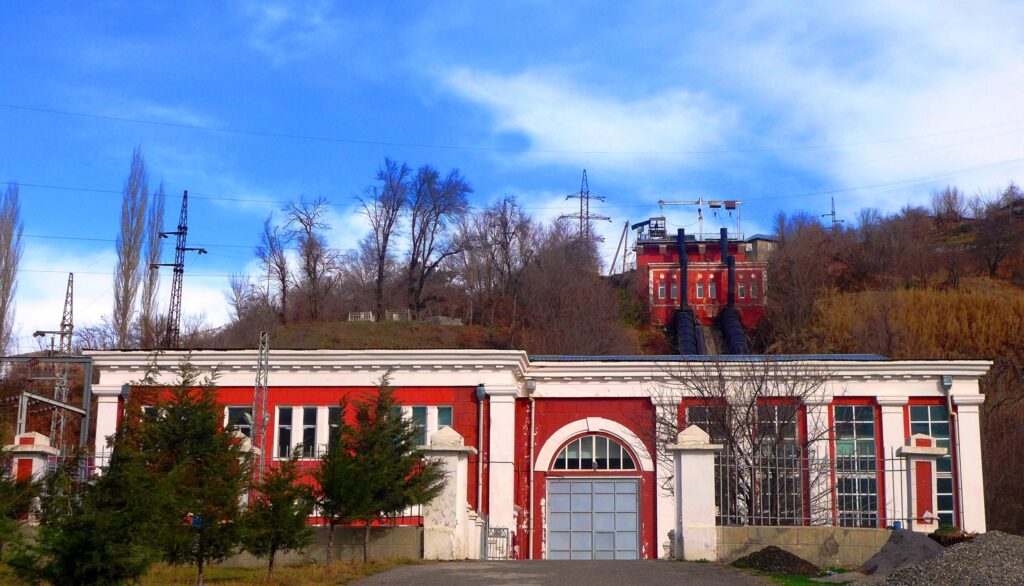
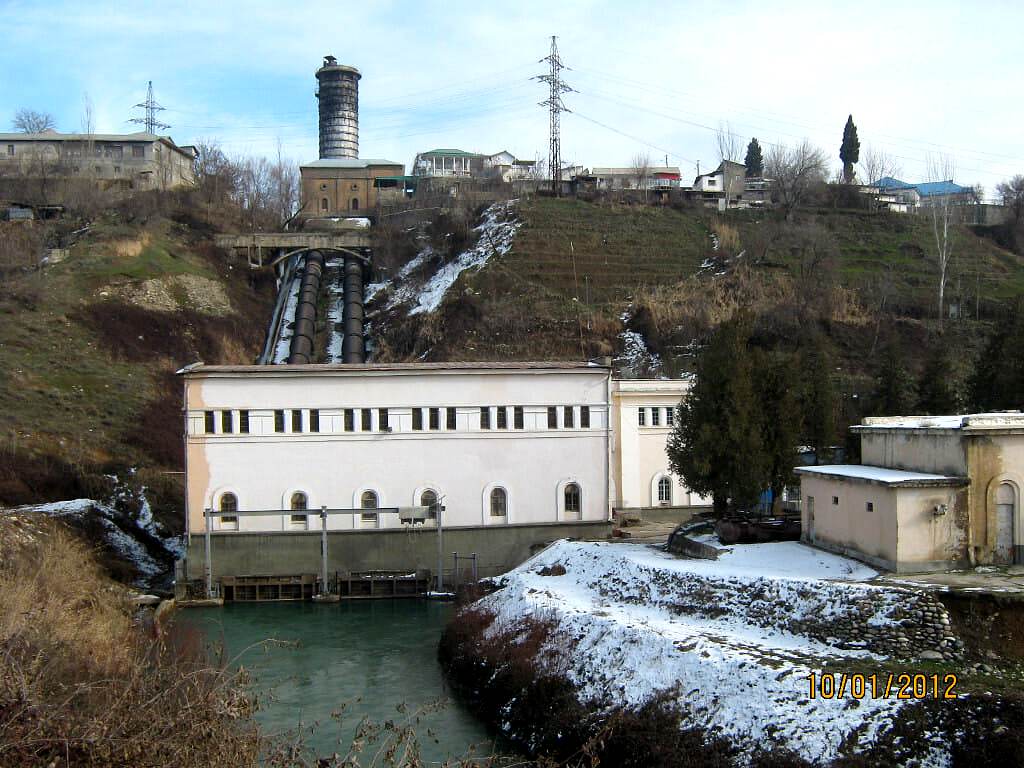
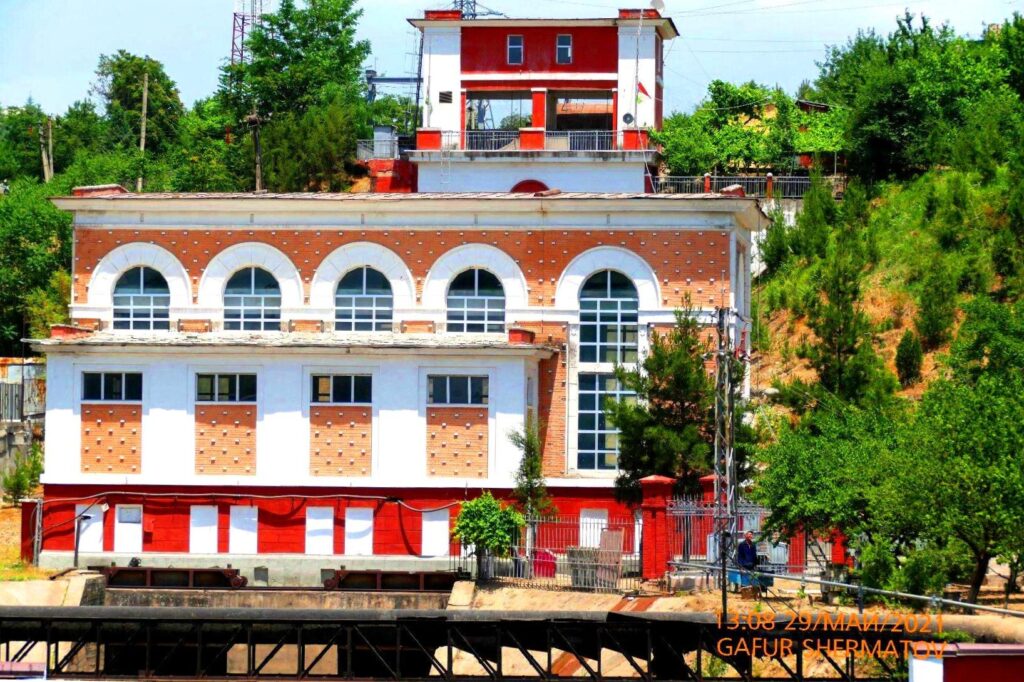
Following Dushanbe, in the second half of the 1920s, communal diesel power stations were put into operation in the district centers of the republic. The first use of the republic’s hydropower resources was marked by the construction of the Upper Varzob Hydroelectric Power Station and subsequent ones in the Varzob Cascade, HPP-2 and HPP-3.
Upper Varzob HPP-1. Construction of the HPP began in 1931, the first hydro unit was launched in 1936, the second in 1937, and the construction of the HPP was completed in 1938.Varzob HPP-2. The middle stage of the cascade. The construction of the HPP began in 1943, and the first hydro unit was launched in 1949.Varzob HPP-3. The lower stage of the cascade. The first hydro unit of the HPP was launched in 1952, and the construction of the HPP was completed in the same year.
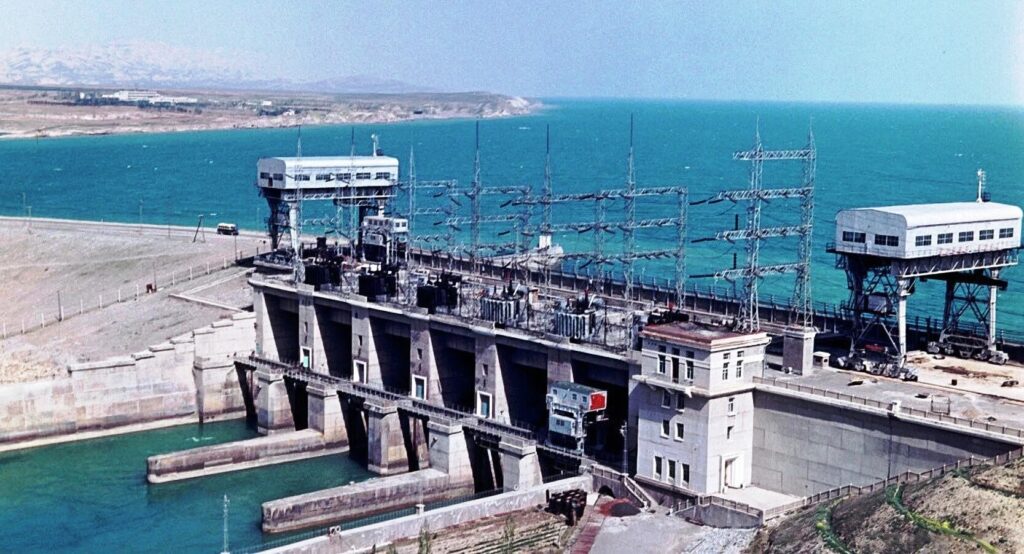
In the 1950s-1970s, the construction of large hydroelectric power stations on the Syr Darya and Vakhsh rivers began – these are the Kayrakkum Hydroelectric Power Station “Friendship of Peoples” and the “Vakhsh Cascade of HPPs”.
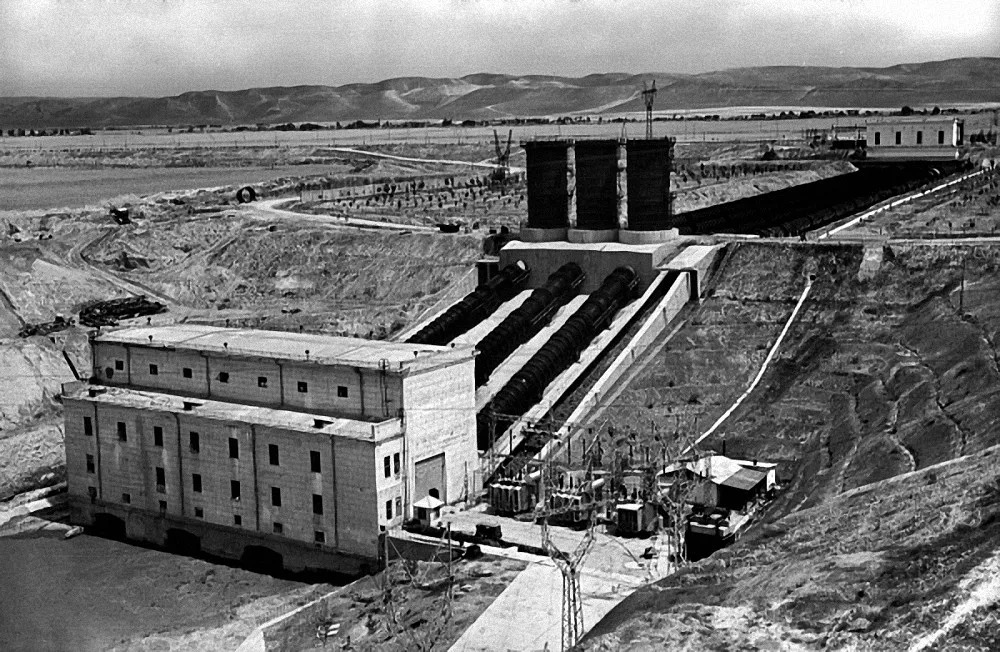
Kayrakkum HPP “Friendship of Peoples” on the Syr Darya River
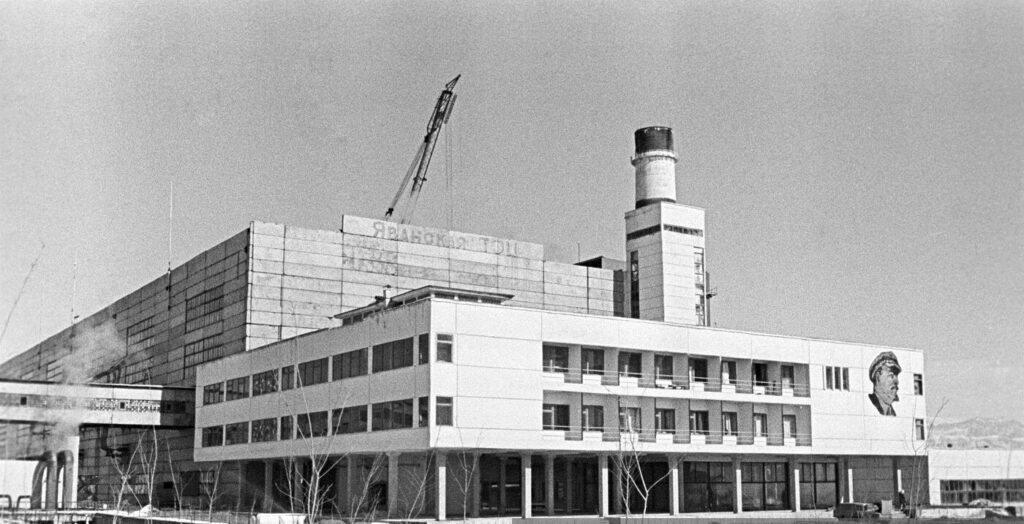
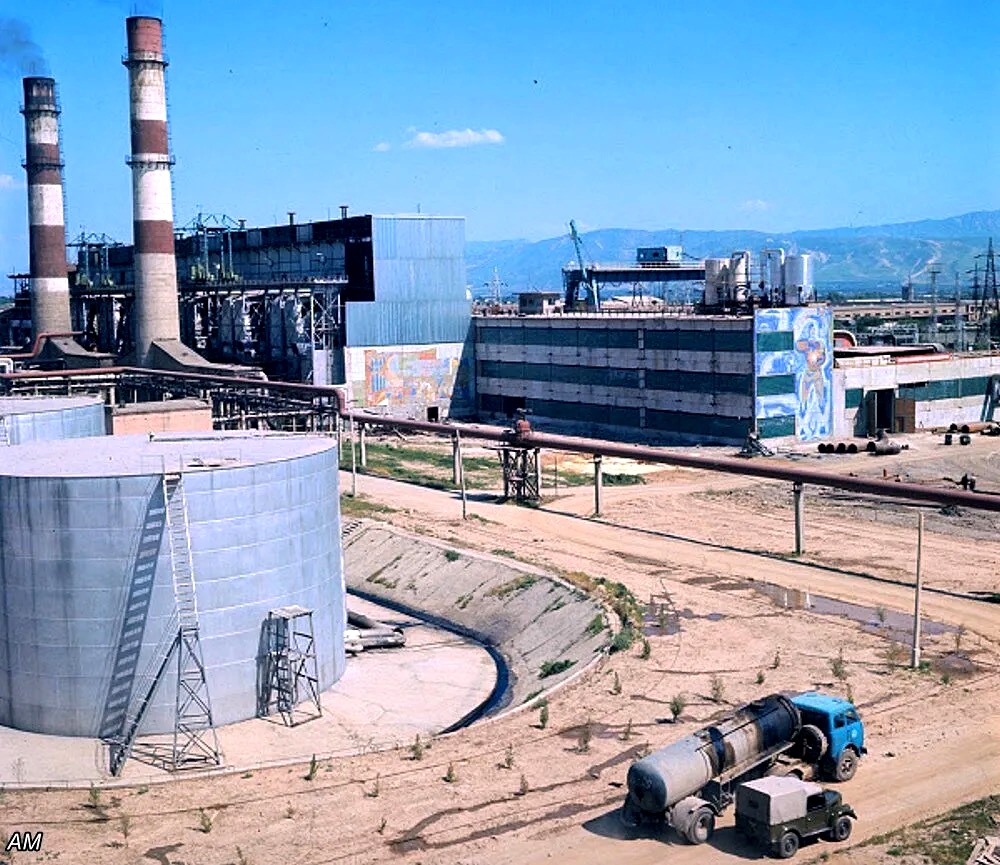
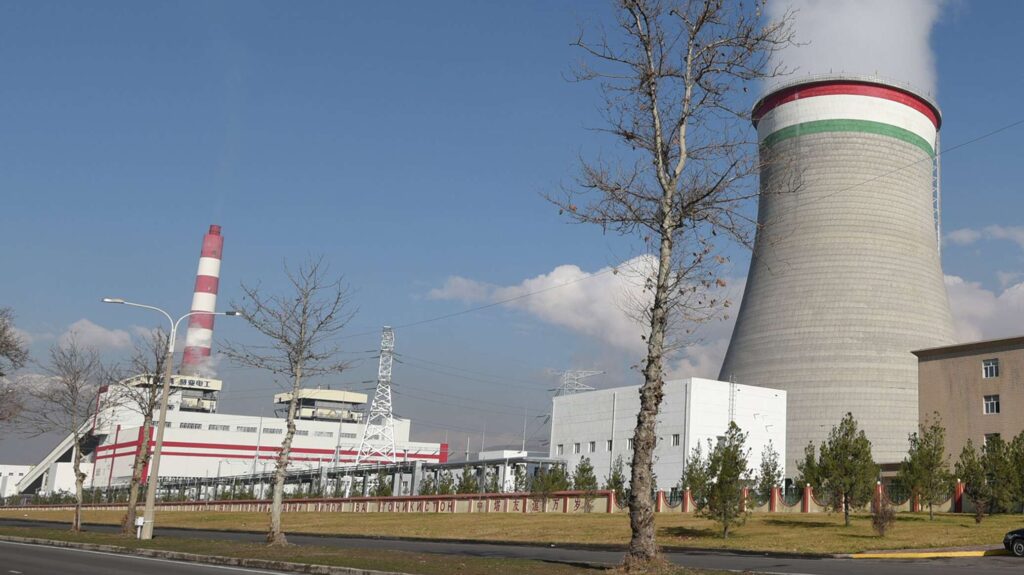
The Dushanbe and Yavan thermal power stations were built.
Yavan TPP 1978. Photo by R. NetelevDushanbe TPP. Photo by R. Netelev
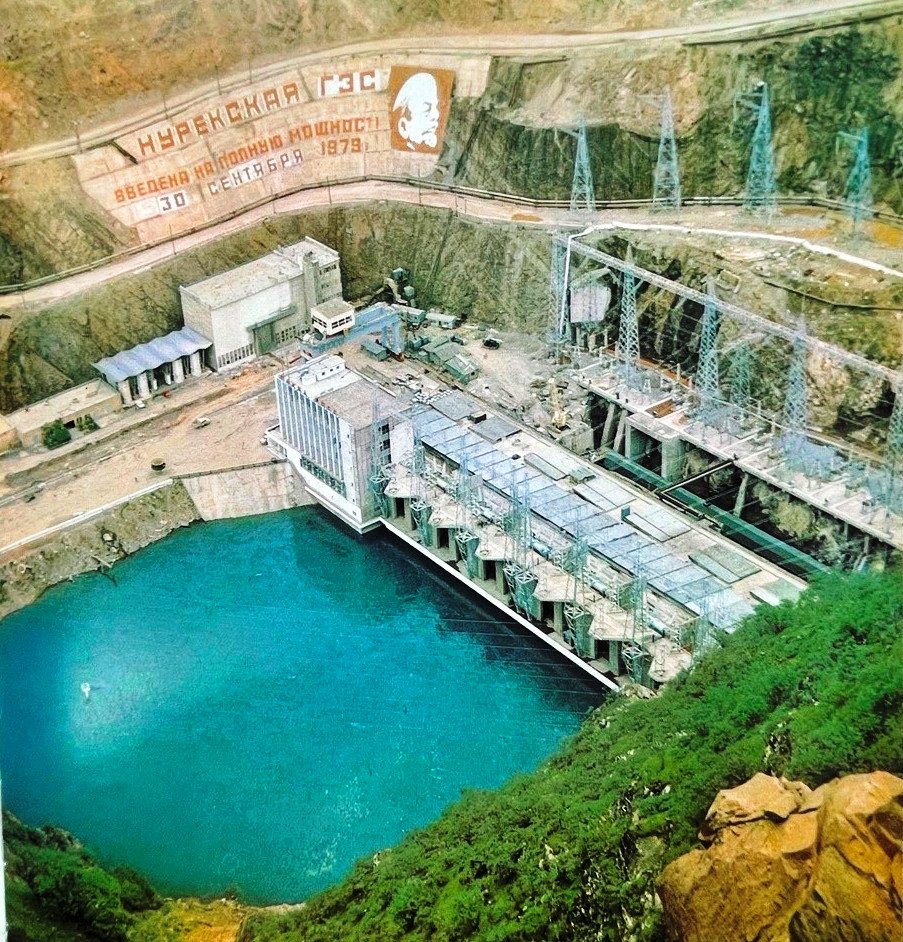
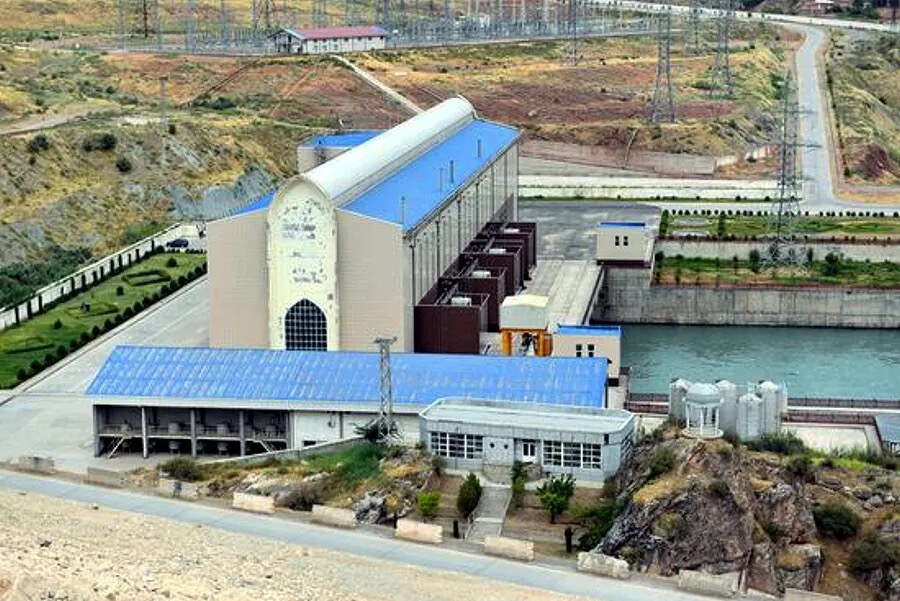
In September 1979, the Nurek HPP, the largest in Central Asia, was put into industrial operation.
View of the Nurek HPP, inscription on the slope: Nurek HPP was put into full capacity on September 30, 1979. Photo by R. Netelev, 1980
In 1976, the construction of the Rogun HPP began. In the 1980s, the Baipazin HPP was put into operation.
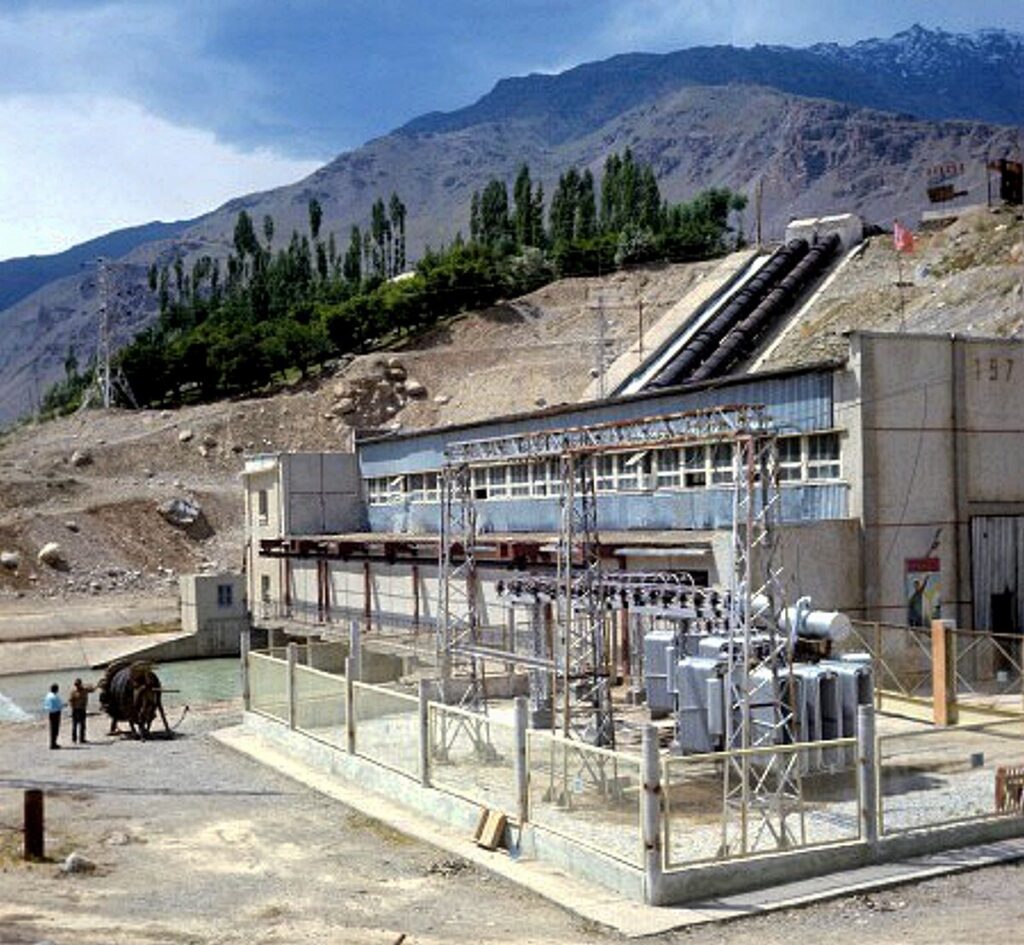
Khorog HPP named after V.I. Lenin. The HPP building houses five horizontal units of 2,000 kW each, 1975. Photo by R. Netelev
It should be noted that at the turn of the 1960s to 1980s, with comprehensive assistance from the Russian Federation and other fraternal republics of the USSR, Tajikistan achieved significant success in the construction of hydro and thermal facilities.
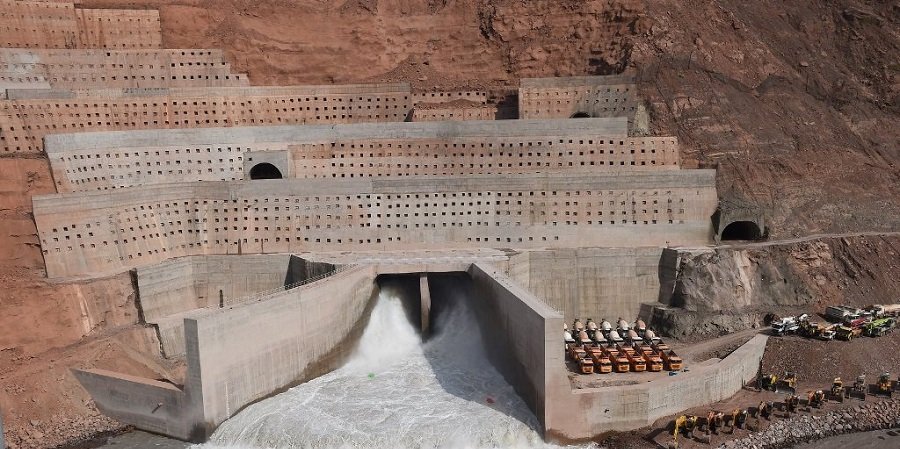
Perapadnaya HPP on the Vakhsh River is located near the town of Vakhsh in the Khatlon region, on the Vakhsh main channel, fed by the Vakhsh River, and is part of the Vakhsh Cascade of HPPs, being its seventh stage.
In the post-Soviet years, with the republic gaining independence, the issue of energy development in Tajikistan has been constantly in the focus of the government. Hundreds of small hydroelectric power stations have been built in the country, and the Sangtuda HPP-1 and HPP-2, as well as Dushanbe TPP-2, have been commissioned.
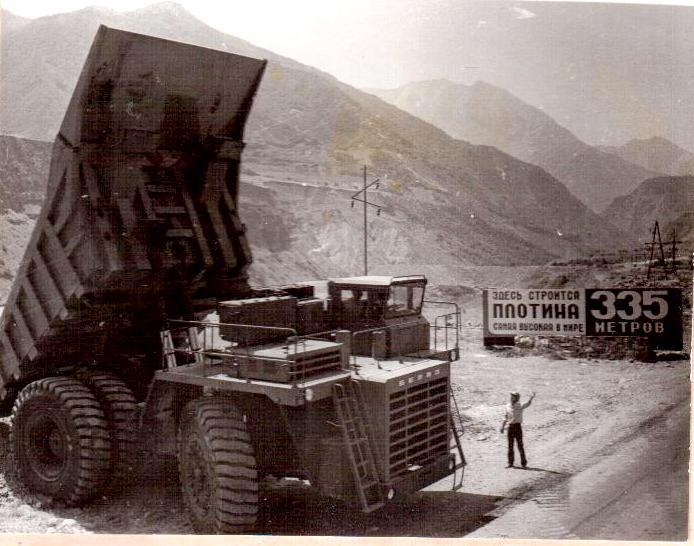
At the construction site of the Rogun HPP, 1980s, photo by R. NetelevRogun HPP – an under-construction hydroelectric power station in Tajikistan on the Vakhsh River. It is part of the Vakhsh Cascade, being its uppermost stage. If the project is completed, the Rogun HPP dam, with a height of 335 m, will become the highest in the world.Sangtuda HPP-1Dushanbe TPP-2Dam of the Golovnaya HPP on the Vakhsh River in Tajikistan. November 30, 1987. Photo by V. Stechencev
The construction of Rogun continues. This HPP will be able not only to fully meet its own electricity needs but also enable Tajikistan to sell energy to neighboring countries.
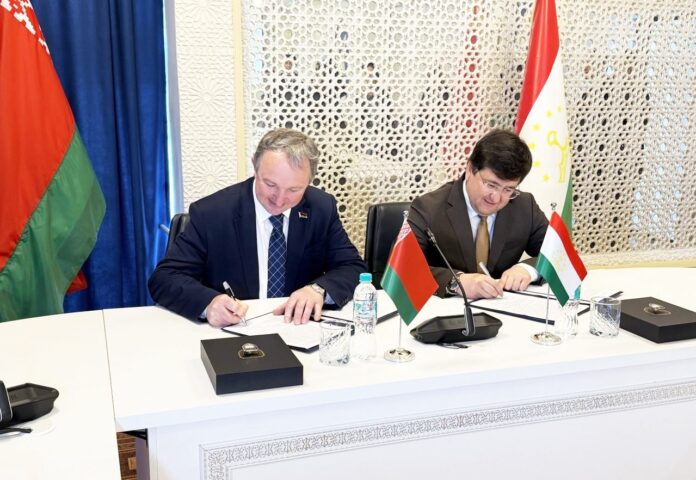
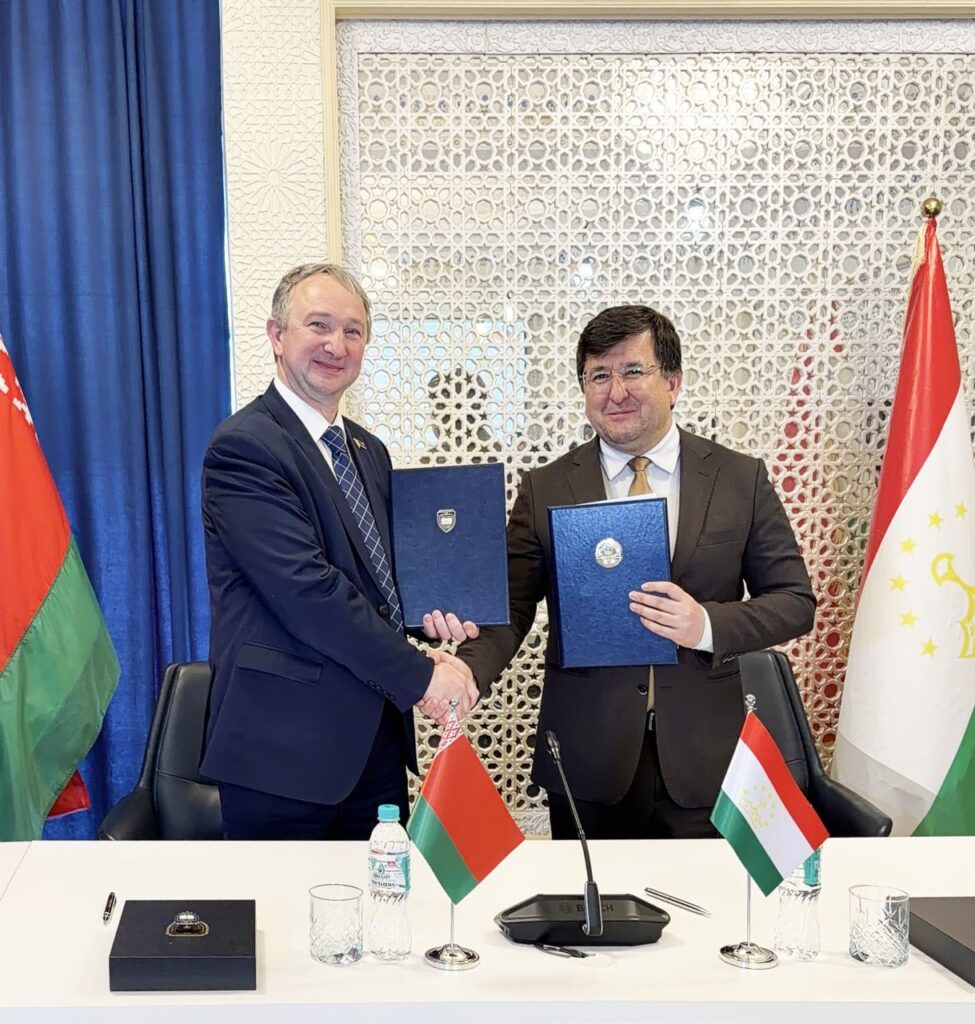
A signing ceremony for the Agreement on the establishment and operation of a joint scientific laboratory took place in Dushanbe between the Agency for Chemical, Biological, Radiological and Nuclear Safety (CBRN) of the National Academy of Sciences of Tajikistan and the Belarusian National Technical University (BNTU).
The document was signed by the Director of the Agency, Professor Ilhom Mirsaidzoda, and the Rector of BNTU, Doctor of Technical Sciences, Associate Professor Sergey Kharitonchik.
photo by the Agency for Chemical, Biological, Radiological and Nuclear Safety (CBRN) of the National Academy of Sciences of Tajikistan
According to the document, the parties will establish a joint scientific “Laboratory for the Study of Technogenic Transformation of the Geological Environment, Radiation Monitoring, and Nuclear Safety”.
Its activities will focus on conducting fundamental and applied research, including:
– development of technologies for extracting rare earth element compounds from industrial waste phosphogypsum and uranium production waste
– assessment of risks of technogenic accidents at dumps and tailings storage facilities
– creation of geoinformation models of technogenically loaded areas
– computational and experimental studies in the field of nuclear and radiation safety
– development of technical regulatory legal acts in the relevant field.
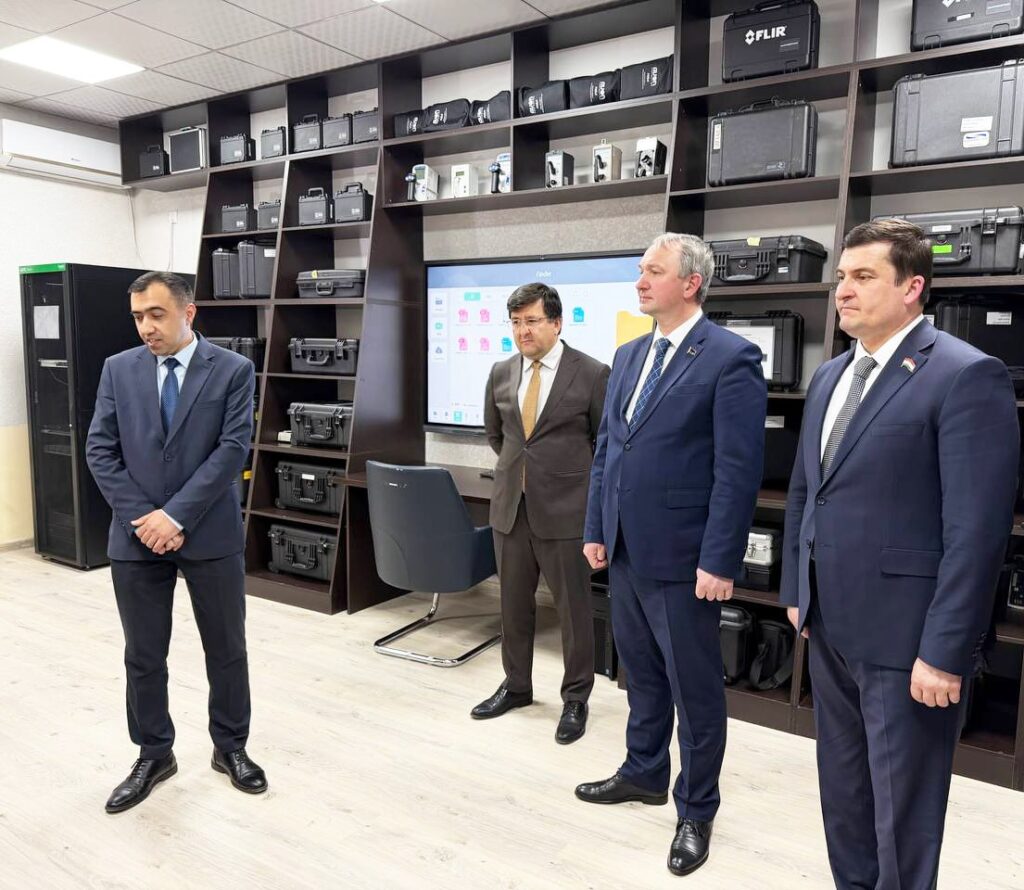
The new laboratory will operate on two scientific and educational platforms — at the Regional CBRN Safety Center in Dushanbe and at the Faculty of Mining and Environmental Engineering of BNTU in Minsk.
“The signing of this agreement marks an important step in the development of practical scientific and technical cooperation between Tajikistan and Belarus,” notes the CBRN Safety Agency of Tajikistan.
The agreement is further underscored by the institutional potential of the Tajik side. In January 2025, the CBRN Safety Agency of Tajikistan was officially designated by the IAEA as a new Collaborating Centre for nuclear safety for the period 2025–2029. As noted by the IAEA, this decision is aimed at strengthening regional capacity, conducting international training courses and seminars, as well as developing training materials for detecting illicit trafficking of nuclear and other radioactive materials.
photo by the Agency for Chemical, Biological, Radiological and Nuclear Safety (CBRN) of the National Academy of Sciences of Tajikistan
In this context, the establishment of a joint laboratory with BNTU logically enhances the scientific, educational, and applied components of the Agency’s international positioning.
BNTU, in turn, is one of the leading technical universities in Belarus and is positioned as a leader in the country’s technical education. The participation of this university in the project ensures the combination of a strong engineering school, academic expertise, and applied training with the scientific and practical capabilities of the Tajik side in the fields of radiation safety, geo-ecology, and nuclear safety.
The agreement provides for not only joint research but also the organization of scientific seminars, conferences and schools, the exchange of scientific staff and students, joint supervision of dissertations and research work, publication of results in peer-reviewed journals, joint grant applications, and the implementation of innovative technologies.
The document is concluded for a period of five years with the possibility of automatic extension and also enshrines the principles of scientific ethics, transparency, and anti-corruption accountability.
The joint laboratory’s activities are expected to become an effective platform for developing modern scientific solutions on issues of technogenic safety, sustainable natural resource management, radiation monitoring, training of highly qualified specialists, and expanding international cooperation between scientific and educational institutions of Tajikistan and Belarus.
Зафар Сайидзода. Фото с личной страницы в Facebook
Zafar Saidzoda, Doctor of Historical Sciences, Head of the CIS Department of the Institute for the Study of Problems of Asian and European Countries of the National Academy of Sciences of Tajikistan and former press secretary to the head of state, sent an open letter to the President of the country, Emomali Rahmon, with proposals for the comprehensive strengthening of the information security of the Republic of Tajikistan and the improvement of the socio-economic status of media workers.
In the appeal, which Zafar Saidzoda published on his Facebook page, he noted that in the context of rapid transformations of the global information space and the strengthening of national sovereignty, “the role of professional, patriotically oriented, and socially protected media workers becomes especially significant.” However, currently, journalists working in state media face problems such as low wages, lack of social guarantees, and limited opportunities for professional growth.
The letter proposes measures to improve the situation of journalists.
Financial and economic measures:
Creation of a Presidential Fund to support the media with annual grants for the development of editorial offices and subsidies for salaries.
Increasing the basic salary rate of journalists in state media by at least 100% from the current level.
Introducing preferential mortgages for journalists, similar to those for teachers and doctors.
Socio-professional measures:
Establishment of a Republican Center for the advanced training of journalists.
Introduction of the title “People’s Journalist of the Republic of Tajikistan” with an annual award.
Guaranteed medical insurance for all accredited journalists.
Regulatory and legal initiatives:
Adoption of the Law “On State Support for Media Workers” to establish the status of a journalist as a socially significant profession.
Amending the Tax Code to exempt journalists with income below the national average from personal income tax.
In developing the proposals, according to Saidzoda, international experience from countries like Russia, Uzbekistan, and Kazakhstan was considered. For example, in Russia, a program to support regional media has been in place since 2021, in Uzbekistan, the “Media for the Future” program was implemented from 2020 to 2023, and in Kazakhstan, the salary of journalists in state media has been systematically increased since 2022.
In conclusion, Zafar Saidzoda asked the president to consider issuing a decree and instructing responsible ministries and departments to prepare and implement a plan of measures to improve the status of media workers in Tajikistan.
Commenting on his proposals in a brief interview with “Asia-Plus,” Zafar Saidzoda noted that the awarding of the title “People’s Journalist” implies all journalists, regardless of whether they work in state or private media.
“For the state, for obvious reasons, state media cannot but be a priority. But the Presidential support fund should be created for all media, without exceptions,” he said.
Saidzoda also added that he addressed the president with this letter back in the fall of last year. “The issue is currently under consideration,” he added.
After unsuccessful negotiations between the US and Iran on April 12, the situation in the Middle East has entered a new critical phase.
Experts believe that the failure does not signify the end of diplomacy, but they predict that the next phase might involve continued political pressure from both sides, with a possible review of positions.
Despite the fact that negotiators from both sides were decision-makers in their countries, the US and Iran were unable to reach an agreement on key issues.
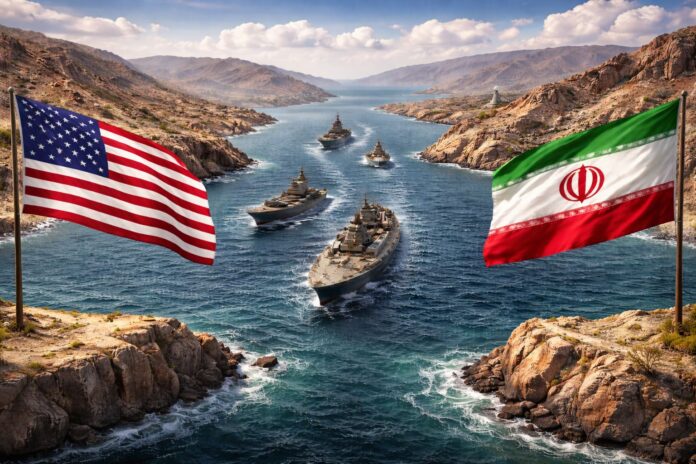
Statements from both sides suggest that the lack of agreement is linked to unresolved issues regarding the opening and further control of the Strait of Hormuz and Iran’s nuclear program. A two-week truce remains in place, although both sides accuse each other of violating it.
After the failure of the negotiations, the US announced that it would block the Strait of Hormuz and Iranian ports. Iran called this a violation of the truce and international laws.
Meanwhile, some media report on possible further negotiations in Pakistan or Switzerland, but neither Iranian nor US officials have confirmed or denied this information.
Under these circumstances, “Asia-Plus” turned to Tajik experts with questions: why did the negotiations fail, what will be the next steps for Iran and the US, and how likely is the renewal of war?
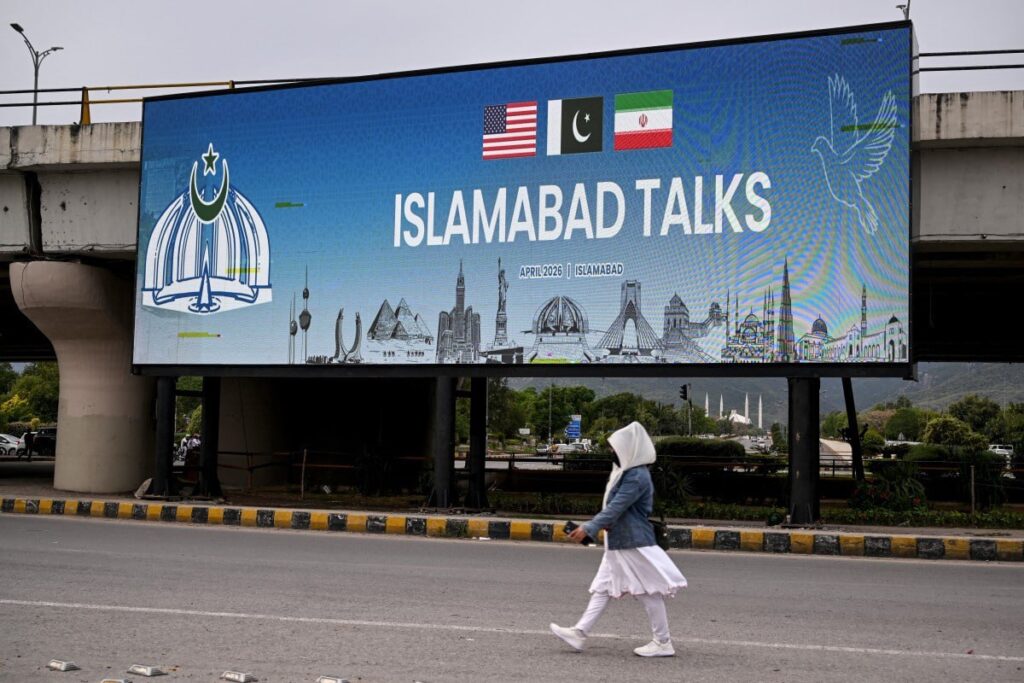
Photo: The Jakarta Post
Why was no result achieved in Islamabad?
Experts cite the main reason for the failure as the excessive confidence of both sides in their own strength and conflicting proposals. The Trump administration began negotiations with the demand for a complete halt to the nuclear program.
Iran, relying on the fact that during one month of war it was able to withstand US attacks and control the Strait of Hormuz, said “no!” to America and simultaneously proposed 10 points of its own conditions, including the continuation of the nuclear program and a new way of managing the Strait of Hormuz.
However, both sides initially stated that they did not trust each other. Experts believe that the distrust, which arose from previous agreements and recent conflicts, led the Iranian delegation to perceive US proposals as pressure.
What will happen next?
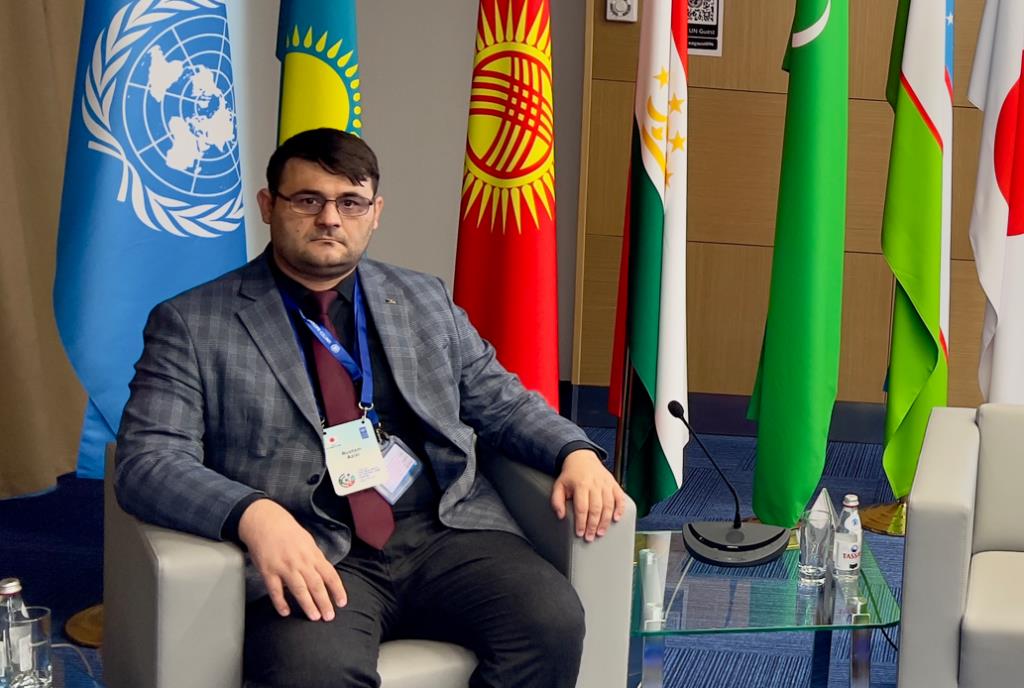
Rustam Azizi, a Tajik conflict expert, emphasizes that the failure of these negotiations does not yet mean the end of diplomacy.
“In fact, this outcome was somewhat predictable, since both the American proposal and the Iranian conditions were based from the very beginning on high self-confidence and maximum expectations,” the expert says.
According to him, both sides, after a period of war and truce, consider themselves in a strong position, and it is natural that they expected significant concessions from the opponent.
Rustam Azizi. Photo from social networks
Azizi adds that in such conditions a quick agreement was unlikely, but both sides indicated that the door for negotiations is not completely closed. He notes that the sides are simultaneously moving in two directions — revising diplomatic tactics and continuing preparations for a possible military solution.
“The next step is likely to be not ‘final peace’ or a ‘new, urgent war,’ but a phase of position reassessment. That is, after the failure of the first round, the sides will adjust their conditions more softly or more precisely, explore the possibility of new rounds of negotiations while maintaining political and military pressure as an influence tool,” the expert predicts.
In his opinion, this is a common crisis management tactic, where diplomacy does not cease but takes on a more complex form, and military pressure remains as a tool.
“This war could last a year”
Speaking about the two-week truce, Azizi states that the likelihood of its continuation is higher than the likelihood of its cancellation, since both sides, after a month of confrontation, need time to restore their resources and reassess their calculations.
He calls this situation a “temporary strategic pause.” However, the expert warns that the war may transition into a protracted phase, similar to the Russia-Ukraine war, which could last a year.
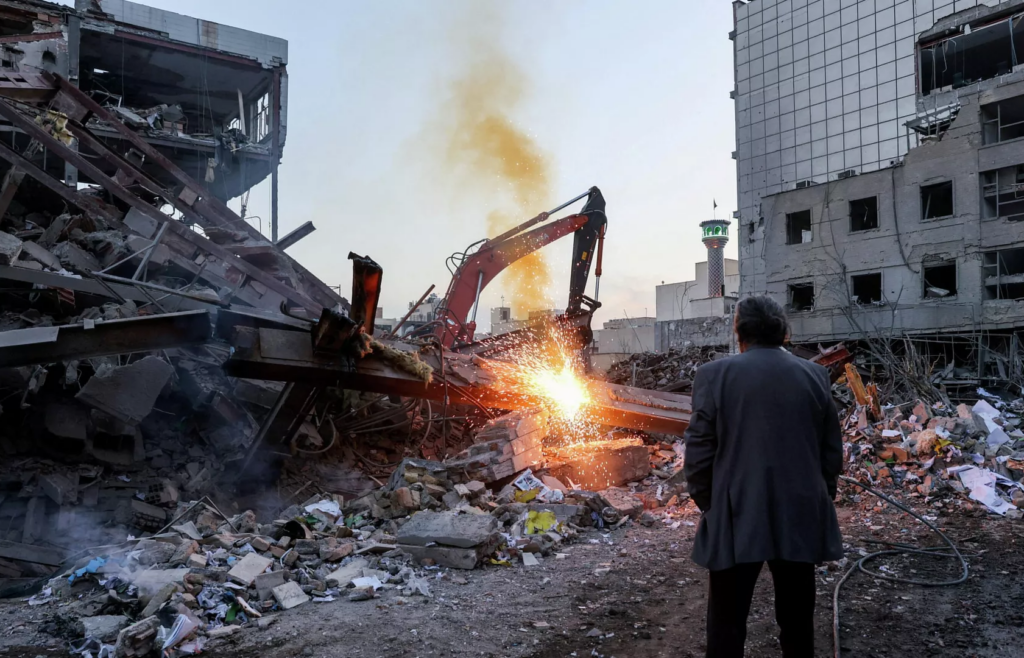
Consequences of the US and Israel strike on Tehran. Photo: Reuters
“It is quite possible that tensions with Iran will evolve into a protracted, slowly developing war in the Middle East. Since the issues of Palestine, Lebanon, Syria, and Yemen have existed for many years, it is not excluded that Iran will be drawn into such a long-term tension,” Rustam Azizi predicts.
Will the Strait of Hormuz be closed?
However, the US has already stated that it has surrounded the Strait of Hormuz with its warships. We asked experts whether this means the cancellation of the truce and the start of the war?
Rustam Azizi is confident that in such conflicts, both sides always strive to present the opponent’s actions as the start of escalation, and each new step is presented as a “response,” “warning,” or “reaction.”
“On the other hand, the US has not completely surrounded the Strait of Hormuz, because they do not have such an opportunity: firstly, US trading partners exert pressure on Trump, and secondly, all their naval ships cannot be there year-round because it is too expensive,” the expert believes.
In his opinion, this is more of a way to pressure Iran to abandon some of its demands and agree to US participation in managing Hormuz.
Nevertheless, Rustam Azizi emphasizes that “Tehran will in no way accept these demands from Washington.”
“This is not beneficial for the Trump administration”
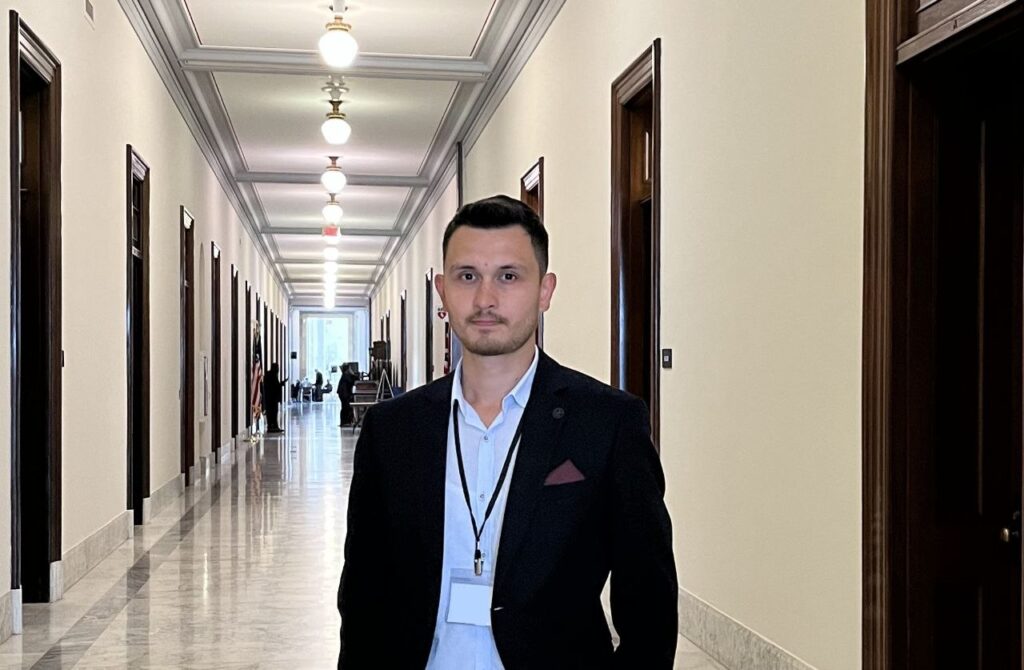
Saadi Khomid, a political and international relations expert from Tajikistan residing in the US, believes that the first round of negotiations ended unsuccessfully, but this is not yet the end of diplomacy.
Saadi Khomid. Photo provided by the expert
According to him, Donald Trump is likely trying to strengthen his leverage in negotiations with Iran through the maritime blockade of the Strait of Hormuz to force Tehran to agree to US demands. However, the expert warns that such actions could lead to a new stage of escalation and clashes. Regarding the truce, Khomid says:
“A logical and rational assessment of the current situation shows that this operation, if the truce is violated, does not meet America’s interests, especially the Trump presidency.”
He says that the blockade of ports has reduced oil exports, which will again lead to a rise in oil prices on the world market and cause inflation in America. It is this factor, according to the expert, that prompted Trump to start negotiations, and therefore “violating the truce and returning to active war will bring Trump even more political losses, especially ahead of the midterm elections.”
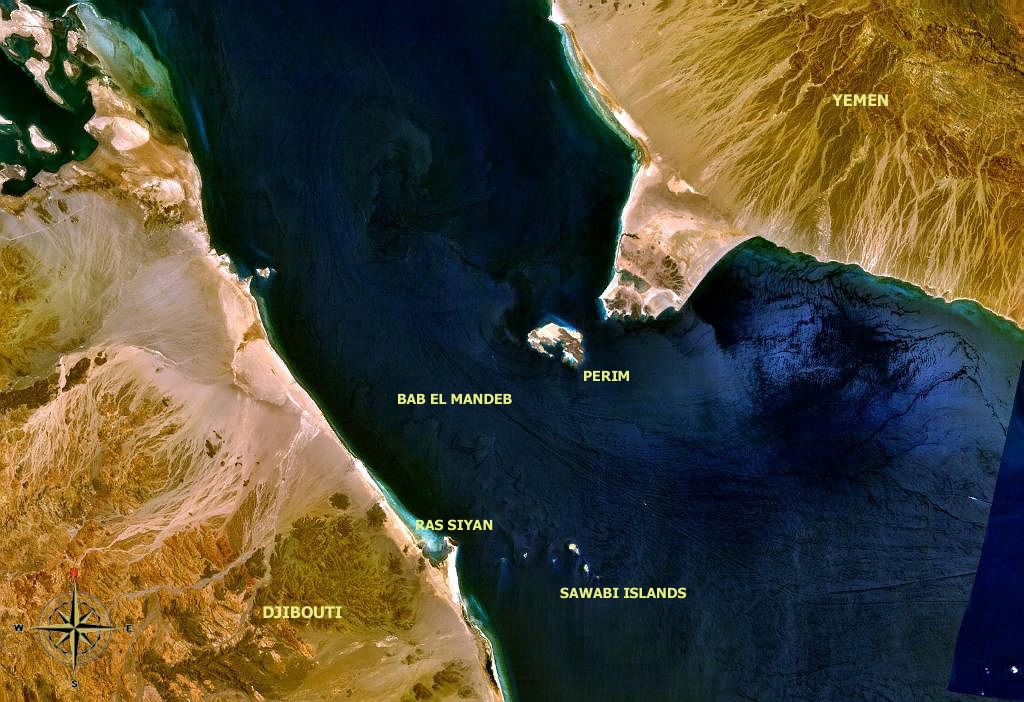
If Iran closes Bab-el-Mandeb…
Saadi Khomid also draws attention to geopolitical consequences, arguing that if the export of oil from Iran to China and India is blocked, America will face additional problems in relations with these two countries.
Moreover, this expert reminds of another leverage from Tehran, warning that “if the war returns to an active phase, Iran this time with the help of the Houthis can close Bab-el-Mandeb.”
Bab-el-Mandeb. Illustration from wikipedia.org
“The Houthis can block the Red Sea and cut off 12 percent of global oil supplies. In this case, the world will witness a sharp rise in oil prices and an escalation of war,” says the “Asia-Plus” interlocutor.
He emphasizes that despite all the power and praise of America’s capabilities, “the scope of the war will be determined not in Washington, but in Tehran.”
Achieving a constructive outcome will be difficult
Saadi Hamid believes that a combination of economic and political factors is a strong argument for the US government to adhere to the ceasefire and prevent the escalation of war.
“But no one can guarantee that Trump will take reality into account by conducting a logical and rational assessment,” adds the expert.
According to the expert, if these deterrent factors are taken into account in Washington’s approach to Tehran, there is a possibility of a second round of direct negotiations.
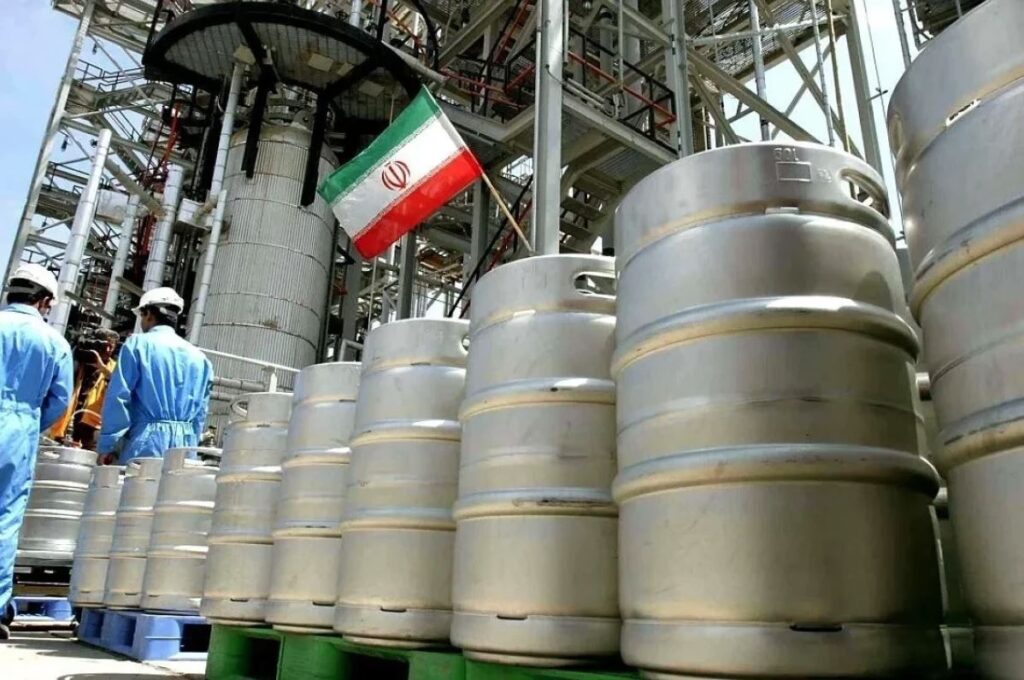
However, he warns that if the American side continues to insist in subsequent negotiations that Iran reduce its uranium enrichment level to zero and cease support for regional groups, including “Hezbollah,” “Hamas,” and the Houthis, achieving a constructive outcome will be virtually impossible.
Archive photo Eadaily.com
In this regard, Saadi Hamid also considers Israel’s role important, noting that Tel Aviv may have a direct impact on the failure of this diplomatic process.
In case of a complete diplomatic deadlock, the expert foresees another possible scenario: a return to the situation that existed before the war on February 28, where America exits the war, and Trump presents it as a victory, but in the meantime, Israel’s position will worsen.
No war, no peace between Iran and the US
The current situation shows that although the negotiations in Islamabad concluded without any concrete results, both sides are now in a situation of neither war nor peace.
The official start of the naval blockade of Iranian ports from 19:30 on April 13, Dushanbe time, and new threats from Trump to destroy Iranian speedboats indicate rising tensions.
However, as both experts emphasize, the need to restore resources and global economic risks may serve as a deterrent to a new full-scale war.
The police and prosecutor’s office in Dushanbe have detained an organized criminal group involved in the illegal use of bank cards, SIM cards, and citizens’ personal data for committing various crimes.
According to the capital’s police, Muhammadjon Mahmadalizoda, a 24-year-old resident of the capital, illegally acquired plastic bank cards and used them to withdraw funds he received from playing online casinos.
During Mahmadalizoda’s interrogation, it was revealed that since 2024 he had been issuing bank cards in the names of various citizens, registering up to 100 cards and up to 15 SIM cards, as well as creating electronic accounts under these names. All accounts were used by him to embezzle money through criminal means.
“As a result of further operational measures, 615 plastic cards from various banks, 20 mobile phones, and a large number of electronic accounts were seized. All these cards and accounts were used for illegal activities on casino sites, where criminals earned large sums of money,” the police department reported.
Seized phones with illegally acquired SIM cards. Photo: Dushanbe Police Department
Also, during additional operational measures, Mahmadalizoda’s accomplices were detained: Fariz Taybunshoev, Mullosharif Maksudov, Shodmon Zokirov, Sokhib Tursunov, and a dealership center employee Mavlyuda Akhmedova. All detainees were connected to each other and assisted one another in the illegal use of bank cards.
During the investigation, an additional 1,315 plastic cards were seized, provided by Mullosharif Maksudov, who supplied the criminal group with cards for conducting transactions. In total, more than 1,900 cards from various banks in the country used during criminal activities were seized from the group.
The investigation showed that the criminal group illegally obtained and used citizens’ identity documents, issued plastic cards, and SIM cards in their names without their consent. Most citizens were not even aware that their personal data was used for these purposes.
It remains unclear how they managed to issue bank and SIM cards in other people’s names without the personal presence of these individuals.
Criminal proceedings have been initiated against the detainees under Part 2, paragraph “a” of Article 282 (“Manufacture or sale of counterfeit credit or debit cards or other payment documents”) of the Criminal Code of the Republic of Tajikistan, which provides for a penalty of imprisonment for a term of 5 to 8 years. The case is under investigation.
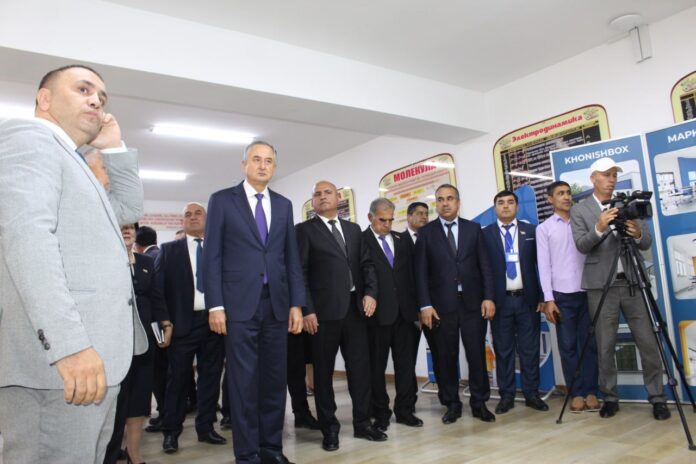
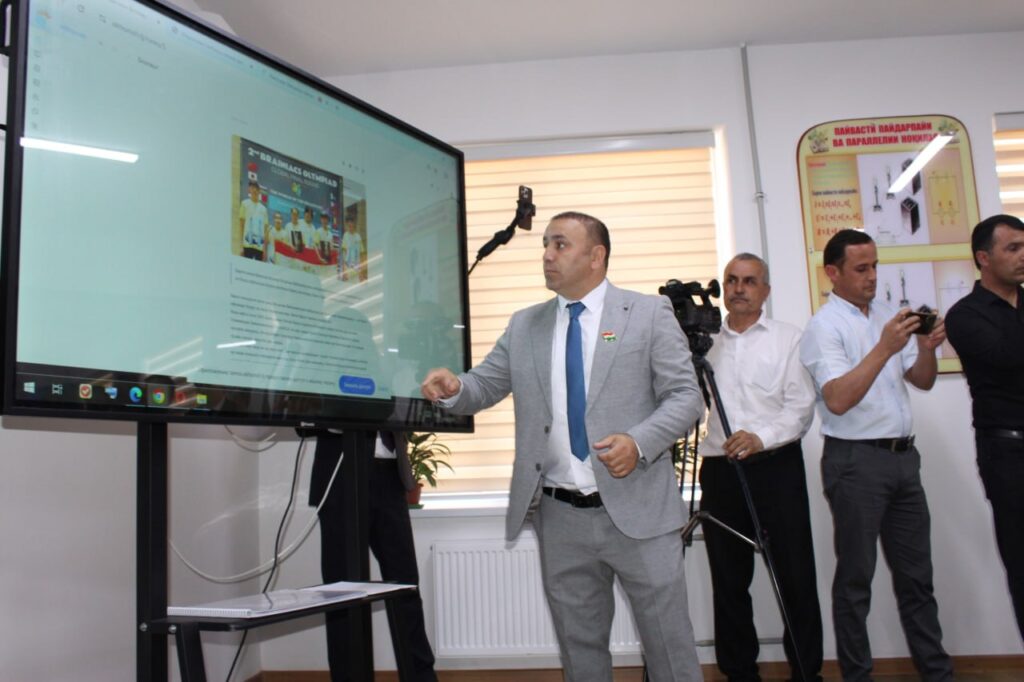
A presentation of the eKhonish program was held in the city of Bokhtar, the capitla of Khatlon province. The event took place at Secondary School No. 17 with the participation of Khatlon Governor Davlatali Said, Bokhtar Mayor Abdujamil Muminzoda as well as the heads of cities and districts of the province.
Representatives of the Jur’at organization, which is implementing the program, informed Asia-Plus that with this program, the entire educational process will be monitored online by the city’s education department, where a monitoring center has been established and five specialists maintain full control over the schools’ activities. As a result, there is no longer a need for department staff to visit educational institutions to check attendance and the educational process.
In Bokhtar, 20 educational institutions have already been connected to the program, along with the city mayor, parents, and representatives of the education sector, allowing them to remotely track student attendance and performance, teachers’ work, and the overall course of the educational process.
Photo: asia+
Moreover, the system generates a rating for each teacher and displays it in a separate table. Parents can monitor whether their children attend classes, what homework they receive, and what results they achieve during their studies.
Davlatali Said emphasized the importance of strict control over student attendance, noting that it should be clearly visible for each class how many students are present, how many are absent, and for what reasons.
“It would be advisable to connect other educational institutions, including colleges and universities, to this program. Our goal is to prepare qualified specialists, and with the help of this system, we can effectively control the educational process and in the future cultivate professional personnel,” stated the head of the province.
Photo: asia+
Jur’at reported that all cities and districts of the Khatlon region will gradually be connected to this program. Bokhtar became the second subject after the Yovon district to join the program.
It is worth recalling that a similar program, eDonish, has been implemented since 2021 in Dushanbe. It provides access to an electronic journal, diary, schedule, and also allows for tracking student attendance and activity during lessons, as well as the time of arrival and departure of children.
For information on why the program does not always correctly display the time of arrival and departure of students, their presence in class, and grades, read this material.
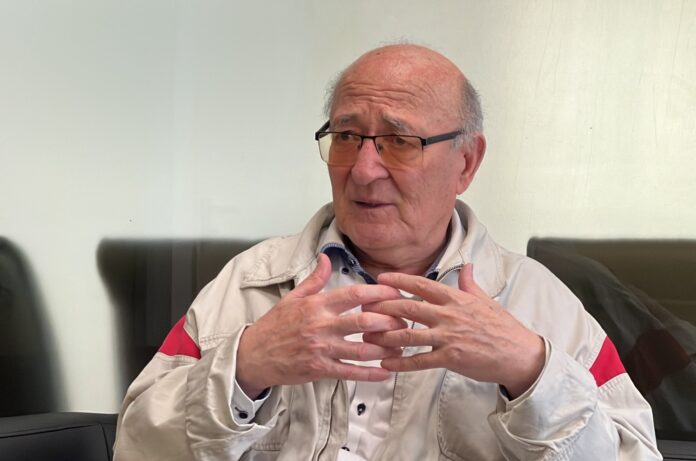
Rashid Gani Abdullo, a Tajik political scientist who has been providing his commentary and writing analytical materials for “Asia-Plus” for many years, shared his opinion on the role of our media in the information space and its contribution to the development of domestic journalism and the representation of the country.
“The fact that ‘Asia-Plus’ has existed for 30 years and is the face of Tajikistan’s information space is, in itself, a major achievement.
‘Asia-Plus’ was the first media outlet to have both print and radio, providing information to its readers. This was a good initiative. After some time, a school of journalism was created. ‘Asia-Plus’ was able to cover everything happening in the information space, ensuring its presence, which bore fruit.
Soon, ‘Asia-Plus’ gained status and over time became a sort of brand for Tajikistan. What does this mean? It means that ‘Asia-Plus’ is known not only within Tajikistan as a newspaper, news agency, and radio, but also beyond its borders as a media outlet.
If someone outside Tajikistan wants to get urgent news or fresh information related to Tajikistan, they first turn to the ‘Asia-Plus’ website. It is known that this agency covers a wide range of events related to Tajikistan, and to some extent, in its presentation, it combines not only pure news journalism but also creative journalism.
In the presentation of events by ‘Asia-Plus’, one can notice elements of aesthetics.
As I see it, one of the main tasks of ‘Asia-Plus’ is to truly reflect everything happening in the country and around it. When reflecting on various issues in Tajikistan, ‘Asia-Plus’ always considers that the presentation of the material should be beneficial for the country.
The diplomacy of ‘Asia-Plus’ has allowed this publication to stay one step ahead of other media outlets operating in Tajikistan’s information space.
‘Asia-Plus’ does not limit itself to presenting a single point of view and strives to portray reality from various angles, providing a diversity of events occurring in Tajikistan for both internal and external readers. National security and the interests of Tajikistan are always taken into account.
Also, ‘Asia-Plus’ is not satisfied with what already exists and strives to establish a connection between the older and younger generations. It creates a unique media culture and works on preparing personnel who can work effectively in this specific media environment.”