Home Blog Page 12

What will the 2026 Asian Games be like and why is it the main event of the year for Tajikistan

From September 19 to October 4, 2026, Japan will host the XX Asian Games — the largest multi-sport forum on the continent after the Olympics.

The center of the competitions will be Nagoya and Aichi Prefecture, but this will be much more than just a tournament between two cities: dozens of venues, around 15,000 athletes and officials, hundreds of medal events, and all of sports Asia in one calendar.

For Tajikistan, this Asian Games is particularly important: after a successful performance in Hangzhou, the country hopes to arrive in Japan with a large delegation and once again compete for medals.

According to official data from the organizers, the Games will last for 16 days, with the main stadium being the Nagoya City Mizuho Park Athletic Stadium. The organization of the Asian Games 2026 is planned on a very large scale: the OCA and the organizing committee expect the participation of all 45 National Olympic Committees of Asia, with the total number of athletes and team officials potentially reaching 15,000 people.

Moreover, the Japanese side has already launched a ticketing program, indicating the transition of the tournament from the planning stage to the stage of real pre-competition preparation.

Asian Games Program

Previously, there was talk of 42 sports, however, the official Aichi-Nagoya 2026 website currently lists 41 sports. At the same time, the OCA and the organizing committee mention 460 medal events, and during the October briefing for the global press, the formula “41 sports, 68 disciplines, 460 events” was presented.

It is likely that the confusion arises from the official inclusion of padel as a medal sport in March 2026, and different sources are calculating the structure of the program differently. For practical understanding, the main point is this: the Asian Games in Japan will be huge both in terms of the variety of disciplines and the number of medal sets.

The program of the Games reflects the current philosophy of the Asian Games: it is a mix of Olympic classics and distinctly Asian characteristics. According to the organizing committee’s materials, it is based on 32 sports from the Paris 2024 program, five sports particularly characteristic of different regions of Asia, as well as disciplines proposed by the organizers and the OCA.
The list includes athletics, swimming, boxing, wrestling, judo, taekwondo, archery, basketball, and rowing, but alongside them are jiu-jitsu, kurash, MMA, kabaddi, cricket, sepak takraw, esports, and now padel as well. This is what makes the Asian Games special: here, not only Olympic stars meet, but also sports that have their own tradition on the continent.

Where the Asian Games Will Take Place

The geography of the tournament will also be unusual. Although the Games are named Aichi-Nagoya, the competitions will be distributed across 53 venues, some of which are located outside of Nagoya itself. For example, swimming and diving will take place at the Tokyo Aquatics Centre, artistic swimming will be held in Hamamatsu, and equestrian events, according to the international federation, will take place at Tokyo’s JRA Equestrian Park.

Moreover, as emphasized by the OCA at the global press briefing, about 80 percent of the venues are located within a 50-kilometer radius of the main media center, meaning the logistics are designed to be compact for a tournament of such scale.

Another important feature of the upcoming Asian Games is Japan’s attempt to make it not only a sporting event but also a major public event. The organizing committee is already promoting a cultural program, separate tourist and volunteer initiatives, and the slogan “Imagine One Asia” emphasizes that the Games should function not only as a competition but also as a platform for Asian unity.
For Japan, this is particularly symbolic: the country will host the Asian Games for the first time since 1994, and Nagoya becomes the third Japanese city to host after Tokyo and Hiroshima.

Tajikistan’s Benchmark

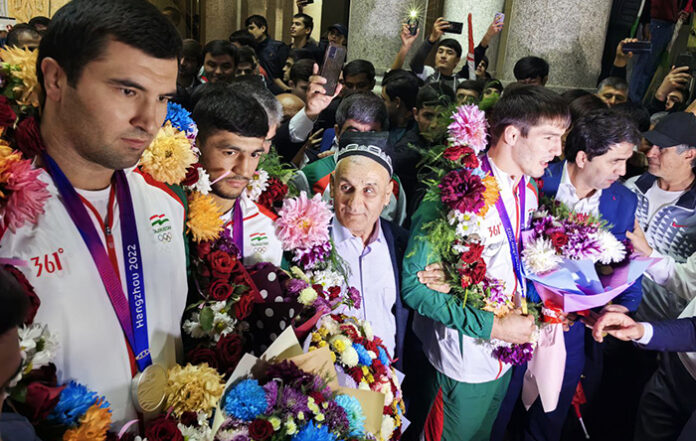
For Tajikistan, the Asian Games 2026 looks not just like another trip but a logical continuation of a successful cycle. At the last Games in Hangzhou, Tajik athletes won seven medals — two gold, one silver, and four bronze.

The champions were boxer Davlat Boltaev and judoka Somon Mahmadbekov, silver was taken by Temur Rahimov, while bronze medalists included Bekhruzi Khojazoda, Midjgon Samadov, as well as Khairandesh Murodzoda and Haknazar Nazarov. This result was one of the best for the country at the Asian Games in recent years and automatically raised the benchmark ahead of the trip to Japan.

Tajikistan will traditionally be represented in water sports, archery, athletics, boxing, kayaking and canoeing, as well as a wide range of martial arts — from judo and karate to kurash, jiu-jitsu, MMA, taekwondo, wrestling, and wushu.
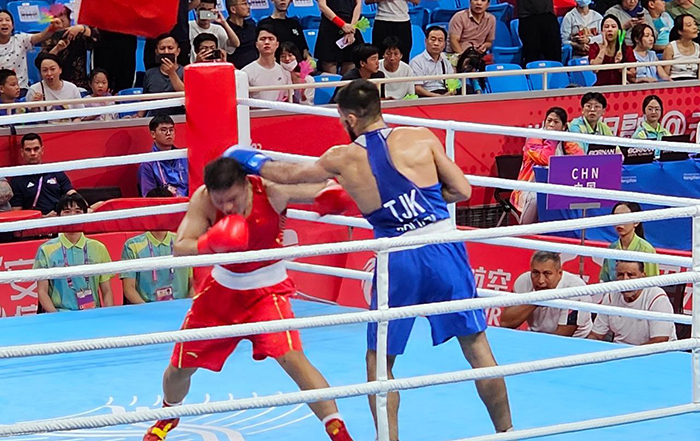
At the same time, Japan promises an Asian Games where the level of competition will be almost Olympic. Unlike many continental games, here, in the same brackets and finals, top Asian schools in boxing, judo, wrestling, taekwondo, swimming, gymnastics, shooting, and team sports will meet.

For Tajikistan, this is both a chance and a challenge: success in Nagoya will mean not just a medal at a regional tournament, but a confirmation of competitiveness at the level of all Asian sports, where the density of elite athletes is often higher than on other continents.
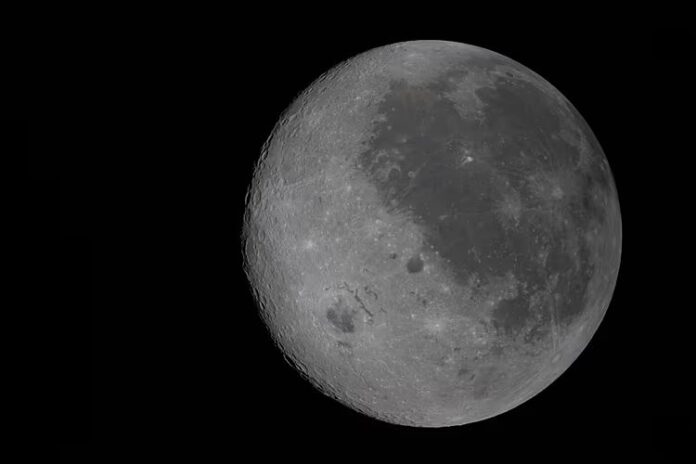

The crew of Artemis-2 completed a flyby of the Moon and set a record for the farthest distance traveled by humans in space in history

The crew of the crewed mission “Artemis-2” successfully completed a flyby of the Moon, setting a new record for the farthest distance traveled by humans in space in history, and has begun its return to Earth. This was reported by NASA, the American National Aeronautics and Space Administration.

The astronauts traveled nearly 407,000 km from Earth, breaking the record of 400,171 kilometers set by the crew of Apollo 13 56 years ago — in April 1970.

“The crew of the ‘Artemis-2’ mission has completed its lunar observation period and is now beginning the journey back home,” NASA stated.

When the astronauts were on the far side of the Moon, communication with them was lost for 40 minutes. During this time, they witnessed the transition from day to night — the sunset followed by the sunrise. The astronauts saw the Sun disappear behind the lunar horizon, writes Euronews.

After communication was restored, the crew shared their impressions, displaying strong emotions. Each of the four crew members took turns describing the lunar landscape unfolding before them.

“We were just immersed in fantasy. It looks unreal,” shared pilot Victor Glover.

“We are noticing things that I have never seen before in photographs, but that are very noticeable here: all these recent craters, they are so bright,” said astronaut Christina Koch.

Trump: “America is incredibly proud”

For more than six hours, the astronauts were engaged in observing and documenting the features of the lunar surface. This will allow for a better study of its details, which were previously known mainly from images taken by robotic devices.

Victor Glover described the “terminator” — the boundary between night and day on the Moon — in detail. “The terminator is just fantastic right now. From a lighting perspective, it is the most solid of all that I have seen,” he noted.

The mission participants also tested new spacesuits capable of providing up to six days of breathing in autonomous mode.

U.S. President Donald Trump contacted the Artemis mission crew on April 6 and congratulated them on their achievement, stating that the astronauts “made all of America proud.”

“You made history and made all of America truly proud of you, incredibly proud. We have had many reasons to be proud lately, but nothing compares to what you are doing, flying around the Moon for the first time in over half a century and breaking the absolute distance record from planet Earth,” Trump said during the communication with the spacecraft.

The “Orion” spacecraft launched on April 1 from Cape Canaveral in Florida. On board are NASA astronauts Reid Wiseman, Victor Glover, and Christina Koch, as well as Canadian Space Agency astronaut Jeremy Hansen. Their mission was to fly around Earth’s natural satellite. The crew is expected to return to Earth on April 10 with a splashdown in the waters of the Pacific Ocean.

Construction of a new electrical substation has started in Dushanbe

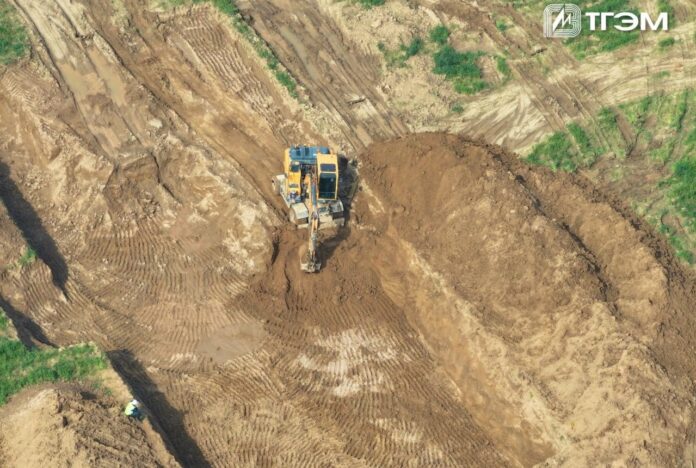
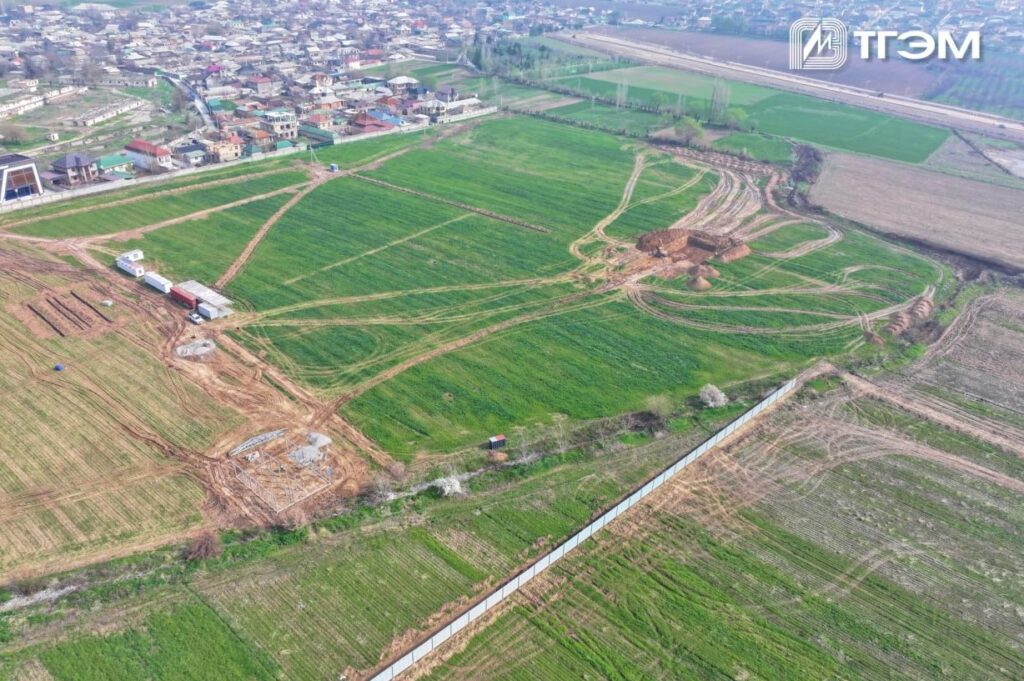
A new electrical substation “Gharbi” (“Western”) with a capacity of 220/110/10 kV has begun construction in the western part of Dushanbe. It will be located in the Juybodom neighborhood.

The project is being implemented by Tajemhydroelektromontazh (TGEM) the leading company in the country for the construction of energy infrastructure, including hydropower infrastructure. As noted in TGEM’s announcement, the new substation will enhance the reliability of electricity supply in the western part of the city and reduce the load on the existing substations “Nav” and “Daryokanor”.

The project includes the construction of a modern substation with the installation of powerful equipment, including autotransformers and voltage regulation systems. Additionally, distribution devices of various voltage levels will be created, cable lines will be laid, and relay protection and automation systems will be implemented.

Moreover, all necessary auxiliary infrastructure will be established on the site — from administrative and technical premises to backup power sources.

According to experts, the implementation of the “Gharbi” project will be an important step in modernizing Dushanbe’s energy system and will ensure a more stable electricity supply for the population, businesses, and social facilities.

Abundance without Reutilization: The Water Paradox of Tajikistan

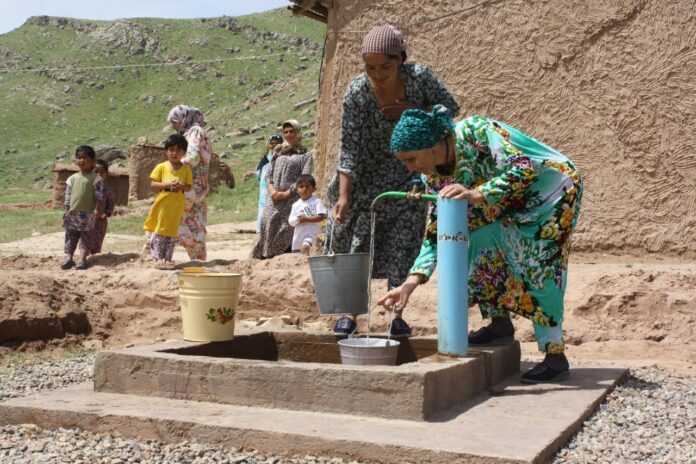
Tajikistan is one of the main sources of water in Central Asia. However, it has the lowest share of water reuse in the region. Why does a country with vast water resources almost not recycle water, and what hinders the development of reuse systems?

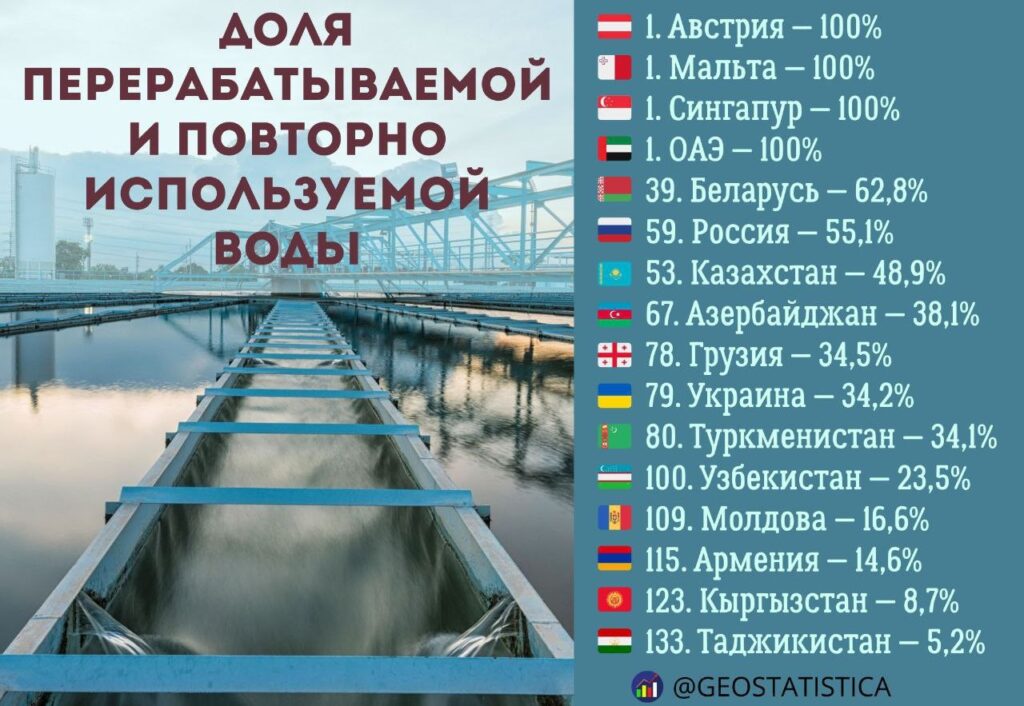
According to the Environmental Performance Index data for 2024, Tajikistan ranks among the last in the world in terms of the share of recycled and reused water — about 5.2%. However, the Ministry of Energy and Water Resources of Tajikistan claims that 8% of all return waters are reused for irrigation.

In both cases, this is the lowest indicator among Central Asian countries.

Tajikistan forms a significant part of the runoff of the largest rivers in the region. According to the country’s Ministry of Energy, over 80% of the Amu Darya’s runoff — one of the main water arteries of Central Asia — is formed within the republic. A large number of mountain rivers, glaciers, and lakes make the country one of the most water-rich states in the region.

This factor largely explains the low share of water reuse. In countries where natural water resources seem almost inexhaustible, historically less attention has been paid to reuse technologies and closed-loop water use. Unlike states with limited water supplies, such as Singapore or the countries of the Persian Gulf, Tajikistan has not faced an urgent need to implement costly water treatment and reuse systems for a long time.

Limited Infrastructure of Treatment Facilities

One of the main reasons for the low level of water recycling remains the underdeveloped infrastructure for wastewater treatment. A significant portion of existing treatment facilities was built during the Soviet era and is in need of modernization today. Many systems do not operate at full capacity or do not provide the necessary level of treatment for water reuse.

In a number of cities, treatment facilities are either outdated or require serious reconstruction. This limits the possibility of using treated wastewater in industry, municipal services, and agriculture.

Structure of Water Consumption

Another reason is the structure of water consumption. According to the National Water Strategy, agriculture remains the main water consumer in Tajikistan, primarily irrigated agriculture. Various estimates suggest that irrigation accounts for up to 85–90% of total water consumption.

In such conditions, water is more often used directly from rivers and canals rather than passing through urban drainage and treatment systems. This means that a significant portion of water does not enter the recycling and reuse system but returns to natural water bodies or is lost in irrigation networks.

Financial and Technological Constraints

The development of water reuse systems requires significant investments. Modern water treatment technologies, water quality monitoring systems, and infrastructure for distributing treated water for technical needs or agriculture are necessary.

For Tajikistan’s economy, such projects often turn out to be costly. The priorities of the state budget are traditionally focused on energy, infrastructure, and social services. As a result, projects for the modernization of treatment facilities are implemented slowly and often depend on international financial aid and donor programs.

Institutional and Regulatory Factors

An additional barrier is the underdeveloped regulatory framework for the reuse of treated wastewater. In many countries actively implementing water reuse, there are clear water quality standards for various applications — industry, agriculture, and urban greening.

In Tajikistan, such mechanisms are still in the development stage. The lack of clear standards and economic incentives reduces the interest of enterprises and municipalities in implementing water reuse systems.

Potential for Change

Despite the low current indicators, the potential for growth in Tajikistan remains significant. In recent years, projects for the implementation of decentralized wastewater treatment systems and the use of treated water for agriculture and urban services have been discussed.

The development of such technologies could become an important element of the country’s adaptation to climate change and the gradual reduction of glaciers that feed the main rivers of the region.

Tajikistan ranked among countries with low defense spending per capita

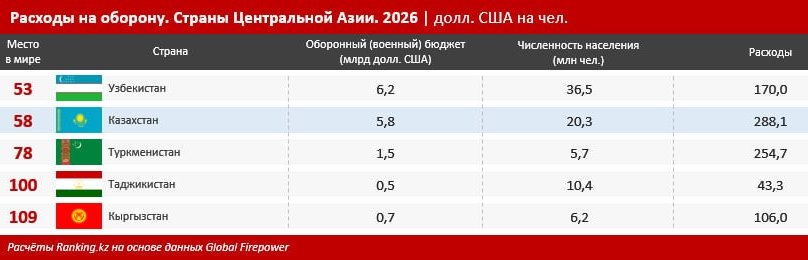
Tajikistan remains among the countries with the lowest defense spending per capita in Central Asia. According to estimates from the international analytical resource Global Firepower for 2026, this figure is around $43 per person, which is significantly lower than that of other countries in the region.

By comparison, Kazakhstan spends nearly seven times more on defense — about $288 per person. In Turkmenistan, this figure is approximately $254, in Uzbekistan it is around $170, and in Kyrgyzstan it is about $106 per person.

According to Global Firepower data, the ranking of military power of countries is formed based on more than 60 factors — from the size of the army and armaments to logistics, financial resources, and geographical conditions. The size of the defense budget is just one of the parameters and does not determine the country’s final position.

In the global military power ranking for 2026, Tajikistan ranks 100th, falling behind both leading powers and several countries in the region.

Experts from Global Firepower note that the per capita spending figure reflects not so much the level of military power as the burden on the economy and the priority of the defense sector.  

According to Global Firepower, the top ten countries by military power in 2026 include the USA, Russia, China, India, South Korea, France, Japan, the United Kingdom, Turkey, and Italy.

A resident of Kulob sentenced to 23 years for drug smuggling

The court of the Sughd region sentenced 56-year-old resident of the city of Kulob, Imomuddin Islomzoda, to 23 years in prison. The man was found guilty of committing a number of crimes, including smuggling a large shipment of drugs weighing over 100 kg.

A spokesperson for the Interior Ministry’s Office in the Sughd region, Akbar Sharifi, reported in a television program that the defendant was charged under five articles of the Criminal Code of Tajikistan. Islomzoda was found guilty of illegal trafficking of narcotic substances (Article 200), smuggling (Article 289), illegal crossing of the state border (Article 335), as well as illegal detention or arrest (Article 358) and falsification of evidence (Article 359).

Details of the specific actions of the convicted individual, the date of his arrest, and the court’s ruling are not specified in the report. There is currently no information regarding the defense’s position or the relatives of Islomzoda.

The fight against the illegal trafficking of banned substances in the republic is systematic. In particular, last month in the Shamsiddin Shohin district, law enforcement agencies detained two members of a criminal group, seizing 58 kg of hashish, opium, and heroin smuggled from Afghanistan.

According to the statistics of the Drug Control Agency of Tajikistan, last year, 5 tons and 280 kilograms of drugs were seized from illegal circulation, which is 21% higher than the figures for 2024. More than half of this volume—2 tons and 742 kilograms—was intercepted at the Tajik-Afghan border. A total of 44 criminal groups were disrupted in 2025, and 132 criminal cases were submitted to the courts involving 180 individuals.

Tajik athletes made it to the world ranking: who are the best?

Athletics remains one of the most challenging sports for Tajikistan on the international stage; however, in the World Athletics system today, there are several active Tajik athletes who are accumulating points and gradually establishing themselves in the global hierarchy.

Yes, there is still a long way to go to reach the elite level, but the foundation has already been laid — and this is an important signal ahead of the new Olympic cycle. Currently, a group of several Tajik athletes is featured in the World Athletics world ranking, competing in various disciplines — from sprinting to hurdle races and jumps.

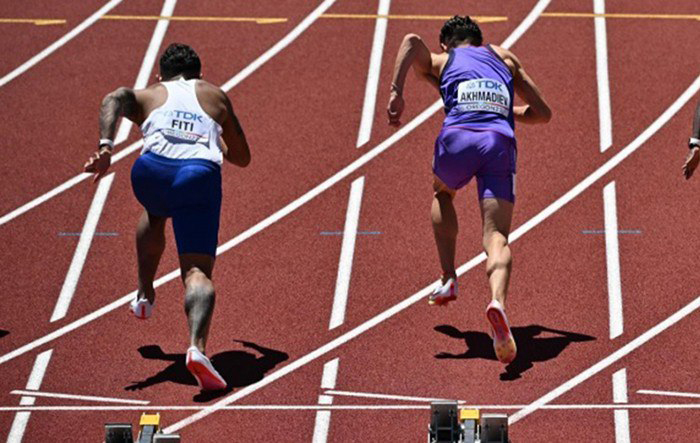
The best performance among men is currently by Ildar Akhmadiev, who has scored 1083 points. He is versatile and competes in several disciplines — the 100 and 200 meters, as well as the long jump.

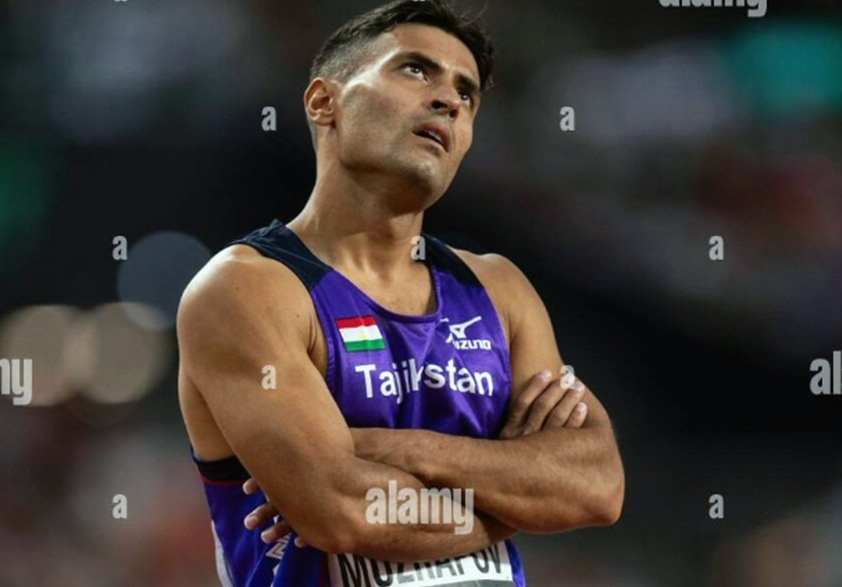
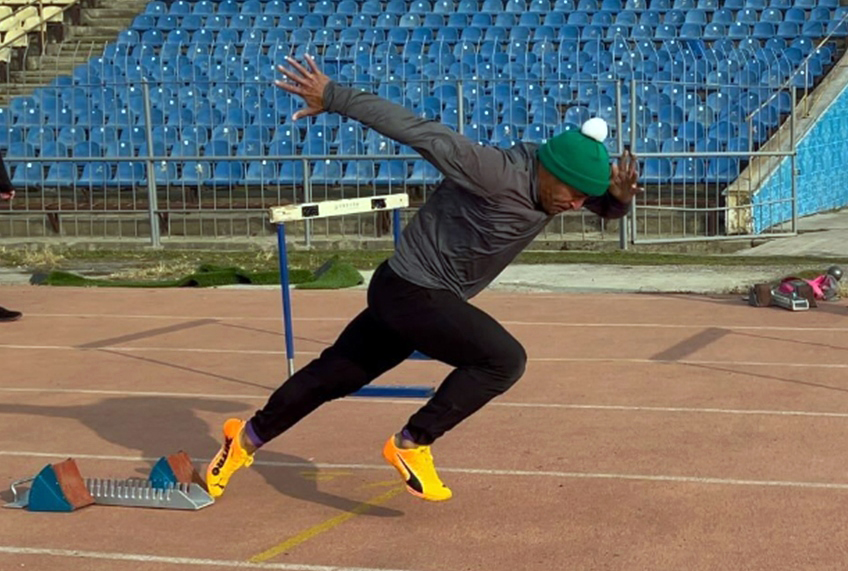
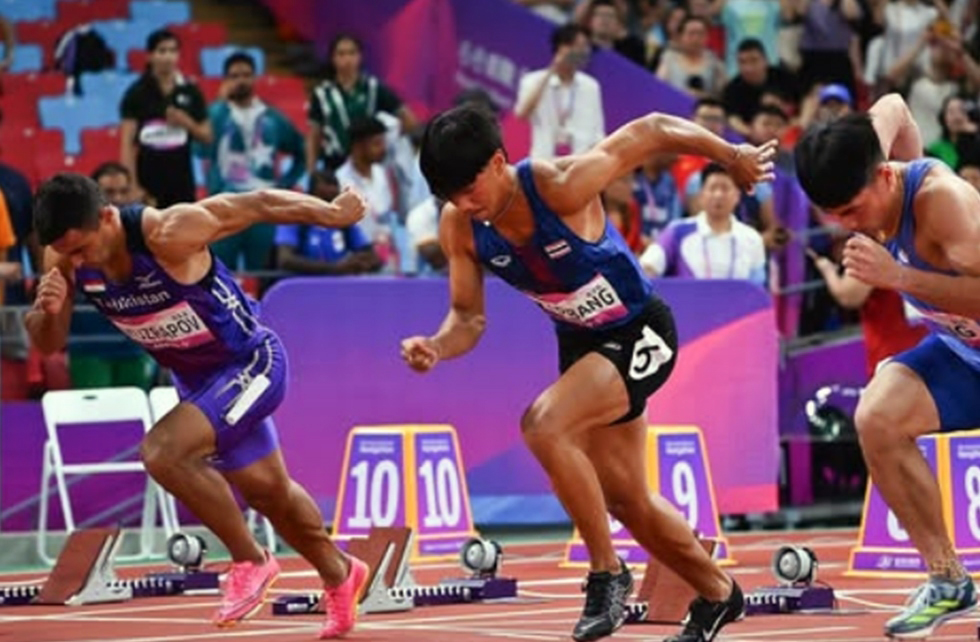
Following him closely is Favoris Muzrapov — one of the most recognizable Tajik athletes in recent years. He has 1035 points and specializes in sprinting, primarily in the 100-meter distance. Among the closest contenders is Muhammadrizo Mirzozoda, a hurdler competing in the 400-meter hurdles. His score is 1018 points.

Also in the ranking are Leonid Pronzenko (61 points), who combines sprinting and hurdle running, and Salim Saidaliev (29 points), who competes in jumping disciplines — high jump and triple jump.

Among women, the top position among Tajik athletes is held by Kristina Pronzenko with 952 points. She competes in the 400 meters and 400-meter hurdles and remains the most experienced representative of the country in the ranking.

Close to her is young Diana Abdulloeva, who has 930 points. She specializes in the 400-meter distance and is gradually establishing herself in the international system.

What do these numbers mean

It is important to understand that the points themselves are not just statistics, but a reflection of the athlete’s level. The World Athletics ranking is formed based on results, tournament levels, and performance stability. The range of 900-1100 points, in which all Tajik athletes are situated, indicates the level of regular participants in international competitions. This is no longer a local level, but it is not elite either.

By comparison, athletes in the top 100 in the world typically have more than 1200-1300 points, while finalists in the Olympic Games and World Championships score even higher.

The reasons for this situation lie not only in the level of the athletes but also in the system. Athletics requires regular participation in international tournaments where points can be scored and rankings improved. Tajikistan currently lacks a sufficient number of such events and depth in its roster. In fact, the country is represented by a small group of athletes, and any injury or drop in form immediately impacts the overall level.

Moreover, competition in athletics is much higher than in several other sports. Countries with strong infrastructure, a long history of training, and a large number of athletes dominate here.

Is there progress?

If previously Tajikistan was hardly represented in the rankings, now there are several athletes who regularly compete and maintain their presence in the World Athletics system. This means that the country is gradually building a foundation upon which further growth can be constructed.

Against the backdrop of preparation for the Olympic Games in Los Angeles, the situation appears to be mixed. On one hand, none of the Tajik athletes are currently in the direct qualification zone. On the other hand, the very ranking system provides a chance with the right strategy.

If the athletes manage to improve their results and reach at least the range of 1100-1200 points, this would bring them closer to competing for licenses.

How is the ranking calculated?

World Athletics manages the global ranking of athletes in athletics. The goal of the ranking is to identify the best athletes in each discipline as well as partially determine qualification for the World Athletics Championships and the Summer Olympics.

The ranking is based on the average of the athlete’s best results over a 12-month ranking period or an 18-month period for combined events and races at distances of 10,000 meters and more.

Each performance of an athlete is assigned a “performance score,” which consists of a “result score” and a “placement score.” The result score is based on the athlete’s best result in the final of the event and is calculated using the World Athletics scoring table. The placement score takes into account the athlete’s final position in that competition and the category of the competition, with more points awarded for placement in more prestigious and competitive events.

The number of best performances considered for obtaining ranking points depends on the sport: five performances for field events and events at distances of 1500 meters or less, three for obstacle races at 3000 meters, 5000 meters, 20-kilometer race walking, and road races (half marathon or 10 km), and two for 10,000 meters, decathlon, heptathlon, marathon, and 50-kilometer race walking.

Athletes receive additional points if they break or match a world record in their main event or a similar event: 20 points for a new record in the main event, 10 points for matching a record in the main event or a new record in a similar event, and 5 points for matching a world record in a similar event.

Additional adjustments to the performance evaluation can be made considering wind conditions and course conditions, as well as the date of the performance.

Zafar Saidzoda: “Asia-Plus is the leader of the national information space with an impeccable reputation and high standards”

The media holding “Asia-Plus” continues to receive congratulations on the occasion of its 30th anniversary.

Today we are congratulated by the former spokesperson for the President of the Republic of Tajikistan (1995-2003), Senior Adviser to the President for Foreign Policy (2008-2014), Tajikistan’s Consul General in Yekaterinburg, Russia (2019-2024), Doctor of Sciences in History, Head of the CIS Department at the Institute for the Study of Problems of Asian and European Countries of the National Academy of Sciences of Tajikistan, Zafar Saidzoda (Saidov):

“Dear friends and colleagues, please accept my sincere congratulations on the 30th anniversary of the release of the first bulletin ‘Asia-Plus’ — an event that rightfully marked the beginning of a new era in the development of independent journalism in Tajikistan.

For me, this date is filled with special meaning: our cooperation began during the most challenging period of civil confrontation, when every word required courage, accuracy, and a high sense of responsibility to society. I clearly remember the internal focus, professional integrity, and dignity with which your team took its first steps, laying the foundation for a future authoritative media resource.

Today, ‘Asia-Plus’ is a recognized leader in the national information space, a media group with an impeccable reputation, a modern work style, and high standards comparable to the best global practices.

Your team consistently demonstrates deep professionalism, promptness, and objectivity, the ability not only to timely raise sharp and significant issues but also to contribute to their constructive understanding.

I would especially like to emphasize the correctness of material presentation and the rare balance that fosters trust among a wide audience and ensures a sustainable, truly popular appeal of your information products, primarily the news agency.

From the bottom of my heart, I wish you further development, new creative achievements, and professional victories. May ‘Asia-Plus’ continue to be the authoritative voice of the times — accurate, responsible, and in demand by society, and may the accumulated experience and dedication serve as a solid foundation for future successes.”

The war against Iran has already cost three high-ranking U.S. officials their positions.

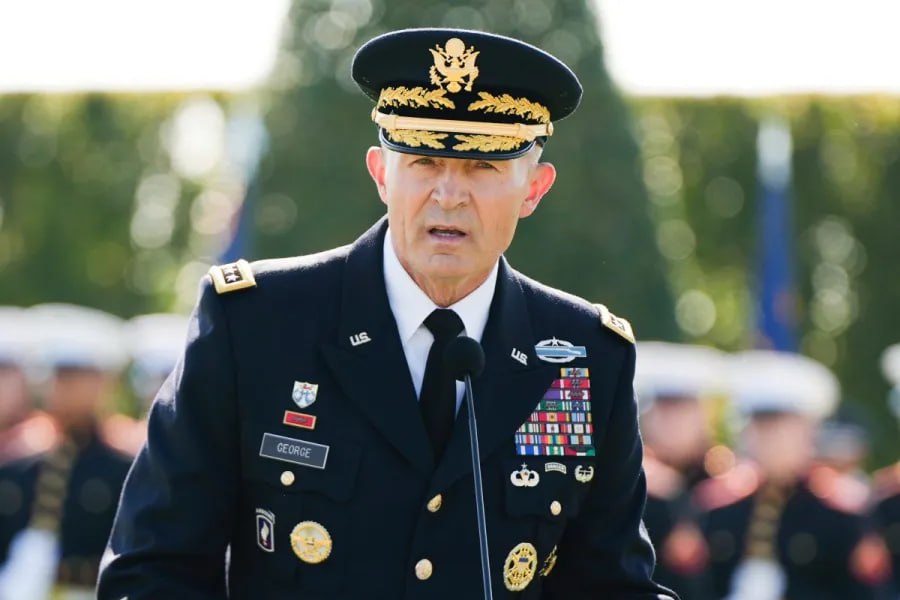
On April 2, U.S. Attorney General Pam Bondi and Chief of Staff of the U.S. Army General Randy George were dismissed.

Earlier, on March 17, Director of the National Counterterrorism Center Joe (Joseph) Kent resigned, making a public protest statement. What lies behind these dismissals?

A War That Was Supposed to End in 48 Hours

On February 28, the U.S. and Israel launched strikes on Iranian territory. Within the first 12 hours, over 900 strikes were carried out across various cities in the country.

As a result of the attacks, Iran’s Supreme Leader Ali Khamenei was killed, along with dozens of other high-ranking officials.

The head of Israeli intelligence, David Barnea, previously stated that after the strikes and the elimination of Iranian leaders, the population would take to the streets, protests would begin, and power in the country would change hands. This scenario was referred to as the “Venezuelan plan.”

However, this did not materialize. Weeks after the war began, analysts did not see serious signs of collapse within the Iranian regime.

On March 3, U.S. President Donald Trump stated that the operation was expected to last four to five weeks, but the goals of the war changed several times during this period—from regime change to the destruction of the nuclear program, from control over the Strait of Hormuz to seeking support from NATO and European countries.

Resignation of Three High-Ranking U.S. Officials

Five weeks after the war began, the U.S. faced a number of problems. Against this backdrop, three key officials left their positions.

On April 2, General Randy George, who held the position of the 41st Chief of Staff of the U.S. Army, was dismissed. He was considered one of the most experienced four-star generals in the U.S. Army.

A four-star general is the highest military rank of senior officers in the U.S. Armed Forces. This is a “full” general who holds four silver stars and commands large units, armies, or is a member of the Joint Chiefs of Staff. The rank is above lieutenant general (three stars) but below a five-star general of the army.

Interestingly, in February 2025, during a major wave of dismissals of senior military officials initiated by Defense Secretary Pete Hegseth, George managed to retain his position.

According to media reports, Hegseth demanded that the general resign immediately. Pentagon spokesman Sean Parnell confirmed this decision, stating:

“General George is immediately resigning from the position of 41st Chief of Staff of the Army.”

However, no official reason for this decision was provided.

After this, George’s deputy, General James Mingus, also resigned prematurely. Donald Trump has already proposed the candidacy of Lieutenant General Christopher LaNeve for this position.

According to NPR and CBC News, George’s dismissal occurred on the same day that Trump delivered a speech about the war with Iran and provided its interim results.

The U.S. Attorney General Also Lost Her Position

On the same day, April 2, U.S. Attorney General Pam Bondi was also dismissed—one of the key figures in the American political system and a close ally of Trump.

Before this, Bondi had served two terms as Attorney General of Florida. During Trump’s first impeachment, she acted as his personal attorney.

At the end of 2024, Trump nominated her for the position of U.S. Attorney General, and the Senate confirmed her nomination. She became one of the few women to hold this position.

During her tenure, Bondi made significant personnel changes. In particular, she fired prosecutors and investigators who were investigating the events of the January 6, 2021, Capitol Riot and cases against Trump.

Additionally, Bondi took control of two key divisions of the Department of Justice—the corruption division and the civil rights division—and in various ways removed officials involved in cases against Trump from their positions.

The Attorney General’s office under Bondi initiated criminal cases against former FBI Director James Comey and New York Attorney General Letitia James, but judges dismissed both cases, as the prosecutor who initiated them was reportedly a “supporter of Pam Bondi.”

Why Was Bondi Fired?

Trump, on his social network Truth Social, called Bondi a “great patriot of America” and announced that she was moving to the private sector, but he did not explain the reason for her dismissal.

According to media reports, the resignation could be related to the unfinished investigation into the Jeffrey Epstein case, as well as Bondi’s failure to fully meet Trump’s political demands.

Analysts also link her dismissal to the war against Iran. According to Washington Examiner, Trump wanted to get rid of an official who was creating “negative headlines” in the media.

According to CNN, he also believed that Bondi was not actively pursuing his political opponents.

Currently, the duties of Attorney General are being temporarily fulfilled by Todd Blanche—a former attorney for Donald Trump.

Joe Kent—The Only Official to Publicly Oppose the War

Earlier, the Director of the National Counterterrorism Center Joe Kent resigned in protest against the U.S. war with Iran. He became the only high-ranking U.S. official to openly oppose the conflict. On March 17, he wrote on his X (Twitter) page:

“I cannot in good conscience support the current war with Iran.”

According to him, Iran did not pose an immediate threat to the U.S., and the war began under pressure from Israel and its powerful lobby in America.

Kent also reminded that he had participated in combat operations 11 times, and his wife, Shannon Kent, was killed in 2019 in a terrorist attack in Syria while fighting against ISIS.

According to him, he cannot support sending a new generation of Americans to war that, in his opinion, does not benefit the American people.

Iran Suffered Heavy Losses, But the Regime Holds Firm

Iran has lost many high-ranking leaders during the month-long war.

Among the dead are the Supreme Leader of the country Ali Khamenei, Defense Minister Aziz Nasirzadeh, commander of the Islamic Revolutionary Guard Corps Mohammad Pakpour, Secretary of the Defense Council Ali Shamkhani, Secretary of the Supreme National Security Council Ali Larijani, Minister of Intelligence Ismail Khattib, and several other high-ranking officials.

Nevertheless, despite the serious losses, the political system of the country remains resilient for now.

Trump stated that he is ready to destroy Iran in one night, which “could happen as soon as tomorrow.”

U.S. President Donald Trump stated on April 6 that Iran could be destroyed in one night, and suggested that “that night could be tomorrow”, Euronews reports.

The U.S. has a plan “in minute detail,” according to which all bridges and power plants in Iran could be destroyed if Tehran does not agree to a deal, he said at a press conference at the White House. Trump stated that the U.S. president has given Iran an ultimatum that expires at 8:00 PM on Tuesday, April 7, Eastern Time (midnight Greenwich Mean Time, 3 AM April 8 Moscow time), BBC writes.

“By midnight tomorrow, every bridge in Iran will be completely destroyed, and every power plant will be out of service — they will burn, explode, and never be used again. This could happen within four hours if we want it to. But we don’t want that to happen,” said the head of the White House.

At the same time, the U.S. president stated that he does not consider the destruction of civilian infrastructure in Iran a war crime and is “not concerned at all” about such accusations.

These statements from the American leader triggered an immediate reaction both within the U.S. and beyond, as they concern not military targets but civilian infrastructure on which the lives of millions depend.

As AP notes, experts in international humanitarian law warn that strikes on power plants, bridges, and other critical infrastructure without proven direct military necessity may fall under the prohibition of attacks on civilian objects.

The Guardian also reports that Trump’s critics — from lawyers to opposition politicians — interpreted these words as a public justification for potentially illegal actions.

Trump also made a resonant statement about public sentiment in Iran itself. He claims that the American side supposedly has messages from the Iranians themselves, calling for continued strikes. “They are willing to endure this for freedom,” he stated.

According to Trump, regime change in Iran has already occurred. “But we did not do this for regime change,” he added.

“The biggest strike will be delivered against Iran”

At the press conference, alongside Trump were Defense Secretary Pete Hegseth, Chairman of the Joint Chiefs of Staff Dan Cain, and CIA Director John Ratcliffe.

In his speech, Hegseth indicated that combat operations will only intensify. According to him, the intensity of strikes has already reached its peak since the beginning of the operation and will continue to grow.

“Today, the largest volume of strikes will be delivered since the very first day. And tomorrow — even more than today,” said the head of the Pentagon.

Trump himself noted that, despite the escalation, Iran continues to participate in negotiations. According to him, Tehran remains “an active and interested participant” in a possible settlement.

“I cannot talk about a ceasefire, but I can tell you that we have an active and interested participant on the other side. They would like to reach an agreement. I cannot say more,” Trump said, adding that “we need a deal that will be acceptable to me, and one of its conditions will be ensuring the free flow of oil and everything else,” referring to the opening of the Strait of Hormuz.

Read all news about the war in the Middle East in our story.