A group of students from secondary school No. 56 organized dangerous car rides during the celebration of Navruz. As reported by the city police department, “for their entertainment, the students rented several cars.”
“During the ride, the detainees leaned out of the car windows, performing reckless driving and creating emergency situations. As a result, 15 minors were taken to the police station along with their parents. Administrative protocols were drawn up against the parents under Article 90 of the Administrative Code of the Republic of Tajikistan. In addition, 5 drivers who knowingly violated traffic rules were held accountable — they were fined,” the statement said.
Several days earlier, the capital’s police reported a similar incident involving teenagers. In the previous case, according to the police department of Dushanbe, a group of students from gymnasium No. 4 rented expensive cars to celebrate Navruz. While moving through the streets of the capital, the minors grossly violated traffic rules and public order, leaned out of car windows, and created dangerous situations.
During the inspection, employees of the department for preventing offenses among minors and youth brought the cars along with the drivers and teenagers to the police station.
Administrative protocols were also drawn up against the parents of nine minors under Article 90 of the Administrative Code of the Republic of Tajikistan, and preventive talks were held with them, while 5 drivers were held accountable.
The capital’s police once again urged citizens, especially parents, to pay proper attention to the upbringing and supervision of minors.
Convicted to life imprisonment in the case of the terrorist attack at “Krokus City Hall,” Yakubdzhoni (Yokubjon) Yusufzodacommitted suicide, Russian media reports citing the Main Directorate of the Federal Penitentiary Service for Moscow.
“On April 6, an inmate sentenced to life imprisonment was found lifeless in the isolation cell of SIZO-1, having committed suicide. A medical worker from the institution arrived at the scene immediately and resuscitation efforts were made, but they were unsuccessful,” the agency’s statement says.
According to the Main Directorate of the Federal Penitentiary Service, the incident was discovered through surveillance cameras. The agency has initiated an investigation into the incident.
37-year-old Yakubdzhoni Davlatkhon Yusufzoda was sentenced to life imprisonment to be served in a high-security prison. He was found guilty, among other things, of transferring money for housing to one of the attackers just days before the assault, and making another money transfer after the attack.
As previously reported by RIA Novosti, Yusufzoda attempted to flee Russia the day after the attack but was apprehended at Vnukovo Airport. At the trial, he claimed he was unaware that he was transferring money from his bank card to terrorists.
Who else was convicted in the “Krokus” case?
Recall that on March 12 of this year, the Second Western Military District Court issued a verdict against 19 defendants in the case of the terrorist attack at “Krokus City Hall,” 15 of whom received life sentences.
Four Tajiks — Fariduni Shamsidin, Dalerjon Mirzoev, Muhammadsobir Faizov, and Saidakram Rajabali-zoda — were recognized by the court as direct perpetrators of the attack.
The other 15 convicted individuals were found to be accomplices of the attackers. Two — Khusen Medov and Jabrail Aushev from Ingushetia — were accused of preparing the firearms that were later used in the attack on “Krokus.”
Five others — Shahromjon Gadoev, Zubaidullo Ismoilov, Khusein Hamidov, and brothers Umedjon and Mustakim Soliev — delivered weapons and ammunition to the attackers.
Another four — Yakubdzhoni Davlatkhon Yusufzoda, Nazrimad Lutfulloi, Jumakhon Kurbonov, and Muhammad Zoir Sharipzoda — transferred money for the preparation of the terrorist act. All the aforementioned individuals were sentenced to life imprisonment.
Another defendant — Alisher Kasimov — received 22 and a half years in prison. The other three — brothers Dilovar and Aminjon Islamov and their father Isroil — were sentenced to 19 years and 11 months in prison each. Alisher Kasimov provided housing for the main perpetrators, while the Islamov family sold them a “Renault” car, which they attempted to use to escape after the attack on the concert hall.
The terrorist attack at “Krokus City Hall” in Krasnogorsk, Moscow Region, occurred on March 22, 2024, before a concert by the band “Piknik.” Armed individuals stormed the building, opened fire, and set the concert hall on fire. As a result, 149 people died, and more than 550 were injured.
The group “Islamic State — Khorasan Province” claimed responsibility for the attack on “Krokus,” calling it an “act of retribution” against the “infidels.”
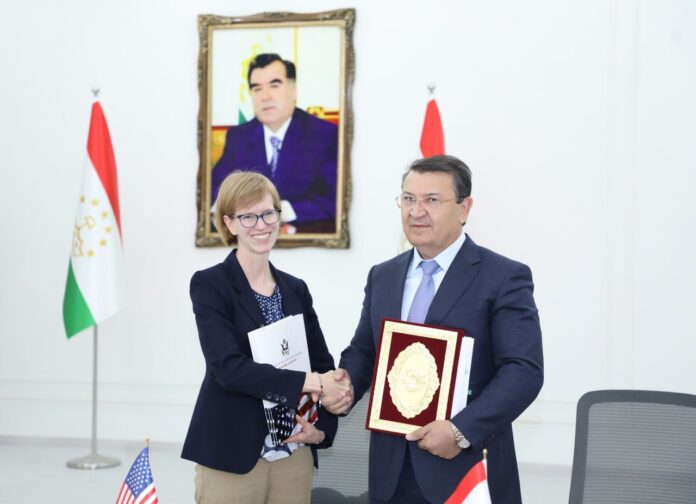
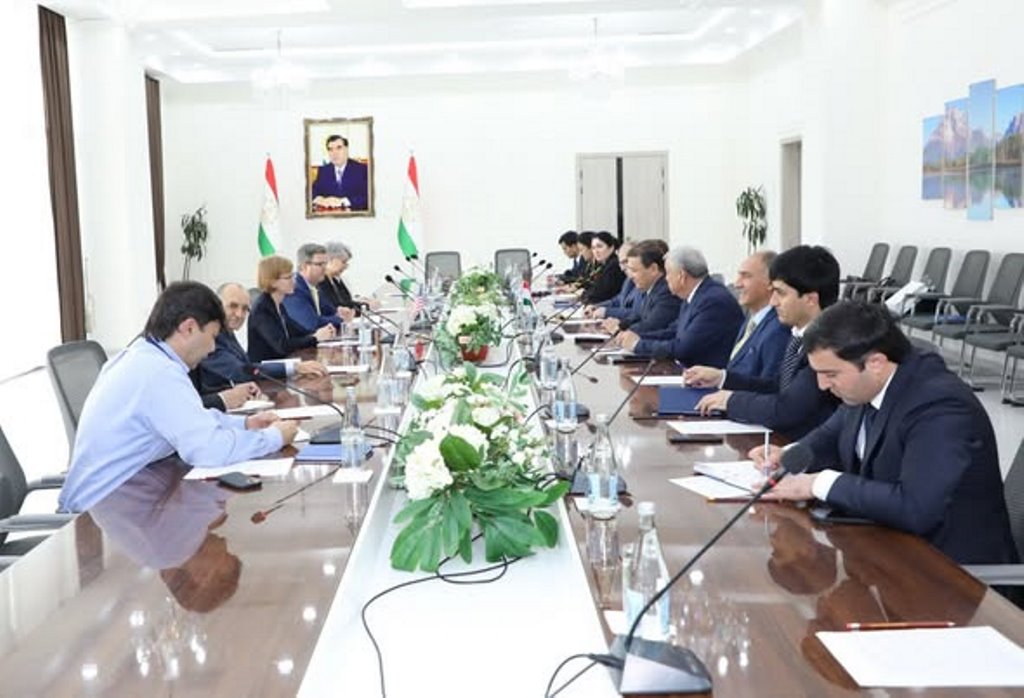
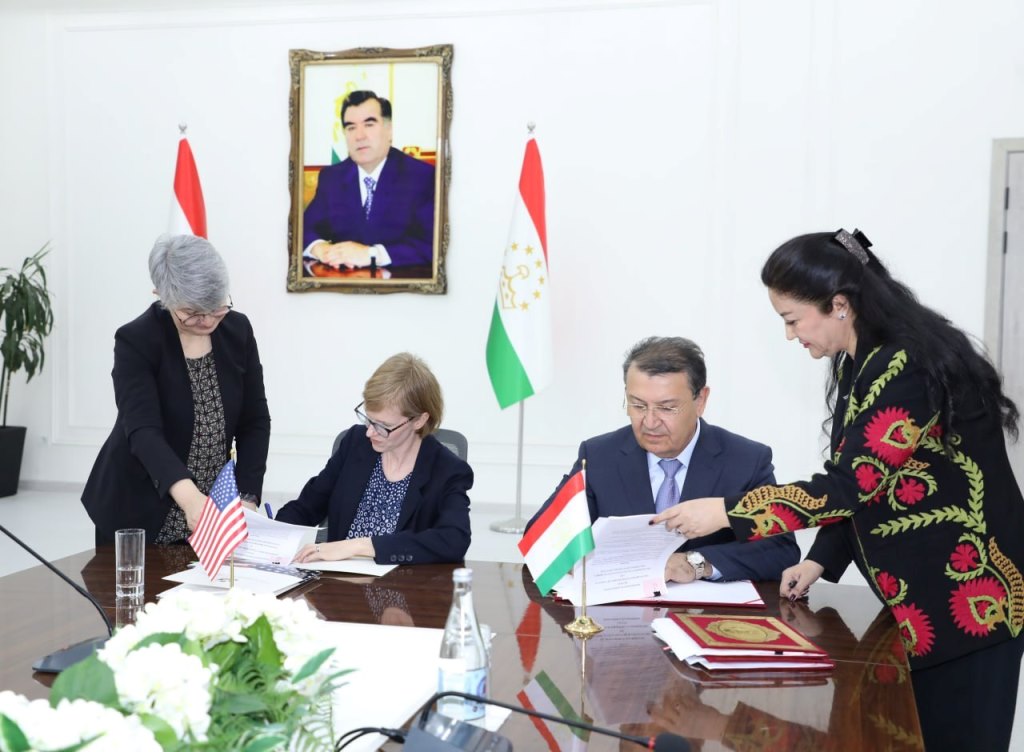
A memorandum of cooperation between Tajikistan and the United States in the field of healthcare has been signed in Dushanbe for a period of 5 years. The total amount of joint investments until 2030 will be approximately 78 million dollars, the Ministry of Health of the country reports.
The document was signed on April 6 during a meeting between the Minister of Health of Tajikistan, Jamolidin Abdullozoda, and the Chargé d’Affaires of the United States, Relits Roker.
The agreement provides for support in key areas of healthcare, including the fight against HIV and tuberculosis, as well as strengthening the infectious disease response system.
As part of the cooperation, the parties plan to develop disease detection and monitoring systems, modernize laboratories, information systems, and coordination mechanisms. Special attention will also be paid to strengthening the human resources capacity of the sector and implementing digital technologies in healthcare services.
It is reported that the United States intends to provide financial and technical assistance for the implementation of joint priorities in coordination with the government of Tajikistan.
Tajikistan transitions to self-sufficiency in HIV medications
It should be noted that earlier the Republican Center for the Prevention and Control of HIV/AIDS reported that there was no shortage of medications for the treatment of HIV in Tajikistan, despite the completion and reduction of several international aid programs. The provision of essential medical services and medications for people living with HIV continued in full.
In 2025, the new administration of the White House took a course towards reducing international aid. In particular, U.S. President Donald Trump decided to suspend over 90% of foreign aid programs through the U.S. Agency for International Development (USAID), which coordinated overseas civilian assistance. As a result, initiatives for HIV prevention were also at risk.
The center also noted that until the end of 2024, the purchase of medications for the treatment of HIV was fully financed by the Global Fund. However, starting in 2025, the republic began to involve the state budget in the procurement of antiretroviral drugs. Thus, already in 2025, medications were purchased for patients living with HIV using budget funds.
In addition, other expenses related to prevention, diagnosis, treatment, and social support for people with HIV were also covered by the state budget. These included the purchase of diagnostic tests, medications for the treatment of opportunistic infections, provision of milk formulas for children, and payment of government benefits to children living with HIV.
Tajikistan has also made a strategic decision to gradually transition to self-sufficiency in the procurement of medications for the treatment of HIV. The state planned to increase funding by 10-20% annually, and this process was initiated last year.
The center then noted that within the framework of the ongoing Global Fund grant, treatment for viral hepatitis C among people living with HIV was planned. Starting in March of this year, the country plans to begin treatment for 1,000 patients with co-infection of HIV and hepatitis C.
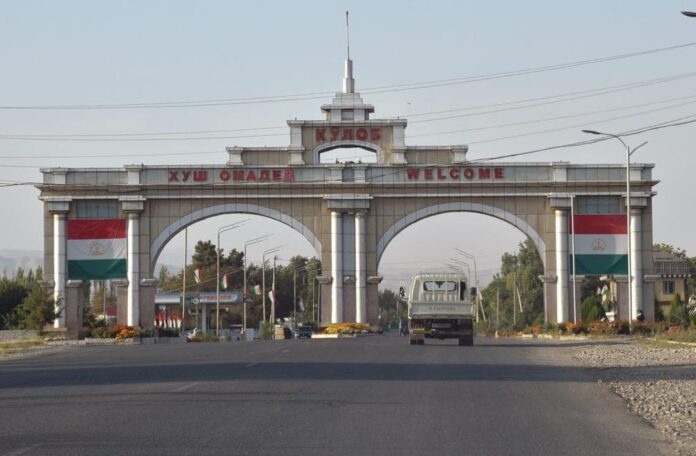
The Kulob city prosecutor’s office has opened a criminal case against Vali Safarali, the husband of 28-year-old Zuhro Kurbonova, who was murdered on the night of April 1 to 2 along with her 20-year-old sister Tahmina Shohmakhmad and their 6-year-old nephew.
A source in the city prosecutor’s office informed “Asia-Plus” about the details of the murder and the progress of the investigation. According to him, 32-year-old Vali Safarali, a resident of the village of Nazarboy, in the Chagham rural community of the Shamsiddin Shohin district, worked at a flour sales point at the “Faravon” market in Dushanbe.
According to the source, the suspect regularly quarreled with his wife, Zuhro Kurbonova, and after another conflict in December of last year, his wife left with their two children to her parents’ house in Kulob. Vali Safarali “was unhappy with his wife’s behavior and plotted to take Zuhro Kurbonova’s life, planning the murder.”
The prosecutor’s office reported that the suspect arrived in Kulob on April 1, bought a knife in the city center, and appeared at his wife’s parents’ house at night.
“At 2 a.m. on April 2, he secretly entered the yard and inflicted 5 stab wounds to the chest and abdomen of his wife’s sister, Tahmina Shohmakhmad. She was pregnant and was at her parents’ house preparing to give birth. At the same time, he stabbed his wife’s 6-year-old nephew, Abubakr Kurbonov, twice in the chest, who was sleeping next to Tahmina. Then the suspect inflicted 4 stab wounds to the chest and other parts of Zuhro Kurbonova, who was sleeping in the next room with her two children and woke up from her sister’s screams,” the statement from the Kulob city prosecutor’s office said.
Vali Safarali did not harm his two children, who were sleeping in the room. The motive for the murder of Tahmina Shohmakhmad and 6-year-old Abubakr remains unclear.
According to the source, Zuhra and Tahmina died at the scene, while Abubakr died in the Kulob regional clinical hospital. Abubakr Kurbonov is the son of Fatima Kurbonova, another sister of the murdered women, who was working in labor migration in Russia at the time of the incident.
The source reported that on April 2 at 10:15, the authorities detained the suspect Vali Safarali in the Sino district of Dushanbe and brought him to the Kulob prosecutor’s office. A criminal case has been opened against the suspect on charges of murder (Article 104, Part 2, Subparagraphs “a, c, g, e, l” of the Criminal Code of the Republic of Tajikistan), and the investigation is ongoing. Under this article, Safarali faces from 15 years to life imprisonment.
The opinions of the suspect and the relatives of the deceased regarding the incident are unknown.
The Kulob prosecutor’s office reported that during the investigation, a “household knife with traces resembling blood and other physical evidence, including the bloodied clothing of Vali Safarali, were found and sent for examination.” The victim Sh. Kurbonov and other witnesses of the incident have also been interrogated. The agency is conducting an investigation into the incident.
Not the first mass murder
The murder of two women and a small child was first reported by Radio Ozodi, citing its own sources. The crime has sparked widespread public reaction on social media. All three were buried on April 2.
This is not the first murder in a family in Tajikistan in recent years that has caused widespread media resonance and concern. In particular, the high-profile murder of a mother and her three minor children in the village of Daryobod in the Rudaki district, which occurred on the night of September 5 to 6 last year, caused fear and panic among the residents of that village. As a result of the murder, 44-year-old mother Shaklo Nazarova, as well as 17-year-old Habiba, 15-year-old Hamida, and 12-year-old Sharif were killed.
Additionally, in Kanibadam throughout 2024, there were serial murders, with a total of 23 members of 7 families killed. These crimes have frightened not only the residents of the city but also the entire population of Tajikistan.
The authorities have stated that the motive for all of the mentioned murders was robbery and theft of property, and that “the sole aim of the criminals was to obtain money.” All individuals involved in these crimes have been sentenced to life imprisonment.
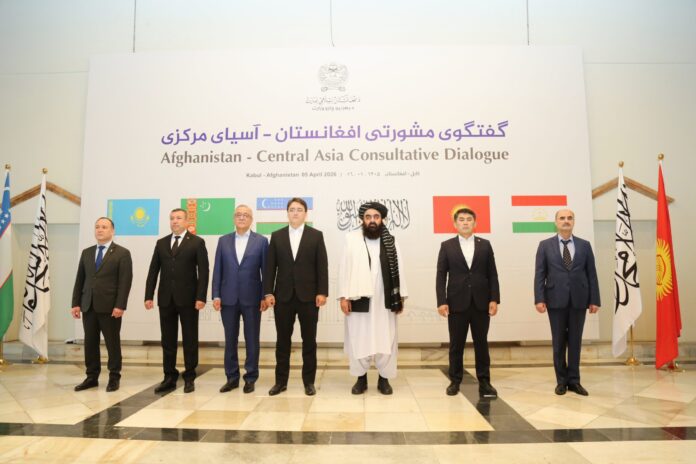
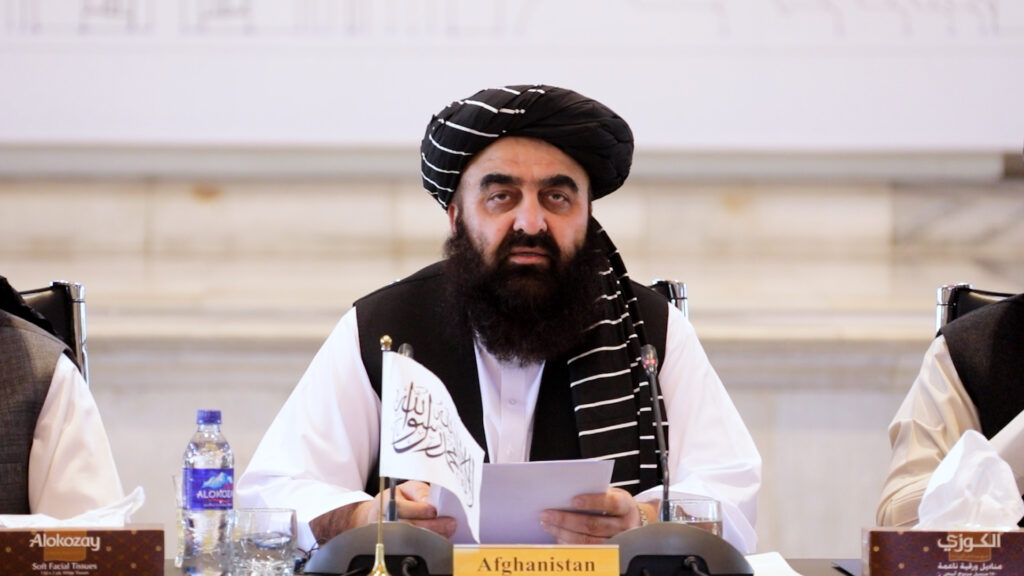
The Ambassador of Tajikistan to Afghanistan, Said Sharifi, while speaking at a meeting in Kabul on April 5, indirectly thanked the security forces of the Taliban movement for ensuring security at the Tajik-Afghan border. This was reported by BBC citing the Ministry of Foreign Affairs of the Taliban government.
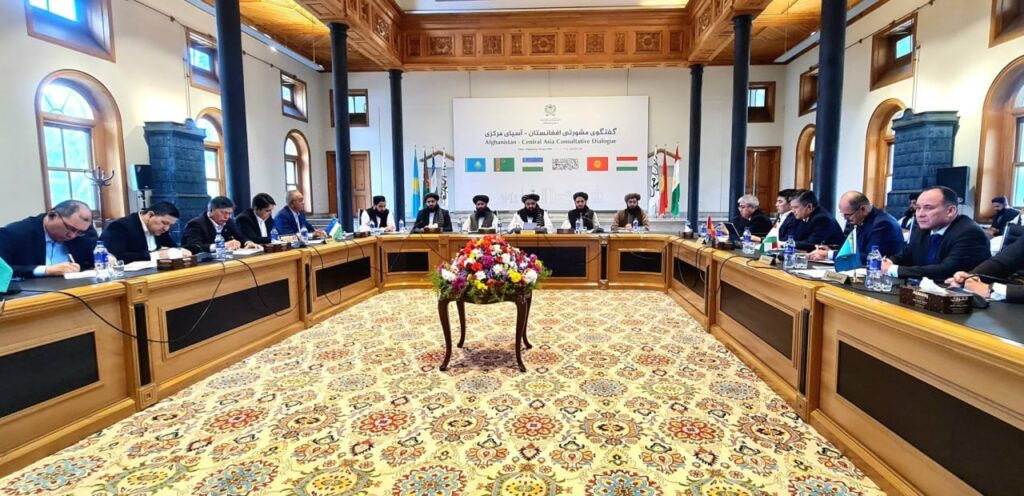
In the “Consultative Dialogue of Afghanistan and Central Asia” — the first forum of its kind since 2021, initiated by Kabul — diplomats from Tajikistan, Uzbekistan, Kyrgyzstan, Turkmenistan, and Kazakhstan participated.
Citing data from the Afghan Ministry of Foreign Affairs, BBC wrote that the Tajik ambassador “considers security in Afghanistan one of the priorities of his country’s foreign policy.”
The official authorities of Tajikistan have not yet commented on these statements.
The Afghan Ministry of Foreign Affairs stated that the purpose of the meeting is to strengthen political dialogue and diplomatic coordination, as well as to seek new cooperation opportunities in the areas of economy, transport, and regional integration.
The head of the Afghan Ministry of Foreign Affairs, Amir Khan Muttaki, expressed hope that as a result of the meeting, a “roadmap” for comprehensive cooperation between Afghanistan and Central Asian countries in the political, economic, security, and environmental spheres will be developed.
According to him, by 2025, the volume of trade between Afghanistan and Central Asian countries is expected to reach 2.7 billion dollars, and in the coming years, the parties aim to increase it to 10 billion dollars.
Muttaki also noted the common challenges for the region — security threats, drug trafficking, illegal migration, and climate change — and called on countries to work together to address them.
He emphasized that Afghanistan shares a common border with Tajikistan, Uzbekistan, and Turkmenistan, which stretches 2329 kilometers, and cooperation to enhance security and border management will continue.
The meeting also discussed major regional projects, including TAPI, CASA-1000, and “Afghan-Trans”.
Afghan authorities reported that 25 kilometers of the pipeline have already been laid as part of the construction of the TAPI gas pipeline between Herat and Turkmenistan, and another 120 kilometers are fully prepared to begin construction work.
The Ambassador of Turkmenistanto Afghanistan, Khoja Avezov, stated that the level of security in Afghanistan has allowed the implementation of major projects to approach the final stage. According to him, they could be completed by the end of 2026, which is expected to turn Herat into a major industrial center directly connected to Turkmenistan’s resources, reports ORIENT.
Cooperation to strengthen the banks and update border markers on the Amu Darya River was also discussed. Previously, uncertainty on the banks of the Panj River, which runs along the border of Tajikistan and Afghanistan, had caused incidents between Tajik border guards and representatives of the Taliban.
During the meeting, the parties emphasized the need to resolve the conflict between Afghanistan and Pakistan through negotiations. It was noted that discussions were taking place against the backdrop of negotiations between Taliban representatives and Pakistan in Urumqi.
Since the Taliban returned to power in Afghanistan in 2021, they have actively sought to establish relations with Central Asian countries. However, Tajikistan remains the only country in the region that officially states it does not support direct relations with the movement.
At the same time, reports of bilateral meetings and consultations have been increasingly frequent lately, which may indicate a gradual softening of Dushanbe’s policy towards the Taliban.
Nevertheless, several attacks on Tajikistan have occurred from Afghan territory at the end of last year and the beginning of this year, resulting in several deaths, including Chinese citizens.
Taliban authorities have stated that they are not involved in these attacks and that groups attempting to worsen relations between the two countries are responsible. Dushanbe, for its part, has repeatedly called on the Afghan side to detain those responsible and ensure security along the common border.
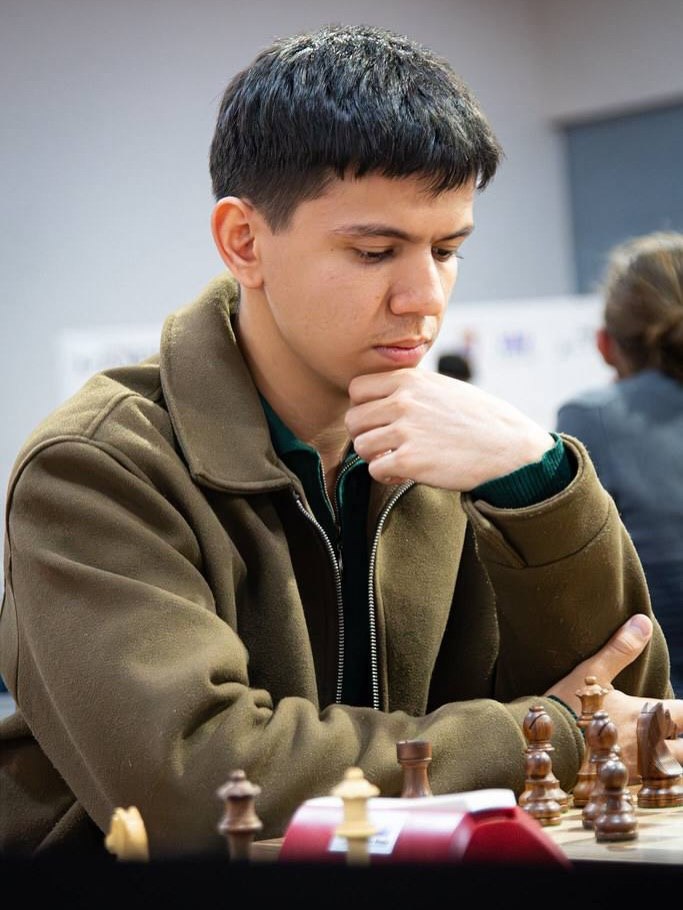
Tajik chess player Mehiddin Sharifov had a successful performance at the international tournament Open Chess La Roda 2026 in Spain, achieving his first international master norm and entering the list of prize winners.
From March 31 to April 5, 2026, a major international chess tournament took place in the Spanish city of La Roda, featuring 212 chess players from 21 countries, including 9 grandmasters and 17 international masters.
“Representatives of Tajikistan demonstrated confident and competitive play, confirming the high level of the national chess school,” noted the Chess Federation of Tajikistan.
The best result among Tajik participants was shown by FIDE master Mehiddin Sharifov. He scored 7 points out of 9 possible (6 wins, 2 draws, and 1 loss), demonstrated a performance rating of about 2550, and achieved his first international master (IM) norm.
In the final standings, Sharifov placed 8th, losing on tiebreaks, and significantly improved his rating by 62.6 points.
International master Jaloliddin Ilkhomi also performed confidently, finishing the tournament undefeated. He scored 6.5 points (4 wins and 5 draws) and took 14th place, increasing his rating by more than 23 points and approaching grandmaster level.
Other members of the Tajik team also showed good results. Amin Kabilov scored 6 points (6 wins and 3 losses), finishing in 31st place, with a rating change of −1.4 points. Alisher Karimov, with 5.5 points (5 wins, 1 draw, and 3 losses), ranked 41st, losing 4.2 rating points.
The Chess Federation of Tajikistan emphasized that the performance of Tajik chess players in La Roda further confirmed the sustainable development of chess in the country. The results achieved reflect the systematic training of athletes, accumulated international experience, and the effective work of coaches.
The tournament was officially registered for the FIDE rating and allowed for the possibility of achieving international norms. The total prize fund was 20,000 euros, which served as additional motivation for the participants.
Open Chess La Roda is traditionally considered one of the prestigious open chess platforms in Europe, attracting the strongest players from around the world.
Cloudwards analysts have updated the global internet freedom ranking. According to the research, among the Central Asian countries, Tajikistan received the highest score. The worst result in the region was demonstrated by Turkmenistan.
Experts evaluated the countries based on four key parameters: the availability of torrent services, the ability to visit adult content websites, freedom of expression on social media and other internet platforms, as well as the presence or absence of VPN blocks, reports Fergana.
Each country was assigned a final score on a scale from 0 to 100: the higher the score, the freer users feel on the internet.
Tajikistan emerged as the leader among Central Asian countries, scoring 56 points. The Republic is positioned roughly in the middle of the overall ranking — for comparison: the United States received 64 points.
Kyrgyzstan lagged slightly behind: the level of internet freedom here is rated at 52 points. The United Kingdom achieved the same result.
The other countries in the region ranked significantly lower. Kazakhstan received 36 points, while Uzbekistan scored 24. The same score was assigned to Afghanistan by the experts.
The lowest score among Central Asian countries is held by Turkmenistan — 16 points. The ranking authors note that countries with scores below 20 are typically characterized by significant internet censorship and restrictions on access to certain social networks and websites.
The absolute outsider of the global list is North Korea, which received 0 points.
Just above are Russia, Iran, China, and Pakistan — each of these countries scored 4 points. According to the study, there is no full access to any of the criteria here, and blocks on platforms such as X, Facebook, and YouTube are widespread.
At the same time, no country in the world received the maximum of 100 points. The leaders of the ranking are 11 countries with a score of 92. Most of them are European countries: Belgium, Denmark, Finland, Iceland, Liechtenstein, Norway, and Slovakia. Also at the top of the list are New Zealand, Costa Rica, Suriname, and East Timor.
The authors of the research emphasize that reasonable internet regulation can be beneficial — for example, to combat hate speech, protect vulnerable groups, and counter the spread of misinformation or dangerous content. However, they argue that in a number of countries, such measures turn into excessive censorship.
In countries with strict restrictions, users are effectively deprived of freedom online, which seriously affects their rights and freedom of expression.
In some cases, citizens even risk facing penalties from the authorities — up to arrests and imprisonment — merely for publications or statements made online.
In 2026, the authorities of Tajikistan expect to maintain high economic growth through investments, energy, gold exports, and remittances from migrants, despite warnings about external risks and potential slowdowns.
The main focus of the latest address by President Emomali Rahmon to the Parliament of Tajikistan was the continuation of sustainable economic growth and the achievement of a new level of prosperity for citizens.
The President noted that over the past ten years, the country’s GDP has increased 3.4 times, with an average annual growth rate of 7.6%, and in 2025 the economy grew by 8.4%.
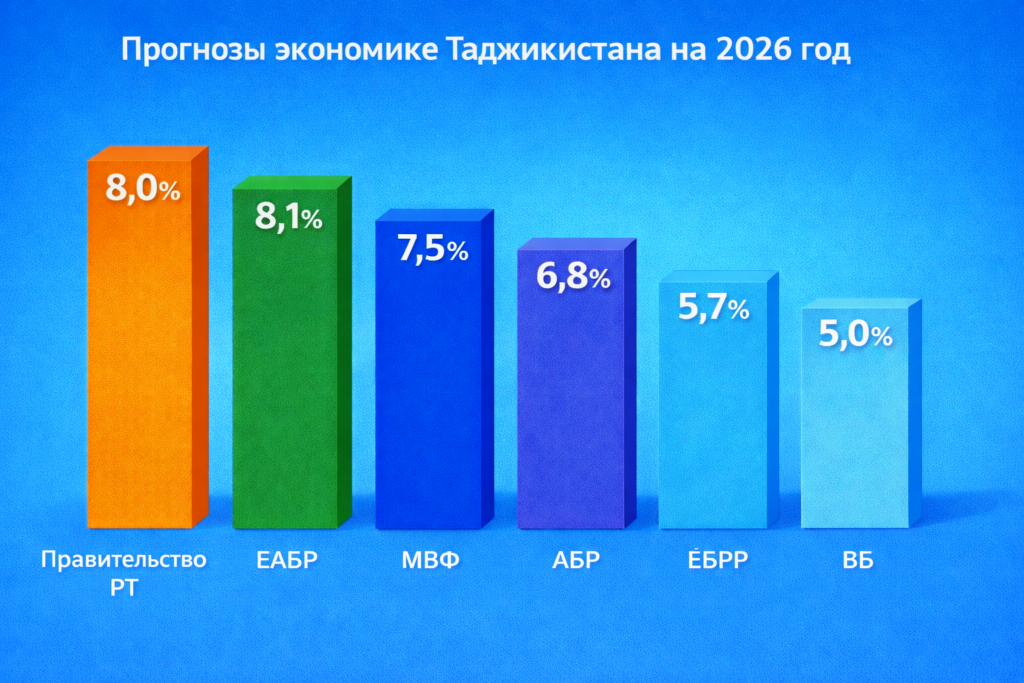
For 2026, an ambitious goal has been set to maintain growth at no less than 8%, which indicates the intention to continue the strategic course towards strengthening economic resilience.
Through Investments and Innovative Solutions
The key areas of the economic strategy for 2026 outlined by the President of Tajikistan include industrialization, attracting foreign investments, developing energy and infrastructure, as well as implementing digitalization and artificial intelligence technologies. All these directions aim to expand the production base, modernize infrastructure, and enhance the technological readiness of the economy.
Emomali Rahmon emphasized the importance of supporting the private sector and stimulating export-oriented production. These two factors should become the main drivers of economic growth in the country, helping to ensure resilience and mitigate external economic shocks, such as fluctuations in commodity prices or changes in migration policy.
Partners’ Forecasts
The Eurasian Development Bank (EDB) supports the optimism of the country’s leadership, forecasting Tajikistan’s economic growth at 8.1% in 2026, the same as in the previous year.
According to EDB analysts, the key growth factors are energy, manufacturing, precious metal exports, and stable remittances from labor migrants.
However, despite high growth rates, the EDB forecast notes dependence on external factors, such as commodity prices and the stability of migration flows. Experts from this organization recommend diversifying the economy to reduce its vulnerability to external fluctuations.
The World Bank (WB) in its forecast for the coming years warns of a slowdown in growth to 5% in 2026, which, according to the economists of this organization, is closer to the country’s potential level. The slowdown is linked to the normalization of remittance volumes, which are an important source of consumption growth in Tajikistan.
Despite this, WB analysts expect that support for the economy will come from the services sector and gold exports, while inflation remains within target ranges.
The Asian Development Bank (ADB) also predicts a moderate slowdown in Tajikistan’s economic growth. ADB forecasts for 2026 suggest growth at 6.8%, attributed to a decrease in remittances and a slowdown in domestic demand.
At the same time, economists note that construction, mining, and exports remain the main drivers of growth, although additional diversification is required.
The International Monetary Fund (IMF) notes the “impressive growth” of Tajikistan’s economy in recent years, but emphasizes the need for structural reforms to maintain growth resilience in the long term. In particular, the Fund highlights the importance of diversifying the economy, improving social infrastructure, and raising living standards.
The projected growth for 2026 is about 7.5%, which places Tajikistan among the leaders in economic growth in Central Asia.
The European Bank for Reconstruction and Development(EBRD) expects Tajikistan’s economy to grow at 5.7% in 2026. This growth will be supported by high gold prices, continued investments in infrastructure, and stable remittances.
Despite positive trends, the risk of declining remittance inflows remains an important factor that could impact economic dynamics.
Overall, the economy is expected to continue showing moderate growth, which will contribute to further strengthening of key sectors such as agriculture, transport, and industry.
Main Challenges and Risks
Despite positive forecasts, development partners expect that Tajikistan’s economy will face a number of challenges. Among the main risk factors, analysts highlight:
– dependence on external factors, including remittances from labor migrants;
– fluctuations in migration policy and the volatility of the global economic situation may significantly impact the economy;
– low diversification of the economy and significant dependence on the export of raw materials and metal mining. This leaves the country vulnerable to changes in international markets;
– vulnerability of the agricultural sector to climate change and natural disasters. The reduction of agricultural resilience may affect growth rates, especially in the context of climate change.
Future Strategy
The key directions for Tajikistan, according to international analysts, remain:
– diversification of the economy, including the development of the processing industry, agriculture, and high-tech sectors;
– implementation of large projects, such as the construction of the Rogun Hydropower Plant, will play a crucial role in ensuring the country’s energy independence;
– sustainable infrastructure development, including modernization of the energy grid and transport infrastructure, which is critically important for maintaining growth and creating new jobs;
– stimulating private investments and improving the business climate. Attracting foreign investments into innovative projects and supporting small and medium-sized enterprises should be a priority for the government;
– human capital development, including investments in education, healthcare, and vocational training, which will help increase labor productivity and create conditions for innovative growth.
Thus, experts conclude that Tajikistan’s economy in 2026 and the coming years will remain on a growth path, although the pace of this growth may slow somewhat due to declining remittances and the need for structural reforms.
It is important to continue efforts to diversify the economy, attract investments, and improve the quality of life for citizens to ensure sustainable and long-term development. It is also essential to consider external risks and prepare for possible economic challenges to minimize their impact on the country’s stability.
What About the Neighbors?
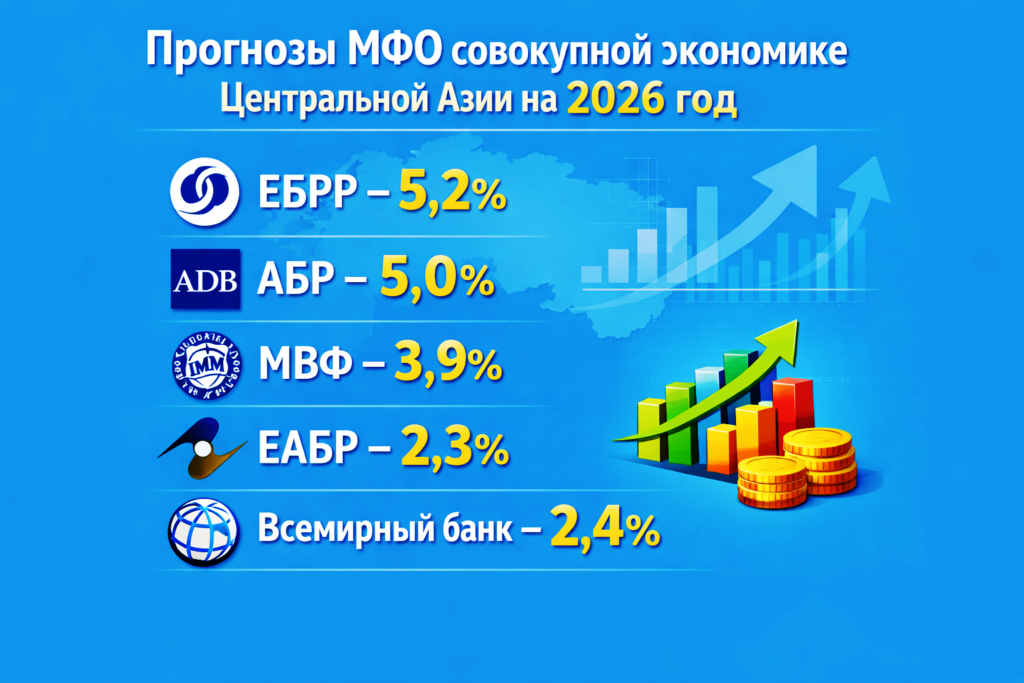
Forecasts from international financial institutions for the economic growth of Central Asian countries in the coming years suggest a stable dynamic, although growth rates vary depending on the internal and external situation in each country.
Kazakhstan
The economy of Kazakhstan is expected to continue demonstrating moderate growth. The expected GDP growth will be 5.5% in 2026 and will further slow to 4.5% in 2027. The reasons for this slowdown include stabilization of oil production, declining global hydrocarbon prices, and weakening export revenues.
However, domestic demand and investments in various sectors of the economy, including non-raw material exports, remain important growth drivers.
In the long term, Kazakhstan’s economy is expected to rely primarily on internal sources of growth, such as investment potential and regional development.
Kyrgyzstan
Kyrgyzstan is expected to have the highest growth among Central Asian countries, with a projected GDP increase of 9.3% in 2026. This growth is driven by strong domestic demand supported by active consumer crediting and stable remittances.
Significant impact on economic growth is also made by state investment activity aimed at infrastructure development, especially in transport, energy, and water supply. In the future, as dynamics normalize, growth rates may decrease to 7.5% in 2027–2028.
Uzbekistan
In Uzbekistan, economic growth is forecasted at 6.8% in 2026, with a gradual slowdown to 6.4% in 2027 and 6.3% in 2028.
The country’s economy will be supported by stable domestic demand, high investment activity, and favorable external trade conditions, including rising gold prices.
Key factors supporting growth include structural reforms aimed at diversifying the economy and stimulating the private sector. However, tighter monetary conditions may slow consumer activity, leading to a gradual decrease in growth rates.
Turkmenistan
Growth forecasts for Turkmenistan’s economy in 2026 show a variety of estimates. The IMF expects a moderate GDP increase of 2.3% per year, while the EBRD predicts a higher growth rate of 6.3%.
According to the UN, the GDP could grow by 6%, and according to the government program, Turkmenistan aims for 6.3%.
Key growth drivers remain energy, infrastructure projects, and agriculture. Inflation forecasts for 2026 range from 5% to 8%, while government debt is expected to decrease to 2.9% of GDP, according to Fitch.
General Trends in the Region
The region as a whole maintains high growth rates, but there are several risks affecting economic development. External factors, such as changes in oil and gold prices, as well as fluctuations in global economies, will influence the stability of growth.
Additionally, the slowdown in the Russian economy and the reduction in remittances from labor migrants may have a dampening effect on consumer demand growth in the countries of the region.
At the same time, internal factors, such as investments in infrastructure and the development of production capacities, remain the main growth drivers.
Thus, according to international specialists, Central Asia will continue to demonstrate positive economic dynamics in 2026–2028, but growth rates will vary depending on factors such as dependence on external conditions, the pace of structural reforms, and domestic demand.
Results of 2025
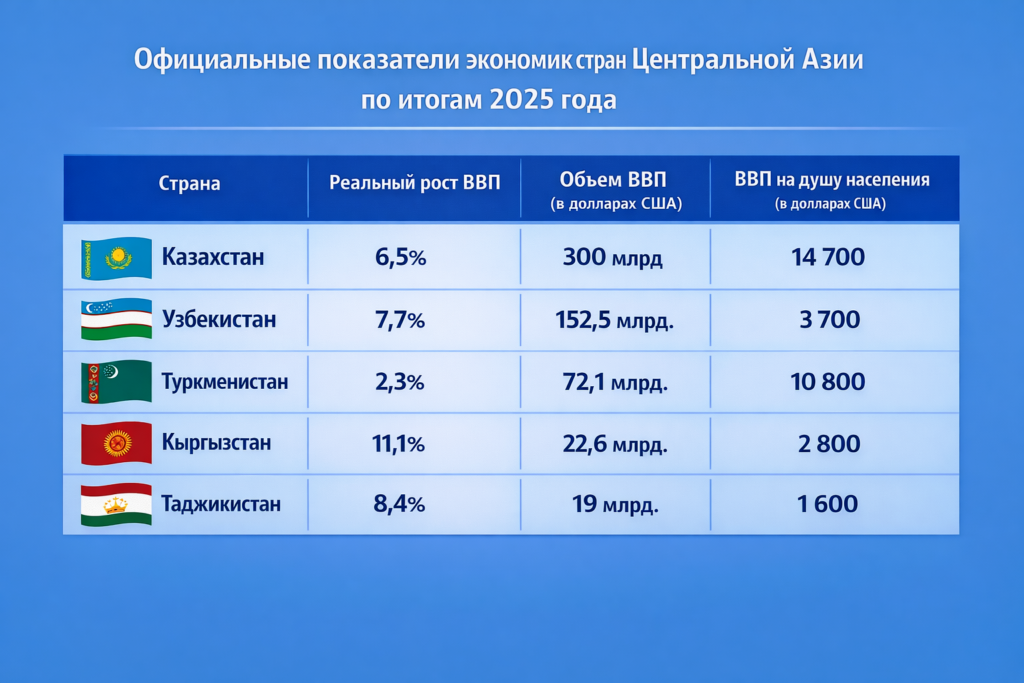
According to national statistical agencies of the countries in the region (for Turkmenistan, data from the IMF), the highest growth in 2025 was demonstrated by Kyrgyzstan’s economy (11.1%), while the most modest growth was in Turkmenistan (2.3%).
Tajikistan ranks second (8.4%), ahead of Uzbekistan (7.7%) and Kazakhstan (6.5%). In terms of economic volume and GDP per capita, Tajikistan is last in the region.
Kazakhstan remains the largest economy ($300 billion). It is followed by Uzbekistan ($152.5 billion) and Turkmenistan ($72.1 billion). Kyrgyzstan ($22.6 billion) and Tajikistan ($19 billion) close out the final table.
The International Football Federation has made an emergency decision that directly affects Tajik football players. Legionnaires playing in the Iranian league have been granted the right to temporarily suspend their contracts and transfer to other clubs. This could be a key opportunity for Vokhidat Khononov and Amadoni Kamolov to avoid losing the season.
This concerns a special mechanism activated by FIFA. The organization has allowed foreign players participating in the Iranian league to temporarily suspend their current contracts and transfer to other clubs.
Formally, this is not about a full transfer, but rather a temporary move – most often in the form of a loan or short-term agreement. This approach has been applied previously in global practice – for example, in relation to legionnaires from the leagues of Russia and Ukraine. Now a similar scheme has been implemented for Iran.
The reason for this was the unstable situation in the region, which has effectively paralyzed the Iranian league. Football players have lost regular playing practice, and clubs cannot guarantee the proper conduct of competitions. In such conditions, FIFA intervened to protect the players’ careers and maintain their professional level.
The decision is temporary and will remain in effect until the situation stabilizes and the national championship resumes.
Transfer Conditions: Deadlines and Limitations
According to current rules, legionnaires can: suspend their contract with an Iranian club; transfer to another league on a temporary basis; sign a short-term agreement (approximately for one month).
The deadline for utilizing this option is early May. However, extensions of such agreements are allowed if the situation in the region does not change. In effect, players are provided with the opportunity to maintain their form and continue their careers without the risk of prolonged inactivity.
This decision is particularly significant for Tajik football. Currently, two players from the Tajik national team are without playing practice: Vokhidat Khononov, who plays for Sepahan, and Amadoni Kamolov, who represents Gol Gohar.
Now they have a real chance to temporarily switch leagues, gain playing practice, and maintain their competitiveness. It is possible that some foreign players in Iran will temporarily return to their home leagues to stay in shape until the situation stabilizes.
Tajik Paralympians performed successfully at the III International Adaptive Sports Festival “Impulse” — International Inclusive Games 2026, which took place in Sochi, securing second place in the overall team standings, reports the National Information Agency “Khovar”.
The representatives of the country demonstrated commendable results in various sports and disciplines, significantly strengthening the team’s success.
The winning team of the competition was the team of the Russian Federation, while the team of the Republic of Belarus took third place. The medal standings were continued by the teams of Uzbekistan and Armenia, which secured fourth and fifth places, respectively.
The “Impulse-2026” festival gathered delegations from more than 20 countries, with over 900 sets of awards contested in 20 sports and more than 90 disciplines. The event became not only an arena for sports competition but also a symbol of overcoming, strength of spirit, and equal opportunities for all participants.
The successful performance of Tajik athletes is seen as an important step in the development of the Paralympic movement and the strengthening of the country’s international sports image.
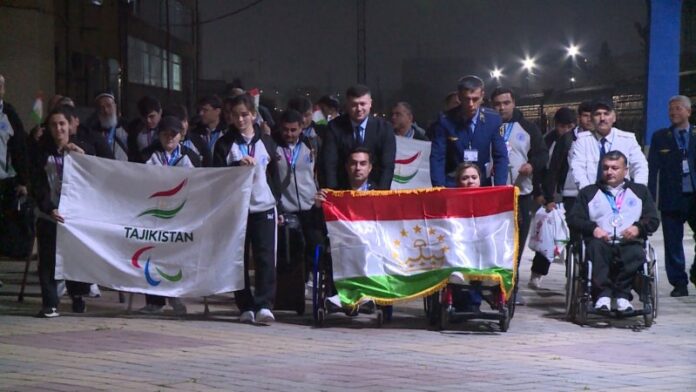
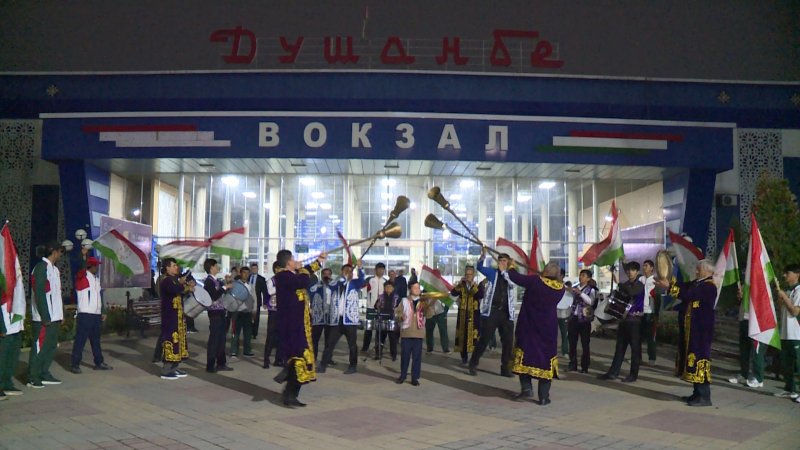
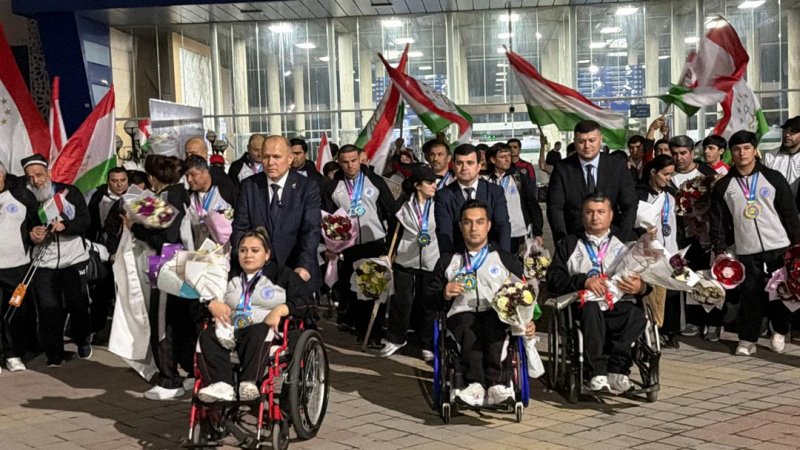
On April 3, the Paralympians returned home. They were welcomed by Suraj Chorshanbezoda, Deputy Chairman of the Committee on Youth Affairs and Sports, Mahmud Amonzoda, President of the National Paralympic Committee, Mahmadsho Abdullozoda, Secretary General of the National Olympic Committee, and other officials who warmly greeted the athletes.