Home Blog Page 11

Tashkent Launches International Financial Center: What It Means for the Region and Tajikistan

0
Ташкентский финансовый центра

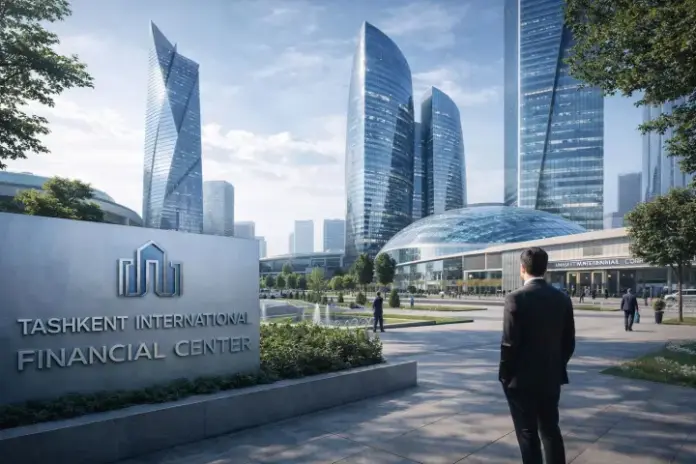
At the end of March 2026, the creation of the Tashkent International Financial Center (TIFC) was officially launched in Uzbekistan. The center is being established as a special financial jurisdiction with a separate regulatory regime aimed at attracting international capital and developing financial services.

On March 25, the President of Uzbekistan, Shavkat Mirziyoyev, became acquainted with a presentation on the creation of the Tashkent International Financial Center, the launch of the International Center for Digital Technologies, and the implementation of Islamic finance mechanisms in the banking system. This was reported by the press service of the head of state.

It is expected that within the framework of the TIFC, there will be its own system for regulating financial markets, as well as a specialized commercial court and arbitration based on common law norms (similar to existing centers in Dubai and Astana). This should increase the predictability and protection of investors’ rights in cross-border transactions, reports everyday.uz.

Uzbekistan’s Goals and Regional Context 

For Uzbekistan, the creation of such a center is part of a long-term strategy: to strengthen Tashkent’s position as a financial hub of Central Asia, diversify funding sources, and expand the range of financial instruments (from traditional banking services to capital markets, Islamic and “green” financing, and digital assets). 

The presence of several competing or complementary financial platforms in the region (Astana, Tashkent, and potentially other cities) changes the geography of capital flows.

It is easier for investors to work with a jurisdiction where a clear legal and judicial infrastructure is in place, procedures are standardized, and familiar international law operates. 

Potential Effects for Tajikistan 

For Tajikistan, the Tashkent center may have both indirect and direct impact. Indirectly — through increased investment activity in the region, and the growing interest of international financial institutions and private funds in Central Asia as a whole. Directly — through the participation of Tajik companies and banks in transactions structured via the TIFC. 

The proximity of Tashkent and close economic ties between the two countries make the new center a potentially convenient platform for attracting capital to infrastructure, energy, transport, and digital projects involving Tajik partners. For a number of issuers and banks, using the regional hub may be cheaper and organizationally simpler than accessing more distant international platforms. 

Opportunities for Business and Financial Sector of Tajikistan 

For large and medium-sized businesses in Tajikistan, the TIFC theoretically opens several directions: placement of debt instruments (bonds, syndicated loans), participation in private equity funds and project financing, and working with Islamic and sustainable (ESG) financial instruments. This could become an alternative channel for attracting “long-term” resources. 

For banks and fintech companies, new products and partnerships are of interest: cross-border payment solutions, services for servicing migration and trade flows, and joint digital platforms. The presence of a separate court and arbitration based on common law simplifies the structuring of complex deals and dispute resolution, which can be critical for cross-border projects involving Tajik companies. 

Challenges and Tasks for Dushanbe 

The emergence of a major financial hub in a neighboring country simultaneously intensifies competition for capital and sets a benchmark for the quality of the regulatory environment. For Dushanbe, this means the need to continue reforms related to improving the investment climate, digitalizing government services for businesses, and developing domestic financial markets. 

Much will depend on whether Tajikistan can build a pragmatic model of interaction with the TIFC: using its tools and infrastructure without losing the potential for developing its own financial sector. In the optimal scenario, the Tashkent center becomes an additional channel for access to capital and expertise for the Tajik economy, rather than just a point of attraction for competing projects.
The EU Ambassador to Tajikistan: “Asia-Plus” has been promoting open dialogue and transparency for 30 years

0
Радослав Дарски

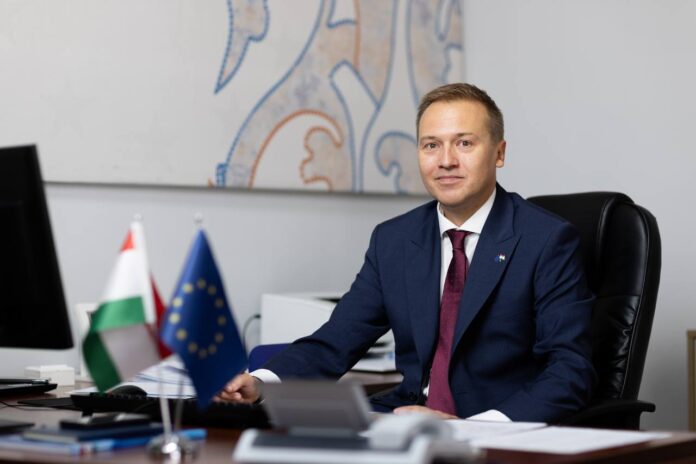
The European Union Ambassador to Tajikistan, Radoslaw Darski, congratulated the Asia-Plus media group team on their 30th anniversary on behalf of the European Union.

“Since its inception, Asia-Plus has played a key role in providing citizens with reliable information, fostering open dialogue, and promoting transparency. These are the cornerstones of any thriving society, and these values are supported by the European Union in its longstanding partnership with Tajikistan.

The European Union Delegation in Tajikistan has been following the work of Asia-Plus since the very first days of our presence in the country.

When our Delegation was established in 2003, the daily news bulletins of Asia-Plus quickly became one of our most reliable sources of information about events in Tajikistan. Over time, this relationship has grown into a genuine partnership based on our shared commitment to open and responsible communication.

Together we have implemented many innovative and inspiring projects. The Eurotour radio program introduced listeners to the culture, people, and diversity of the European Union and its member states. Meanwhile, the special European Union supplements in the Asia-Plus newspaper regularly inform readers about how the European Union supports rural development, education, healthcare, job creation, and sustainable growth in Tajikistan.

Our collaboration has also addressed some of today’s most serious global challenges, particularly the fight against disinformation. With EU support, Asia-Plus has been conducting training courses for young bloggers and journalists for many years, helping to nurture a new generation of media professionals who adhere to the principles of accuracy, balance, and ethical reporting.

Equally important are the recent efforts to strengthen dialogue between government institutions and the media. An initiative launched by the Ministry of Foreign Affairs and supported by the European Union, with Asia-Plus as the implementation partner, promotes the building of trust, increased transparency, and constructive interaction between state representatives and journalists.

Since the media group’s anniversary coincides slightly ahead of World Press Freedom Day 2026, we should once again emphasize the importance of protecting independent and professional journalism, adhering to ethical standards, and especially the ethical use of artificial intelligence, which increasingly influences the production and dissemination of information.

At a time when accurate information and open communication are more important than ever, Asia-Plus continues to make a tangible contribution. The European Union is proud to support the media community in Tajikistan in upholding freedom of expression, access to information, and the open exchange of ideas, benefiting everyone.

Once again, congratulations to the Asia-Plus team on 30 years of dedicated service to society. We wish you continued success in informing, inspiring, and uniting the people of Tajikistan for many more years to come.”

IT Park Dushanbe: what has the platform achieved in a year of operation?

0
IT Park Dushanbe

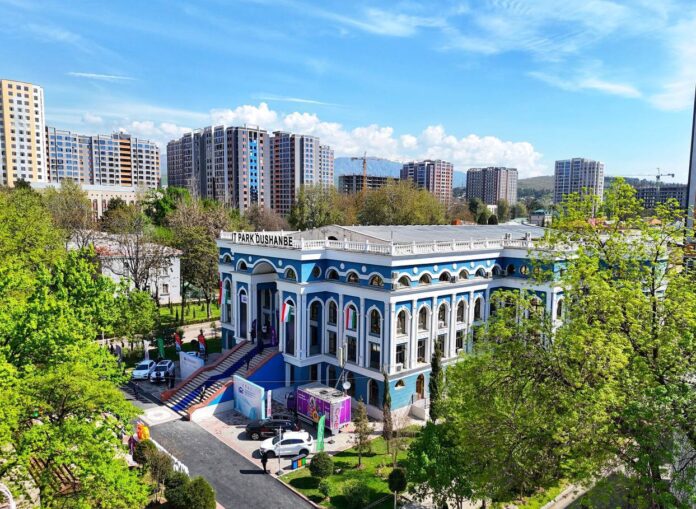
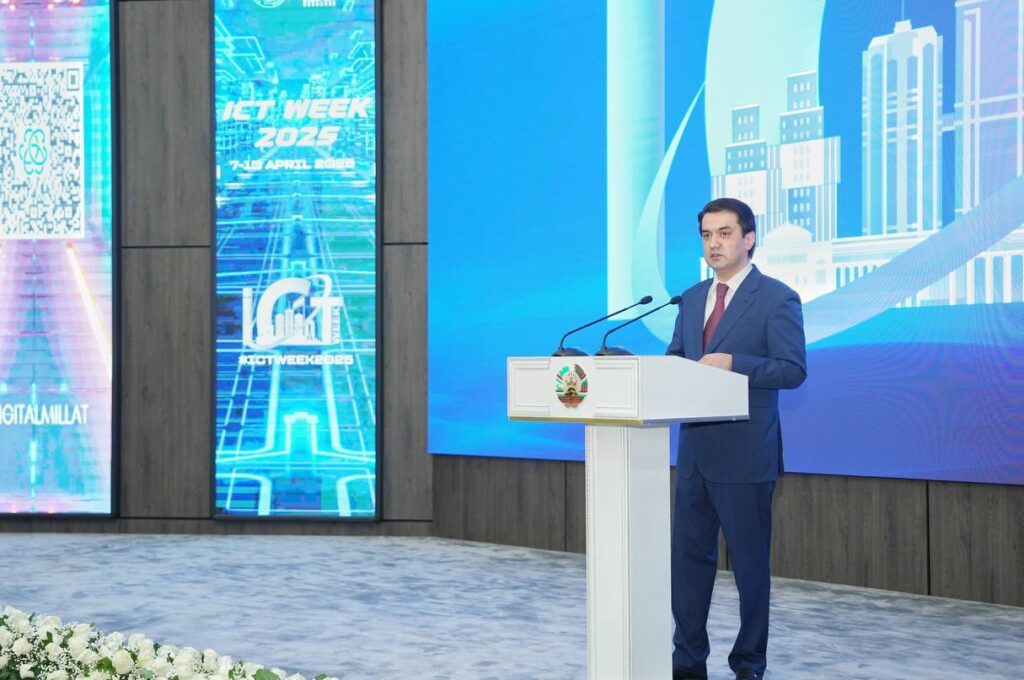
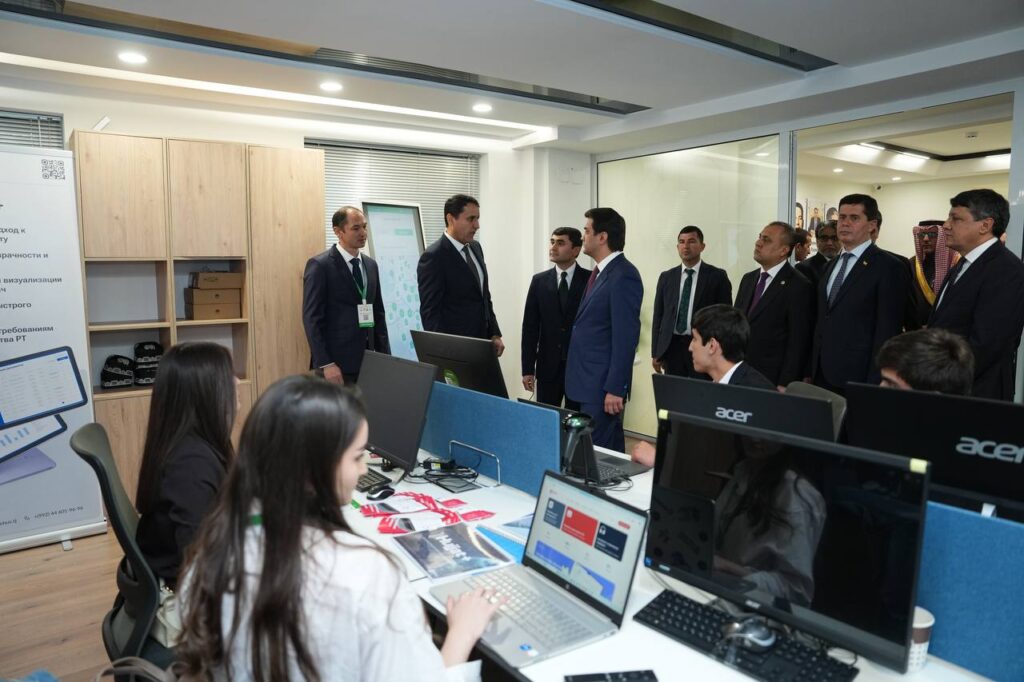
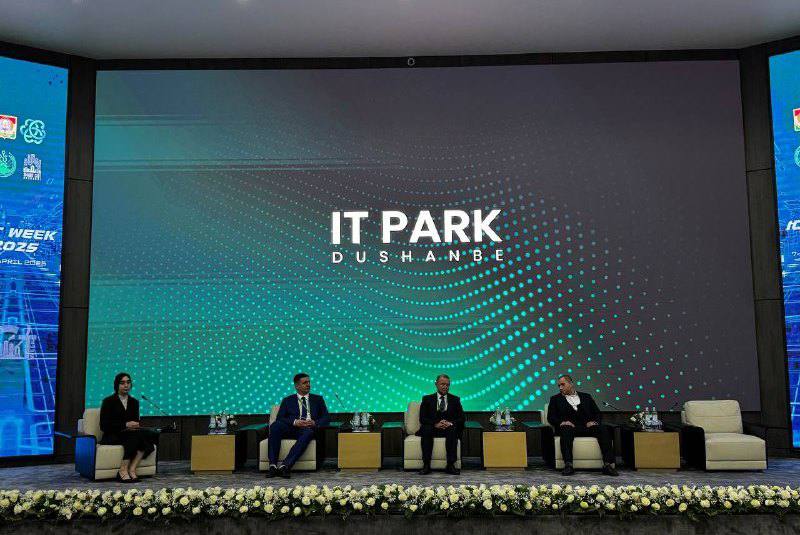
On April 7, 2025, IT Park Dushanbe was officially opened in Dushanbe. The launch took place as part of ICT Week 2025 with the participation of the city’s chairman Rustam Emomali and representatives of domestic and international technology companies.

A year later, there is no need to discuss expectations anymore – there are concrete results. Asia-Plus learned what happened during this time.

How many companies are operating in IT Park

In its first year, IT Park Dushanbe managed to gather not just a few residents, but to organize a full-fledged working environment.

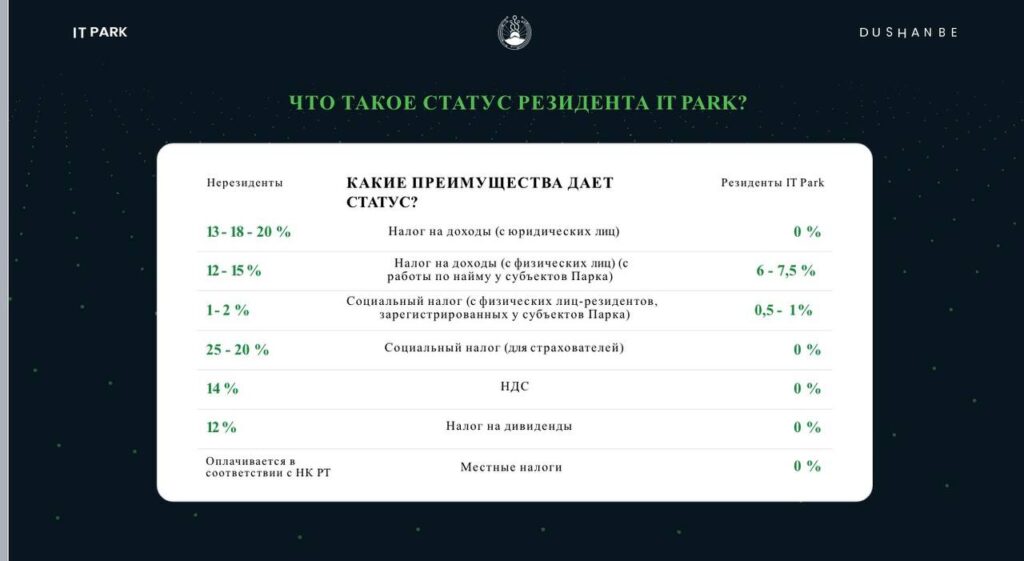
Today, there are more than 70 IT companies here. These are teams that develop products and services, work with clients, and gradually enter international markets. Within the park, they receive conditions that allow them to grow faster, including through tax and customs preferences.

Essentially, the park’s residents have already become one of the drivers of the digital economy: they not only work within the country but also begin to represent the Tajik IT sector beyond its borders.

What role does the government play

The development of IT Park Dushanbe was initially built in conjunction with government structures.

According to IT Park Dushanbe, a key role here is played by the Agency for Innovation and Digital Technologies under the President of the Republic of Tajikistan. It is responsible for implementing state policy in the field of digital economy and innovation.

The support from the Agency is not just one-off initiatives, but ongoing coordination. It is through this that a sustainable base is formed on which the park can develop without sharp jumps and with a clear direction.

What events and meetings take place

This year, Dushanbe has appeared more frequently on the map of technological events.

The IT Park venue is used for high-level events. These are events that take place within the framework of the SCO, CIS, as well as various international forums.

Such events provide an opportunity to build contacts with foreign partners, discuss joint projects, and generally show that Tajikistan is open to investment and the development of an innovative economy.

What about IT service exports

One of the key indicators this year is the growth of IT service exports. In 2025, it amounted to 23 million somoni.

Residents of IT Park Dushanbe are already working with external markets. This means that products and services created within the country are in demand beyond its borders.

This result is directly related to the level of specialist training and how work is organized within the park. Essentially, it means that Tajik human capital is beginning to compete at the international level.

How specialists are trained

A separate emphasis in the work of IT Park is placed on personnel training.

This year, an Artificial Intelligence School (AI School) was opened here. It is an educational direction focused on training specialists of the new generation.

This refers to people who will be able to work with modern technologies and adapt to the rapidly changing digital environment. This approach helps to address one of the main market demands – the lack of qualified personnel.

Projects for women in IT

Within IT Park, attention is also paid to the social component.

Under the park’s aegis, “Woman in Tech” events were organized. They are aimed at bringing more women into the IT field, providing them with opportunities and helping them grow within the industry.

At the same time, this supports the theme of gender equality and makes the technological environment more open.

Why is there so much attention to IT now

The development of IT Park Dushanbe largely coincided with what is happening at the national level.

On January 8, 2025, Tajikistan officially declared the period from 2025 to 2030 as the “Years of Development of Digital Economy and Innovations”. Essentially, this is a signal: the IT direction is now among the priorities.

As noted in IT Park Dushanbe, the first year for the team became an indicator that the project is truly in demand.

“We are proud that in the first year we managed to gain the trust of a wide range of young specialists, entrepreneurs, and partners. The first anniversary is just the beginning. We express our sincere gratitude to all residents and partners for their contribution to the development of the ecosystem. Today, IT Park Dushanbe is a symbol of sustainable development, transparency, and the digital future of Tajikistan. We continue moving forward, towards new achievements and opportunities!”

The US and Iran Agreed on a Two-Week Ceasefire

0
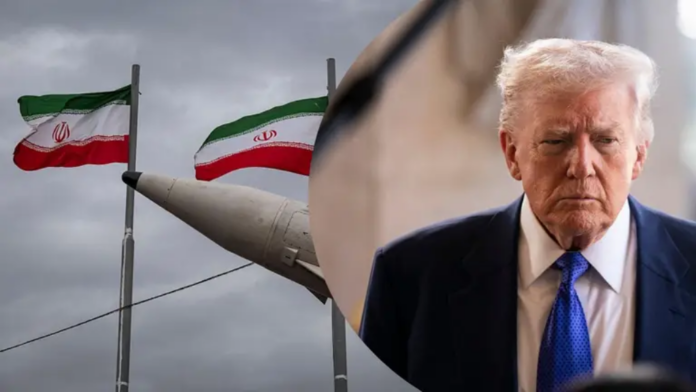
Коллаж с сайта 24tv.ua

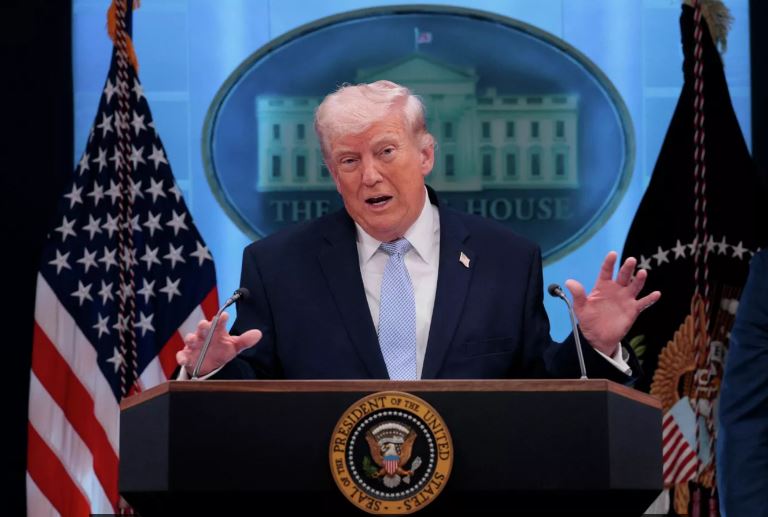
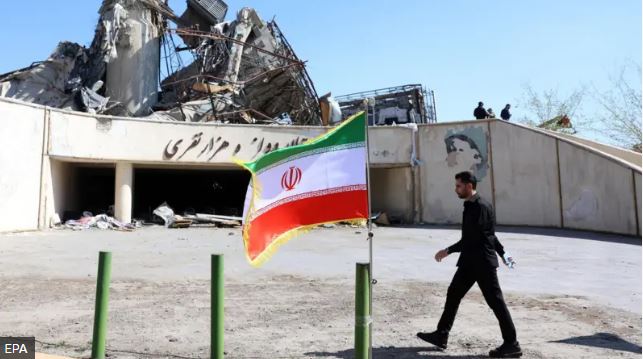
US President Donald Trump stated that he is ready to suspend bombings of Iran for two weeks if Tehran immediately unblocks the Strait of Hormuz. Iran, in turn, confirmed its readiness to consider a ceasefire, putting forward a number of its own conditions.

“I agree to suspend bombings and attacks on Iran for two weeks,” Trump wrote on the social network Truth Social.

According to him, Iran submitted a “ten-point proposal,” which he considers a suitable basis for negotiations. The American president noted that a two-week pause is necessary to develop a final agreement, writes the BBC.

Earlier, Trump warned that if Tehran does not open the Strait of Hormuz, through which about 20% of the world’s oil and liquefied natural gas supplies pass in normal times, the US may strike Iran’s civilian infrastructure, including bridges and power plants, and “destroy Iranian civilization.” The ultimatum was set to expire at 01:00 GMT on April 8.

On the social network Truth Social, Trump posted a message in which he threatened to “destroy an entire civilization” on the night of April 8 (5 AM Wednesday, April 8, Dushanbe time) — when the deadline for his latest ultimatum to Iran was expiring.

“An entire civilization will die tonight, never to return. I do not want this to happen, but it probably will. However, now that we have a complete and total regime change, where other, smarter and less radical forces prevail, maybe something truly revolutionary will happen. Who knows? We will find out tonight, in one of the most important moments in the long and complicated history of the world. 47 years of extortion, corruption, and death will finally come to an end. God bless the great people of Iran!” the message stated.

Yesterday, the secretary of the Higher Council of Youth and Adolescents of Iran, Alireza Rahimi, called on young people, athletes, artists, students, and university professors of the country to form a “live chain” around Iranian power plants. According to him, this will help protect the facilities from the promised attacks on the country’s infrastructure by Donald Trump.

Iranian President Masoud Pezeshkian stated that 14 million Iranians are ready to become a “human shield” and also fight in case of the start of a US and Israeli ground operation.

When Trump announced the possible ceasefire, there was just over an hour left before the ultimatum expired.

Shortly before this, Pakistan, acting as a mediator between Washington and Tehran, announced that it had conveyed a peace proposal to the parties: the US should suspend bombings for two weeks, and Iran should open the strait for navigation.

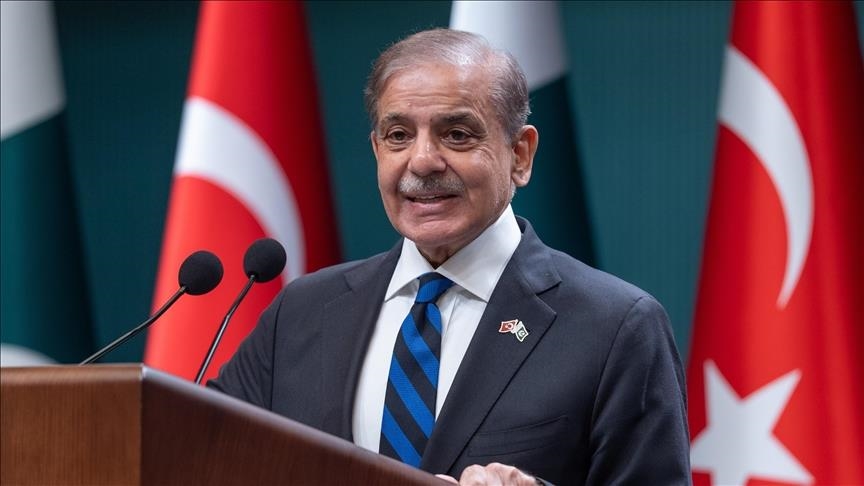
Trump reported that he discussed the situation with Pakistan’s Prime Minister Shehbaz Sharif and Field Marshal Asim Munir, who urged him to “restrain the destructive force aimed at Iran tonight.”

“Almost all previous disagreements between the United States and Iran have already been resolved, and the two-week period will allow for the final agreement and implementation of the arrangements,” wrote the president.

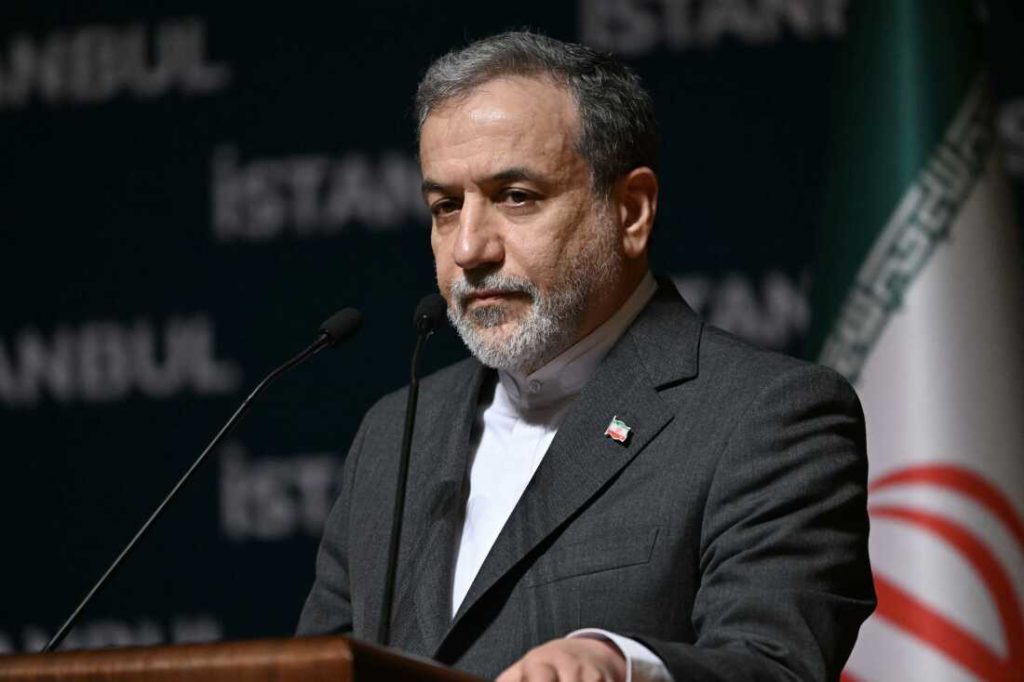
Approximately an hour after Trump’s statement, Iranian Foreign Minister Abbas Araqchi and the country’s Supreme National Security Council announced that Tehran agreed to a two-week ceasefire and the restoration of navigation through the Strait of Hormuz:

“If the attacks on Iran are stopped, our Armed Forces will also cease their defensive operations. Within two weeks, in coordination with the Iranian Armed Forces and with due consideration of necessary technical limitations, safe passage through the Strait of Hormuz will become possible.”

He thanked Pakistan’s Prime Minister Shehbaz Sharif and Field Marshal Asim Munir for efforts to end the war in the region on behalf of the Islamic Republic.

As reported by Report, Araqchi wrote about this on his social network page X.

“On behalf of the Islamic Republic of Iran, I express gratitude and appreciation to my dear brothers – Pakistan’s Prime Minister Shehbaz Sharif and Field Marshal Asim Munir – for their tireless efforts aimed at ending the war in the region,” the message stated.

Pakistan’s Prime Minister Shehbaz Sharif later stated that the ceasefire regime came into effect immediately. According to him, the final agreement was reached literally ten minutes before Trump’s ultimatum expired.

Despite the announced truce, air alerts continue to operate in several countries — US allies. In Israel, the military reported repelling a missile attack from Iran. In the United Arab Emirates and Saudi Arabia, air defense systems are also intercepting missiles and drones.

Israel, which participated in the war against Iran alongside the US, has not yet made official statements about the ceasefire.

However, the White House reported that the Israeli side also agreed to the truce. Meanwhile, in Trump’s publication, Israel was not mentioned at all. Tehran’s statements specifically emphasize that the ceasefire should also apply to the Lebanese direction, where Israel conducted military actions against the Iran-allied Hezbollah movement without US involvement.

Iran previously claimed that the restrictions in the Strait of Hormuz apply only to ships belonging to its “enemies.” Meanwhile, individual tankers continued to pass through the section of the strait located in Iranian territorial waters. However, the overall flow of goods through the strait significantly decreased. This affected not only oil and gas but also other important goods — fertilizers, alcohols, sulfur, and sulfuric acid, which are by-products of oil processing.

What is the 10-point proposal?

Donald Trump in his post mentioned the 10-point proposal, but it is fully known from the Iranian state television report, notes the BBC.

According to its presentation, these points are as follows:

A complete cessation of war in Iraq, Lebanon, and Yemen.

A complete and permanent cessation of war against Iran without temporary restrictions.

Ending all conflicts throughout the region.

Opening the Strait of Hormuz.

Establishing protocol and conditions to ensure freedom and security of navigation in the Strait of Hormuz.

Full compensation to Iran for restoration expenses.

Full commitment to lifting sanctions on Iran.

Unblocking Iranian funds and frozen assets held by the United States.

Iran fully commits not to seek any nuclear weapons.

Immediate ceasefire comes into effect on all fronts immediately after these conditions are approved.

The Supreme National Security Council of Iran in its statement listed several additional conditions to which the US is reportedly agreed:

A guarantee not to repeat “aggression” against Iran.

Continuation of Iran’s control over the Strait of Hormuz.

Acceptance of uranium enrichment.

Lifting all sanctions — primary and secondary.

Termination of all UN Security Council and International Atomic Energy Agency resolutions.

Withdrawal of US troops from the region.

Ceasefire on all fronts, including against “Islamic resistance in Lebanon.”

Negotiations between the US and Iran will take place in the capital of Pakistan, Islamabad; a maximum of 15 days is allotted for these talks, according to the Council’s statement.

Deputy Dushanbe Mayor Expresses Dissatisfaction with the Sanitary Condition of Public Transport

0
Мэрия Душанбе

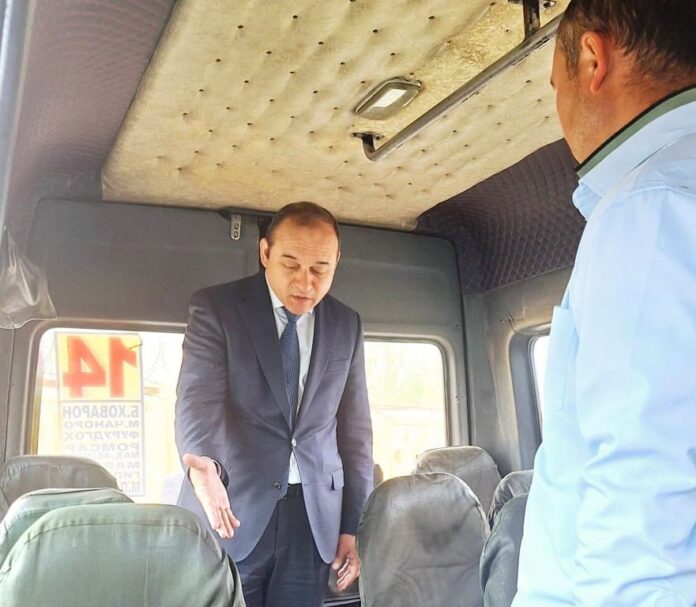
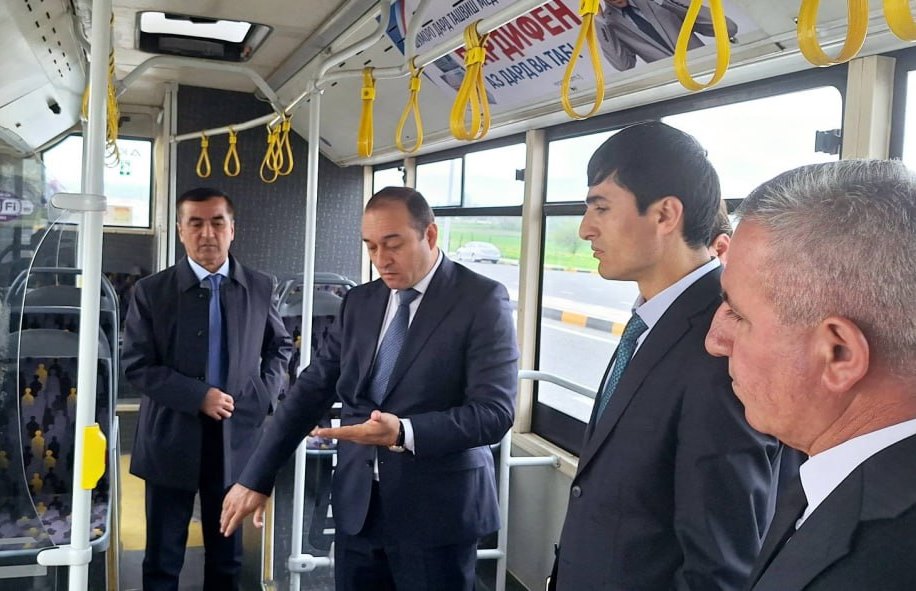
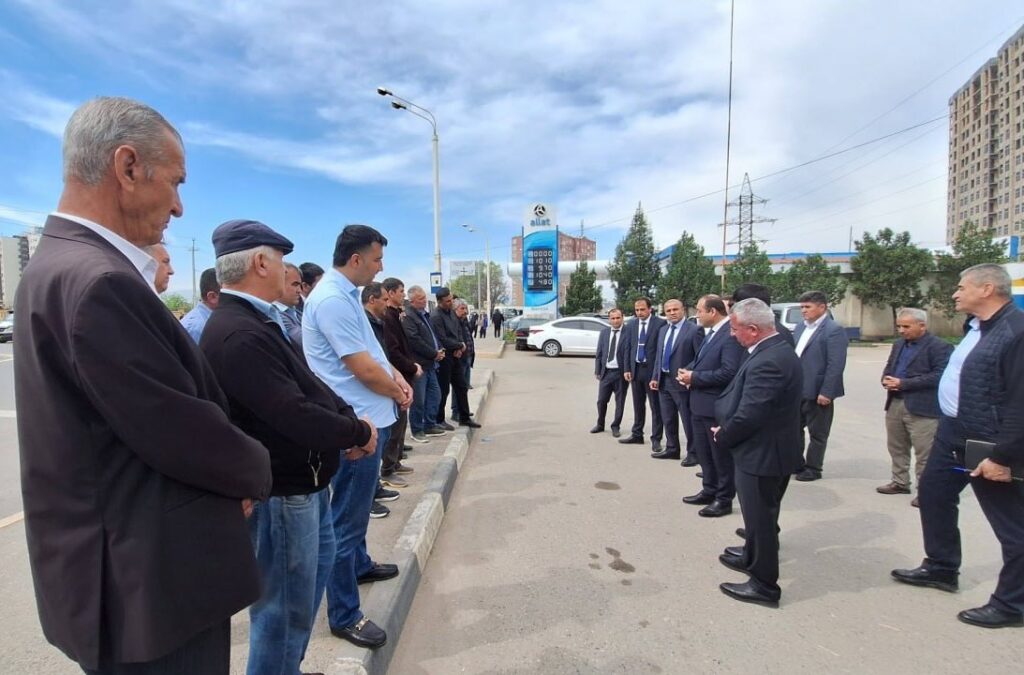
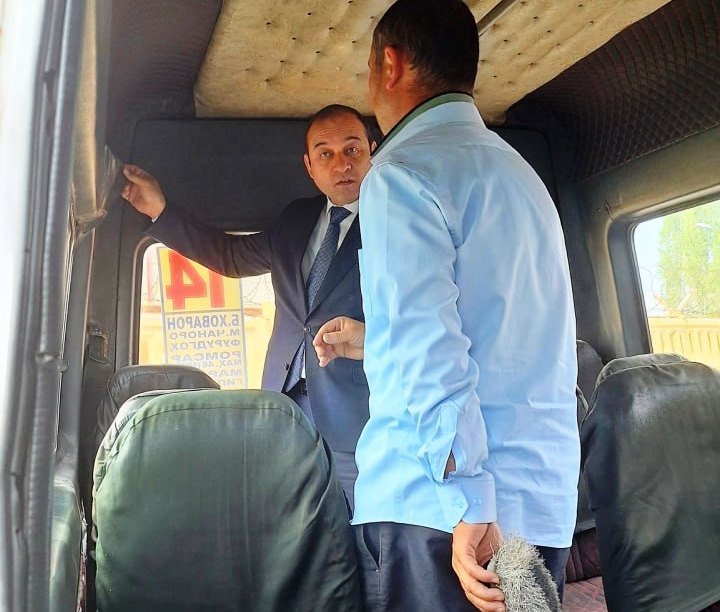
Deputy Mayor of Dushanbe Rahmiddin Salomzoda inspected the work of the capital’s public transport and expressed concern that some vehicles are in unsatisfactory sanitary condition. He instructed drivers to wash the transport daily and treat passengers politely.

According to the “Dushanbenakliyotkhadamotrason” enterprise, during this inspection, which took place on April 6 with the participation of representatives from the city’s transport and medical sectors, it was found that not all drivers and transport companies pay due attention to the cleanliness of bus and minibus interiors.

During the route inspection, Salomzoda noted that public transport is essentially a mirror of the capital and a reflection of the city’s culture.

“Each of us is required to have high responsibility because the condition of the transport is a reflection of the city’s culture and cleanliness. Therefore, we should jointly eliminate the existing deficiencies in this area,” said Rahmiddin Salomzoda.

The Deputy Mayor spoke with drivers and thanked those who serve the residents and guests of the capital from morning till night. At the same time, he asked them to “provide good and quality service to the residents and guests of the capital.”

He noted that drivers must strictly adhere to the rules: communication culture, schedule adherence, recommended attire, established equipment (special accessories and clothing), avoid racing, ensure organized and safe passenger transport movement, and comply with other current industry requirements.

Rahmiddin Salomzoda instructed the heads of transport companies to immediately eliminate the existing deficiencies, ensure daily washing of the transport, and keep the driver’s communication culture under constant control.

The issue of cleanliness and service culture in the capital’s public transport has been a subject of discussion and criticism from residents for many years. Despite the measures taken, some problems have not yet been fully resolved.

Residents regularly complain on social networks about the state of bus and minibus interiors, overcrowding, and non-compliance with sanitary rules. Videos of rude and inappropriate behavior by some drivers are frequently shared, eliciting a wide response from users.

Additionally, the capital’s passengers are concerned that some routes, especially in the evening after 8:30 PM, either do not operate or run very rarely, creating difficulties for residents.

Военная прокуратура Куляба потребовала 11 лет заключения для офицера, признанного виновным в смерти солдата

0

Военная прокуратура Куляба признала офицера пограничных войск Таджикистана Юсуфа Мирзоева виновным в смерти солдата Шохдила Джуразода и потребовала приговорить его к 11 годам лишения свободы.

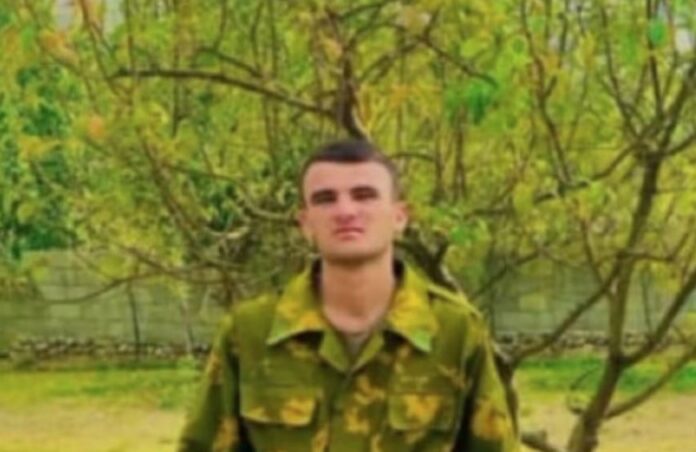
Юсуф Мирзоев, который в настоящее время находится под стражей, был начальником пограничного поста «Шохон» на таджикско-афганской границе. Там же служил 20-летний Шохдил Джуразода, который пропал в декабре 2025 года, а спустя полтора месяца его тело было найдено в реке Пяндж.

Источник в Управлении погранвойск Хатлона анонимно сообщил радио «Озоди» 7 апреля, что «приговор Мирзоеву, вероятно, будет вынесен в ближайшие дни».

Дело рассматривается по части 3 статьи 391 (злоупотребление властью или служебным положением, повлекшее по неосторожности смерть человека). Наказание по ней составляет от 8 до 12 лет лишения свободы.

Мехрафруз Джуразода, сестра Шохдила, подтвердила эту информацию «Озоди» и заявила, что причиной смерти её брата, по всей видимости, стали вымогательство и жестокое обращение со стороны Юсуфа Мирзоева.

“Некоторые солдаты дали показания, что мой брат заплатил начальнику поста 1000 сомони за отпуск. Когда начальник не дал ответа, Шохдил несколько раз просил вернуть деньги. После этого его притесняли и заставляли много работать. Вот к чему это в итоге привело”, — сказала она.

Попытки радио получить официальный комментарий о подробностях смерти Шохдила Джуразода пока не увенчались успехом. Позиция Юсуфа Мирзоева, его семьи или адвоката также неизвестна.

Шохдил Джуразода был призван в армию в апреле 2025 года из Пенджикента и на момент пропажи отслужил восемь месяцев. 8 декабря 2025 года он с сослуживцами отправился к реке за водой. После этого он попросил товарищей вернуться на пост, пообещав догнать их позже, однако обратно так и не вернулся.

Его тело нашли только в январе 2026 года на территории Афганистана. Власти сообщили родственникам, что он покончил с собой. Однако родные в это не верили и обратились в органы для проверки причин его смерти.

“They took his car and disappeared.” Body of a taxi driver with 9 stab wounds found in Yavan

0
Акси марбут сурат: Аз саҳифаи инстаграми 1111taxi

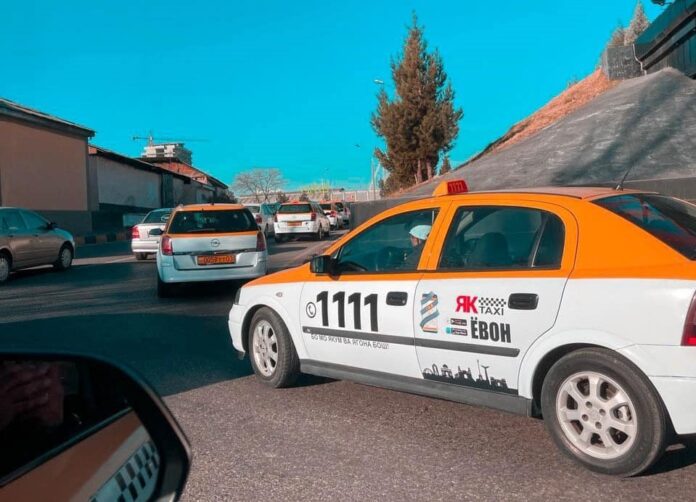
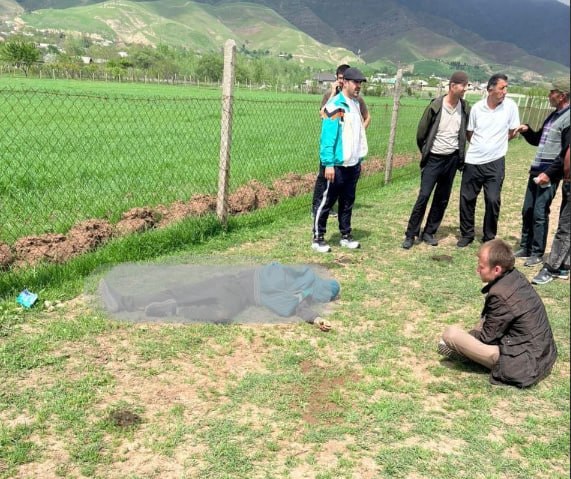
The body of a 38-year-old taxi driver has been found in the Javan district. Relatives of the deceased report that unknown individuals killed him by inflicting 9 stab wounds, after which they fled in his car. According to them, the suspect—a schoolboy—has been detained. Law enforcement agencies have not yet officially commented on the case.

The body of Lutfullo Safarov, a resident of this area who worked for the “3333” company in the Javan district, was discovered by local residents on April 4 in an agricultural field. He was 38 years old, and he left behind a wife and four young children.

Fathullo Safarov, Lutfullo’s father, told “Asia-Plus” on April 6 that his son left for work in the afternoon of April 3 and did not return home. Communication with him was completely lost around 6:00 PM that same day.

According to him, on the morning of April 4, he received a call from his daughter-in-law, who said that his son had not come home the previous night.

“Around 5:30 PM, two people got into Lutfullo’s car and said: take us to the village of Dastgirak. They already had a plan to kill my son. About 6 kilometers from the district, in an empty lot, they inflicted 9 stab wounds on Lutfullo in various parts of his body. They attacked him from behind, including three knife strikes to the back of the neck. After that, they took his car and fled. His money and documents were left in his pocket,” said Lutfullo’s father.

Fathullo Safarov added that a shepherd discovered his son’s body, and he learned about the incident on the afternoon of April 4 from one of the deceased’s colleagues.

“When I arrived there, Lutfullo’s lifeless and bloodied body was lying on the ground. I wiped his face, covered him with clothing, and reported to the internal affairs department of the Javan district. The police took the body, conducted an examination, and returned it after lunch. In the evening of April 4, we buried him,” said Safarov.

The man, citing information from the authorities, said that one person has been detained in connection with this incident, and he is a student at one of the district’s schools. However, he does not believe that this schoolboy could have committed the crime alone.

According to Safarov, his son’s car was found near the suspect’s home.

“The authorities said that one person has been detained on suspicion of murdering my son. He turned out to be an 11th-grade student from the village of Dastgirak. The suspect claimed that he committed the murder alone, but this guy could never have done something like that alone. This murder is at least the work of 2-3 people,” said Safarov.

It was not possible to confirm these words through other sources.

Meanwhile, on April 7, a representative of the Javan district administration confirmed to “Asia-Plus” that Safarov’s body had indeed been found, but stated that “no one has been detained yet.”

“In connection with this incident, many people are being questioned, but at this time no one has been detained. There are no grounds to claim that this is a murder or suicide. Law enforcement agencies are investigating the case,” said the district administration representative briefly.

Attempts by journalists to obtain information from the district’s law enforcement agencies have been unsuccessful. The internal affairs department of the Javan district told “Asia-Plus” that they cannot provide information on this matter.

Fathullo Safarov says that he still does not know what the motive was for the murder of his son by unknown individuals. According to him, Lutfullo had no enemies and earned a living as a taxi driver.

In recent days, this is not the first mysterious murder reported by the media in Tajikistan. On the night of April 1 to 2, two women—aged 20 and 28—and a 6-year-old child were mysteriously killed in the city of Kulyab. Authorities have opened a criminal case on charges of murder against Vali Safarali, the husband of one of the murdered women.

In Iran, youth urged to form a human chain around power plants amid US threats

0
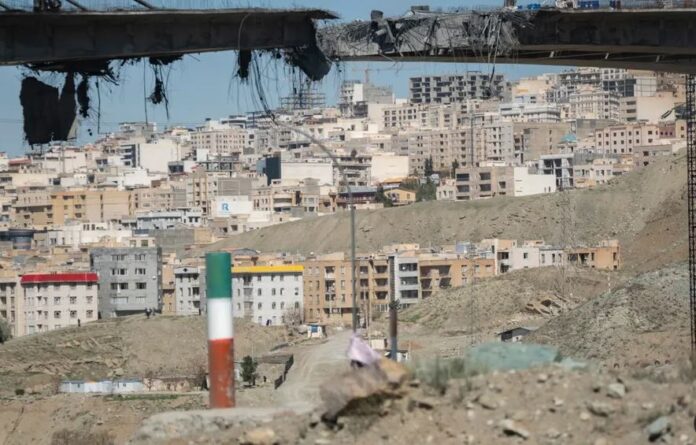
Мост в Кередже близ Тегерана, разрушенный 2 апреля Morteza Nikoubazl / NurPhoto / Getty Images

In Iran, young people, athletes, artists, students, and teachers have been urged to form a human chain around power plants. This statement was made by the Secretary of the Supreme Council of the Government for Youth and Adolescents, Alireza Rahimi, reports the Persian service of Euronews.

According to him, power plants are a national asset of the country.

“These facilities are our assets and capital. Regardless of political views, they belong to the future of Iran and the Iranian youth,” Rahimi stated.

As noted by the Associated Press, the Iranian authorities have previously resorted to forming human chains around nuclear facilities during periods of heightened tensions with Western countries.

U.S. President Donald Trump stated on April 6 that Iran could be destroyed “in one night,” and suggested that “that night could come as soon as tomorrow,” Euronews reports. He promises to bring “hell” to the Iranians and a “return to the Stone Age” if they do not stop the blockade of the Strait of Hormuz.

According to Trump, the U.S. has a detailed plan that could lead to the destruction of all bridges and power plants in Iran if Tehran does not agree to a deal.

Washington has issued an ultimatum to Iran, which expires on Tuesday, April 7, at 8:00 PM Eastern Time (midnight Greenwich Mean Time and 03:00 Moscow time on April 8).

Human rights advocates and several politicians state that strikes on energy infrastructure could be considered a war crime.

Trump himself has previously stated that he does not consider such actions a violation of international law and accused Iran of committing a war crime due to the country’s possession of nuclear weapons.

How Iranians are waiting for Trump’s deadline

Residents of Iran told the BBC how they are reacting to the threat from the U.S. president, despite the internet being down for more than five weeks. Many of them fear the consequences of strikes on energy infrastructure. According to the residents of Tehran, people have started stocking up on water and food, fearing interruptions in electricity and water supply.

Some Iranians initially perceived U.S. and Israeli strikes as support for protests; however, attacks on power plants are seen as a “red line,” as they could paralyze the lives of ordinary people.

Others, on the contrary, believe that even such strikes are permissible if they lead to the fall of the current regime.

Residents are also concerned about the economic consequences of the war: the halt of construction, layoffs, and business downturns are already affecting many families.

Due to the internet blockade, many are using SpaceX’s Starlink satellite service or purchasing traffic through Telegram, although this may lead to prison sentences.

Media: New Supreme Leader of Iran Mojtaba Khamenei is unconscious

0
Моджтаба Хаменеи

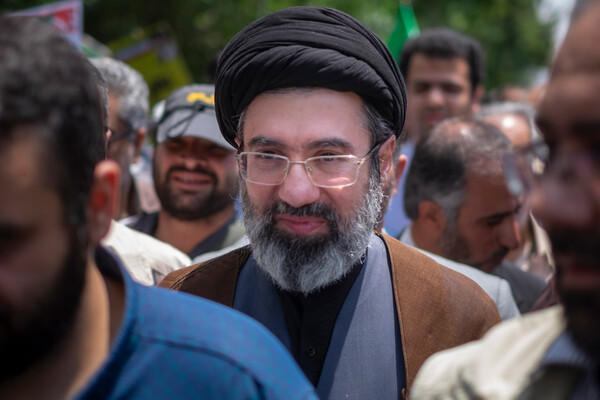
The new Supreme Leader of Iran, Mojtaba Khamenei, is unconscious and receiving treatment in the city of Qom. This is reported by The Times, citing information from American and Israeli intelligence.

According to the publication, a diplomatic note sent to U.S. allies in the Persian Gulf states states that Khamenei is in serious condition and is unable to participate in decision-making by the Iranian leadership.

Qom is located approximately 140 kilometers south of Tehran and is considered one of the main sacred cities of the country.

It is also planned to bury the previous Supreme Leader of Iran, Ali Khamenei, who, according to the publication, was killed on February 28. His body is being prepared for burial.

The official authorities of Iran have postponed the funeral, explaining this by the expectation of an unprecedented number of participants in the ceremony. However, as the publication notes, the delay raises questions, as in Shia tradition, the deceased are usually buried soon after death.

On April 8, it will be 40 days since the death of Ali Khamenei — this date marks the end of the traditional mourning period in Shia Islam.

According to media reports, Mojtaba Khamenei was injured on the very first day of the U.S. and Israeli attacks on Iran — February 28. This was reported on March 7 by Israeli television Channel 12, citing sources. Later, The New York Times wrote that he was wounded in the legs.

Several days later, the Iranian Foreign Ministry confirmed the injury, stating that his condition is “good.”

Since his election as Supreme Leader, Mojtaba Khamenei has not appeared in public.

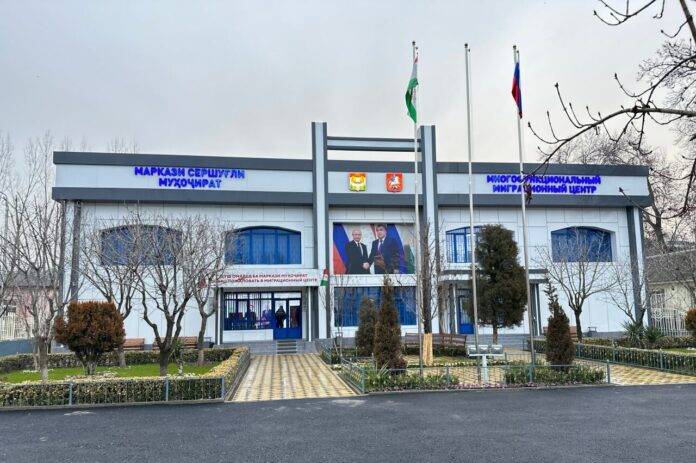
Vedomosti: 950,000 migrants from Tajikistan arrived in Russia in 2025

Citing data from the FSB of Russia, Vedomosti reports that 1.44 million citizens of Tajikistan arrived in Russia in 2025; of them, 950 thousand came for work purposes.

This is approximately 15% less than in 2024, when, according to the FSB, about 1.7 million Tajiks entered the country (of which 1.04 million were labor migrants).

Russia is preparing to ratify an updated agreement with Tajikistan on the organized recruitment of citizens for temporary work. The changes have already been approved by the government commission and will be submitted for approval.

The document aims to develop the organized recruitment system — a mechanism under which foreign workers arrive in the country for a specific employer, for a specific position and duration. This approach is intended to make migration more controlled and legal.

According to the amendments, key stages of worker preparation will be moved to Tajikistan. There, candidates will be able to undergo training in advance, including Russian language courses, and take exams on the language, history, and fundamentals of Russian legislation. These requirements are necessary for obtaining a work patent.

Additionally, candidate checks will be conducted in the republic: the Ministry of Internal Affairs of Tajikistan will check for criminal records and searches, while the Russian side will collect biometric data, including fingerprints and photographs.

Medical examinations, including HIV testing, are also planned to be organized in advance — through Russian medical organizations or their representatives in Tajikistan.

According to “Vedomosti,” there are currently over 1 million citizens of Tajikistan working in Russia. The relocation of some procedures to the country of origin, experts estimate, will help reduce the burden on migration services and minimize the risks of violations during employment.

The experiment on organized recruitment is planned to be launched in 2027 in most regions of Russia (excluding Moscow and the Moscow region) and extended until 2029. Within this framework, foreign workers will be required to work for a specific employer and under predetermined conditions.