Home Blog Page 56

Tajikistan to allocate 100 hectares for Paulownia plantations in 2026

0

Tajikistan plans to plant paulownia trees on 100 hectares in 2026 as part of the 2024–2028 Paulownia Development Program.

The initiative aims to establish industrial plantations of the fast-growing tree to supply timber, boost beekeeping, produce livestock feed, protect agricultural land from erosion, and improve the country’s environmental conditions.

Why Paulownia?

According to the program, Tajikistan’s forests are largely composed of shrubs, making domestic production of commercial timber limited. As a result, up to 90–95% of construction timber is imported.

Experts believe that establishing industrial paulownia plantations using modern cultivation methods could help conserve natural resources and reduce pressure on existing forests.

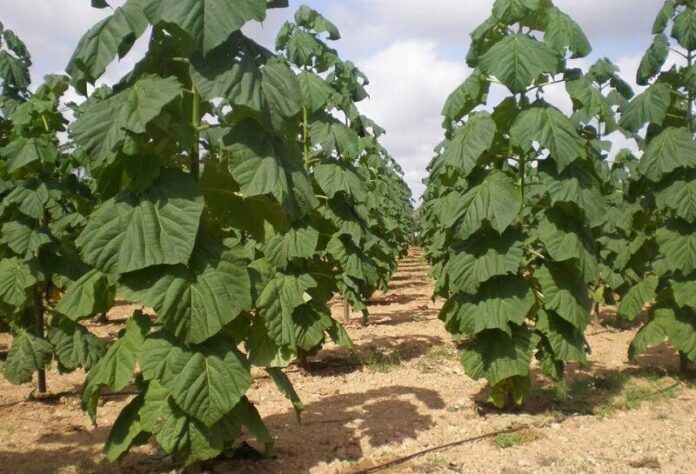
Paulownia is a fast-growing species that can reach up to 30 meters in height. It is known for its large leaves and rapid growth. While adaptable to different soils, it performs best on irrigated and moderately moist land.

One of its key advantages is regenerative capacity: after being cut, the tree can regrow from its root system, which may remain viable for 70–100 years.

The program also highlights environmental benefits. A single tree can absorb up to 22 kilograms of carbon dioxide per year and release up to 6 kilograms of oxygen. A 10-hectare plantation could absorb up to 275 tons of CO₂ annually while helping prevent soil erosion.


Honey, feed, and timber

Paulownia is valued not only for timber production but also as a strong honey plant, capable of yielding up to 800 kilograms of marketable honey per hectare.

Its leaves can serve as livestock feed, with potential yields of 35–40 tons of green biomass per hectare annually, comparable in nutritional value to alfalfa.

The wood is lightweight, dries quickly, and is resistant to deformation, making it suitable for construction and furniture manufacturing. The biomass can also be used for pellets, biogas production, and heating.


Program targets and plans for 2026

The 2024–2028 program aims to expand industrial cultivation of paulownia, increase plantation areas, and reduce pressure on natural forests. It provides for the production of seedlings in forest nurseries, improved profitability of forestry enterprises, job creation, and continued scientific research.
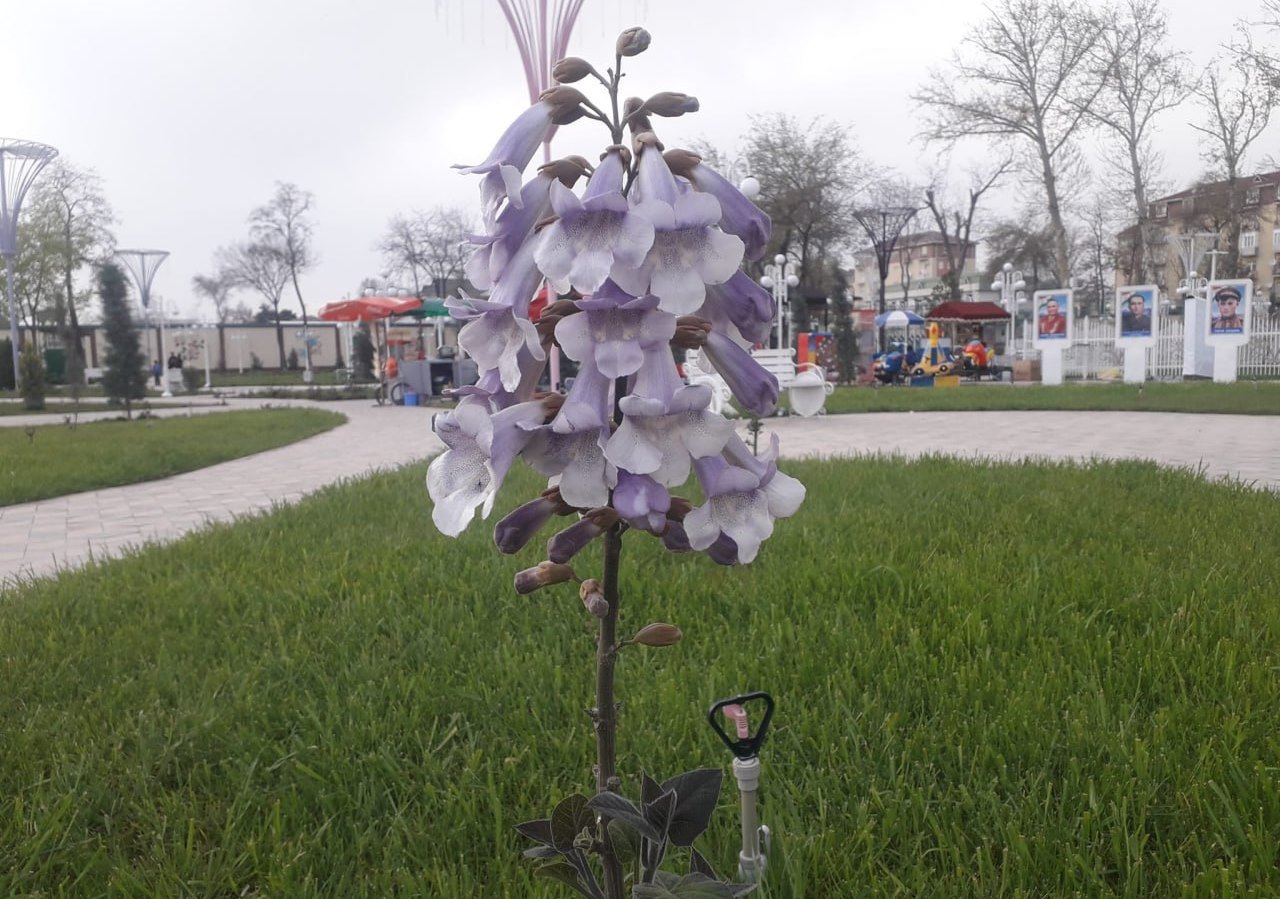
Key indicators include the annual production of up to 100,000 seedlings, the establishment of more than 200 hectares of industrial plantations, and the development of research-based cultivation guidelines.

In 2026, the third phase of the 2024–2026 action plan, authorities plan to grow 100,000 seedlings in nurseries operated by the Forestry Agency and the Ministry of Agriculture. Funding for this component amounts to 3 million somoni.

An additional 75 hectares of industrial plantations are to be established in 2026, as part of a broader target of 200 hectares over three years. Funding for plantation development next year is set at 3.75 million somoni.

Some 30,000 somoni will be allocated for continued research, while 250,000 somoni will support the development of wood processing, including the creation of a small-scale timber enterprise.

Total funding for 2026 activities exceeds 7 million somoni. By 2028, the program envisions establishing at least 1,000 hectares of paulownia plantations across Tajikistan.

Paulownia is a genus of seven to 17 species of hardwood tree (depending on taxonomic authority).  They are present in much of China, south to northern Laos and Vietnam and are long cultivated elsewhere in eastern Asia, notably in Japan and Korea.

In China, it is popular for roadside planting and as an ornamental tree.  Paulownia needs much light and does not like high water tables.

The genus, originally Pavlovnia but now usually spelled Paulownia, was named in honor of Anna Pavlovna, queen consort of The Netherlands (1795–1865), daughter of Tsar Paul I of Russia. It is also called "princess tree" for the same reason.

Paulownia is extremely fast growing; up to 6 meters in one year when young.  Some species of plantation Paulownia can be harvested for saw timber in as little as five years.

Paulownia is also used in Chinese agroforestry systems because it grows fast, its wood is light but strong, its flowers are rich in nectar, its leaves make good fodder for farm animals, it is deep-rooting, and it is late-leafing and its canopy is quite sparse so that crops below it get both light enough to grow and shelter.
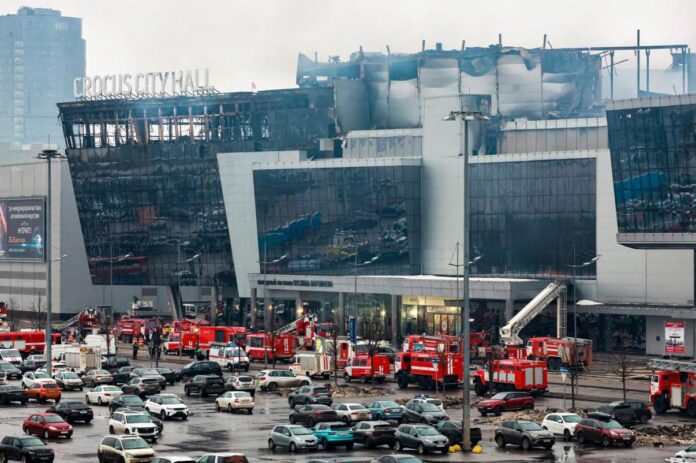

Victims’ lawyers seek life sentences in Crocus terror attack case

0

Lawyers representing victims in the Crocus City Hall terror attack case intend to seek the harshest possible punishment for all defendants, including life imprisonment. The statement was reported by TASS, citing attorney Lyudmila Ayvar.

Closing arguments in the case will be held behind closed doors at the 2nd Western District Military Court. The March 2024 attack on the Crocus City Hall concert venue left 149 people dead.

According to Ayvar, victims’ representatives will insist on “the most severe and fair punishment” for both the alleged perpetrators and other individuals involved, within the limits provided for by criminal law.

“This is not about revenge, but about justice and protecting society, as terrorism strikes not only specific individuals but also the overall sense of security in the country,” the lawyer said.

She added that victims believe the punishment must be inevitable and proportionate to the scale of the tragedy and the public danger posed by the crime.

The victims have also filed civil claims totaling tens of millions of rubles. However, Ayvar expressed skepticism about the possibility of actually recovering compensation, even if the court rules in their favor.

Earlier reports said the total amount of claims stands at around 66 million rubles. Approximately 1,700 individuals have been officially recognized as victims, along with mobile operators MTS and T2 Mobile and four organizations. Investigators estimate the total damage at roughly 6 billion rubles.


Court proceedings

The trial of 19 defendants began on August 4, 2025. Hearings are held three times a week by a panel of three judges of the 2nd Western District Military Court at a Moscow City Court facility.

The proceedings are closed to the public and media at the request of prosecutors, citing security concerns and the presence of classified materials. The court has also noted that disclosure of information could interfere with investigations into other alleged organizers and accomplices who remain at large.

Around 150 victims have chosen to participate personally in the trial and have testified in court. Enhanced security measures are in place at the courthouse.


Defendants in the case

A total of 19 individuals are on trial, including alleged perpetrators of the attack and their alleged accomplices. Among the defendants are Faridoun Shamsiddin, Dalerjon Mirzoyev, Muhammadsobir Fayzov, Saidakram Rajabalizoda, Umedjon and Mustaqim Soliyev, Shahromjon Gadoyev, Zubaydullo Ismoilov, Husein Homidov, Muhammadzohir Sharifzoda, Yaqubjon Yusufzoda, Lutfullo Nazrimad, Jumakhon Qurbonov, Husein Medov, Jabrail Aushev, Alisher Qosimov, as well as Isroil Islomov and his sons Dilovar and Aminjon. All have been placed on Russia’s list of terrorists.

After the indictment was read out, three of the four alleged direct perpetrators — Fayzov, Mirzoyev, and Shamsiddin — pleaded guilty, expressed remorse, and apologized to the victims. The fourth alleged gunman, Rajabalizoda, denied involvement in terrorist activity.

Isroil Islomov, his sons, and Zubaydullo Ismoilov, who was previously convicted in Tajikistan for public calls to violently change the constitutional order, also denied charges of assisting the attackers.

The remaining defendants partially admitted guilt but rejected accusations of terrorism-related crimes.

According to investigators, Faridoun Shamsiddin is considered the key organizer of the attack. Prosecutors allege he coordinated the group’s activities in Russia, conducted reconnaissance of the venue, purchased a vehicle for transportation, and received weapons allegedly delivered to Moscow by the Islomov family.

The terrorist attack occurred in the Crocus City Hall on March 22, 2024.  It resulted in the deaths of 146 people and left more than 550 injured.  The four attackers—Tajik nationals Muhammadsobir Faizov, Dalerjon Mirzoyev, Saidakram Rajabalizoda, and Faridoun Shamsiddin—attempted to flee but were apprehended in Bryansk Region and brought to Moscow.

OTS softens rhetoric on Tajikistan after Kyrgyz border deal

0

The Organization of Turkic States (OTS) has significantly recalibrated its approach toward Tajikistan, shifting from explicit solidarity with Kyrgyzstan during border clashes to more inclusive language following recent diplomatic breakthroughs.

An article by Lindsey Cliff, a junior fellow at the American Foreign Policy Council, traces the evolution of the OTS’s rhetoric since 2021, when tensions along the Kyrgyz-Tajik border escalated into armed confrontations.


From solidarity to strain

According to the analysis, six official OTS statements have addressed Tajikistan since 2021—all issued in the context of the border conflict with Kyrgyzstan. Early statements consistently emphasized “brotherly” solidarity with Kyrgyzstan, a founding member of the organization, while omitting similar recognition of Tajikistan.

An April 2021 statement, released during active clashes, referred to “brotherly Kyrgyzstan” and highlighted shared cultural and Islamic ties, while making no parallel acknowledgment of Tajikistan. It praised Kyrgyzstan’s “contribution to the re-establishment of peace” and pledged close contact with the Kyrgyz government—language widely interpreted as implicitly assigning blame to Dushanbe.

Subsequent statements followed a similar pattern. In January 2022, the OTS expressed support for Kyrgyzstan’s efforts to find a peaceful solution, while calling on both sides to pursue “good neighborliness and coexistence.” In September 2022, the organization went further, condemning what it described as aggression involving heavy military weapons against civilians, again voicing support for Kyrgyzstan.

Tajikistan responded sharply. The Foreign Ministry criticized the OTS Secretary General’s remarks as “deeply regrettable” and accused the organization of undermining bilateral diplomatic efforts. Dushanbe argued that the statements contradicted the OTS’s declared mission of contributing to global peace and stability.

For an organization seeking greater regional influence, the tension posed challenges. Tajikistan borders Kyrgyzstan, Uzbekistan, Afghanistan, and China, making its exclusion from regional frameworks strategically significant.


Diplomatic breakthrough and rhetorical shift

The turning point came in March 2025, when the presidents of Kyrgyzstan and Tajikistan signed a landmark border treaty in Bishkek, formally resolving the long-running dispute.

The OTS welcomed the agreement, describing it as achieved “through diplomacy and dialogue.” While the statements did not immediately adopt the same “brotherly” terminology previously reserved for Turkic member states, they avoided the one-sided tone of earlier communications.

A more notable shift followed on March 31, 2025, after a trilateral summit between Kyrgyzstan, Uzbekistan, and Tajikistan in Khujand. For the first time, the OTS Secretary General referred to the three countries as “brotherly nations,” explicitly extending fraternal language to Tajikistan, a non-Turkic state.

The statement praised the summit as “epochal” and commended the three countries’ efforts to deepen regional partnership. However, it also reiterated support for “unity and cooperation among Turkic and neighboring states,” indicating that Tajikistan remains positioned as a partner rather than a core member.


Practical necessity and institutional maturation

Analysts suggest the rhetorical shift reflects both changing realities on the ground and the organization’s broader ambitions.

With armed clashes subsiding and a formal treaty in place, the OTS faced less pressure to publicly side with Kyrgyzstan. At the same time, the organization has been expanding its outreach. At the 2025 Gabala Summit, it launched the “OTS Plus” framework aimed at engaging non-member states. Maintaining openly critical language toward Tajikistan while promoting inclusivity would have risked undermining that initiative.

Uzbekistan’s role may also have been influential. Since joining the OTS in 2019, Tashkent has promoted improved relations with its neighbors and hosted the March 2025 trilateral summit. Observers suggest Uzbekistan may have encouraged a more balanced approach within the organization.


Balancing identity and regional cooperation

Cliff’s analysis argues that the OTS’s evolving rhetoric illustrates a broader tension between its ethnolinguistic foundation and the practical demands of regional cooperation.

Founded in 2009 as the Turkic Council and rebranded as the Organization of Turkic States in 2021, the OTS includes Azerbaijan, Kazakhstan, Kyrgyzstan, Türkiye, and Uzbekistan. Hungary, Turkmenistan, the Turkish Republic of Northern Cyprus, and the Economic Cooperation Organization hold observer status. The organization’s secretariat is based in Istanbul.

As the OTS seeks to expand its regional role, its ability to move beyond exclusive ethnic framing may prove decisive. The shift from pointed solidarity with Kyrgyzstan to inclusive references to Tajikistan signals a more pragmatic posture.

Whether the “OTS Plus” initiative will integrate non-Turkic states as equal partners or maintain a clear distinction between members and neighbors remains an open question. However, the recent rhetorical evolution suggests the organization is increasingly aware that regional stability requires broader inclusion.

For policymakers across Central Asia and beyond, the OTS’s next steps may offer a clearer indication of whether it can reconcile identity-based solidarity with inclusive regional diplomacy.


Tajik brand to debut at New York Fashion Week

0

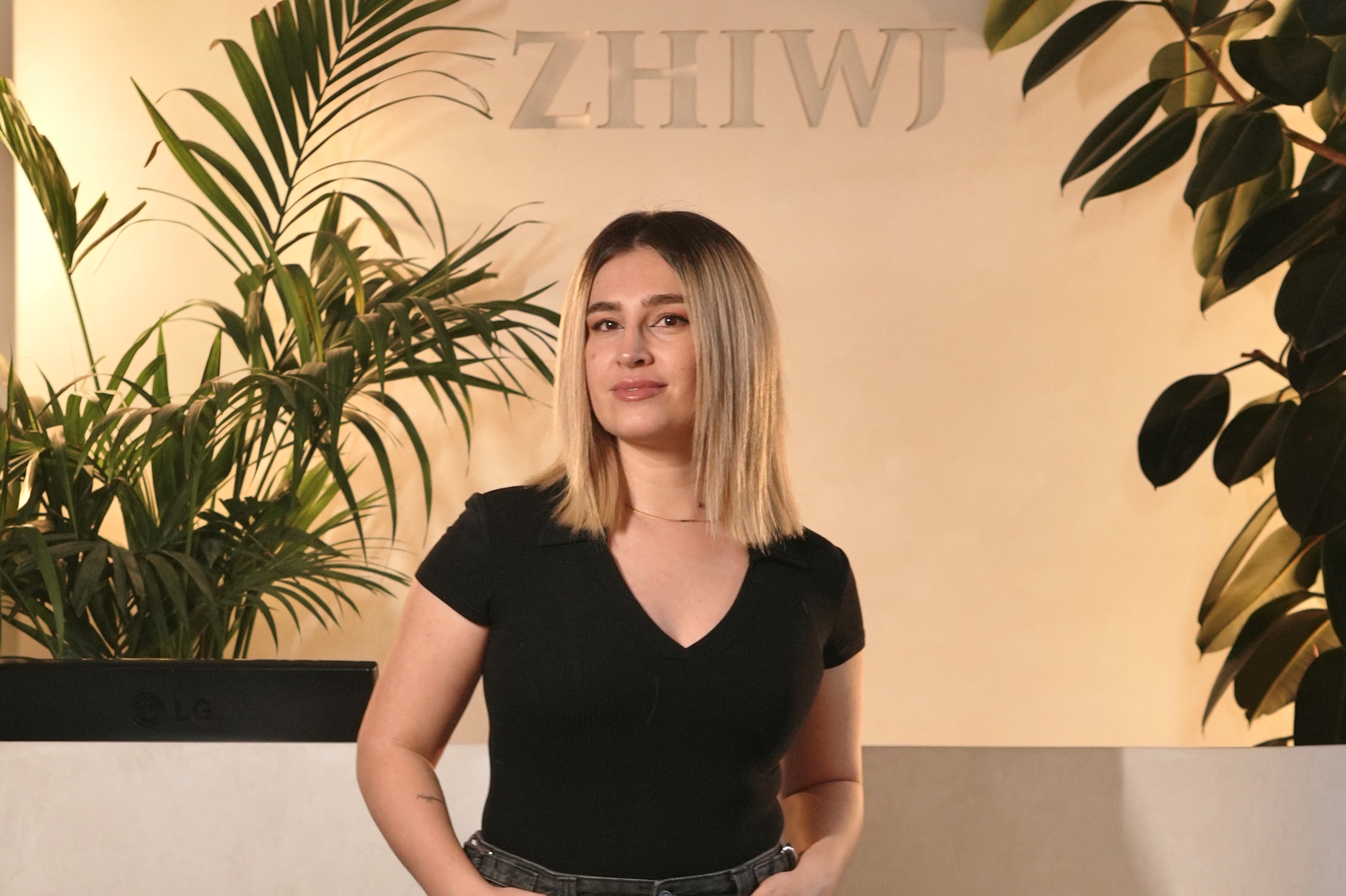
For the first time, Tajikistan will be represented at one of the world’s four major fashion weeks — New York Fashion Week. Designer Nafisa Imranova, founder of the ZHIWJ brand, will present her collection on the prestigious international runway.

Imranova is a graduate of the Academy of Design in Singapore. She previously participated in a closed Jimmy Choo show in Kuala Lumpur and showcased her collections in Paris. The New York show marks a new stage in her career and the first-ever participation of a Tajik brand at NYFW.

Alongside Paris, Milan, and London, New York Fashion Week shapes the global fashion agenda. Participation provides designers with access to international buyers, leading fashion editors, and major retailers, often serving as a gateway to global markets.

The participation was sponsored by AN Group, with support from Tajikistan’s Ministry of Culture. Organizers say the partnership highlights the strategic importance of promoting the country’s cultural potential internationally.

Imranova’s show is scheduled for February 16, with the first runway images expected shortly thereafter.


How the brand was selected

The opportunity came through Flying Solo, a platform operating under the umbrella of New York Fashion Week that supports independent designers through its boutiques and international sales channels. Representatives of the platform contacted ZHIWJ after discovering the brand on Instagram. “At first, I thought it was a joke,” the designer recalls.

She was later invited to complete a detailed application outlining the brand’s development, international experience, media coverage, mission, and values.

Imranova highlighted her education in Singapore, participation in the Jimmy Choo show, and her presentations in Paris. However, she says the brand’s social mission ultimately played a decisive role.

ZHIWJ works with women who were unable to complete their schooling, teaching them craftsmanship skills and enabling them to earn income, including from home. Women with disabilities are also involved in embroidery work carried out remotely.

Preserving Tajik cultural heritage is another key pillar of the brand. “Every ornament carries meaning and philosophy. It is the legacy of our ancestors,” Imranova says.

The brand also prioritizes sustainability, working with upcycling and recycled materials. Up to half of its collections are created from reimagined or recycled garments. ZHIWJ has collaborated with international organizations, including UNICEF, and conducted workshops on sustainable fashion.

It was this combination of social responsibility, cultural identity, and environmental awareness that enabled the brand to pass the international selection process.


Preparing the collection

After her application was approved, Imranova faced a new challenge: creating eight new looks within a tight deadline, each accompanied by a detailed explanation of its concept and philosophy.

“The most nerve-racking stage was designing the collection. I usually create easily, but this time the responsibility felt overwhelming, and I went through a creative block,” she says.

Perfectionism and the desire to present flawless work on an international stage made the process particularly intense. Support from her family and strong personal focus helped her complete the collection on time.

The designer drew inspiration from traditional elements — braided hairstyles of Tajik women, layered garments, headscarves, and national ornaments. “I wanted to combine the image of a modern Tajik woman with elements of historical costume — to create a synthesis of East and West,” she explains.


Will Tajik trends reach the West?

Imranova believes there is genuine Western interest in Eastern aesthetics but says Tajik designers must work harder to promote themselves internationally.

Brands from neighboring countries are currently more visible on global platforms, while Tajik designers rarely appear on major runways. Yet distinctive elements such as chakan embroidery and Pamiri and Sughdian ornaments could attract strong international interest if presented in a contemporary context.

“It is important for each designer to have a clear brand DNA and maintain uniqueness rather than copy others. Only then will international audiences begin to recognize and appreciate Tajik traditions,” she says.

For Imranova, ZHIWJ’s participation in New York Fashion Week goes beyond a single runway show. It represents a strategic opportunity for Tajikistan’s fashion industry to present itself on the global stage, highlight its cultural heritage, and lay the groundwork for broader international recognition.

Tradition, fashion, or financial hardship: why women become second wives — and men take them — in Tajikistan

0

Polygamy is a criminal offense in Tajikistan. Nevertheless, many men and women continue to enter into second marriages — typically religious unions (nikoh) that are not officially registered with the state.

The reasons why women agree to become second, third, or fourth wives have been widely covered by various media outlets, including Asia-Plus. The risks associated with such arrangements have also been discussed. Yet for many, traditional norms continue to play a decisive role.


Why do women become second wives?

According to reports by Deutsche Welle (DW), the spread of polygamy in recent years has been linked to the growing influence of religion in society, as well as large-scale labor migration, with many men leaving the country in search of work.

High poverty levels and limited employment opportunities are also significant factors. Women themselves often cite economic hardship as a key reason.

Bunafsha was widowed at 18 when her husband was killed in Russia, where he had gone to work. She was left alone with two young children. In her late husband’s family home, she says, she effectively lived as a servant, trying to avoid being reproached for being a burden.

Four years later, her father-in-law arranged her second marriage, citing religious norms. She was not allowed to take her children with her. The first months were extremely difficult, she recalls — she cried constantly and even fell ill. Over time, her relationship with her new husband improved, although his first family lives separately and is unaware of her existence.

Psychologist Firouza Mirzoyeva told DW that for many women in rural areas who lack higher education — and sometimes even secondary education — becoming a second wife is a means of financial survival. She noted that society often stigmatizes unmarried and divorced women.

“Even if a woman is successful and independent, society may not approve of her status. Some therefore agree to become a second or third wife in order to ‘legitimize’ their personal lives,” the expert explained.

Others say they made a conscious choice. Sitora, in an interview with Asia-Plus, said she does not feel ashamed of her status. Her two previous marriages did not bring her happiness, but in her current relationship — despite its unofficial nature — she says she feels loved and secure. For her, personal happiness outweighs public judgment.


Why do men take second wives?

According to experts, polygamy is more common among men with middle and higher income levels, including business figures and officials.

Sociologists note that traditional norms in Tajik society exert pressure not only on women but also on men. In particular, parents often play a decisive role in choosing a spouse for their sons.

“Frequently, the decision about marriage is made by parents. As a man grows older, he begins to make his own choices. In such cases, he either divorces and remarries or takes a second wife,” sociologist Gulnora Beknazarova told Asia-Plus.

In some instances, health issues may become a factor. In an interview with Current Time, a resident of Hisor named Sunatullo said that after the birth of their first child, his wife was unable to have more children and blamed him for it. He said he decided to “prove otherwise” by entering into a second marriage. He later admitted it was a mistake and was fined 50,000 somoni.

Another reason may be the absence of a male heir. In more traditionally oriented families, the birth of a son remains highly valued, and there is still a widespread belief that the child’s gender depends on the woman.

Some women believe that an additional motive behind polygamy is a man’s desire to “relax” away from household responsibilities and the demands of a large family in his first marriage.

Tahmina, a resident of Dushanbe, told Current Time that a second wife is sometimes perceived less as a partner in a full-fledged family and more as a source of companionship or leisure. According to her, some men are not interested in having children in a second marriage, preferring to keep such relationships less burdensome.

Finally, social imitation is also cited as a factor. In certain circles, having multiple wives may be seen as a sign of status and financial capability — if a man can afford it, he may consider it acceptable.

Despite criminal liability for polygamy, religious marriages that are not officially registered continue to occur. Experts emphasize that the issue is complex, shaped by economic conditions, social stereotypes, education levels, and the ongoing transformation of traditional values.

More than 2,600 individuals wanted by Tajik law enforcement authorities detained in 2025

0

More than 2,600 individuals wanted by law enforcement authorities were detained in 2025, Head of the Criminal Investigation Department of Tajikistan’s Interior Ministry Bakhtiyor Nazarzoda told journalists in Dushanbe on February 13.

According to him, over 6,700 people were listed as wanted during the year. As a result of cooperation with foreign law enforcement agencies, 835 individuals were located abroad and returned to Tajikistan.

Nazarzoda noted that a significant number of arrests took place in Russia and Kazakhstan. He also confirmed that several detentions and extraditions were carried out from European countries, though he did not provide a detailed breakdown by country.

Earlier, in September 2025, Russian Interior Minister Vladimir Kolokoltsev said during a meeting in Dushanbe with his Tajik counterpart Ramazon Rahimzoda that Russian law enforcement agencies had detained about 400 Tajik nationals wanted by Tajik authorities during the first eight months of the previous year.

According to Kolokoltsev, this figure is nearly double the total for 2024, when approximately 260 individuals wanted by Tajikistan were detained.


More than 10 million somoni planned to be allocated for the construction of the Roghun HPPP this year

0

The government of Tajikistan plans to allocate more than 10 billion somoni (over $1 billion) for the construction of the Roghun hydropower plant (HPP) in 2026, Finance Minister Faiziddin Qahhorzoda announced at a news conference in Dushanbe on February 13.

According to the minister, 8.2 billion somoni have been earmarked in the state budget specifically for completing the project. Additional funding is expected to be secured from international development partners. Qahhorzoda noted that a number of agreements have already completed all required domestic procedures and conditions.

Tajikistan has also gained access to World Bank grant financing. “The government has fulfilled all the necessary conditions to receive these funds. Disbursement under the first tranche of $350 million has begun. Negotiations on an additional $300 million have been successfully concluded, and these resources are expected to become available in the middle of the year,” he said.

Domestic procedures are also nearing completion to attract $150 million from the Islamic Development Bank, as well as $100 million each from the Saudi Fund for Development, the Kuwait Fund for Arab Economic Development, and the OPEC Fund. The minister added that the remaining step involves completing the tender procedures.

All procedures have also been finalized to secure $500 million from the Asian Infrastructure Investment Bank (AIIB), of which $270 million will be disbursed under the first tranche.

According to the Finance Ministry, approximately 11 billion somoni were allocated to the Roghun project in 2025, including 2 billion somoni for servicing Eurobonds.

Earlier, the Ministry of Energy and Water Resources (MoEWR) reported that some financing agreements signed with international partners had already entered into force. Activating agreements concluded in 2024–2025 required fulfilling several conditions, which took time.

The ministry emphasized that external financing will accelerate construction in 2026 and enable the third generating unit to be commissioned on schedule in September 2027.


About the project

With an installed capacity of 3,780 MW, the Roghun hydropower plant is set to become the largest hydroelectric facility in Central Asia. Once fully operational, it is expected to generate more than 14.5 billion kWh of electricity annually.

The powerhouse will house six generating units, each with a capacity of 630 MW. The final unit is scheduled to be commissioned in 2029. Currently, two units—launched in 2018 and 2019—are operating at reduced capacity.

Kyrgyzstan reportedly ready to serve as ‘trade gate’ for Tajik goods to EAEU and EU markets

0

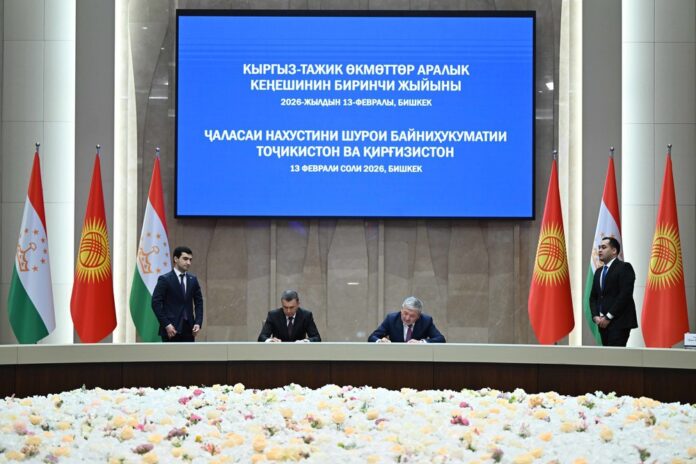
Kyrgyzstan is ready to serve as a “trade gateway” for Tajik goods to the markets of the Eurasian Economic Union (EAEU) and the European Union, Chairman of the Cabinet of Ministers Adylbek Kasymaliyev said at the first meeting of the Kyrgyz-Tajik Intergovernmental Council on February 13.

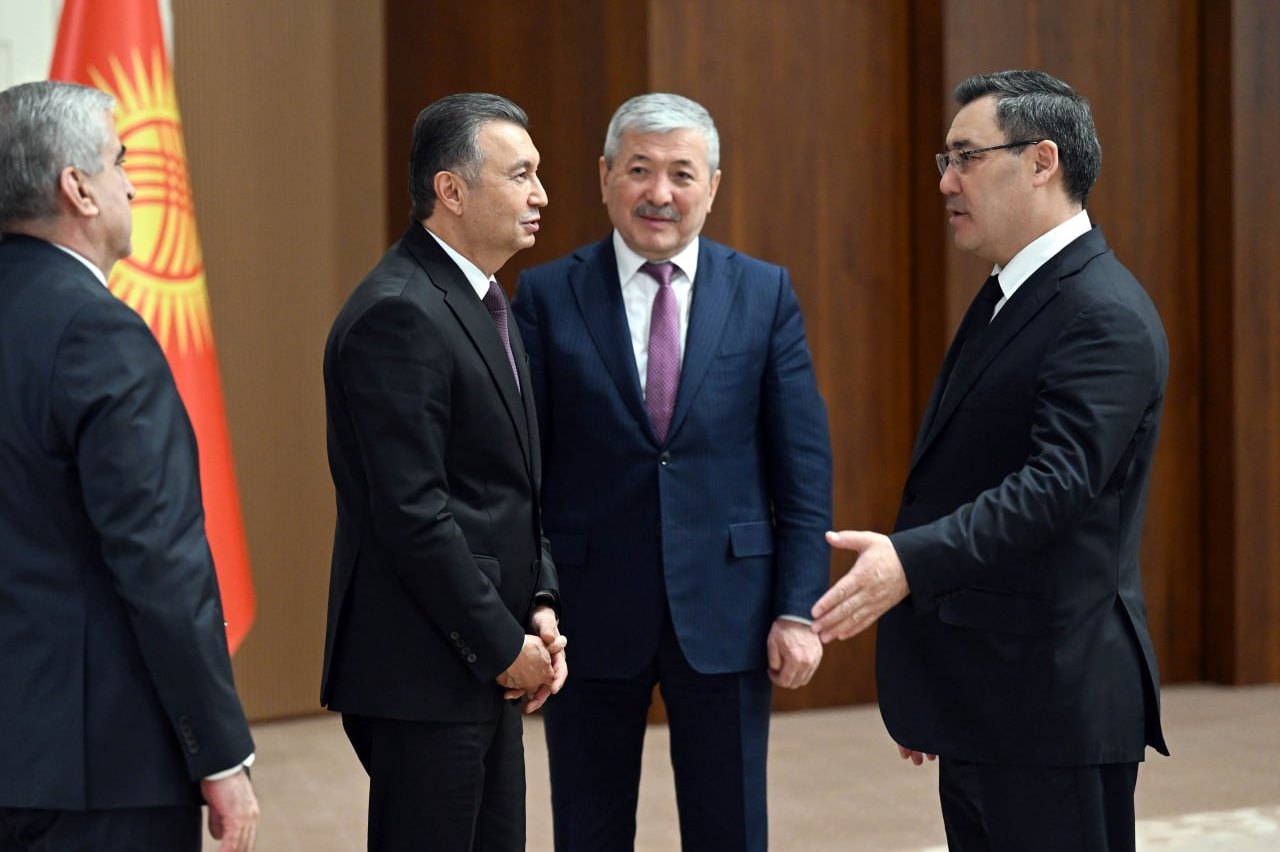
AKIpress says the meeting was held in Bishkek under the co-chairmanship of Tajik Prime Minister Qohir Rasoulzoda and his Kyrgyz counterpart. The sides confirmed the high level of bilateral political dialogue and particularly welcomed the successful completion of the state border delimitation process between the two countries.

Special attention was given to trade and economic cooperation. According to Kasymaliyev, Kyrgyzstan plans to increase exports of meat and dairy products, garments and textiles, glass products, as well as sugar and coal to Tajikistan. To boost bilateral trade, the parties reportedly proposed developing and signing a roadmap outlining specific measures, implementation stages, and responsible agencies.

Kasymaliyev highlighted Kyrgyzstan’s transport and transit potential. “Kyrgyzstan is ready to act as a ‘trade gateway’ for Tajik goods to the EAEU and European Union markets through the GSP+ system. The implementation of the strategically important China–Kyrgyzstan–Uzbekistan railway project will significantly enhance our country’s transit capacity and strengthen its role as a key logistics hub in Eurasia. This corridor will also open up new opportunities for Tajikistan,” he said.

He added that strengthening logistics links should go hand in hand with upgrading border infrastructure and improving the efficiency of border checkpoints. This includes expanding their capacity, developing cargo terminals, and introducing modern digital solutions in customs and border administration.

The parties also discussed the possibility of opening Kyrgyz trade houses in Tajikistan and Tajik trade houses in Kyrgyzstan to promote products, establish direct business contacts, and create sustainable distribution channels.

Both sides expressed interest in implementing joint tourism projects, including the introduction of a single visa for Central Asian countries for third-country nationals. According to the Kyrgyz side, 86,000 tourists from Tajikistan visited Kyrgyzstan in 2025 — twelve times more than in the previous year.

Tajik Prime Minister Rasoulzoda stressed that strengthening good-neighborly relations and mutually beneficial cooperation with Kyrgyzstan remains a priority for Dushanbe. He noted that the Intergovernmental Council would serve as an effective platform for advancing joint initiatives and expanding cooperation in energy, transport, agriculture, and other key sectors.

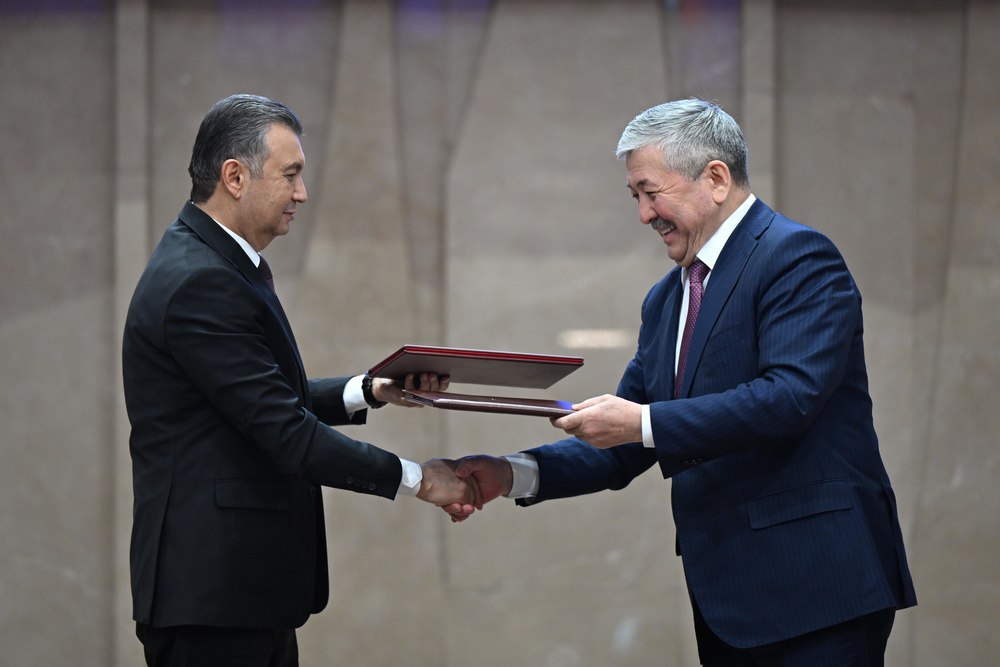
The sides agreed to hold the Days of Culture of Tajikistan in Kyrgyzstan in May. Following the meeting, a Memorandum of Understanding (MoU) was signed between the Kyrgyz Export Promotion Center and the Chamber of Commerce and Industry of Tajikistan, along with the protocol of the first meeting of the Intergovernmental Council.

Later the same day, Rasoulzoda reportedly met with Kyrgyz President Sadyr Japarov, who underscored the importance of deepening cooperation based on mutual respect and consideration of both sides’ interests, noting that agreements have already been reached in key areas.

Security issues and countering transnational threats — including terrorism, religious extremism, drug trafficking, and organized crime — were also discussed. In this context, the parties considered establishing an Anti-Drug Center in Dushanbe and a Center for Combating International Organized Crime in Bishkek within the framework of the Shanghai Cooperation Organization (SCO).

Tajik leader receives AIIB president to discuss cooperation

0

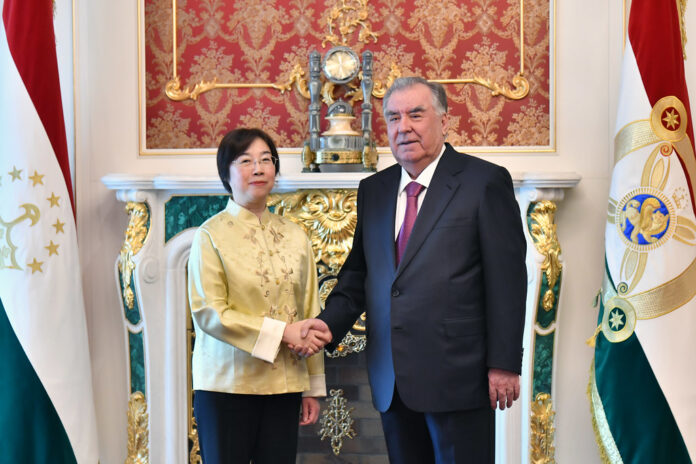
President of Tajikistan Emomali Rahmon met on February 14 with Ms. Zou Jiayi, President of the Asian Infrastructure Investment Bank (AIIB), marking her first official visit to the country since assuming office.

The Tajik president’s official website says President Rahmon congratulated Zou on her appointment and welcomed her to Tajikistan, underscoring the importance of continued cooperation between the country and the Beijing-based multilateral lender.

During the meeting, the Tajik leader praised the current level of partnership and the AIIB’s contribution to key socioeconomic development initiatives. He expressed appreciation for the bank’s support in advancing priority national projects.

Both sides reportedly highlighted the AIIB’s role as one of Tajikistan’s key partners in developing modern infrastructure and promoting sustainable, green growth. Discussions focused on the implementation of major investment projects, including the construction of the Roghun Hydropower Plant and the ongoing rehabilitation of the Nurek Hydropower Plant.

The talks also explored opportunities to expand cooperation in the energy and transport sectors, urban infrastructure, water resource management, climate change adaptation, digitalization, and energy efficiency. The importance of securing long-term financing, enhancing project implementation mechanisms, and strengthening institutional capacity was emphasized.

Reaffirming their commitment to deepening long-term and mutually beneficial ties, both parties expressed confidence that the agreements reached would provide fresh momentum to the strategic partnership between Tajikistan and the AIIB, according to t the Tajik president’s official website.

Founded in 2015 and headquartered in Beijing, the Asian Infrastructure Investment Bank is a multilateral development institution aimed at improving economic and social outcomes across Asia. Headquartered in Beijing, the bank currently has 111 members, including 6 prospective members from around the world. The breakdown of the 111 members by continents are as follows: 42 in Asia, 26 in Europe, 22 in Africa, 10 in Oceania, 9 in South America, and 2 in North America. The bank started operation after the agreement entered into force on 25 December 2015, after ratifications were received from 10 member states holding a total number of 50% of the initial subscriptions of the Authorized Capital Stock. 

Number of farmers in Tajikistan increases

0
photo_2026-02-11_09-08-14

In 2025, Tajikistan saw the formation of 2,560 new farms. As of now, the total number of farms in the country exceeds 200,349.

Among these, nearly 71,572 farms are located in the Sughd province, 75,653 in the Khatlon province, 16,723 in the Gorno-Badakhshan Autonomous Region (GBAO), and 36,401 are in the districts subordinate to the center, according to the Committee for Land Management and Geodesy of Tajikistan.

As of January 2025, the number of shareholders in Tajikistan's farming enterprises stands at more than 796,094.

Altogether, the country's farms cover an area of 5,091,223 hectares, accounting for 73.14% of the total agricultural land in Tajikistan. The average land area per farm is about 25.9 hectares, and per shareholder — 6.4 hectares.

In Sughd, 70,793 farms have been registered, cultivating over 990,000 hectares of land. In Khatlon, there are 73,693 farms working on more than 1.1 million hectares of agricultural land.

In the districts subordinate to the center, 35,487 farms manage around 915,000 hectares of land, while in GBAO, 16,591 farms operate on more than 2 million hectares, mostly pastures.

Notably, Tajikistan has 1.57 million hectares of land suitable for irrigation, with 763,000 hectares currently developed. Around 40% of these lands are irrigated by pumping stations, while saline and rocky soils make up 15% and 18%, respectively. Over 90% of the country's agricultural production is produced on these lands, contributing to about 25% of the country's Gross Domestic Product (GDP).