Home Blog Page 55

9 million somoni found in inspector’s account: prosecutors uncover major energy sector embezzlement scheme

0

Tajikistan’s Prosecutor General’s Office has uncovered serious violations in the energy sector, including the embezzlement of funds collected from consumers for electricity payments. Prosecutor-General Habibullo Vohidzoda announced the findings at a news conference in Dushanbe on February 13.

According to Vohidzoda, 9 million somoni were discovered in the bank account of an electricity inspector, allegedly collected from consumers as payment for electricity.

“There are many such cases — collecting electricity payments and misappropriating them, along with other illegal actions in the energy sector,” he said, noting that some employees accepted payments but failed to transfer the funds to the state.


Scale of violations

Prosecutors reported numerous instances of budget embezzlement, incorrect billing, violations in the billing system, and other abuses. As a result of prosecutorial intervention, more than 365 million somoni have been returned to the state budget.

In 2025, 4,972 individuals were held criminally or administratively liable for illegal electricity use. Deputy Prosecutor General Sarvar Azimzoda said 245 criminal cases were initiated.

Among those charged are 23 energy network managers, 120 electricity inspectors, and several consumers. The total amount of damages reimbursed to the state exceeded 46.6 million somoni.


Accountability of energy sector employees

Earlier, the Electricity Transmission Networks company reported that 125 employees were prosecuted and dismissed in 2025 for violations related to electricity supply.

The Energy Supervision Agency stated that 406 employees of power supply organizations were fined a total of 293,000 somoni last year. Of them, 375 worked for Electricity Distribution Networks, 12 for Electricity Transmission Networks, 9 for Barqi Tojik, and 10 for Pamir Energy.

The fines were imposed under Articles 394 and 397 of the Administrative Code for violations of rules governing the use of energy resources and the operation of electrical and heating equipment.

The intensified crackdown began last year after penalties for illegal electricity use and non-payment were strengthened. Under the Criminal Code, offenders face fines ranging from 27,000 to 90,000 somoni or imprisonment for three to ten years. 

Tajikistan records 177 human trafficking cases last year

0

Tajikistan recorded 177 cases of human trafficking in 2025, including 10 cases involving the sale of minors, Head of the Investigative Department of the Prosecutor General’s Office Khayriddin Ilyoszoda said at a news conference on February 13.

Law enforcement authorities reportedly instituted 56 criminal proceedings against 73 individuals. Eight of the cases involve child trafficking. Investigations are ongoing in two cases, while the remaining files have been forwarded to court.

Earlier, the U.S. government’s annual Trafficking in Persons Report 2025 noted that 57 human trafficking-related cases were initiated in Tajikistan in 2024, three fewer than in 2023.

The report stated that Tajikistan has not yet met minimum international standards in combating trafficking but acknowledged efforts by the authorities to address the issue.

According to the report, 272 victims of human trafficking were identified in 2024, including 238 subjected to forced labor and 34 to sexual exploitation. By comparison, 47 victims were identified in 2023.

Under Tajik law, human trafficking-related crimes include kidnapping, the buying and selling of persons, unlawful deprivation of liberty, child trafficking, organizing illegal migration, and other related offenses.

Authorities say combating human trafficking remains a priority of state policy. An interagency commission on combating human trafficking has been operating in the country since 2005.

“They want to undermine our relations with China”: Tajik prosecutor-general on clashes along the Afghan-Tajik border

0

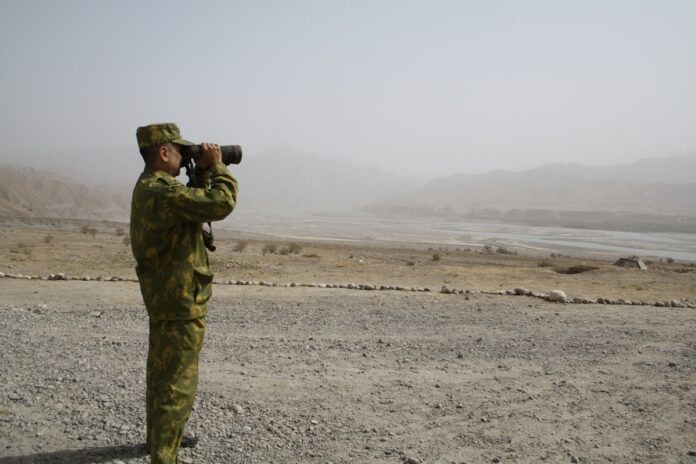
Tajikistan’s Prosecutor-General Habibullo Vohidzoda said attacks launched from Afghan territory on border districts of Tajikistan, which left two Tajik border guards and five Chinese nationals dead, were carried out by criminal groups seeking to “undermine our relations with the Chinese government.”

Speaking at a news conference in Dushanbe late last week, Vohidzoda referred to armed clashes that took place in late 2025 in the Shamsiddin-Shohin district in the Khatlon province and the Darvoz district in the Gorno-Badakhshan Autonomous Region (GBAO)..

“Chinese citizens are engaged in road construction. Why kill them? This indicates that there are forces that do not want peace and stability or are trying to damage our relations with China. We will investigate and clarify all circumstances within the framework of criminal proceedings,” the prosecutor general said.

He added that criminal cases have been opened and investigations are ongoing. According to Vohidzoda, most Chinese nationals in Tajikistan are employed in road construction, while others work in stone and gravel processing enterprises.

Over the past week, this has been the third public comment by Tajik officials regarding the recent incidents along the Tajik-Afghan border.

Earlier, Khayriddin Usmonzoda, head of the Center for Strategic Studies under the President of Tajikistan, said the attackers belonged to armed groups not subordinate to Afghanistan’s current authorities.

Foreign Minister Sirojiddin Muhriddin stated that security agencies of the two countries are cooperating to prevent further incidents.

On November 26 and 30 last year, two attacks targeted facilities in border districts — first a mining company base in the Shamsiddin-Shohin district, and then a construction company in the Darvoz district. Five Chinese nationals were killed and five others injured.

Tajikistan condemned the attacks and demanded that the Taliban* detain those responsible. Following the clashes, Tajik and Taliban representatives reportedly held several meetings, though no official details were released.

The Chinese Embassy in Dushanbe urged its citizens to leave border areas of Tajikistan and Afghanistan and to refrain from traveling to those regions.

*The Taliban movement is banned in a number of countries.

Asia-Plus launches special project on animal protection

0

Asia-Plus Media Group has launched a new special project titled “Right to Life,” dedicated to animal protection in Tajikistan. The editorial team says the initiative responds to the growing urgency and sensitivity of the issue in the country.

Animal welfare remains insufficiently regulated in Tajikistan. There is no comprehensive legislation in place, cases of animal cruelty continue to occur, and the issue of stray animals is often addressed through culling.

Incidents involving dog attacks on people regularly generate public concern and fear. However, the project’s authors note that responsibility for individual cases is often extended to all stray animals, leading to harsher measures rather than systemic solutions.

Meanwhile, the country’s few animal shelters and volunteers largely rely on personal initiative and donations to continue their work.

The issue extends beyond stray animals. Conditions in zoos have repeatedly drawn criticism from animal rights advocates and the public. Reports of wild animals being traded on social media have also raised serious concerns. Contact zoos continue to operate despite ongoing debates about the ethics of profiting from animal exploitation. Dog fighting, though officially banned and publicly condemned, still attracts spectators.

The “Right to Life” project aims to serve as a platform for collective action, featuring rescue stories, expert opinions, and proposals for change.

Readers are encouraged to share their experiences, support shelters, and contribute ideas. The project team can be contacted at [email protected].

Asia-Plus emphasizes that attitudes toward animals reflect the responsibility and maturity of society — and that meaningful change requires joint efforts.

Man detained in Dushanbe on suspicion of illegal religious teaching and child abuse

0

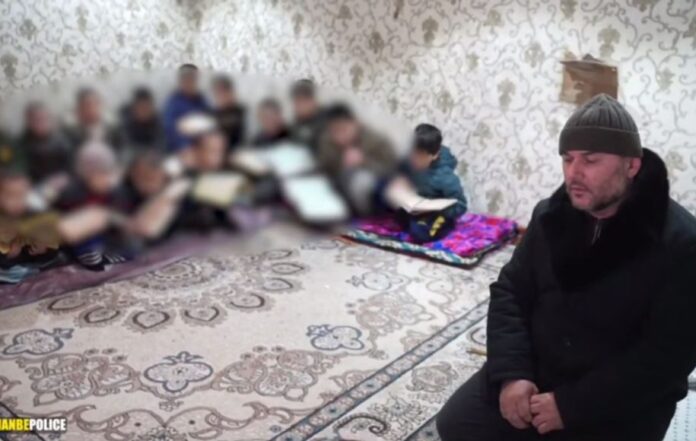
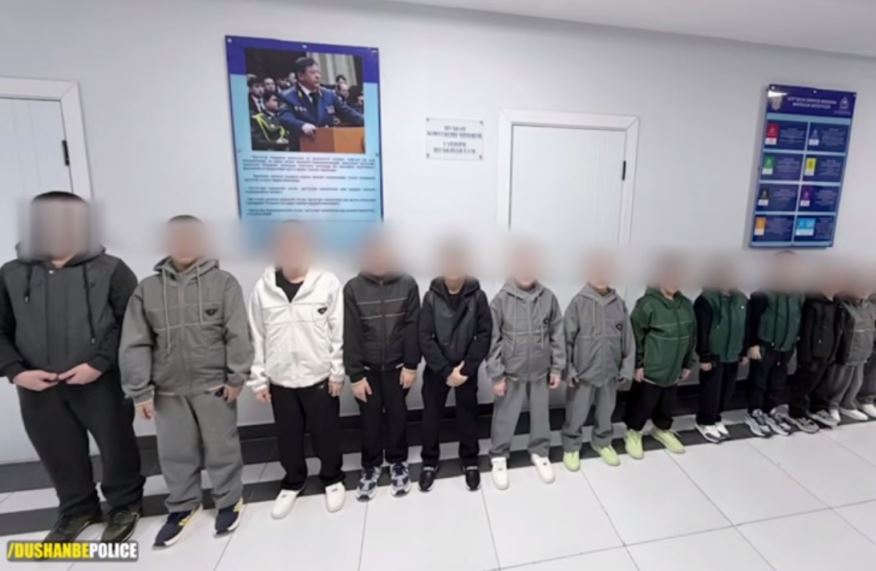
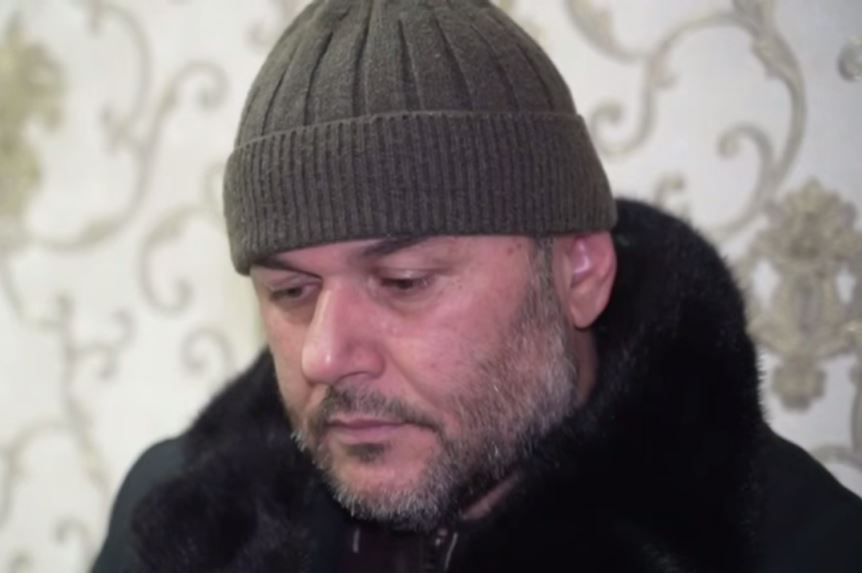
A 46-year-old resident of the Vakhsh district in Khatlon province, Abdullo Aslamov, has been detained in Dushanbe on suspicion of organizing illegal religious education and abusing 13 minors, the Dushanbe Police Department reported.

According to police, the suspect rented an apartment on Ayni Street for 10,000 somoni per month. Law enforcement authorities allege that he organized unauthorized religious classes in the apartment, during which he used physical violence against the children.

The minors were reportedly kept in a cramped, dark room under unsanitary conditions. Inspections found that the children had developed various infectious diseases and had bruises and other signs of physical abuse.

Police stated that the apartment owner was aware of the situation but did not report it to authorities, as she was receiving rental payments.

According to investigators, Aslamov, born in 1978, has a secondary education and said he received his religious knowledge from his brother. Police also noted that in 2014, while serving as imam-khatib of the Abu Bakr Siddiq mosque in Vakhsh district, he was detained in connection with illegal drug trafficking.

In a video released by the Interior Ministry, authorities said the children had been deprived of outdoor walks and contact with their parents. According to law enforcement, some had not seen their families for three to eight months.

The minors reportedly said they often went hungry, fell ill, and missed their families but were afraid to complain due to fear of punishment.

In the video, Aslamov stated that the children did not go outside and that their parents paid him 3,000 somoni each for religious instruction. He claimed the funds were used for food and rent.

Police also allege that, in addition to the 13 children, the suspect withdrew his own four children from school. Some of them, despite being of school age, are unable to read or write.

Criminal proceedings have been instituted against Aslamov under two articles of Tajikistan’s Criminal Code: Articles 117 — torture/abuse; and 164 — obstruction of education.  He remains in custody. Separate cases under Article 164 have also been initiated against nine parents. The investigation is ongoing.

In 2018, amendments to the law “On Freedom of Conscience and Religious Associations” banned religious education outside state institutions. Authorities have previously closed a number of religious schools, citing the need to prevent youth involvement in extremist and terrorist organizations. 

Prosecutor-general confirms dismissal of Bouston prosecutor after restaurant incident

0

Tajikistan’s Prosecutor-General Habibullo Vohidzoda has confirmed that Bouston city prosecutor Abduqahhor Azizov was dismissed following a conflict at the Parliament Hotel restaurant in Khujand.

Speaking at a news conference on February 13, Vohidzoda said Azizov was “relieved of his post and dismissed from the prosecution authorities” for violating internal regulatory acts.

The prosecutor general noted that a similar disciplinary measure had previously been taken against the former prosecutor of Khatlon province.


What happened at the restaurant

Azizov’s name became widely known in January after Radio Liberty’s Tajik Service, known locally as Radio Ozodi, citing sources and video footage, reported on a conflict between the prosecutor and the hotel owner, Parviz Ashourov.

According to the Prosecutor-General’s Office, the incident occurred on the night of December 20, 2025, between 11 p.m. and midnight. A dispute broke out between Azizov and Ashourov inside the hotel restaurant, after which the prosecutor left the premises.

Later, Ashourov’s son, having learned of the incident, arrived at the hotel with friends to clarify the situation. Upon seeing Azizov outside the building, they assaulted him. The prosecutor sustained moderate bodily injuries.

Two individuals — Nazrullo Mustafozoda and Abdurahmon Ahmadov — have been charged under Article 237, Part 2(a) of Tajikistan’s Criminal Code — hooliganism. The case has moved to a court.  

Vohidzoda stressed that prosecutors are required to comply with internal regulations and disciplinary rules. Violations may result in disciplinary action, including dismissal.

“A decision has been made to dismiss and remove Azizov Abduqahhor from the prosecution authorities for failure to comply with internal regulations,” he said.

Journalists have not yet been able to obtain comments from Azizov or the hotel owner.


Dismissal of the Khatlon regional prosecutor

At the same press conference, Prosecutor-General Vohidzoda also commented on the earlier dismissal of Khatlon regional prosecutor Avaz Nazarzoda, whose removal had not previously been fully explained.

On November 3 last year, Nazarzoda was dismissed by presidential decree “for committing an act discrediting the honor and dignity of a law enforcement officer” and removed from the prosecution authorities. The specific details of the incident were not publicly disclosed.

According to Vohidzoda, the dismissal was likewise related to violations of regulatory acts.

“Regulatory acts are mandatory for all prosecution employees and are not applied selectively. Any employee who violates them is held accountable in accordance with the established procedure,” he said.

The prosecutor general did not specify what actions were deemed to have discredited the honor of the law enforcement officer.

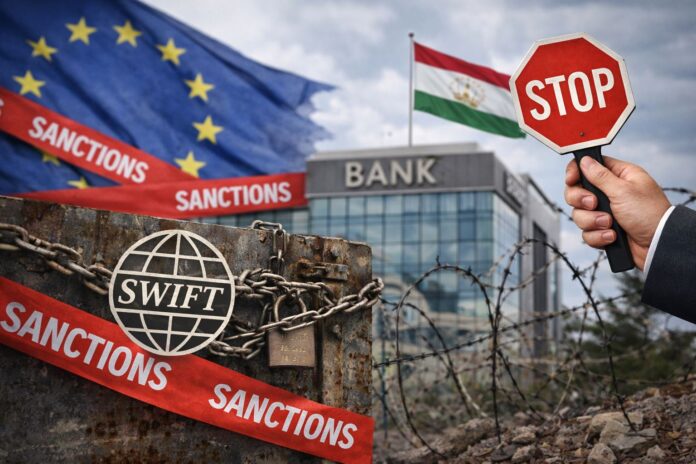
Tajik authorities seek removal of EU sanctions on its three banks

0

Tajikistan’s financial authorities are negotiating with the European Union to lift sanctions imposed last autumn on three commercial banks, Chairman of the National Bank of Tajikistan (NBT), Firdavs Tolibzoda, said at a news conference in Dushanbe on November 13.

According to Tolibzoda, a special working group has been established and has already held several meetings with EU representatives. An authorized EU official has been appointed to discuss the possible review of the restrictions.

The National Bank chief said domestic banks are strengthening their sanctions compliance systems to prevent violations and prohibited transactions. Banking legislation is also being revised to reduce the risk of future sanctions.

At the same time, Tolibzoda acknowledged that the restrictions have already had a negative impact and may continue to affect the banks’ operations despite enhanced controls.


How the banks were sanctioned

The sanctions against Open Joint-Stock Company (OJSC) Kommerzbank of Tajikistan, Closed joint-Stock Company (CJSC) Spitamen Bank, and CJSC Dushanbe City Bank were introduced under the EU’s 19th sanctions package against Russia and took effect on November 12 last year.

The EU Council prohibited European banks and companies from conducting transactions with certain financial institutions in third countries that Brussels believes may have facilitated the circumvention of anti-Russian sanctions. The list included entities from Tajikistan, Kyrgyzstan, Kazakhstan, the UAE, and Hong Kong.

The public version of the EU decision did not detail specific transactions or amounts, referring broadly to “assisting in sanctions circumvention” and “supporting the Russian economy.”


Practical implications

The sanctions bar European financial institutions from conducting any transactions with the listed banks, effectively blocking euro payments through European infrastructure and complicating international settlements.

Domestically, the banks continue to operate normally, with account services, card operations, and mobile banking unaffected. However, international transfers—particularly those involving Europe—are subject to additional checks and may take longer.

Experts note that even targeted sanctions increase scrutiny from foreign banks and payment systems, raising compliance costs and operational risks.


Reaction of authorities and banks

The day after the sanctions list was published, the NBT said it was analyzing the situation together with commercial banks and consulting international partners to minimize potential consequences.

The sanctioned banks described the measures as unfounded and assured clients that their operations remain stable. According to their statements, domestic transactions continue without restrictions, while alternative channels are being explored for certain international transfers.

Tajikistan’s Foreign Ministry expressed concern over the inclusion of the banks in the sanctions list and said steps are being taken to reduce potential damage. The government’s response has been measured, emphasizing dialogue rather than public confrontation.


Why it matters for the banking sector

Experts say the main challenge is not only the formal ban on transactions with the EU but also reputational risks. Being placed on a sanctions list can lead to stricter scrutiny by international partners, higher compliance costs, and the loss of correspondent banking relationships.

Even if domestic operations remain stable, international settlements may become slower and more expensive, while some foreign partners may limit cooperation due to heightened risk.

In this context, ongoing talks with the EU and efforts to strengthen sanctions compliance are seen as an attempt not only to lift restrictions on specific banks but also to reduce long-term risks for the country’s financial system.


About the sanctioned banks

The Kommerzbank of Tajikistan has operated since 2007 and has authorized capital of 370 million somoni. It focuses on cashless payments and support for small and medium-sized businesses. Its main shareholder (93%) is the insurance company Sughurtai Avvalini Milli.

The Spitamen Bank, established in 2014 on the basis of the microcredit institution Spitamen Capital, has authorized capital exceeding 180 million somoni. It is fully owned by Spitamen Insurance.

The Dushanbe City Bank received its banking license in 2022. Its authorized capital stands at 221 million somoni, with a 70% controlling stake held by Avesta Group.

Tajikistan to allocate 100 hectares for Paulownia plantations in 2026

0

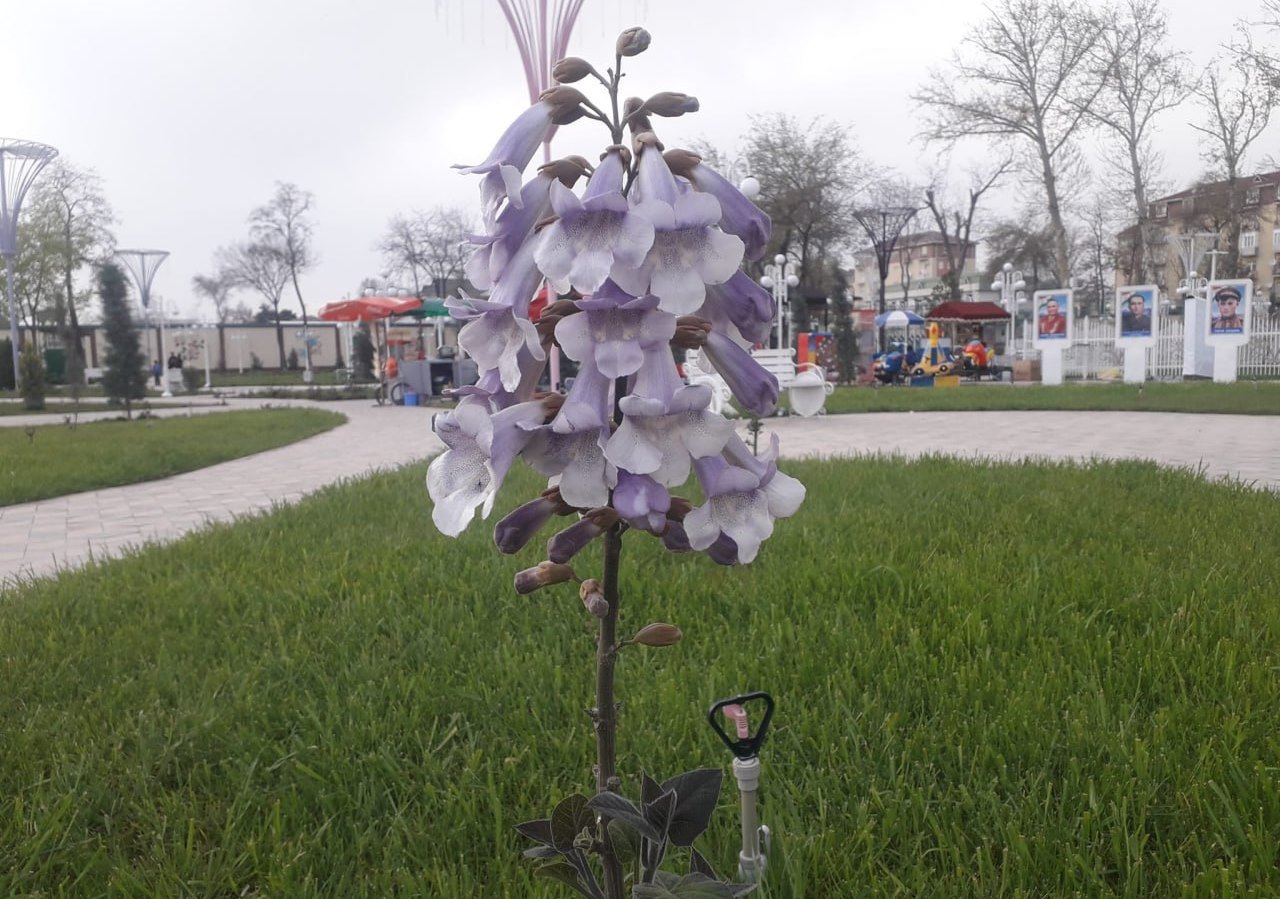
Tajikistan plans to plant paulownia trees on 100 hectares in 2026 as part of the 2024–2028 Paulownia Development Program.

The initiative aims to establish industrial plantations of the fast-growing tree to supply timber, boost beekeeping, produce livestock feed, protect agricultural land from erosion, and improve the country’s environmental conditions.

Why Paulownia?

According to the program, Tajikistan’s forests are largely composed of shrubs, making domestic production of commercial timber limited. As a result, up to 90–95% of construction timber is imported.

Experts believe that establishing industrial paulownia plantations using modern cultivation methods could help conserve natural resources and reduce pressure on existing forests.

Paulownia is a fast-growing species that can reach up to 30 meters in height. It is known for its large leaves and rapid growth. While adaptable to different soils, it performs best on irrigated and moderately moist land.

One of its key advantages is regenerative capacity: after being cut, the tree can regrow from its root system, which may remain viable for 70–100 years.

The program also highlights environmental benefits. A single tree can absorb up to 22 kilograms of carbon dioxide per year and release up to 6 kilograms of oxygen. A 10-hectare plantation could absorb up to 275 tons of CO₂ annually while helping prevent soil erosion.


Honey, feed, and timber

Paulownia is valued not only for timber production but also as a strong honey plant, capable of yielding up to 800 kilograms of marketable honey per hectare.

Its leaves can serve as livestock feed, with potential yields of 35–40 tons of green biomass per hectare annually, comparable in nutritional value to alfalfa.

The wood is lightweight, dries quickly, and is resistant to deformation, making it suitable for construction and furniture manufacturing. The biomass can also be used for pellets, biogas production, and heating.


Program targets and plans for 2026

The 2024–2028 program aims to expand industrial cultivation of paulownia, increase plantation areas, and reduce pressure on natural forests. It provides for the production of seedlings in forest nurseries, improved profitability of forestry enterprises, job creation, and continued scientific research.

Key indicators include the annual production of up to 100,000 seedlings, the establishment of more than 200 hectares of industrial plantations, and the development of research-based cultivation guidelines.

In 2026, the third phase of the 2024–2026 action plan, authorities plan to grow 100,000 seedlings in nurseries operated by the Forestry Agency and the Ministry of Agriculture. Funding for this component amounts to 3 million somoni.

An additional 75 hectares of industrial plantations are to be established in 2026, as part of a broader target of 200 hectares over three years. Funding for plantation development next year is set at 3.75 million somoni.

Some 30,000 somoni will be allocated for continued research, while 250,000 somoni will support the development of wood processing, including the creation of a small-scale timber enterprise.

Total funding for 2026 activities exceeds 7 million somoni. By 2028, the program envisions establishing at least 1,000 hectares of paulownia plantations across Tajikistan.

Paulownia is a genus of seven to 17 species of hardwood tree (depending on taxonomic authority).  They are present in much of China, south to northern Laos and Vietnam and are long cultivated elsewhere in eastern Asia, notably in Japan and Korea.

In China, it is popular for roadside planting and as an ornamental tree.  Paulownia needs much light and does not like high water tables.

The genus, originally Pavlovnia but now usually spelled Paulownia, was named in honor of Anna Pavlovna, queen consort of The Netherlands (1795–1865), daughter of Tsar Paul I of Russia. It is also called "princess tree" for the same reason.

Paulownia is extremely fast growing; up to 6 meters in one year when young.  Some species of plantation Paulownia can be harvested for saw timber in as little as five years.

Paulownia is also used in Chinese agroforestry systems because it grows fast, its wood is light but strong, its flowers are rich in nectar, its leaves make good fodder for farm animals, it is deep-rooting, and it is late-leafing and its canopy is quite sparse so that crops below it get both light enough to grow and shelter.

Victims’ lawyers seek life sentences in Crocus terror attack case

0

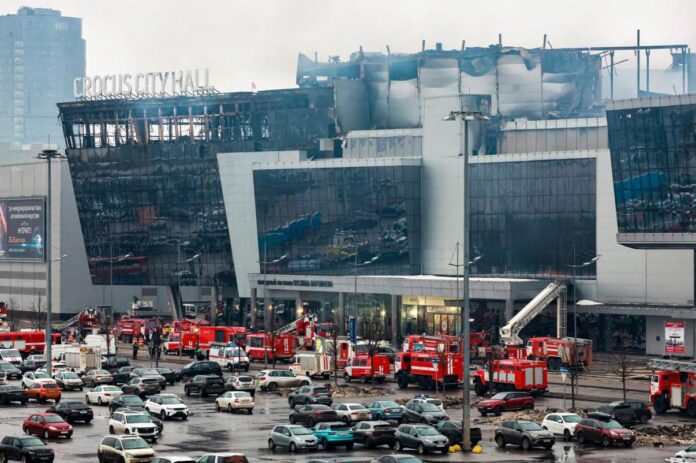
Lawyers representing victims in the Crocus City Hall terror attack case intend to seek the harshest possible punishment for all defendants, including life imprisonment. The statement was reported by TASS, citing attorney Lyudmila Ayvar.

Closing arguments in the case will be held behind closed doors at the 2nd Western District Military Court. The March 2024 attack on the Crocus City Hall concert venue left 149 people dead.

According to Ayvar, victims’ representatives will insist on “the most severe and fair punishment” for both the alleged perpetrators and other individuals involved, within the limits provided for by criminal law.

“This is not about revenge, but about justice and protecting society, as terrorism strikes not only specific individuals but also the overall sense of security in the country,” the lawyer said.

She added that victims believe the punishment must be inevitable and proportionate to the scale of the tragedy and the public danger posed by the crime.

The victims have also filed civil claims totaling tens of millions of rubles. However, Ayvar expressed skepticism about the possibility of actually recovering compensation, even if the court rules in their favor.

Earlier reports said the total amount of claims stands at around 66 million rubles. Approximately 1,700 individuals have been officially recognized as victims, along with mobile operators MTS and T2 Mobile and four organizations. Investigators estimate the total damage at roughly 6 billion rubles.


Court proceedings

The trial of 19 defendants began on August 4, 2025. Hearings are held three times a week by a panel of three judges of the 2nd Western District Military Court at a Moscow City Court facility.

The proceedings are closed to the public and media at the request of prosecutors, citing security concerns and the presence of classified materials. The court has also noted that disclosure of information could interfere with investigations into other alleged organizers and accomplices who remain at large.

Around 150 victims have chosen to participate personally in the trial and have testified in court. Enhanced security measures are in place at the courthouse.


Defendants in the case

A total of 19 individuals are on trial, including alleged perpetrators of the attack and their alleged accomplices. Among the defendants are Faridoun Shamsiddin, Dalerjon Mirzoyev, Muhammadsobir Fayzov, Saidakram Rajabalizoda, Umedjon and Mustaqim Soliyev, Shahromjon Gadoyev, Zubaydullo Ismoilov, Husein Homidov, Muhammadzohir Sharifzoda, Yaqubjon Yusufzoda, Lutfullo Nazrimad, Jumakhon Qurbonov, Husein Medov, Jabrail Aushev, Alisher Qosimov, as well as Isroil Islomov and his sons Dilovar and Aminjon. All have been placed on Russia’s list of terrorists.

After the indictment was read out, three of the four alleged direct perpetrators — Fayzov, Mirzoyev, and Shamsiddin — pleaded guilty, expressed remorse, and apologized to the victims. The fourth alleged gunman, Rajabalizoda, denied involvement in terrorist activity.

Isroil Islomov, his sons, and Zubaydullo Ismoilov, who was previously convicted in Tajikistan for public calls to violently change the constitutional order, also denied charges of assisting the attackers.

The remaining defendants partially admitted guilt but rejected accusations of terrorism-related crimes.

According to investigators, Faridoun Shamsiddin is considered the key organizer of the attack. Prosecutors allege he coordinated the group’s activities in Russia, conducted reconnaissance of the venue, purchased a vehicle for transportation, and received weapons allegedly delivered to Moscow by the Islomov family.

The terrorist attack occurred in the Crocus City Hall on March 22, 2024.  It resulted in the deaths of 146 people and left more than 550 injured.  The four attackers—Tajik nationals Muhammadsobir Faizov, Dalerjon Mirzoyev, Saidakram Rajabalizoda, and Faridoun Shamsiddin—attempted to flee but were apprehended in Bryansk Region and brought to Moscow.

OTS softens rhetoric on Tajikistan after Kyrgyz border deal

0

The Organization of Turkic States (OTS) has significantly recalibrated its approach toward Tajikistan, shifting from explicit solidarity with Kyrgyzstan during border clashes to more inclusive language following recent diplomatic breakthroughs.

An article by Lindsey Cliff, a junior fellow at the American Foreign Policy Council, traces the evolution of the OTS’s rhetoric since 2021, when tensions along the Kyrgyz-Tajik border escalated into armed confrontations.


From solidarity to strain

According to the analysis, six official OTS statements have addressed Tajikistan since 2021—all issued in the context of the border conflict with Kyrgyzstan. Early statements consistently emphasized “brotherly” solidarity with Kyrgyzstan, a founding member of the organization, while omitting similar recognition of Tajikistan.

An April 2021 statement, released during active clashes, referred to “brotherly Kyrgyzstan” and highlighted shared cultural and Islamic ties, while making no parallel acknowledgment of Tajikistan. It praised Kyrgyzstan’s “contribution to the re-establishment of peace” and pledged close contact with the Kyrgyz government—language widely interpreted as implicitly assigning blame to Dushanbe.

Subsequent statements followed a similar pattern. In January 2022, the OTS expressed support for Kyrgyzstan’s efforts to find a peaceful solution, while calling on both sides to pursue “good neighborliness and coexistence.” In September 2022, the organization went further, condemning what it described as aggression involving heavy military weapons against civilians, again voicing support for Kyrgyzstan.

Tajikistan responded sharply. The Foreign Ministry criticized the OTS Secretary General’s remarks as “deeply regrettable” and accused the organization of undermining bilateral diplomatic efforts. Dushanbe argued that the statements contradicted the OTS’s declared mission of contributing to global peace and stability.

For an organization seeking greater regional influence, the tension posed challenges. Tajikistan borders Kyrgyzstan, Uzbekistan, Afghanistan, and China, making its exclusion from regional frameworks strategically significant.


Diplomatic breakthrough and rhetorical shift

The turning point came in March 2025, when the presidents of Kyrgyzstan and Tajikistan signed a landmark border treaty in Bishkek, formally resolving the long-running dispute.

The OTS welcomed the agreement, describing it as achieved “through diplomacy and dialogue.” While the statements did not immediately adopt the same “brotherly” terminology previously reserved for Turkic member states, they avoided the one-sided tone of earlier communications.

A more notable shift followed on March 31, 2025, after a trilateral summit between Kyrgyzstan, Uzbekistan, and Tajikistan in Khujand. For the first time, the OTS Secretary General referred to the three countries as “brotherly nations,” explicitly extending fraternal language to Tajikistan, a non-Turkic state.

The statement praised the summit as “epochal” and commended the three countries’ efforts to deepen regional partnership. However, it also reiterated support for “unity and cooperation among Turkic and neighboring states,” indicating that Tajikistan remains positioned as a partner rather than a core member.


Practical necessity and institutional maturation

Analysts suggest the rhetorical shift reflects both changing realities on the ground and the organization’s broader ambitions.

With armed clashes subsiding and a formal treaty in place, the OTS faced less pressure to publicly side with Kyrgyzstan. At the same time, the organization has been expanding its outreach. At the 2025 Gabala Summit, it launched the “OTS Plus” framework aimed at engaging non-member states. Maintaining openly critical language toward Tajikistan while promoting inclusivity would have risked undermining that initiative.

Uzbekistan’s role may also have been influential. Since joining the OTS in 2019, Tashkent has promoted improved relations with its neighbors and hosted the March 2025 trilateral summit. Observers suggest Uzbekistan may have encouraged a more balanced approach within the organization.


Balancing identity and regional cooperation

Cliff’s analysis argues that the OTS’s evolving rhetoric illustrates a broader tension between its ethnolinguistic foundation and the practical demands of regional cooperation.

Founded in 2009 as the Turkic Council and rebranded as the Organization of Turkic States in 2021, the OTS includes Azerbaijan, Kazakhstan, Kyrgyzstan, Türkiye, and Uzbekistan. Hungary, Turkmenistan, the Turkish Republic of Northern Cyprus, and the Economic Cooperation Organization hold observer status. The organization’s secretariat is based in Istanbul.

As the OTS seeks to expand its regional role, its ability to move beyond exclusive ethnic framing may prove decisive. The shift from pointed solidarity with Kyrgyzstan to inclusive references to Tajikistan signals a more pragmatic posture.

Whether the “OTS Plus” initiative will integrate non-Turkic states as equal partners or maintain a clear distinction between members and neighbors remains an open question. However, the recent rhetorical evolution suggests the organization is increasingly aware that regional stability requires broader inclusion.

For policymakers across Central Asia and beyond, the OTS’s next steps may offer a clearer indication of whether it can reconcile identity-based solidarity with inclusive regional diplomacy.