Home Blog Page 54

Tajikistan’s anticorruption agency reveals most corrupt government bodies of 2025

0

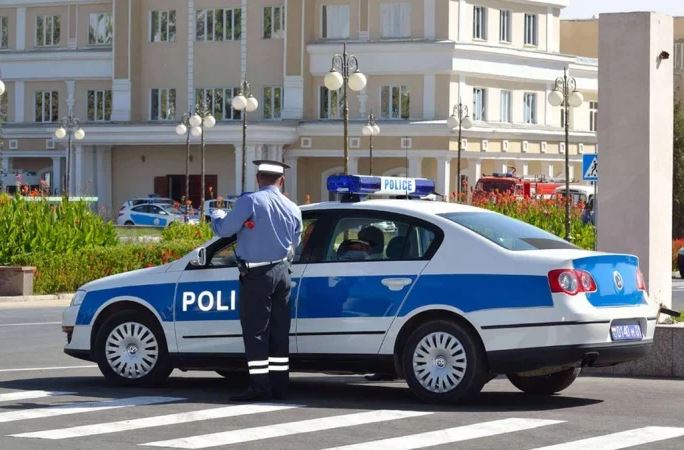
The International Airport of Dushanbe topped the list of the most corrupt government bodies in Tajikistan for 2025. The second spot was taken by the State Traffic Police (GAI) of the Ministry of Internal Affairs. These figures were announced by the Agency for State Financial Control and Combating Corruption at a news conference in Dushanbe.

According to the agency, one department of the GAI was found to have caused financial damage amounting to over 240 million somoni. "Criminal cases have been initiated against officials of the Department of State Examination Registration at the Ministry of Internal Affairs for registering and issuing license plates for 2,725 vehicles without customs clearance," said the agency’s deputy head, Firouz Kamolzoda.

He also added that during the investigation, over 253 million somoni, which were lost due to unpaid customs fees, were recovered for the national budget from those involved in the crimes, as well as from entrepreneurs and individuals who illegally imported vehicles.

The head of the anticorruption agency, Sulaymon Sultonzoda, noted that the largest damage from corruption was identified in the following institutions:

·         International Airport of Dushanbe — 319.3 million somoni;

·         State Traffic Police (GAI) of the Ministry of Internal Affairs — 248.4 million somoni;

·         Road Reconstruction Project Implementation Center — 18.3 million somoni;

·         State Unitary Enterprise (SUE) Water Supply and Sewerage — 5.9 million somoni;

·         Branch of the "Heat and Energy Supply Center 2" — 5.9 million somoni.

The Agency for State Financial Control and Combating Corruption publishes an annual list of government bodies with the highest number of corruption-related crimes. This list changes every year, but in recent years, local government bodies, health, education, defense, internal affairs, agriculture, and the Land Resources Management Committee have consistently ranked at the top.

Corruption remains one of Tajikistan’s major issues, with dozens of government officials arrested every year for bribery.

According to Transparency International’s Corruption Perception Index (CPI), Tajikistan ranked 166th out of 182 countries in 2025, scoring 19 out of 100, where a lower score indicates a higher level of corruption.

Tajik Ministry of Defense: “AI-generated military images must comply with armed forces regulations”

0

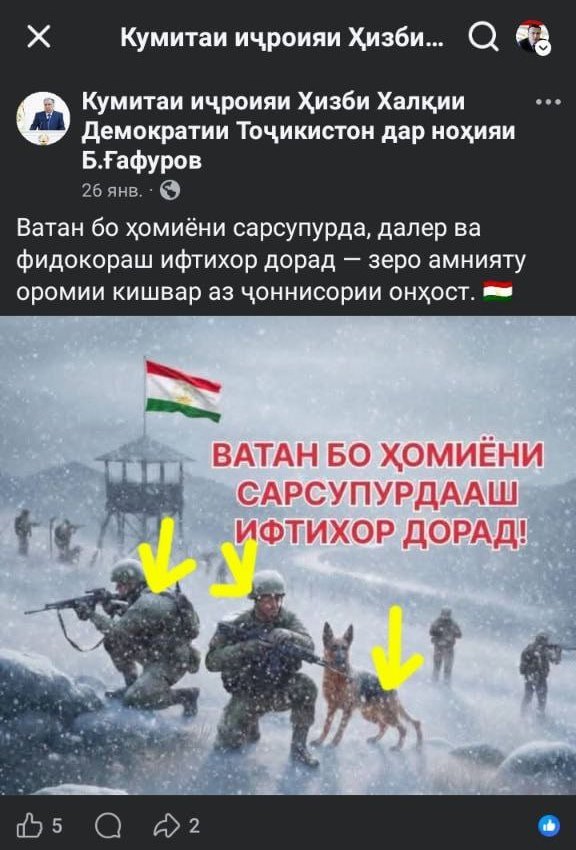
The Ministry of Defense of Tajikistan has urged government ministries, agencies, and other state organizations, as well as users of websites and social media, to adhere to the regulations of the country's Armed Forces when creating images, advertisements, and other materials related to the military using artificial intelligence (AI).

In a post on its Facebook page, the Ministry expressed concern that recently, photos of soldiers and officers from the Tajik Armed Forces have been appearing on social media, depicted in various military uniforms that violate regulations and contradict official requirements.

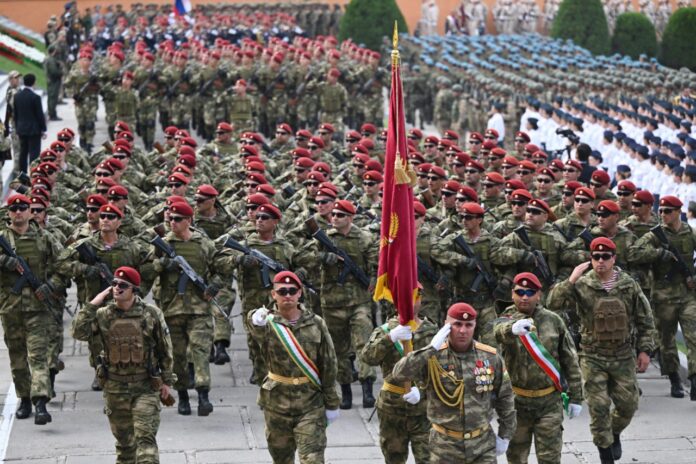
The Ministry provided screenshots from social media and government pages showing AI-generated images of soldiers in "inappropriate military uniforms."

“The military uniform of the country, depending on the branch of the armed forces and the structure of units, is strictly regulated and must include national symbols such as the flag, coat of arms, and unit emblems. These symbols represent patriotism, honor, and respect for national sanctities and are also an essential part of the Armed Forces' image both domestically and internationally,” the statement read.

As a result, the Ministry of Defense has called on all interested parties to develop and distribute visual materials, including photos created with AI, only with prior approval and permission from the relevant authorities.

However, the statement did not clarify which specific authorities must be involved in the "approval" process or what the specific requirements are.


Migrant workers from Tajikistan banned from working as couriers in Rostov region

0

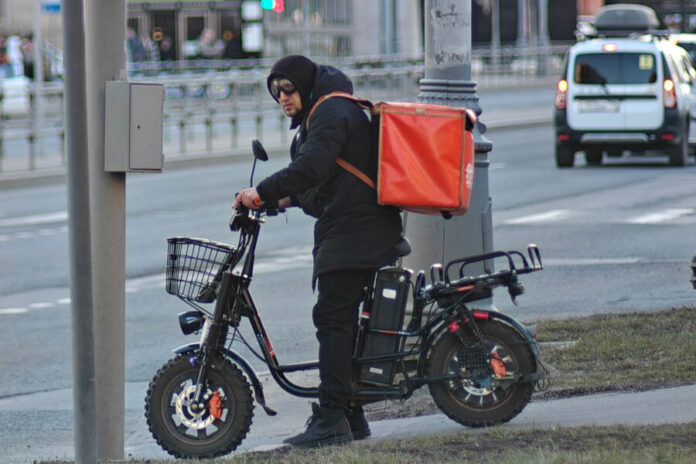
Authorities in the Rostov region have decided to prohibit foreign nationals, including migrants from Tajikistan, from working as couriers, as well as engaging in wholesale and retail trade of food, beverages, and tobacco products. The ban will be in effect from April 1 to December 31, 2026.

Additionally, foreign workers will be restricted from working in the land and pipeline transport sectors, as well as postal services. These measures are outlined in the decree issued by the governor of Rostov region on February 11, 2026, according to RBC.

Starting March 1, foreign nationals will also be prohibited from selling precious metals or working in fitness centers. The restrictions will only apply to those foreigners working under a patent. Citizens from the Eurasian Economic Union (EAEU) countries — Belarus, Kazakhstan, Armenia, and Kyrgyzstan — will not be affected by the ban.

However, citizens from countries such as Abkhazia, Azerbaijan, Moldova, Tajikistan, and Uzbekistan will still be required to obtain a patent to work in the Rostov region.

In 2025, the influx of migrants into the Rostov region increased by more than 5% compared to 2024. Most of the newcomers were labor migrants, a trend attributed to the rising cost of patents in neighboring regions.

Currently, over 400,000 self-employed couriers work in the region, with the proportion of foreign workers being lower than in Moscow and St. Petersburg. Despite this, foreign workers continue to play an important role in the local economy.


Statistics vs. wallet: Tajikistan’s rising income vs. stagnant quality of life

0

Tajik authorities claim that over the past decade, the country's population income has increased sixfold. But does this really translate into an improvement in the standard of living for most citizens, or is it just an increase in statistics?

The government of Tajikistan states that the total monetary income of the population grew from 26 billion somoni in 2015 to 165 billion somoni in 2025 — a sixfold increase. Official figures also show that the poverty rate in the country dropped from 32% to 19% over the same period. Additionally, the National Development Strategy until 2030 aims to reduce poverty to 10% and increase the share of the middle class to 50% in the next five years.

To understand whether income growth has truly impacted citizens' well-being, it’s essential to examine the sources of these income increases and how they have changed over the past decade.


What makes up the population's income

Simply put, population income refers to all the money people earn throughout the year. The primary sources of income are well-known:

·         Salaries

·         Pensions and social benefits

·         Income from entrepreneurial activities

·         Remittances from abroad

·         Other payments and receipts

We analyzed the main sources of monetary income for Tajikistan's population, based on official and international data, and compared how they have changed over the past ten years.

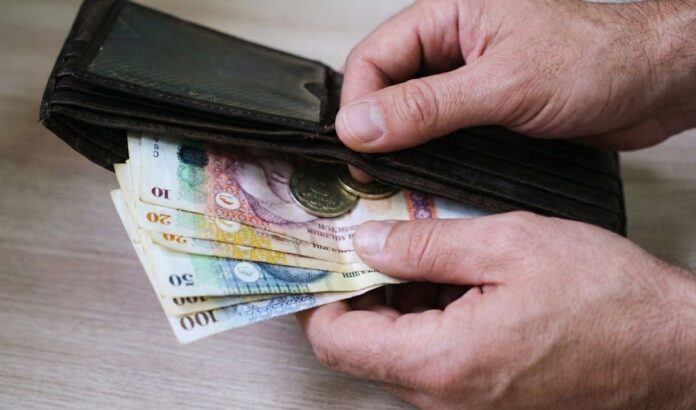
In November 2025, the average nominal salary in the country was 3,136 somoni, compared to 921 somoni in November 2015 — a 3.4-fold increase. The minimum wage during this period grew from 400 somoni to 1,000 somoni (a 2.5-fold increase). The average pension in late 2025 was 512 somoni, up from 230 somoni in 2015 — a growth of about 2.2 times. Benefits for low-income families rose from 400 somoni in 2015 to 825 somoni in 2025 — slightly more than double.

However, the largest source of income for many citizens continues to be remittances from labor migrants, a topic the authorities prefer not to discuss. According to the World Bank, remittances to Tajikistan reached $5.8 billion in 2024, compared to around $3 billion in 2015 — a 1.9-fold increase. Data for 2025 is not yet available.

To grasp the scale of migrant remittances, consider that the total government budget expenditures in 2024 amounted to 45.5 billion somoni. At the average exchange rate for 2024, this equals $4.2 billion. In other words, remittance inflows exceeded the total government budget by nearly a third in 2024.


Nominal growth doesn't equal real growth

It’s important to note that all the above figures are nominal. In simple terms, this refers to the growth of income in current prices, without considering how much goods and services have increased in price over the same period.

Nominal income tells us how much money a person earns in somoni, but real income answers a more crucial question: how many goods and services can be purchased with that money? If salaries have increased but prices have risen almost as much, technically, a person is wealthier, but in reality, they may not be.


Salary differentiation

However, average figures alone provide a general sense of income trends and don’t address the key question: who really benefits from this growth?

To understand how income changes have impacted people's lives, it's crucial to look at how income is distributed across different sectors of the economy and regions of the country. Even with official data showing an increase in nominal income, this growth has been highly uneven and has impacted different groups of the population in varying ways. The average figures conceal significant disparity — both across economic sectors and regions.

For example, in traditional sectors where a significant portion of the population works, wages remain significantly lower than the average.


Wage levels by sector

Agriculture and Forestry: the lowest wage level –1,342 somoni

Healthcare and Social Services: the average wage level – 2,337 somoni

Education: the highest wage level – 3,099 somoni


Workers in agriculture earn more than two times less than the national average, while those in the social sector only approach the average wage.

On the other hand, wages in some sectors of the economy are notably higher.


Wage Levels by industry

Construction: the lowest wage level – 3,799 somoni

Mining of Mineral Resources: the average wage level – 4,761 somoni

Telecommunications: the high wage level —  5,998 somoni

Financial Intermediaries: the highest wage level – 7,547 somoni


The wage gap between low- and high-paid sectors can reach five to six times, indicating deep social inequality and concentration of income growth in a limited number of industries.


Average nominal monthly salary by region in Tajikistan

Dushanbe: the capital of Tajikistan with the highest salary — 3588 somoni

Sughd Province: northern region with moderate salary — 2591 somoni

Districts Subordinate to the Center: central regions with below-average salary — 2366 somoni

GBAO (Gorno-Badakhshan Autonomous Region): mountainous region with the lowest salary — 2313 somoni

Khatlon Province: southern region with the lowest salary — 2238 somoni


Regional inequality is also pronounced. In January-November 2025, the average nominal salary in Dushanbe was significantly higher than in the lowest-paying regions, with the gap exceeding 1.5 times. For people in these regions, it means fewer opportunities to cope with rising prices and currency depreciation using their income.

As a result, wage growth in Tajikistan has been mainly felt by workers in certain narrow sectors of the economy and residents of the capital. For much of the population, particularly those working in agriculture, the social sector, and the regions, income growth has primarily offset inflation rather than improved living standards.


Growth driven by external sources

Another crucial factor that influences income levels in Tajikistan but isn’t reflected in official statements about wealth growth is remittances from labor migrants. For a significant portion of households, remittances remain a key source of income, often surpassing domestic earnings.

As noted earlier, according to the World Bank, in 2024, remittances amounted to $5.8 billion, nearly double the level in 2015. This makes Tajikistan one of the most dependent countries on external financial flows.

The scale of this income source is particularly evident when compared to domestic financial indicators. Remittances are comparable to, and in some years even exceed, the government’s budget. A significant portion of domestic consumption is financed not through the internal economy and labor productivity, but through the earnings of citizens abroad.

However, remittances are distributed extremely unevenly. Not all households receive them; they are mostly received by families whose members work abroad. For these families, income growth can indeed be substantial and help offset inflation, the depreciation of the somoni, and rising prices. But households that don’t receive remittances remain much more vulnerable, relying solely on domestic income, which, as shown earlier, grows unevenly and often lags behind price increases.

Thus, remittances distort average income figures: they inflate total numbers and create the impression of rapid wealth growth, even though a significant portion of the population either doesn’t feel this growth or experiences it to a much lesser degree.

Moreover, remittances are an external and unstable income source, directly dependent on the economic situation and migration policies of other countries. Any external shocks can quickly affect household income levels inside the country, making this growth model vulnerable in the long run.


Inflation effect

Over the past decade, Tajikistan has faced various levels of inflation — from a record low of 3.5% to 9.0%. According to official data, consumer prices grew by about 1.8 to 2 times from 2015 to 2025, meaning goods and services that cost 100 somoni in 2015 now cost 180–200 somoni on average.


Inflation rates in Tajikistan (2015-2025)

·         2015: 5.1%

·         2016: 6.1%

·         2017: 6.7%

·         2018: 5.4%

·         2019: 8.0%

·         2020: 8.6%

·         2021: 9.0%

·         2022: 6.6%

·         2023: 3.7%

·         2024: 3.6%

·         2025: 3.5%


While average wages have increased 3.4 times, pensions 2.2 times, and benefits about 2 times, prices have risen nearly twofold over the same period. In reality, this means that the actual growth in well-being is much more modest than what the nominal figures suggest.

For pensioners and benefit recipients, income growth has only slightly outpaced price increases, sometimes barely compensating for inflation. Even wage growth, in real terms, is far lower than the reported figures.


Currency depreciation and dependence on imports

Even with inflation accounted for, growth in income in somoni doesn't provide a complete picture of real prosperity. For Tajikistan, it's essential to consider another factor — the exchange rate of the somoni to the US dollar.

According to the National Bank of Tajikistan, the exchange rate was 5.3 somoni to $1 on January 1, 2015, and 9.25 somoni to $1 on December 31, 2025. This means the national currency has weakened by approximately 1.7 times. As a result, the purchasing power of incomes in somoni has been reduced not only by rising domestic prices but also by the depreciation of the currency.

For a country heavily reliant on imports, this is particularly significant. By the end of 2025, Tajikistan's imports exceeded exports by more than 3.3 times, with imports amounting to $8.3 billion and exports only $2.5 billion. This imbalance means that a significant portion of goods consumed within the country is purchased in foreign currency and directly dependent on exchange rates.

In these conditions, the devaluation of the somoni inevitably impacts the cost of imported goods such as food, daily necessities, fuel, medicines, and household goods. Even with nominal income growth, a significant portion is used not to improve living standards, but to compensate for the rising cost of imported goods.


Why income growth doesn't always mean improved quality of life

Thus, the sixfold increase in nominal income does not provide a clear answer regarding the real improvement in living standards in Tajikistan. After analyzing the main sources of income, doubts have arisen about the sixfold growth.

·         Firstly, income growth has been uneven — both across economic sectors and regions. A significant portion of the population continues to work in low-paying industries where income increases have only partially offset price growth.

·         Secondly, a substantial part of the "average" figures is driven by remittances from abroad, which are not available to everyone and depend on external factors unrelated to the development of the domestic economy.

·         Thirdly, rising prices and the weakening of the somoni have significantly reduced the purchasing power of incomes, particularly for goods and services with a high import component.

As a result, the nominal income growth is real, but the quality of life has improved much more slowly, or not at all, for a significant portion of the population. This is why, when evaluating social and economic successes, it’s essential to look beyond aggregate figures and consider how these changes are felt in people’s daily lives.
 

Kazakhstan’s foreign minister visits Freedom IT-Hub in Dushanbe

0

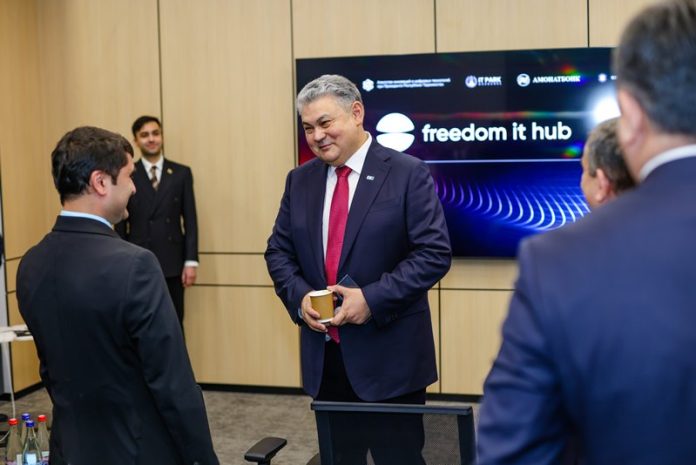
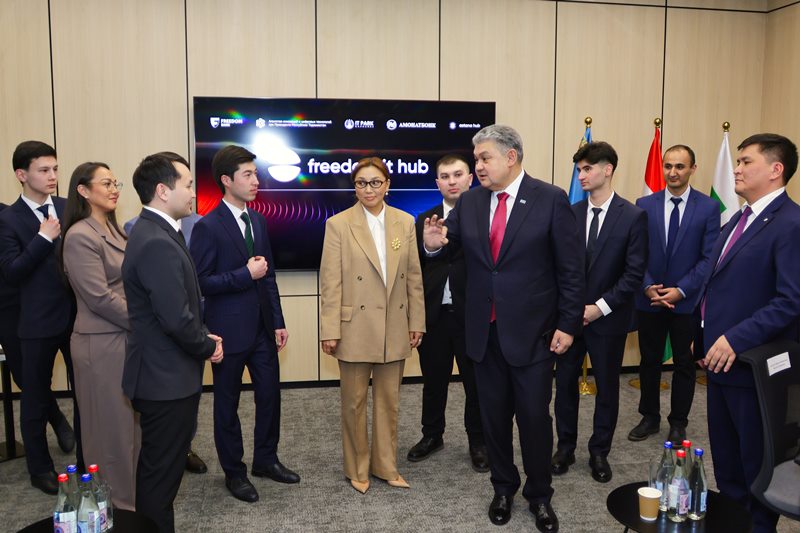
On February 16, Kazakhstan's Foreign Minister, Ermek Kosherbayev, who is on an official visit to Tajikistan, visited the Freedom IT-Hub in Dushanbe. The technology hub, which was created as part of the collaboration between the Republic of Kazakhstan and the Republic of Tajikistan and began full-scale operations from the fall of 2025.

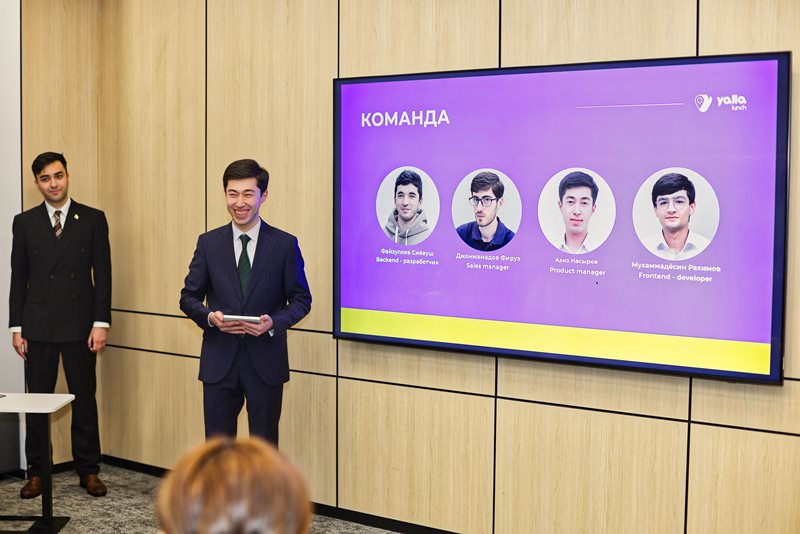
During the visit, the guests were given a tour of the Freedom IT-Hub and introduced to the hub's residents, who showcased their latest innovative projects. These projects ranged from solutions in artificial intelligence and data analytics to digital services.

Also present at the meeting were Tajikistan’s Deputy Foreign Minister, Sanoi Boyzoda, Kazakhstan’s Ambassador to Tajikistan, Valikhan Turekhanov, the First Deputy Director of the Innovation and Digital Technologies Agency under the President of Tajikistan, Hakim Ismoilzod, the Chairman of Freedom Bank Kazakhstan, Gulfayruz Akhmetova, and the Chairman of Freedom Bank Tajikistan, Dauren Nisinbayev.

The Freedom IT Hub was established in the fall of 2024 based on a structural unit of Freedom Bank Tajikistan, under the auspices of the Autonomous Cluster Fund "Astana Hub." The initiative aims to develop digital competencies, support technological entrepreneurship, and create a sustainable environment for training IT specialists.

The hub brings together students, experts, and entrepreneurs, offering infrastructure, educational programs, and opportunities for professional growth.

Since 2025, Freedom IT Hub has operated in a technical mode, and from the fall of 2025, it began full-scale operations. During this time, more than 80 events have been held, engaging over 2,000 participants, including IT workshops, educational programs, and startup pitch events.

Key initiatives include a six-month AI Bootcamp, a data analytics hackathon, the national team's participation in the European Girls’ Olympiad in Informatics (EGOI 2025), and the regional stage of ICPC Tajikistan 2025.

"Freedom IT-Hub reflects the joint efforts of both sides to develop digital technologies, human capital, and an innovative environment. Our main goal is to contribute to the sustainable development of Tajikistan’s economy and technology sector. We are pleased that the events already held at the hub help foster engaged professional communities," said Dauren Nisinbayev.

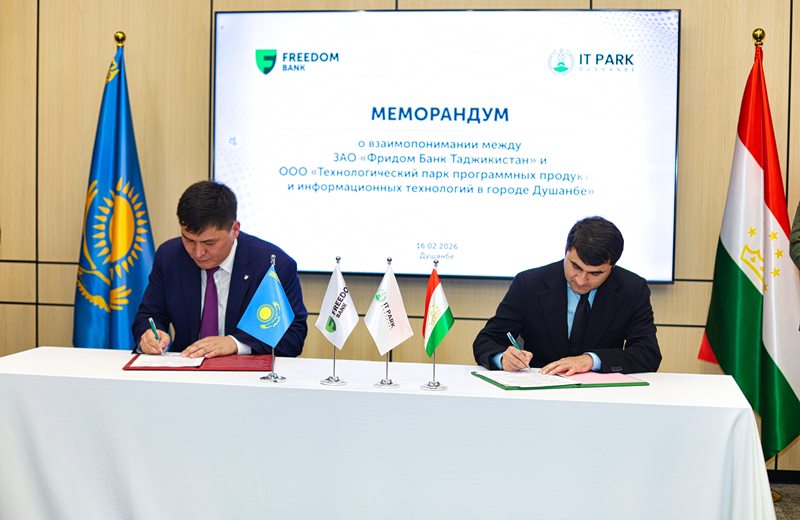
On Monday, Freedom Bank Tajikistan and IT Park Dushanbe signed a Memorandum of Understanding aimed at developing and strengthening partnership relations based on mutual trust.

The memorandum outlines support for the intellectual development of youth, involving them in innovative processes, and implementing joint educational and entrepreneurial projects utilizing the potential of both parties.

Uzbekistan plans to launch “Mirzo Ulugbek” satellite and prepare first astronaut

0

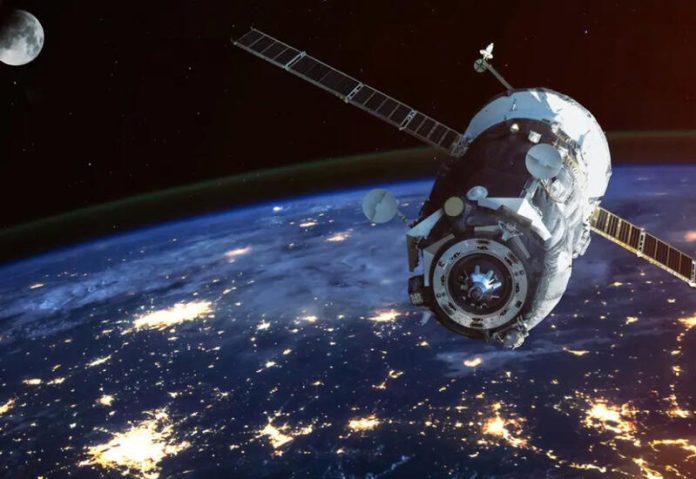
Uzbekistan has begun preparing specialists and forming an engineering team to create its first national scientific satellite, "Mirzo Ulugbek," in a 6U format. The satellite's launch is scheduled for 2028. Additionally, the country plans to train its own astronaut. These goals were outlined as strategic by President Shavkat Mirziyoyev, Fergana news agency reports, citing the Uzbek president’s official website. 

During a meeting chaired by the president, it was noted that global competition has entered a new phase. Today, economic power is defined not by the volume of natural resources but by technological levels and intellectual potential. In this context, the space industry is acquiring particular strategic importance.

In a relatively short time, Uzbekistan has reportedly achieved significant results in the use of space data. The country has implemented a state space monitoring system, operating in a proactive mode, according to the statement.

Experts estimate that the demand for Earth remote sensing data has tripled. The space monitoring system is now connected to over ten government agencies, as well as all local administrations (khokimiyats) of regions, districts, and cities.

"The most important thing is that, thanks to space data, we are finding economic opportunities that are invisible to the naked eye and turning them into real sources of income," emphasized Mirziyoyev.

At the same time, there is an urgent need to establish a long-term, sustainable national space system, which includes satellite management infrastructure, data processing, and practical applications. This is the rationale behind the initiative to launch Uzbekistan's own satellite.

Currently, international experience has been studied, and key technical parameters of the spacecraft, including accuracy and payload requirements, have been defined.

Special attention was given to the project of preparing the first Uzbek astronaut. According to Mirziyoyev, this is not a symbolic step but a reflection of the country's scientific potential, the ambitions of its youth, and a source of national pride.

The plan is to train an astronaut for a short-term flight lasting 10-14 days with a clearly developed scientific program. The project's implementation aims not only to enhance Uzbekistan's international image but also to stimulate new technological initiatives and increase youth interest in science and engineering.

Potential areas of research during the astronaut's stay in orbit include medicine and biology, plant genetics, and materials science.

Additionally, the initiative to hold the International Astronautical Congress in Samarkand in 2028 was discussed at the meeting. Leading space organizations from the USA, China, India, Russia, and Europe have already expressed interest in participating. The Uzbek president has tasked responsible agencies with ensuring high-level organizational preparation for the event. 

405 people released from liability in Tajikistan for ‘liking’ extremist-related content

0

Tajikistan’s investigative authorities have released 405 individuals from criminal responsibility for "liking" extremist and terrorist-related content over the past year. This was announced by the General Prosecutor of Tajikistan, Habibullo Vohidzoda, at a news conference in Dushanbe on February 13.

These individuals were cleared of criminal liability following a directive from the country's president, urging authorities to refrain from initiating criminal cases related to "likes," comments, and reactions on social media posts with extremist and terrorist content. This also followed amendments to the Criminal Code.

The law "On Amendments to the Criminal Code," which removes criminal responsibility for "likes," reposts, and other forms of digital reactions on social media, was signed by President Emomali Rahmon on May 14, 2025.

"In 2025, 405 individuals were exempted from criminal responsibility under the relevant amendments to the Criminal Code of Tajikistan, relating to crimes of an extremist and terrorist nature," said Vohidzoda.

The General Prosecutor also noted that following the release of these individuals from criminal responsibility, the number of terrorist and extremist-related crimes decreased by 314 cases, or 23.3%, compared to 2024.


How the 'like law' came and went

It should be noted that changes to Article 179 of the country’s Criminal Code, which criminalized public calls for terrorist activities and the justification of terrorism—including actions on the internet—were introduced in 2018.

"Likes," reposts, and comments on materials related to extremism and terrorism were considered as evidence of involvement in criminal activity. Under these amendments, such actions were punishable by imprisonment for a term ranging from 5 to 15 years.

For several years, the law led to the detention and imprisonment of numerous individuals under these charges. In April 2025, the First Deputy General Prosecutor, Umed Karimzoda, reported that 1,507 people were incarcerated for "liking" internet videos and posts, as well as writing "comments and remarks of a terrorist and extremist nature."

Six years after this amendment, in October 2024, President Emomali Rahmon criticized the practice of initiating criminal cases for "likes" and reposts on the internet, demanding its abolition.

Subsequently, in April of the following year, the country's parliament reviewed and approved an amendment to the Criminal Code, decriminalizing "liking" posts and videos. The law was signed by the president on May 14, 2025.

Following the law's implementation, discussions began regarding the review of previous sentences.

Tajikistan’s legislation allows for the review of sentences issued in cases involving "likes" and reposts of materials posted on social media. However, on February 12, Rustam Mirzozoda, the Chairman of the Supreme Court, reported at a press conference that in 2025, no petitions for the review of such cases had been filed in the country's courts.

Russia approves agreement allowing migrants from Tajikistan to undergo medical exams before entering Russia

0

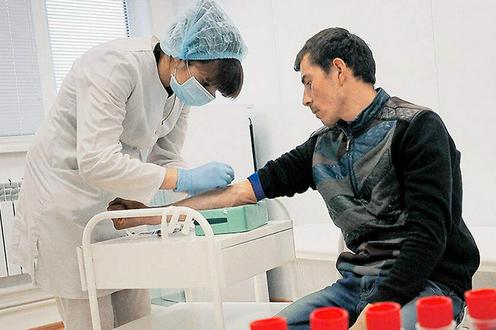
The Russian government has approved an agreement with Tajikistan regarding the medical examination of labor migrants from the country before they enter Russia, TASS reported on February 12.

The document stipulates that mandatory medical check-ups will be conducted in Tajikistan prior to arrival in Russia, which is expected to streamline the process for legal employment.

According to a decree published on the official legal information portal, the agreement was signed by the governments of Russia and Tajikistan on October 9, 2025, in Dushanbe.

The intergovernmental agreement has been submitted for ratification to the State Duma.

As noted in the explanatory memorandum, the entry into force of the document will contribute to the development of bilateral relations and provide a legal framework for the medical examinations of labor migrants from Tajikistan.

According to various estimates from Russian and Tajik authorities, hundreds of thousands of Tajik citizens work in Russia every year. Remittances from labor migrants have traditionally played a significant role in Tajikistan's economy.

In recent years, requirements for foreign nationals entering Russia for work have become more stringent. In particular, it became mandatory to undergo medical exams to check for infectious diseases and drug use.

Until now, most migrants underwent medical examinations only after arriving in Russia, which increased financial costs and delays in processing documents.

The agreement signed in October 2025 allows for medical examinations to be conducted in Tajikistan according to standards that align with Russian requirements.

It is expected that this will reduce the time required to obtain patents and other permits, as well as lower the risk of being denied entry due to medical reasons.

The authorities of both countries emphasize that the document aims to streamline labor migration, increase transparency in procedures, and strengthen bilateral cooperation in employment matters.

Tajik president holds talks with Kazakhstan’s foreign minister to discuss cooperation

0

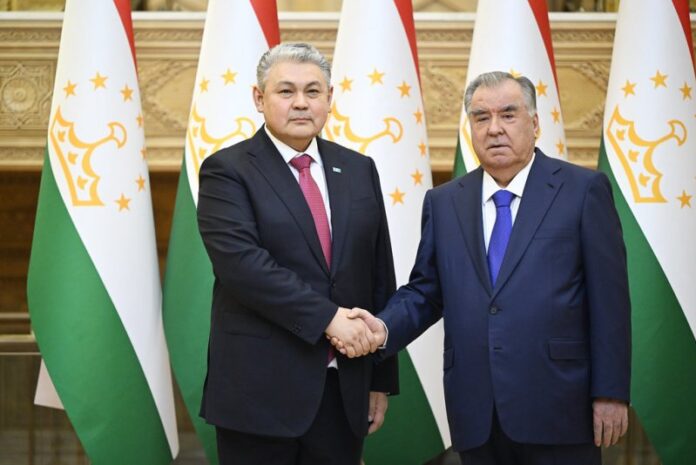
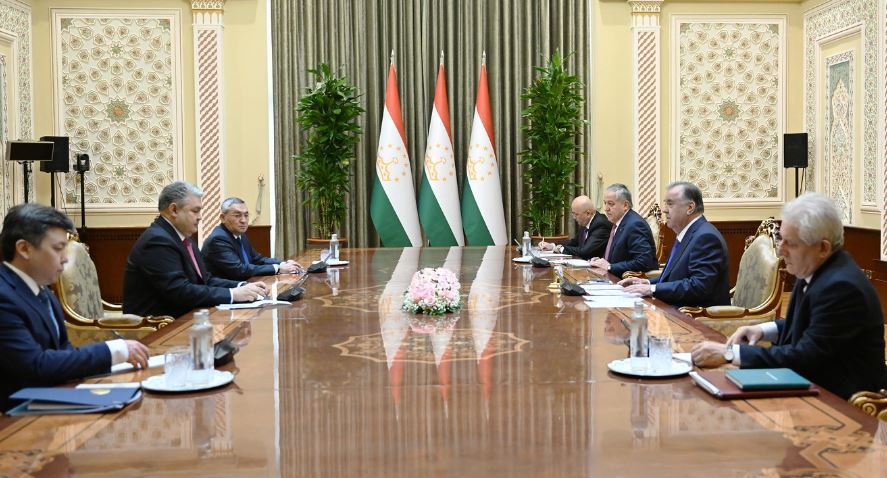
On February 16, President Emomali Rahmon held a meeting with Kazakhstan's Foreign Minister, Ermek Kosherbayev, who arrived in Tajikistan for an official visit.

The Tajik president’s official website says that welcoming the head of the friendly state's foreign ministry, President Rahmon emphasized Tajikistan's unwavering commitment to strengthening and expanding strategic partnerships and alliance relations with Kazakhstan. This partnership is based on mutual understanding, respect, and trust.

In turn, Ermek Kosherbayev reportedly expressed his gratitude to the Tajik side for the warm reception and highlighted President Rahmon's significant role in the consistent development of Tajik-Kazakh relations across all sectors.

During the talks, both sides discussed the current state and future prospects of bilateral cooperation in political, trade-economic, investment, and cultural-humanitarian spheres, as well as in the field of security. The importance of maintaining regular political dialogue was emphasized, and a schedule of upcoming high-level meetings was agreed upon.

Additionally, the exchange of views covered issues of cooperation within international and regional organizations, according to the Tajik president’s official website. 

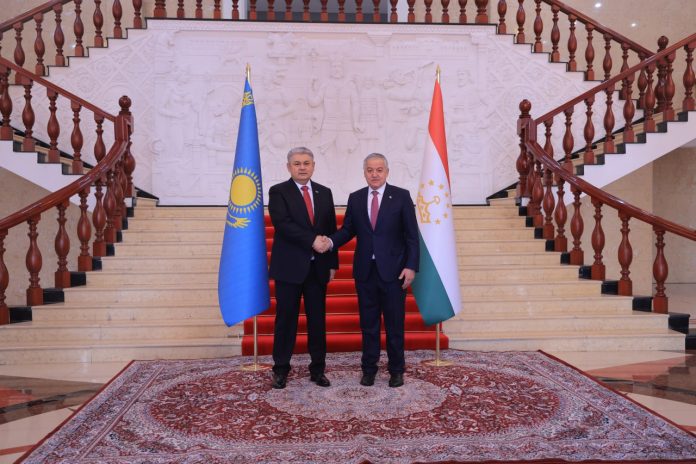
Earlier that day, Kazakhstan's Foreign Minister also met with his Tajik counterpart, Sirojiddin Muhriddin, to discuss the further strengthening of political dialogue, expanding trade and economic cooperation, and implementing joint investment projects. The discussions also addressed cooperation in the areas of energy, transport, and security.

Tajik, Kazakh top diplomats discuss economic and cultural cooperation

0

On February 16, a meeting took place in Dushanbe between the Minister of Foreign Affairs of Tajikistan, Sirojiddin Muhriddin, and his Kazakh counterpart, Ermek Kosherbayev, who is in the country on an official visit.

The talks were held in both narrow and expanded formats. The two sides discussed the current state and future prospects for the development of Tajik-Kazakh relations, according to the Tajik Ministry of Foreign Affairs (MFA)’s information department.

Particular attention was given to strengthening political dialogue, expanding trade and economic cooperation, and the implementation of joint investment projects. The discussion also covered areas of collaboration in energy, transportation, and security.

Both ministers reportedly emphasized the importance of developing cultural and humanitarian ties and reaffirmed their commitment to further strengthening the strategic partnership between the two countries.