Home Blog Page 53

Tajikistan: Starlink equipment registration now available on official website

0

Since 2026, the registration of Starlink satellite internet equipment in Tajikistan can be done through the company's official website. This was announced by the Communications Service under the Government of Tajikistan.

Users can now independently register their equipment by ordering it through the website starlink.com/tj.

The communications service agency clarified that the registration of users and equipment is handled by Starlink, which, in compliance with Tajikistan's laws, submits the necessary information to the authorized state bodies.

Previously, users had to visit the offices of the national provider, Tajiktelecom, to register terminals. To activate and register the  equipment, users are required to provide a copy of their passport (series and number), taxpayer identification number (TIN), phone number, and bank card details for payment.

Additionally, the communications service agency reminded that since February 5, 2026, Starlink services have officially launched in Tajikistan, and both individuals and organizations can now legally use satellite internet services.

Users who purchased and used the equipment before the official launch are advised to complete the registration procedure in accordance with the established process.

How Kyrgyzstan’s No. 2 figure nearly became No. 1

0

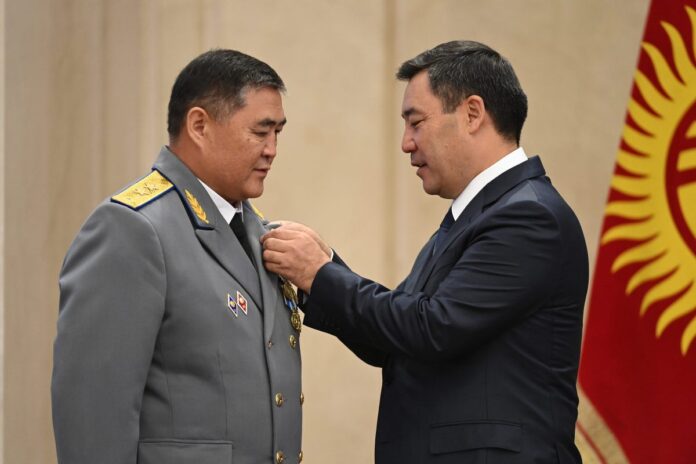
The dismissal of Kamchybek Tashiyev from his posts as Deputy Chairman of the Cabinet of Ministers and head of the State Committee for National Security (GKNB) has become one of the most significant political developments of early 2026 — not only for Kyrgyzstan, but for the wider region. President Sadyr Japarov and Tashiyev rose to power together following the resignation of the previous president in late 2020, quickly emerging as key political allies. After the adoption of the Law on the Cabinet of Ministers in October 2021, the GKNB chairman simultaneously assumed the position of deputy head of the Cabinet. Such an arrangement is rare in the region and granted Tashiyev powers that extended well beyond traditional security functions. In addition to overseeing and coordinating law enforcement agencies, he increasingly intervened in economic and social policy matters, areas previously outside the GKNB’s remit.

Tajik journalist Kosim Bekmuhammad shared his analysis of the unfolding situation within Kyrgyzstan’s political establishment. According to him, Tashiyev’s broad authority made him the most influential figure in the government, with many officials believing that their positions depended on personal loyalty to the GKNB chief. In essence, he appeared to be constructing a “state within a state.”
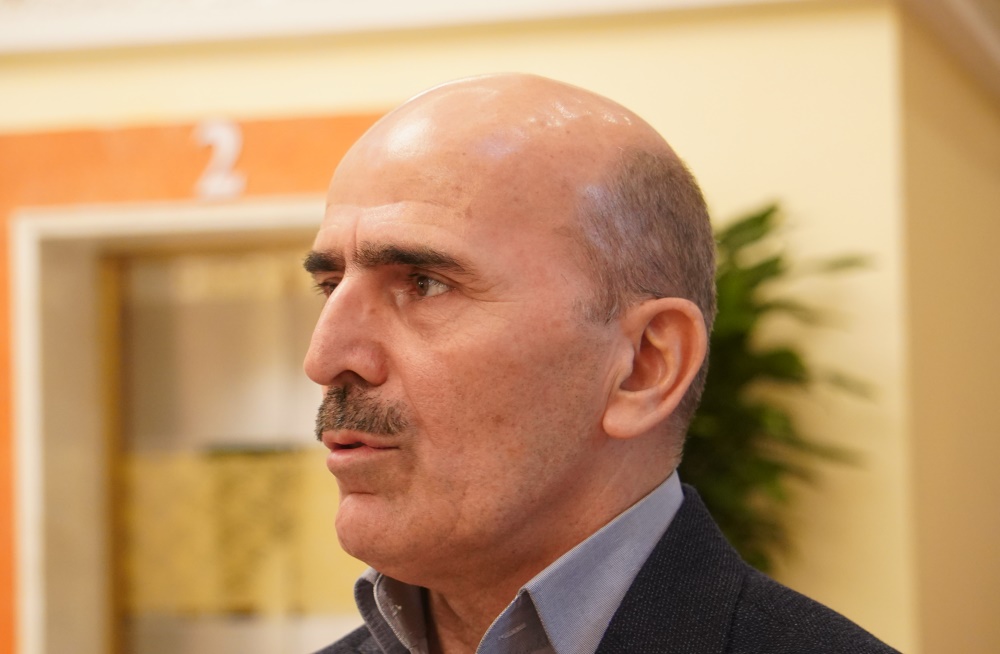
The presidential decree dismissing Tashiyev had what observers described as a “lightning-bolt effect” across political circles both in Kyrgyzstan and beyond. Commenting on his decision, President Japarov stated that his primary objective was to preserve stability, calm, and national unity.

Immediately after Tashiyev’s removal, several key figures associated with him were also dismissed, including all his deputies and the head of the GKNB’s main directorate in Bishkek, followed by regional heads. They were replaced by new appointees. At the same time, Japarov initiated structural reforms within the GKNB: the Border Service was separated from the committee, and the 9th Service was transformed into a State Protection Service directly subordinate to the president.

Tashiyev, reportedly caught off guard by the news while in Germany, returned to Bishkek on the night of February 13. Some observers suggested he might retain a degree of influence, but within days there were no visible signs of his former political weight. On February 16, Japarov confirmed in an interview with Kabar agency that he had met with Tashiyev, stating: “We will remain friends. But he will not return to public office. Let him rest and focus on his health.” The statement effectively marked the end of what many have called the “Tashiyev era.”


A failed experiment in dual power

When the north-south political alliance of “Japarov–Tashiyev” came to power more than five years ago, it seemed one would play the role of the “soft hand” (political leadership) and the other the “hard hand” (security enforcement). Over time, however, this complementary formula evolved into latent rivalry, resulting in the emergence of two power centers.

At times, Tashiyev appeared to wield greater influence over government officials and members of parliament than the president himself. Loyalty to him was widely seen as a guarantee of political survival. No other state official received as much media coverage as Tashiyev.

In recent weeks, social media was abuzz with speculation about the possibility of Tashiyev running in the next presidential election. These discussions intensified after 75 political and public figures called for early elections, further highlighting what many perceived as his political ambitions.
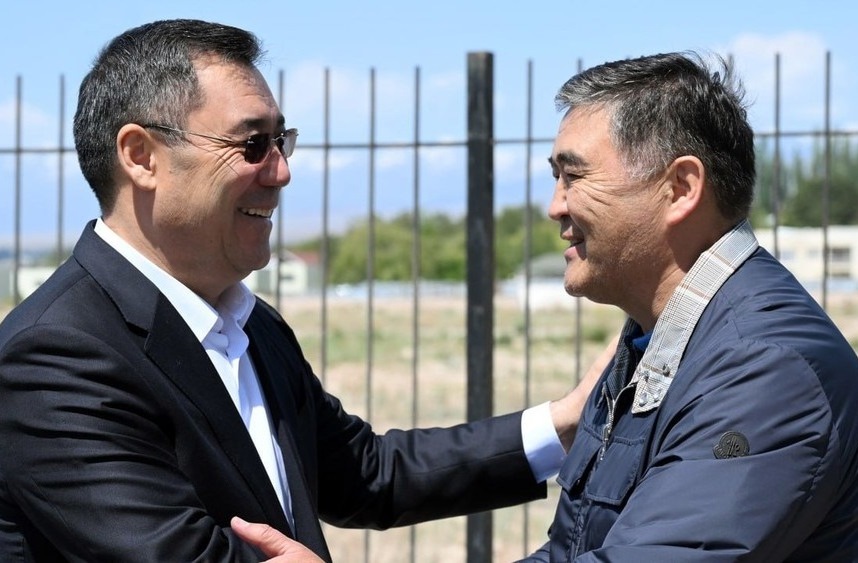
The voluntary resignation of parliamentary speaker Nurlanbek Turgunbek uulu immediately after Tashiyev’s dismissal also pointed to backstage maneuvering. Had Japarov failed to act decisively, Tashiyev’s extensive administrative base might have enabled a realistic transformation of “figure No. 2 into figure No. 1.”

Central Asian history demonstrates that parallel centers of power often lead to crisis. Kazakhstan provides a recent example: after Kassym-Jomart Tokayev became president in 2019, some officials continued to take cues not from the presidential residence but from the office of former President Nursultan Nazarbayev. This duality intensified elite competition and contributed to the January 2022 crisis. Kazakhstan restored stability only after consolidating authority under a single center of power.

Japarov, likely mindful of this precedent, appears to have moved to eliminate dualism before the 2027 presidential election could evolve into open confrontation. Continued dominance of the security apparatus by Tashiyev risked turning the GKNB into an active political actor — a development fundamentally at odds with its institutional role.

By removing Tashiyev, Japarov sent a clear signal to the political elite: there is now only one center of power, and those who wish to remain within the system must adapt to the new rules.


Could instability follow?

A key question is whether Tashiyev’s sudden dismissal could affect Kyrgyzstan’s internal stability. The balance between northern and southern elites has historically been delicate. If his removal is framed as the “displacement of southerners,” it could inject regional tension into the upcoming presidential campaign.

Japarov’s interview with Kabar suggests he is aware of this risk. He emphasized efforts to prevent regional polarization, including appointing officials from the north to posts in the south and vice versa — a practice he intends to expand.

Meanwhile, media reports indicate that Tashiyev has already left Kyrgyzstan. It is possible this decision followed his meeting with Japarov. Some analysts speculate that Tashiyev may have agreed to avoid open political confrontation in exchange for avoiding investigations into his tenure at the GKNB.
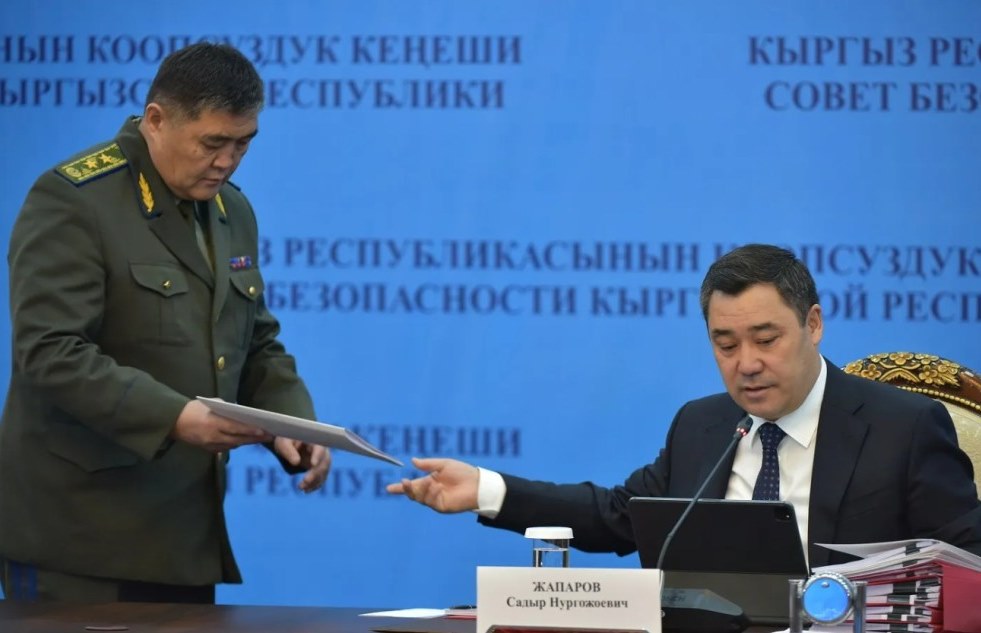
His absence could ease tensions within the ruling elite and reduce uncertainty within the security sector. However, his unimpeded departure may also signal to supporters that he remains politically intact and capable of maneuvering.

Still, Tashiyev’s ability to influence Kyrgyz politics from abroad appears limited. He lacks strong external backing, and political dynamics in Kyrgyzstan are largely domestically driven.

With less than a year until the next presidential election, Japarov will likely seek to highlight the benefits of the so-called “post-Tashiyev period” — improved manageability of the security apparatus, reduced elite turbulence, fewer high-profile cases, socio-economic initiatives, and potentially a softer approach toward the media.

Such measures would allow the president to frame the transition as a move toward greater stability and predictability.


External stakeholders

Central Asian countries have generally welcomed the elimination of a parallel power center. Russia, a key strategic partner, is reportedly satisfied with the consolidation of presidential authority.

China’s primary concern remains Kyrgyzstan’s stability and the effective functioning of its institutions, ensuring no obstacles arise for bilateral and regional projects.

Turkiye, while attentive to personal relationships with influential leaders, typically avoids involvement in internal elite conflicts that could undermine broader Turkic integration. Ankara is likely to deepen its engagement directly with Japarov.

The United States and the European Union are expected to view developments through the lens of their strategic competition with Moscow and Beijing. For both, Kyrgyzstan’s commitments regarding the use of critical natural resources remain central, seen as a means of balancing Russian, Chinese, and Iranian influence.


Conclusion

The dismissal of Kamchybek Tashiyev has ended a complex period of dual power in Kyrgyzstan. The episode underscores a broader regional lesson: in Central Asian political systems, the existence of two competing centers of authority almost inevitably leads to crisis.

With this move, Japarov not only strengthened his personal position but also delivered a clear message to the political elite — the rules of the game have changed, and from now on, there is only one center of power. 

Soldier dies during shooting exercises in Kazakhstan: prosecutor-general takes control of the case

0

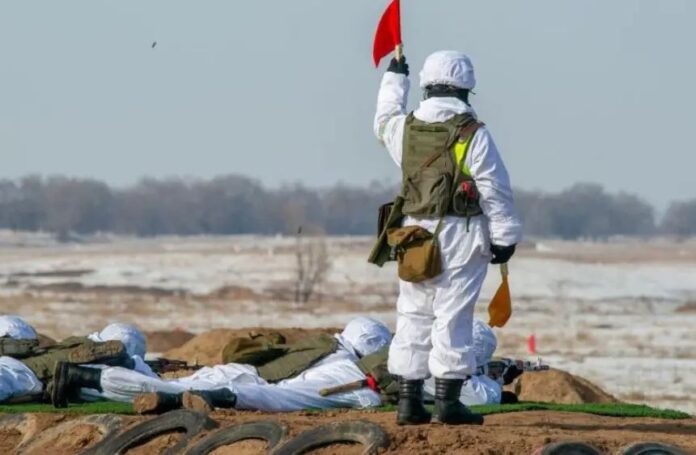
On February 17, a conscript soldier died during scheduled field shooting exercises at the Beineu training range in the Mangistau region of Kazakhstan. Tengrinews.kz, citing the press service of the Kazakhstan Ground Forces, reports that the soldier sustained a fatal gunshot wound while handling his weapon.

"The military investigative bodies of the Western region have initiated a criminal case. A pre-trial investigation is underway to determine all the circumstances and causes of the incident," the press service reported, according to Tengrinews.kz

The investigation is under the control of the Prosecutor-General’s Office. A commission, headed by the Deputy Minister of Defense, Major-General Shaykh-Hasan Jazyqbayev, was sent to the site, according to Fergana.

"The command of the Armed Forces expresses deep condolences to the family and loved ones of the deceased. His family will receive all necessary assistance in accordance with the current legislation," the Ground Forces press service added.

Incidents involving the deaths of servicemen in Kazakhstan have occurred regularly, drawing attention from both the public and President Kassym-Jomart Tokayev. Last summer, Tokayev instructed the Minister of Defense, Daulet Kosanov, to "intensify efforts to reduce the number of tragic incidents in the army." However, the number of such incidents has not decreased.

In January 2026 alone, three soldier deaths were recorded. On January 23, a soldier was killed by a gunshot wound during guard duty in Ust-Kamenogorsk. On January 27 in the Zhambyl region, another soldier died from a gunshot wound while handling a weapon. On January 6 in Shymkent, a serviceman of the National Guard of Kazakhstan died of a sudden heart attack, and on January 14, a junior sergeant was killed in a truck accident in the Aktau garrison.

In an interview with Turkistan newspaper in January, President Tokayev stated that the death of soldiers during their service is unacceptable. In response, the Ministry of Defense announced emergency measures to prevent similar tragedies in the future and to protect the lives and health of personnel.

Among the measures implemented were increased control over discipline and educational work, stricter safety requirements for handling weapons and conducting training, as well as thorough psychological assessments of servicemen. Additionally, personal responsibility for commanders and sergeants has been heightened, and "comprehensive checks by military police" were initiated, along with round-the-clock monitoring of personnel, including during off-duty hours.

A first of its kind: sales start at the exclusive Rome Residence Complex in Dushanbe

0

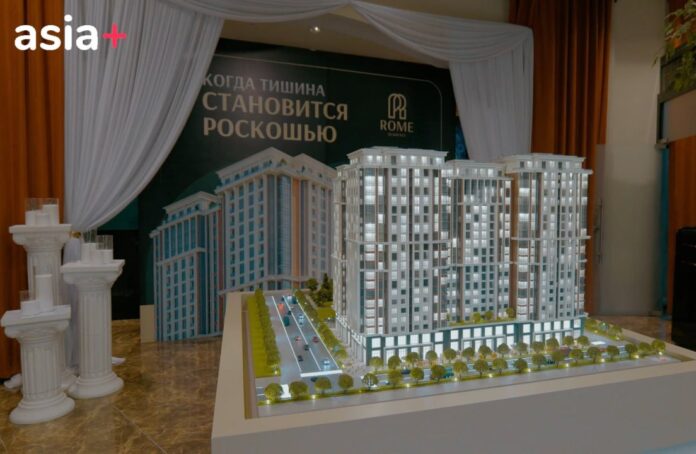
On February 13, the official sales launch of the exclusive Rome Residence residential complex took place in Dushanbe. The project has already garnered significant interest from potential buyers and is quickly becoming one of the most anticipated developments in the capital’s real estate market.

Rome Residence is a premium-class gated community, tucked away from the urban hustle and bustle in its own large park, accessible only to residents. The complex sets a new standard for upscale living in Dushanbe.

The total area of the complex is 1 hectare, with 60% of the land dedicated to greenery. The project also features a two-level parking garage with 450 spaces, making it not just exclusive but also highly convenient for residents.

This is more than just a residential complex — it is a meticulously designed environment with a fenced territory and green space reserved exclusively for residents. There will be no random passersby, noise, or urban chaos — only comfort, security, and a sense of seclusion in the heart of the city.

Rome Residence represents a new standard of comfortable and truly private living. The complex blends thoughtful infrastructure with striking architectural aesthetics.

The project’s concept is built around values of seclusion, security, and impeccable quality, all of which serve as the foundation for the comfort of future residents. A club-like atmosphere is created by the limited number of residents, ensuring a high level of privacy and offering the feeling of living in one’s own green space next to a park.

Projects like this traditionally attract attention from those seeking premium real estate and investors focused on capital preservation and growth. If you are considering purchasing a property in the premium segment or are looking for a reliable investment tool, now is the perfect time to take a closer look at Rome Residence.

New digital advertising platform Alon.tj launched in Tajikistan

0

On February 2, 2026, a new digital platform for classifieds and online services, Alon.tj, was launched in Tajikistan. The project is currently in its active development phase, offering users an online platform where they can post ads for goods and services, find clients, promote their offerings, and interact with audiences across the country.

Alon.tj is focused on developing the domestic digital market and supporting small businesses and individual users, providing an easy way to sell products and offer services online.

The platform was developed by Tajik programmer Shohrukh Saidqulov, an IT specialist and creator of online projects. His work is focused on advancing digital technologies and online services in Tajikistan.

Currently, the platform is free to use. The project is being developed as a startup, gradually expanding its features, audience, and range of online services. Alon.tj utilizes modern web technologies such as Node.js, MongoDB, Redis, Cloudinary, WebSocket, as well as SEO optimization and analytics tools.

Plans for the future include:

·         launching a mobile app for Android,

·         implementing push notifications,

·         developing an internal advertising system,

·         expanding online booking services and user interactions.

The project is seen as a contribution to the development of Tajikistan’s digital economy and internet infrastructure, aimed at simplifying communication between sellers, service providers, and customers.

Shohrukh Saidqulov, the developer of digital projects and online services, was born on January 1, 2001, in the Dousti district. In 2023, he graduated from the Tajik National University with a degree in law. In addition, he is active in the field of information technology, web platform development, and startup projects. 

Barqi Tojik: in Ramadan, electricity supply in Tajikistan will be 17 hours a day

0

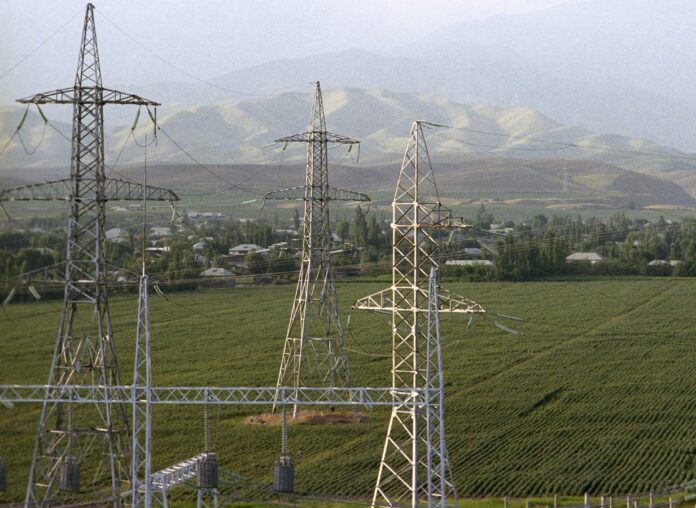
In Tajikistan, due to the arrival of the holy month of Ramadan, the electricity supply schedule for the population will be adjusted. During this month, electricity will be supplied for 17 hours a day. Qurbon Ahmadzoda, a spokesman for Open Joint Stock Company (OJSC) Barqi Tojik (power generation company), reported this at a news conference in Dushanbe.

According to his statement, starting from February 19, electricity will be supplied from 3:00 PM to 8:00 AM. From 8:00 AM to 3:00 PM, the electricity supply will be suspended.

Until now, residents of the regions received electricity only for 7 hours a day — from 5:00 AM to 8:00 AM and from 5:00 PM to 9:00 PM. However, the exact timing of electricity supply has not always been strictly adhered to and varies across different areas.

Earlier, at a press conference in late January, Minister of Energy and Water Resources Daler Juma promised that electricity supplies would increase during Ramadan. He expressed confidence that this year, the provision of electricity to the population would be better than in the previous year.

Mr. Juma also mentioned that, due to recent rainfall and measures taken by the energy authorities, there is a possibility that electricity supply restrictions will be lifted earlier than usual, though he did not specify when this would happen.

Electricity supply restrictions in Tajikistan typically begin in the second half of September. In recent years, Barqi Tojik has officially acknowledged the existence of such limits, whereas in the past, they would not confirm them. However, no official announcement regarding restrictions was made in the fall of 2025.

In his address to the parliament in December 2025, Tajikistan’s president, Emomali Rahmon, stated that after the commissioning of the third unit of the Roghun Hydro Power Plant in September 2027, the country would achieve energy independence.  

Tajikistan struggles with electricity rationing 30 years after independence, despite long-held dreams of becoming an energy export powerhouse.

Measures rationing electricity supplies are usually introduced in all regions of the country except Dushanbe, regional administrative centers and major cities of the country and they seek to curb the country's rising electricity consumption.  In addition to curbing rising consumption, the move also stems from a decline in the water level in the country's reservoirs powering the main hydroelectric power plants.

Tajikistan’s President meets with Uzbekistan’s PM: strengthening strategic partnership

0

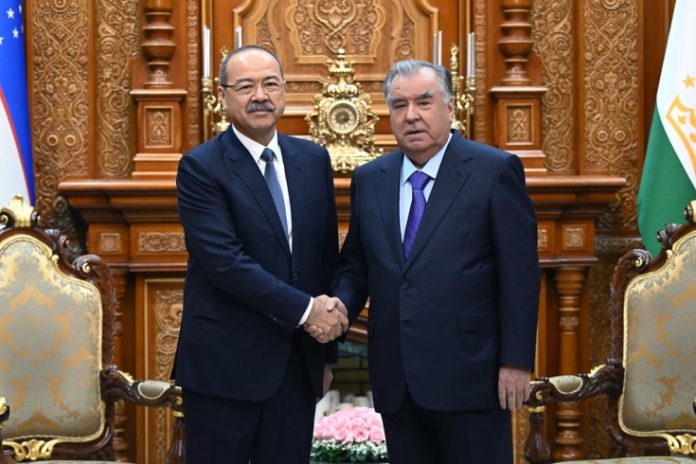
On February 17, Tajikistan’s President Emomali Rahmon received the Prime Minister of Uzbekistan, Abdulla Aripov. 

The Tajik president’s official website says the leaders discussed prospects for the development and expansion of Tajik-Uzbek relations, based on strategic partnership and allied cooperation.

Special attention was given to expanding cooperation in areas such as industry, energy, transport, agriculture, and other key sectors of mutual interest.

The positive trend in mutual trade and investment cooperation between the two countries was also highlighted.

President Rahmon emphasized the significant opportunities for further strengthening these processes and implementing new projects.

In addition, the meeting covered the important issue of cultural and humanitarian exchanges, with both sides expressing mutual interest in expanding cooperation in this field.

Emomali Rahmon noted the productive work of the Intergovernmental Commission on Trade and Economic Cooperation, which had recently met in Dushanbe.

Both sides agreed to continue their constructive and trusting interstate dialogue.

The leaders also discussed preparations for upcoming high-level meetings and negotiations, including the organization of key interstate events scheduled for this year, according to the Tajik president’s official website.

Tajikistan and Uzbekistan agree to increase mutual trade to $2 billion

0

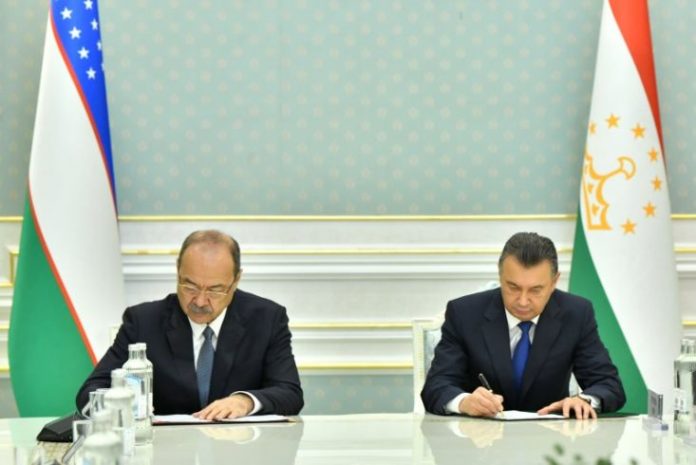
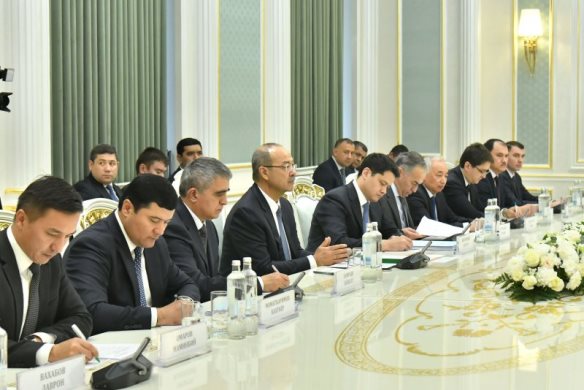
On February 17, the 13th meeting of the Intergovernmental Commission on Trade and Economic Cooperation between Tajikistan and Uzbekistan was held in Dushanbe. The meeting was attended by the prime ministers of both countries, Qohir Rasoulzoda of Tajikistan and Abdulla Aripov of Uzbekistan, Tajikistan’s state-run news agency Khovar reports.

One of the key topics discussed was the deepening of cooperation in areas such as trade, investment, energy, industry, agriculture, transport, customs, education, culture, and other fields.

Special attention was given to the growth of the bilateral trade between the two countries. In 2025, a two-way trade between Tajikistan and Uzbekistan valued at $718.3 million, which represents a 22.5% increase compared to 2024.

The goal of increasing the bilateral trade to $2 billion was also discussed, marking an important target for the development of bilateral economic ties.

The strengthening of industrial cooperation was highlighted as one of the main priorities for joint work.

As a result of the meeting, a Protocol on Joint Activities of the Intergovernmental Commission for Cooperation between Tajikistan and Uzbekistan was signed.

In addition to the official meeting, Rasoulzoda and Aripov visited two enterprises. One of them was Gayur-Pack, a manufacturer of polypropylene bags, and the other was Gayur Korea Technology, which specializes in the production of LED lamps and other lighting equipment.

Gayur-Pack uses modern technologies and produces up to 50 million polypropylene bags annually. Gayur Korea Technology has a production capacity of 1.2 million units per year and manufactures more than 100 types of products, the majority of which cater to the domestic market.

Russia to allow communication shutdowns on FSB’s request

0

The State Duma of Russia has passed a bill requiring telecom operators to disconnect services at the request of the Federal Security Service (FSB) under certain conditions that will be set by the Russian government, TASS reports.

The bill, introduced by the government last November, was passed in the first reading at the end of January. The amendments concern the "Communications Law." According to the changes, operators will not be held liable for communication disruptions if the shutdown is ordered by the FSB. The bill also mandates that operators disconnect services if requested by the FSB in situations later defined by the government.

If the Russian president signs the law, it will come into effect 10 days after its publication.

As noted by Meduza, the document allows the FSB to block communication even in the absence of a security threat in the country or a specific region. The bill stipulates that telecom operators must "suspend the provision of communication services upon receiving demands from FSB bodies in cases determined by normative legal acts of the Russian president."

In the version of the bill presented for the first reading, communication services were to be suspended upon a "request" from the FSB for the protection of citizens and the state from security threats. In the new version, the term "request" was changed to "demand," and references to the government and security threats were removed.

This change gives the Russian president the authority to establish conditions for communication shutdowns nationwide or in specific regions, without providing an explanation as to whether there are grounds for doing so.


Kyrgyzstan’s Constitutional Court sets date for next presidential elections

0

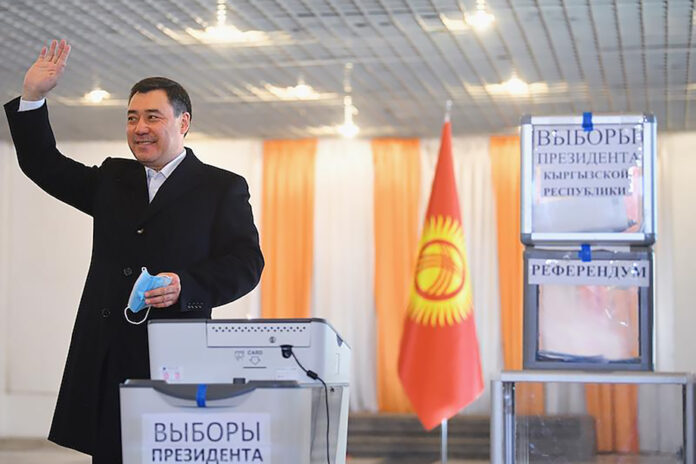
Kyrgyzstan’s Constitutional Court has ruled that the next presidential elections will be held on the fourth Sunday of January 2027. The decision was made on February 17 following a petition from the incumbent president, Sadyr Japarov, according to a statement from the Constitutional Court.

The court examined the question of Japarov’s term of office, as he was elected under the 2010 Constitution and took office on January 28, 2021, for a six-year term. Under the new Constitution, adopted in 2021, the president is now elected for a five-year term, with a two-term limit. However, the 2010 Constitution set the presidential term at six years and did not allow a person to be re-elected for a second consecutive term.

The Constitutional Court concluded that Japarov’s six-year term remains valid, as he was elected according to the old rules that were in place at the time of his appointment. The new term limit set by the 2021 Constitution does not apply to his mandate. His six-year term will count as the first under the two-term rule.

The court also noted that shortening the incumbent president's term according to the new Constitution would violate the principle of legal continuity, as it would involve retroactive changes to the rules.

Regarding early elections, the Constitutional Court emphasized that they could only be held under specific conditions listed in Article 72 of the 2021 Constitution, including resignation, removal from office, or incapacity due to health issues or death.

As a result, the court ruled that elections should be scheduled no later than September 24, 2026, with voting to take place on January 24, 2027.

Fergana says Japarov’s petition was in response to a letter sent to him and the speaker of the Kyrgyz parliament. The letter, signed by 75 public figures, including former prime ministers and parliamentarians, expressed concern over the legal uncertainty regarding the president’s term of office following the adoption of the new Constitution. The signatories proposed holding early elections to avoid potential legal disputes.