Home Blog Page 52

Tajikistan in 2025: economic growth, inflation, and foreign trade

0

Key socio-economic indicators for Tajikistan at the end of 2025 reflect positive growth across several sectors, according to official data.

Tajikistan has demonstrated stable economic growth, with GDP increasing by 8.4% over the year. Industrial production saw a significant rise of 22.1%, while agricultural output grew by 9.5%.

The country’s external debt reached $3 billion, and foreign trade volumes hit $10.8 billion, marking a 20.5% increase compared to the previous year. These figures suggest a continued recovery and strengthening of Tajikistan's economy amid global economic challenges.

Despite these positive trends, inflation remains a key concern for the country’s economic stability. The government continues to monitor these changes closely, aiming to balance growth with price stability for consumers.

Overall, 2025 proved to be a year of significant economic expansion for Tajikistan, with considerable strides made in industrial, agricultural, and trade sectors.


Population and GDP

·         Population (as of 01.10.2025): 10.657 million people

·         GDP (nominal): 176.9 billion somoni

·         Real GDP growth: +8.4%

·         GDP per capita (2025): 16,600 somoni


Inflation

·         Overall Inflation: 3.5%

 o    Food Products: +4.5%

o    Non-Food Products: +1.5%

o    Services: +5.7%


External debt and foreign trade

·         External debt (as of 01.10.2025): $3 billion 37.3 million

·         Foreign trade turnover: $10.8 billion (+20.5% YoY)

o    Exports: $2.5 billion (+27.7% YoY)

o    Imports: $8.3 billion (+18.5% YoY)

Police in Dushanbe urges entrepreneurs to avoid unjustified price increases during Ramadan

0

The Dushanbe Police Department has urged local entrepreneurs and traders to avoid raising prices on food products during the holy month of Ramadan. The department reminded that Ramadan is a time for mercy, good deeds, and spiritual renewal, but some unscrupulous individuals are taking advantage of the increased demand to artificially inflate prices, which contradicts both moral and spiritual values.

The city's police stated that they are working with other relevant authorities to monitor food prices and conduct awareness campaigns aimed at controlling the cost of essential goods. Traders, entrepreneurs, and suppliers have been urged to maintain price balance and work ethically. The police warned that any violations would be met with legal action.

In his message congratulating citizens for Ramadan, Tajik President Emomali Rahmon also urged fairness in trading, avoiding wasteful feasts and excessive consumption of food, as these actions contradict the essence of the holy month.

The president emphasized that performing good deeds during Ramadan is rewarded more than at other times of the year. He expressed confidence that the people of Tajikistan, who understand the lessons of Ramadan, will continue working for the prosperity of the country and the unity of the nation.

According to Tajikistan’s Shuroi Ulamo (Council of Ulema -– Tajikistan’s highest Islamic institution), Ramadan in 2026 begins on February 19 and lasts until March 20.

Changes have been made to the amounts of sadaqa al-fitr (also known as zakat al-fitr), zakat and  fidya this year due to fluctuations in the prices of gold and wheat.

The amount of sadaqa al-fitr this year has decreased compared to last year, now set at 7.00 somoni per person, 1 somoni less than in 2025.

Zakat has also changed — for those with savings of 64,000 somoni or more, zakat will be 1600 somoni, nearly double the previous year's amount of 880 somoni for savings of 36,900 somoni.

For those unable to fast due to valid reasons, fidya for 30 days in 2026 will amount to 420 somoni (14 somoni per day), 60 somoni less than the 2025 amount of 480 somoni.

The Committee on Religious Affairs (CRA) says the adjustments to the sadaqa al-fitr, zakat and fidya amounts are due to changes in the prices of gold and wheat, which influence these calculations.

“No criminal cases have been initiated”: Tajikistan has not punished citizens for participation in the war in Ukraine

0

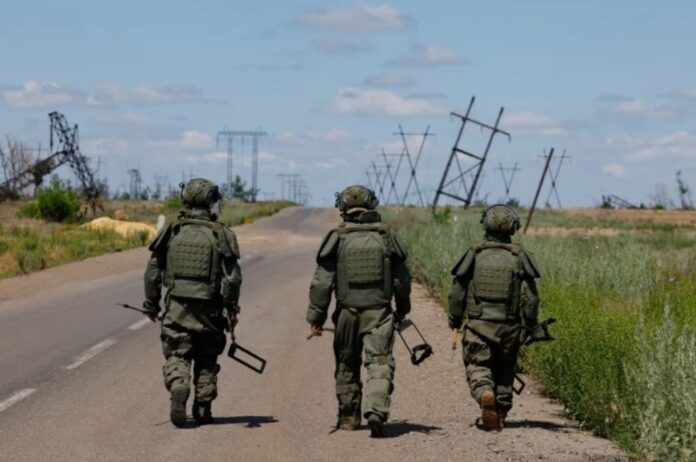
As the war between Russia and Ukraine approaches its fourth year, media reports have highlighted the involvement of hundreds of Tajikistan's citizens in the conflict. However, Tajik authorities maintain that no criminal charges have been filed against their nationals for participation in the war. In contrast, several countries in the region, including Uzbekistan, Kazakhstan, and Kyrgyzstan, have prosecuted individuals for involvement in the conflict.

Habibullo Vohidzoda, the Prosecutor-General of Tajikistan, and Ramazon Rahimzoda, the country's Minister of Internal Affairs, both stated that, over the past year, no Tajik citizen has been prosecuted for participating in the Russian military actions in Ukraine.


Why no criminal cases are being initiated

At a news conference on February 13, Prosecutor General Vohidzoda explained that Tajik citizens who also hold Russian citizenship are "obliged to fulfill military duties of that country."

"According to Tajikistan's legislation, we are not authorized to initiate criminal cases against citizens who also hold Russian citizenship and who are participating in the conflict with Ukraine under an agreement with Russia," said Vohidzoda.

He noted that if a person is a Tajik citizen but does not have Russian citizenship and participates in the war against Ukraine, a criminal case will be initiated against them.

"Articles of Tajikistan's Criminal Code will certainly apply in such cases. Specifically, Article 401, Part 1, which criminalizes illegal participation in armed conflicts abroad," the Prosecutor General clarified.

Vohidzoda added that, as of now, the Prosecutor General's Office does not have official data regarding such cases.

He had previously emphasized this point in the summer of 2025.

On January 12, during a separate news conference, Ramazon Rahimzoda, the Minister of Internal Affairs, stated that no Tajik citizen has been prosecuted for participating in the war in Ukraine.

"We do not track how many of our citizens are involved in the war in Ukraine, nor do we have any obligations in this regard," Rahimzoda said.

Over the four years of the war, media reports have documented the involvement of thousands of Tajik nationals in the conflict, with casualties among them reportedly reaching hundreds. However, no official sources have confirmed or denied these figures.

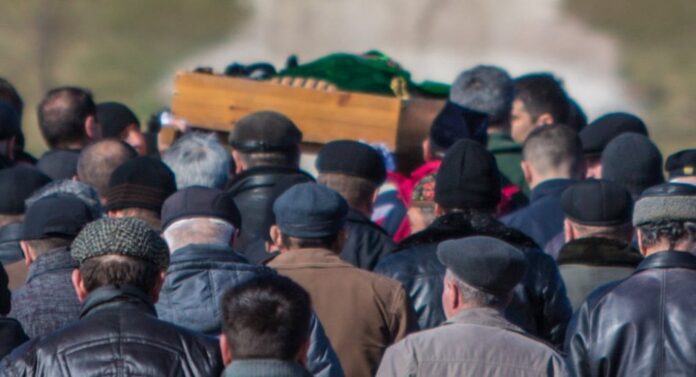
The latest report about the death of a Tajik citizen came on February 12, when the body of 26-year-old Karomatullo Odinayev, who had gone to Russia for work and died in Ukraine, was returned to his home village of Basmand in the Devashtich region, Sughd province.

In 2025, several bodies of Tajik nationals who died in the war were brought back to Tajikistan and buried.


The situation in other Central Asian countries

Authorities in Uzbekistan, Kazakhstan, and Kyrgyzstan have already prosecuted several of their citizens for participation in the war in Ukraine.

In Uzbekistan, a 38-year-old man was sentenced to three years in prison last year for participating in the war against Ukraine. According to the Uzbek Security Service, from 2022 to mid-2025, 338 criminal cases were initiated for citizens' involvement in foreign armed conflicts, although it is not specified how many of these were related to the Russia-Ukraine war.

In Kazakhstan, several individuals have been imprisoned for participating in military operations against Ukraine. In total, 700 criminal cases were opened in 2025 against Kazakh citizens who had been enlisted by Russia.

In Kyrgyzstan, criminal cases have also been initiated against citizens involved in the war in Ukraine.

Tajikistan's legislation prohibits the illegal recruitment and participation of its citizens and stateless persons in armed formations, conflicts, or military actions abroad. According to Article 401, Part 1 of Tajikistan's Criminal Code, those convicted can face prison sentences ranging from 12 to 20 years. However, individuals who voluntarily cease their participation in illegal armed formations or combat actions before the conflict ends, and who commit no other crimes, are exempt from criminal responsibility.


How many Central Asians are fighting in Russia's army?

The Ukrainian government project "I Want to Live," which collects statistics on the war, published in April 2025 the names of 3,062 citizens from Tajikistan, Kazakhstan, Kyrgyzstan, and Uzbekistan who signed contracts with Russia's Ministry of Defense to participate in the war against Ukraine.

The project listed 931 Tajik nationals, noting that "they have signed contracts with the Russian army, are fighting against Ukraine, and 196 of them have died."

Later, in October of the previous year, the project published another 446 names of Tajik citizens involved and killed while fighting for Russia.

The project also published data on 1,110 Uzbek citizens, 661 Kazakh citizens, and 360 Kyrgyz citizens fighting in the Russian army against Ukraine. Additional names of 270 deceased Kazakh citizens were later added to the list.

None of these countries, including Tajikistan, have provided official responses to the publication of the "I Want to Live" project's list.

Experts note that Russia sees migrants as a ready-made army and is keen to use them as cannon fodder in the war. Russia has never hidden its practice of recruiting citizens from other countries, including Tajikistan, to sign contracts and participate in the war against Ukraine.

According to Russia's Investigative Committee, more than 10,000 labor migrants who obtained Russian citizenship have been sent to participate in combat operations in Ukraine as of June 2024.

To encourage citizens from other countries to join the war, Russia's president proposed a simplified citizenship process, although cases of deception, threats, pressure, and exploitation of difficult migrant conditions have not been officially addressed.

In particular, Russian authorities have not publicly commented on the forced recruitment of prisoners, including Central Asian nationals, to fight in Ukraine, despite multiple media reports and complaints from prisoners.
Tajik, Kazakh railway companies agree to expand cooperation

0

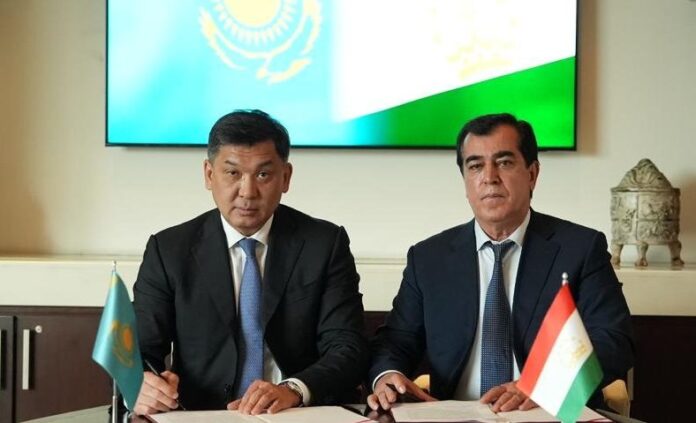
The Kazakh and Tajik railway companies have agreed to expand cooperation and develop transport corridors linking Central Asia to global markets, according to the press service of Kazakhstan's national railway company, Kazakhstan Temir Zholy.

During a working visit to Tajikistan, the head of Kazakhstan Temir Zholy, Talgat Aldybergenov, held a meeting with Komil Mirzoali, the director of Rohi Ohani Tojikiston, Tajikistan's state-owned railway company. The meeting reportedly focused on the ongoing expansion of bilateral rail links and trade relations between the two countries.

As of the end of 2025, the total volume of railway cargo traffic between Kazakhstan and Tajikistan increased by 15.1%, reaching 5.9 million tons. Exports from Kazakhstan to Tajikistan rose 7.6%, amounting to 2.6 million tons. The main export goods included grain, flour, petroleum products, ferrous metals, non-ferrous ores, and vegetable oil.

Both sides agreed to continue collaborative efforts aimed at enhancing the competitiveness of railway routes, strengthening trade and economic ties, integrating logistics processes, and digitizing documentation. Special attention will be given to the development of international transport corridors that support the region's growing transit potential.

The partnership between Kazakhstan Temir Zholy and Rohi Ohani Tojikiston is built on many years of cooperation and is focused on ensuring stable and uninterrupted communication between Kazakhstan and Tajikistan.

As a result of the meeting, a bilateral protocol was signed outlining the results of work for 2025 and plans for 2026.

Additionally, during his visit, Talgat Aldybergenov met with Tajikistan's First Deputy Prime Minister, Hokim Kholiqzoda, and the Minister of Foreign Affairs, Sirojiddin Muhriddin. The talks centered on strengthening international cooperation and identifying strategic directions for the development of the two countries' transit and logistics capabilities.

The expansion of cargo transport volumes and the creation of efficient transport routes are expected to provide a significant boost to economic relations between Kazakhstan and Tajikistan.

Tajikistan reduces funeral benefit payments: government explains the reasons

0

In 2025, Tajikistan paid funeral benefits to 4,422 families, totaling 6.6 million somoni. This is a decrease of 1.1 million somoni compared to the previous year. This information was shared by Abdurahmon Halimzod, the head of the Tajikistan Social Insurance and Pensions Agency.

During a news conference on February 13, Halimzod explained that the reduction in both the number of recipients and the total payments was due to the improved standard of living and the reduction in the number of low-income families.

Additionally, the agency's monitoring and awareness-raising activities contributed to the decrease, although Halimzod did not clarify the specifics of these measures and how they impacted the number of claims.

The funeral benefit is calculated based on 20 calculation points indicators (estimates). For 2026, each calculation indicator is set at 78.00 somoni, making the total benefit 1,560.00 somoni. In 2025, each calculation indicator was worth 75.00 somoni, and the benefit paid was 1,500 somoni.

The funeral benefit is a type of social assistance provided to low-income families, who are registered and identified by local authorities. To receive the benefit, a family must provide a certificate from the relevant authorities.

Iran’s TPO head visits Tajikistan to strengthen industrial and commercial ties

0

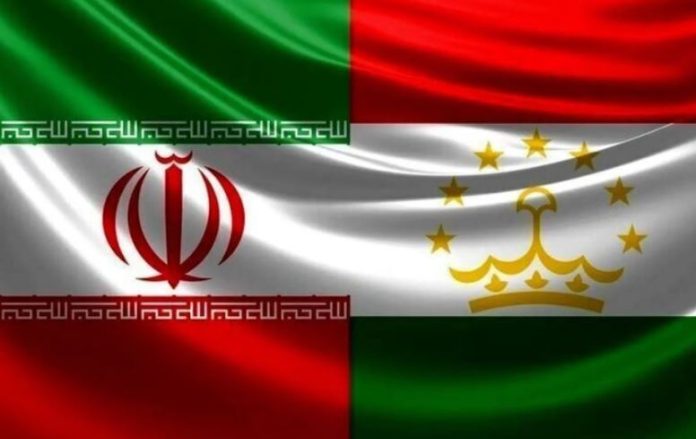
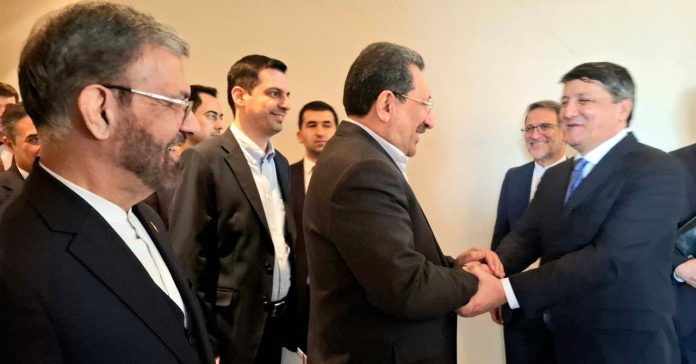
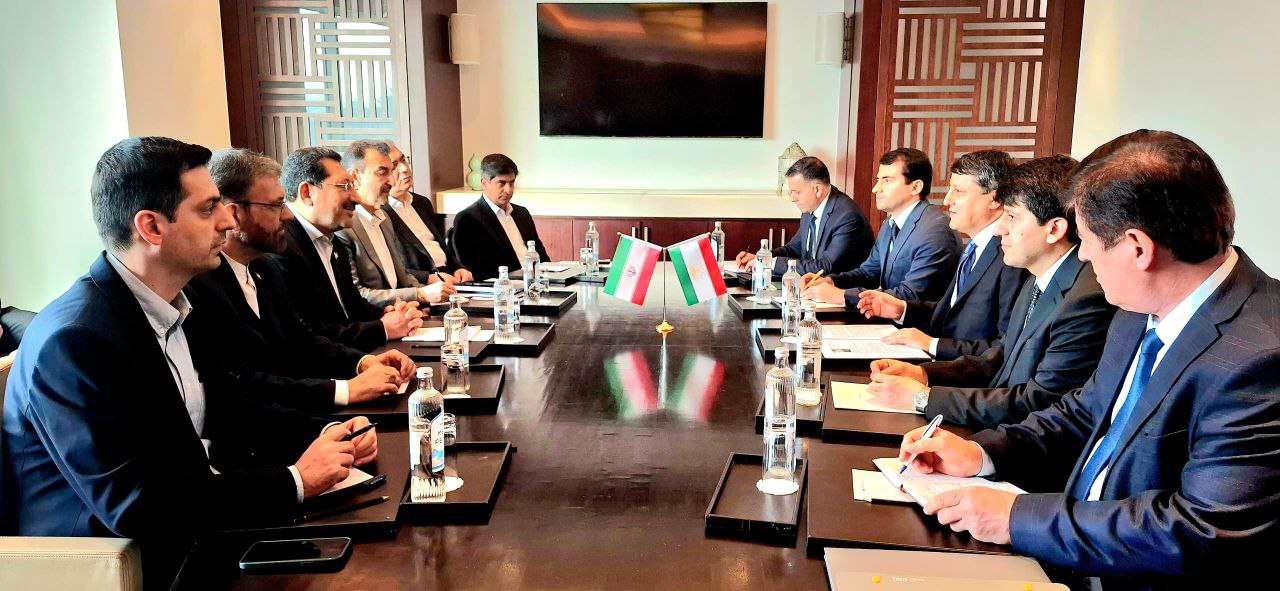
The head of Iran’s Trade Promotion Organization (TPO), Mohammad Ali Dehghan Dehnavi, visited Tajikistan alongside Industry, Mining, and Trade Minister Seyed Mohammad Atabak to discuss expanding industrial, mining, and trade cooperation between the two countries. The visit was at the invitation of Tajikistan’s Minister of Industry and New Technologies, Sherali Kabir.

Tehran Times reported on February 17 that key topics during the visit included boosting trade in pharmaceuticals, medical equipment, construction materials, and exploring a preferential trade agreement.  Dehghan Dehnavi’s agenda also includes talks on a potential preferential trade agreement and the development of joint industrial and mining projects. The Tajik delegation is expected to present further details and introduce relevant representatives.

Tehran Times notes that currently, bilateral trade between Iran and Tajikistan stands at about $500 million, with officials optimistic that it could reach $1 billion through enhanced economic collaboration.

An Iranian trade delegation is accompanying the ministers to promote Iran's export capabilities and expand commercial ties. Additionally, the two countries have taken steps to simplify trade by lifting the visa regime for international truck drivers, effective from March 2026. This allows Tajik and Iranian truck drivers to cross each other's borders without a visa.

The visa waiver agreement for land borders was discussed in April 2025 during a meeting between Tajik President Emomali Rahmon and Iranian Minister of Interior Eskandar Momeni. The initiative aims to foster smoother travel conditions for citizens of both nations. Previously, in 2025, the visa regime for air travel was fully lifted, allowing citizens of both countries to travel for up to 30 days within a 90-day period.

Tajikistan has also emphasized expanding cooperation with Iran in civil aviation. Following a joint safety oversight mission, Tajikistan praised Iran’s Civil Aviation Organization (CAO) for its technical expertise and commitment. The Iranian team assessed Tajikistan’s aviation safety system across eight core areas, including legislation, personnel licensing, and airworthiness, and provided recommendations to enhance oversight capacity ahead of an International Civil Aviation Organization (ICAO) audit in 2026.

In October 2025, the two countries addressed banking issues and established a joint investment task force to boost cooperation in energy, infrastructure, and agriculture. Collaboration in technical services, mining, infrastructure, agriculture, and knowledge-based industries remains a key focus.

The visa-free travel agreement has already bolstered cultural and medical tourism, along with business interactions, strengthening the cultural and historical ties between Tehran and Dushanbe. Analysts note that these deepening ties position Iran as a reliable partner for Tajikistan’s sustainable regional development, contributing significantly to both nations' economic and diplomatic growth, Tehran Times noted.

Tajikistan and Iran decide to expand trade and economic cooperation

0

The strengthening and expansion of trade and economic cooperation between Tajikistan and Iran was discussed by Tajikistan's Minister of Industry and New Technologies, Sherali Kabir, during a meeting with Iran's Minister of Industry, Mines, and Trade, Seyed Mohammad Atabak.

The Iranian minister arrived in Tajikistan on February 17 for an official visit, according to the Ministry of Industry of Tajikistan.

According to the press center of Tajikistan’s Ministry of Industry and New Technologies (MoINT), Sherali Kabir emphasized that Tajikistan is ready to cooperate in the areas of chemical industry modernization, cotton exports, and the utilization of Iran's market.

The Iranian minister reportedly expressed his country's readiness to expand trade relations and increase the volume of goods exchange, highlighting Iran's capabilities in the mining industry, mineral resource processing, pharmaceuticals, and the textile industry.

Both sides noted the need to accelerate the implementation of agreements reached and remove administrative barriers to achieve tangible results in their joint efforts.

Iran is one of Tajikistan's top five trade and economic partners.

Iranian media reports says Seyed Mohammad Atabak arrived in Dushanbe on February 17 and met with his Tajik counterpart Sherali Kabir to discuss enhancing bilateral trade, industrial, and mining cooperation.

According to the Customs Service under the Government of Tajikistan, the bilateral trade between Tajikistan and Iran last year valued at $483.9 million, up from US$377.7 million in 2024, a rise of $106.2 million, or about 28%. This consisted of Tajikistan’s exports to Iran estimated at US$112.8 million and Tajikistan’s imports from Iran worth US$371.2 million.  

Iran mainly exports petrochemical products, building materials, and foodstuffs to Tajikistan. A significant portion also consists of polymers, including various types of polyethylene, as well as Portland cement and clinker.

Tajikistan’s exports to Iran are primarily raw materials, such as cotton fiber, cotton yarn, primary aluminum, and other raw materials.

Taliban’s new criminal procedure code sparks criticism over discrimination and class division

0

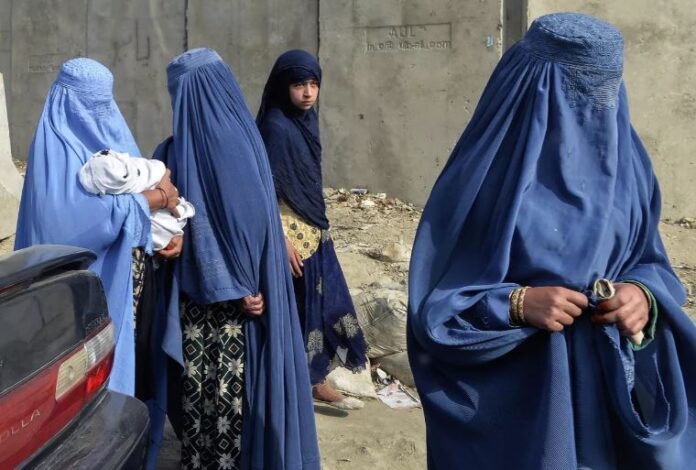
The Taliban government in Afghanistan has implemented a new criminal procedure code, signed by the supreme leader, Mullah Hibatullah Akhundzada, on January 24, 2026. The code has provoked widespread criticism both within the country and internationally, with experts and human rights defenders claiming it legitimizes gender and social discrimination, according to Azattyq Asia.

The new code introduces class segregation, offering privileges to the wealthy and aristocratic. For example, mullahs and aristocrats are likely to receive more lenient punishments even for serious offenses. Afghanistan expert Ghaus Janbaz notes that the Taliban is protecting its own class with these provisions.

The code also contains discriminatory provisions against women. For instance, a man who severely beats his wife could face only 15 days in jail, while organizing cockfighting could result in up to five months of imprisonment. Pakistani human rights activist and Nobel Peace Prize laureate Malala Yousafzai stated that this code marks the formal legalization of "gender apartheid" in Afghanistan.

Religious scholars have also criticized the code, claiming Akhundzada is using his own interpretation of Sharia law to create an authoritarian regime.

Religious expert Faridoun Hodizoda believes that through this code, Akhundzada is consolidating all power in his hands, criminalizing any disobedience to his orders.

International organizations, including the UN, have expressed concern about the consequences of the new code for the Afghan population. UN Special Rapporteur on Human Rights in Afghanistan, Richard Bennett, emphasized that the impact on ordinary citizens could be extremely negative.

The Taliban formally declares its adherence to the Hanafi school of thought, a theological-legal school in Islam known for its flexibility in legal rulings.

However, researchers point out that in practice, the Taliban rely on a more conservative religious approach, combining Islamic norms with Pashtun tribal customs and traditions. This allows the Taliban's theologians to interpret Sharia law in their own way, often leading to harsh and narrowly defined decisions regarding the rights and duties of citizens, especially women.


Tajik athletes win two bronze medals at tournament in Kazakhstan

0

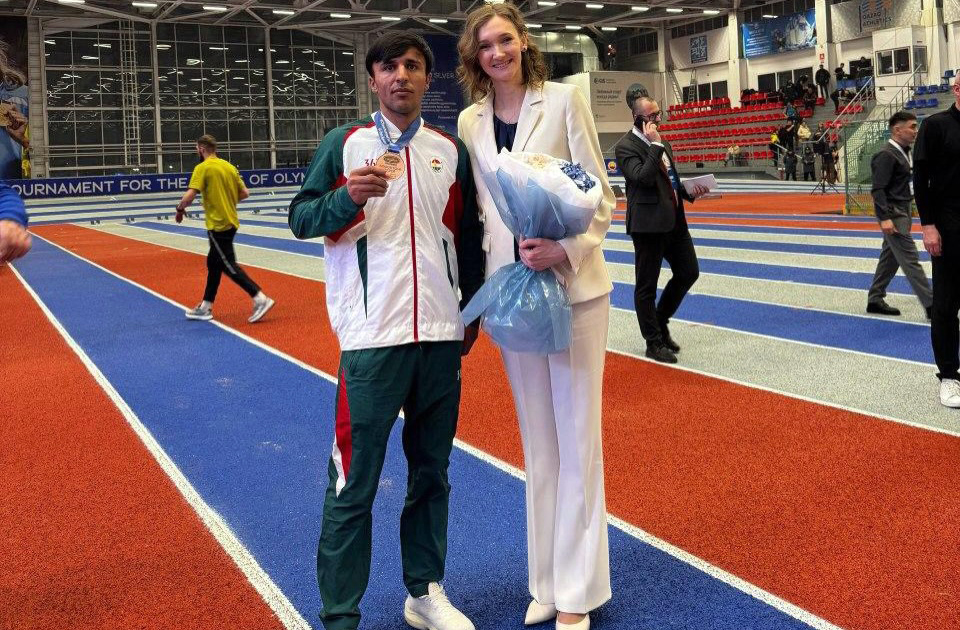
On February 14-15, the XI International Athletics Tournament for the prizes of Olympic Champion Olga Rypakova was held in Ust-Kamenogorsk, Kazakhstan. More than 150 athletes from 12 countries participated, including Kazakhstan, Uzbekistan, Tajikistan, Kyrgyzstan, Georgia, Ukraine, Armenia, India, Greece, Turkiye, Sri Lanka, and Lithuania.

This year’s opening ceremony of the XI International Athletics Tournament in Ust-Kamenogorsk featured a new format. In addition to the dance performances, a drum performance was added, creating a unique atmosphere, warmly received by the audience.

The competition saw top athletes, including national team leaders, international tournament medalists, Asian champions, national record holders, and promising junior athletes.

A special highlight of the tournament was the new event — the 4×200-meter mixed relay (2 women + 2 men), which garnered particular attention from the audience.

Tajik athletes won two bronze medals. In the women’s 800-meter race, Kristina Pronzhenko placed third with a time of 2:22.73.

In the men’s 3000-meter race, Zuhurshoh Najmiddin also earned third place with a time of 9:22.8.

The tournament, held in honor of Olga Rypakova, is a key event in the international athletics calendar, offering athletes a chance to meet the qualifying standards for the World Championships, while also promoting the development of young athletes and strengthening international sports cooperation.

Olga Rypakova (born  November 30, 1984) is a former Kazakhstani track and field athlete. Originally a heptathlete, she switched to focus on the long jump and began to compete in the triple jump after 2007. Her first successes came in the combined events at Asian competitions – she won the women's pentathlon at the 2005 Asian Indoor Games and took the heptathlon gold at the 2006 Asian Games the following year.

She competed in both jumping events at the 2008 Beijing Olympics and finished fourth in the triple jump with an Asian record of 15.11 meters. Rypakova has represented Kazakhstan at the 2007 and 2009 World Championships in Athletics. She reached the world podium for the first time at the 2010 IAAF World Indoor Championships, where she took gold with an Asian indoor record jump of 15.14 m. She won the gold medal in triple jump at the 2012 London Olympics.[1]

In February 2023, Rypakova announced the end of her professional sports career.[2]


Tajikistan uses microwave ablation to remove liver tumors for the first time

0

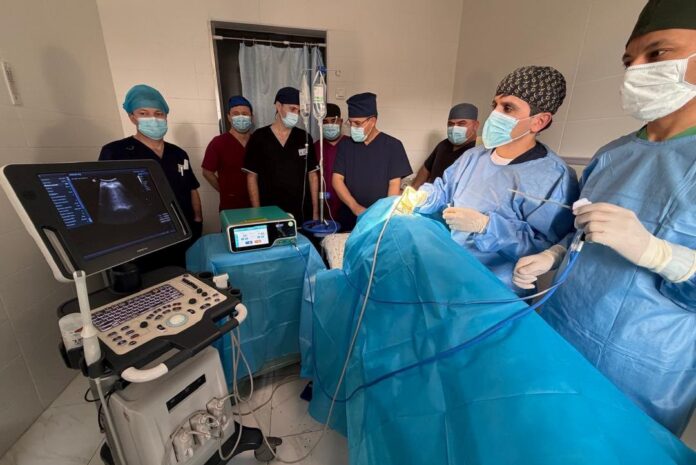
The Republican Oncology Center in Dushanbe has successfully performed the first microwave ablation (MWA) surgery to treat liver tumors. The procedure uses microwave ECO equipment in conjunction with ultrasound and CT scans, according to the press center of the Ministry of Health and Social Protection of the Population (MoHSPP).

According to the Ministry of Health’s press service, electrodes are placed precisely at the tumor's center for safe removal and to minimize complications. The operation lasts only 5-7 minutes, and the postoperative period proceeds without complications. Patients can be discharged just 24 hours after the procedure.

"This high-tech, minimally invasive method uses electromagnetic energy to heat tissues and induce necrosis in tumor cells. It is effective not only for treating liver tumors but also for kidney tumors and other organs," said a MoHSPP.

Until now, Tajik citizens had to travel abroad for such procedures, as advanced treatments like microwave ablation for liver tumors were not available in the country. This new method now allows patients to receive specialized medical care domestically, greatly improving access to treatment and reducing costs.