Home Blog Page 51

Population of Tajikistan Increased by 215,000 in 2025

0

As of January 1, 2026, the population of Tajikistan reached 10.72 million people, marking an increase of 215,000 compared to the previous year. This represents a 2% growth in population, according to the Agency for Statistics under the President of Tajikistan.

In terms of regional distribution, the population of Tajikistan’s provinces as of January 1, 2026, is as follows: Khatlon province with 3.88 million people; Sughd province with 3.02 million; district subordinate to the center (RRP) with 2.30 million, the capital city of Dushanbe with 1.29 million, and the Gorno-Badakhshan Autonomous Oblast (GBAO) with 236,400.

Khatlon province accounts for 36.2% of the total population, Sughd province 28.1%, districts subordinate to the center 21.5%, Dushanbe 12%, and GBAO 2.2%.

In 2025, a total of 255,100 births were registered across the country. Birth registrations saw an increase in all regions except GBAO. The growth in births was 1.4% in Sughd (62,800 births), 1.9% in Khatlon (105,400 births), 6.4% in districts subordinate to the center (57,900 births), and 0.4% in Dushanbe (25,600 births).

However, GBAO saw a slight decrease of 0.2%, with 3,300 births registered.

The number of registered deaths in Tajikistan increased by 4.1% compared to 2024, reaching 34,400 deaths. The number of deaths in Sughd rose by 2.4% (11,300 deaths), in Khatlon by 4.1% (11,800 deaths), in RRP by 6.4% (6,800 deaths), in Dushanbe by 5.1% (3,500 deaths), and in GBAO by 4.0 % (946 deaths).

The demographic trends indicate a steady increase in population, particularly in urban areas and some regions, reflecting overall growth across the country.

What Future Awaits Tajikistan: Will It Become a Central Caravanserai or the Mountain Periphery of Eurasia?

0

Abdughani Mamadazimov, Political Scientist and Chairman of the Silk Road – Path of Consolidation Foundation, notes that a mid the mountainous isolation and natural disasters, creating alternative roads and rail routes in Tajikistan has become a crucial step toward integrating the country into international transport networks and accelerating its economic development.

The much-anticipated rains, which guarantee an abundance of fruits and vegetables this year, have also highlighted the vulnerability of our mountainous region due to the severe lack of alternative ground communications during the winter months. Frequent snow avalanches and landslides on two strategic roads in the Sughd and Gorno-Badakhshan regions, which cause long lines of trucks, illustrate the bottlenecks in the country's communication isolation.

This situation once again emphasizes the urgent need to create alternative land routes that would firmly connect even the most remote mountain villages with the capital.

Therefore, I once again suggest that the relevant authorities and their specialized agencies explore options for two alternative (ring) roads to the remote regions of the republic — Sughd and Badakhshan.


First road: from Dushanbe to Khujand

Alternative (ring) route: Dushanbe — Nourobod — Sarykarr Tunnel (or Navobod) — Mehron — Uguk Tunnel — Devashtich — Khujand.

The completion of the modern Dushanbe-Nourobod road has provided a good foundation for designing and constructing a tunnel under the Hisor Range (7-10 km) leading to the district center of Kuhistoni Mastchoh, the village of Mehron. In the western outskirts of this district, a second tunnel with a water canal (7-9 km) needs to be built near the Uguk Pass. This vital road will strongly link the northern part of our mountainous homeland with its center, despite natural challenges.

With two consistently operational roads, we can focus on constructing rail routes along the “center-north” route.


Second road: from Dushanbe to Khorog

Alternative (ring) route: Dushanbe — Lakhsh — Muksou — Seldara — Karakol — Murgab — Khorog.

In recent years, the vulnerabilities of the only road to the Gorno-Badakhshan region have been compounded by natural disasters (rockfalls, mudflows, etc.) and border incidents along the entire mountain route from Shamshiddin-Shohin to Rushan. As a result, Chinese road builders were forced to halt the reconstruction of this vital road.

This situation revealed the second “Achilles’ heel” of our region's communication isolation. Therefore, it is crucial to radically reconsider the planned routes and direct all efforts and resources toward constructing a second (alternative-ring) road to Gorno-Badakhshan.

The implementation of the fourth national strategy — accelerated industrialization — cannot be achieved without the creation of a nationwide railway network. It is becoming clear that, in addition to hydropower, mountain mining will soon become the driving force behind Tajikistan’s sustainable industrial development.

Therefore, the construction of this alternative road in Gorno-Badakhshan should be viewed not only through the lens of a single sector of the national economy but also through its full integration into transcontinental land freight transport.


Missed opportunities

While all our Central Asian neighbors are rapidly joining or connecting to global rail and road freight networks along the “Central Corridor” from China to Europe and back, we cannot afford to just watch from the sidelines as these shifts unfold.

Looking at the map of vast Eurasia — the world’s leading continent — it becomes clear that our region is situated at the crossroads of the Far East and the Middle East, and northern Eurasia with South Asia. Yet, unfortunately, we have not capitalized on our geostrategic location and remain “hostages” of it.

We must not only catch the “last train” of the China-Europe express but also redirect the entire central route of the “Middle Corridor” through Tajikistan by constructing a railway from Dushanbe to Kashgar.

In 2025, China sent 120,000 freight trains through our immediate neighbors (Central Asia) to Europe — that’s nearly 330 freight trains per day — yet none of them pass through Tajikistan.


Wide horizons

At the same time, the shortest and fastest geographical route runs through our territory. The transcontinental railway route from Guangzhou to Kashgar, Dushanbe, Istanbul, and Hamburg passes along the parallel from Kashgar to Dushanbe to Istanbul, without crossing seas, gulfs, or major water crossings. Additionally, adopting the European rail gauge would make this route the champion for fast cargo delivery from the Pacific to the Atlantic.

The revenues from operating this promising cross-border railway route would allow us to start building numerous branch lines within the country, eventually integrating Tajikistan into various international, interregional, and transcontinental routes — both “East-West” and “North-South” across vast Eurasia.


From the mountain periphery to the central caravanserai

While the President of distant America considers a small intergovernmental road in the South Caucasus (Nakhchivan — Zangezur — Baku), calling it the "Trump Route" (or more precisely, “Trump’s Route for International Peace and Prosperity,” TRIPP), why can’t we name our project after our Nation's Leader and begin its construction with urgency?

By doing so, we would truly transform our beloved Tajikistan into the “central caravanserai of vast Eurasia,” just as in the glorious times of the Samanids, instead of helplessly watching as our neighbors compete for their share of global land freight transport.

Transforming Tajikistan from the mountainous periphery of vast Eurasia into its central caravanserai, where millions of tourists and billions of goods pass through our mountainous region, will undoubtedly become one of the most important achievements of our independence. We will not only stop struggling to move from one mountain region to another within a small country but will find our rightful place among the great peoples of Eurasia and the world.

Man arrested on suspicion of stabbing his wife

0

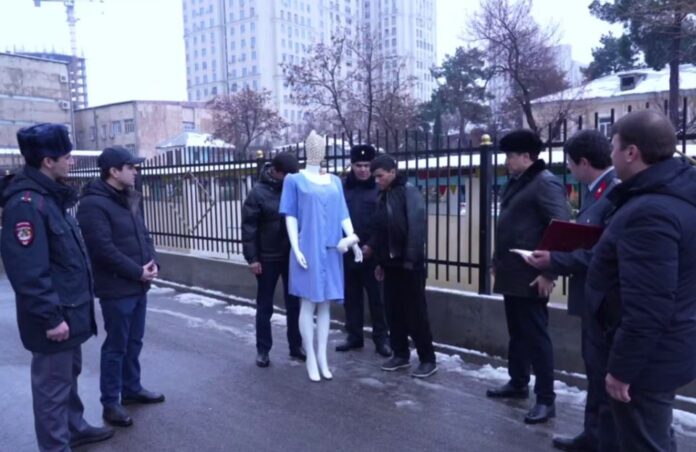
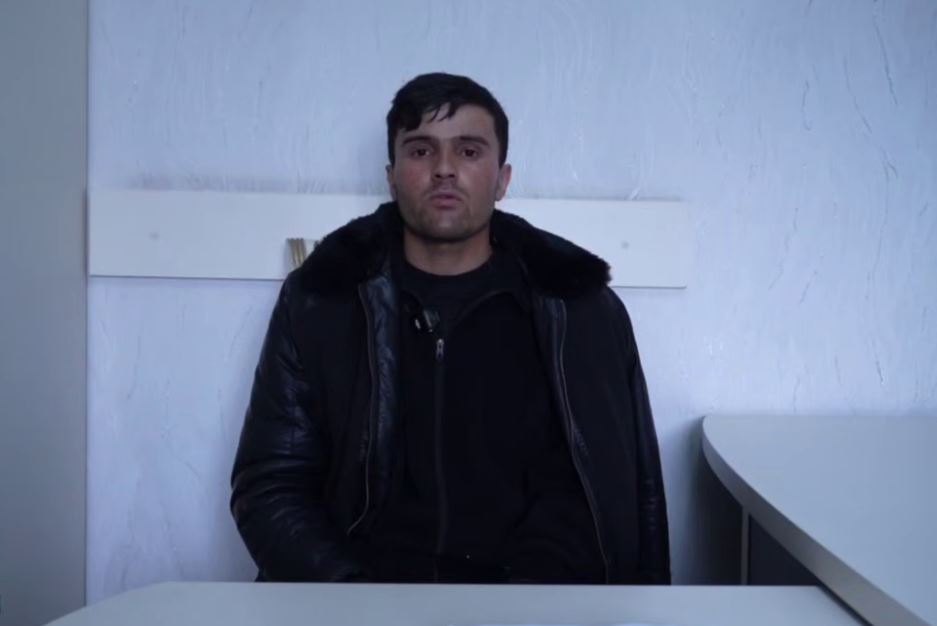
A 26-year-old man, Javlon Turdiboyev, a resident of Shahriston district in Sughd province, has been arrested in Dushanbe on suspicion of deliberately inflicting serious harm on his wife, according to the Dushanbe Police Department.

The incident reportedly occurred on February 5, 2026, on R. Karimov Street in the capital. According to the authorities, during a conflict with his wife, N. Oqilova, Turdiboyev stabbed her several times in various parts of her body, causing severe injuries. She was hospitalized as a result of the attack.

The suspect is currently in custody. A criminal case has been initiated against him under Article 110 of Tajikistan’s Penal Code — deliberate infliction of serious harm to health; the investigation is underway.

Femicide cases are unfortunately not rare in Tajikistan. For example, in August 2025, police in the Sughd province reported the death of a 21-year-old woman, who was killed by her 17-year-old boyfriend. In December of the same year, the Sughd Regional Court sentenced the young man to 24 years in prison for killing his girlfriend after she rejected his marriage proposal.

Femicide is defined as the killing of a woman by a man motivated by gender discrimination or gender-based violence. The majority of femicides are committed by intimate partners.

According to Tajikistan’s Committee on Women and Family Affairs, 3,423 crimes against women were registered in the country in 2025, an increase of 177 cases compared to the previous year.

First pilot container train successfully departs from China to Tajikistan

0

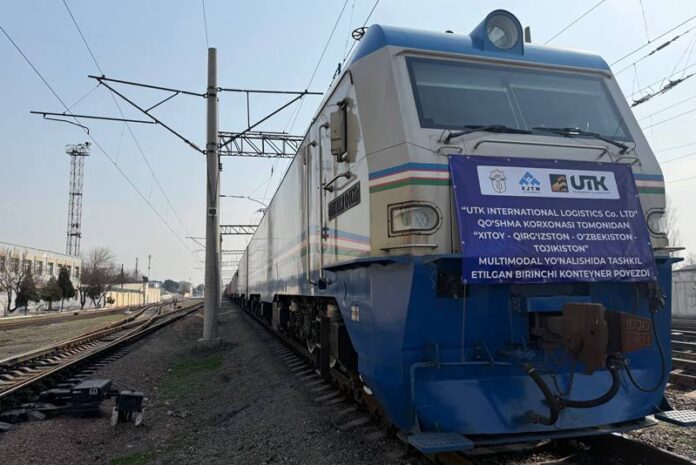
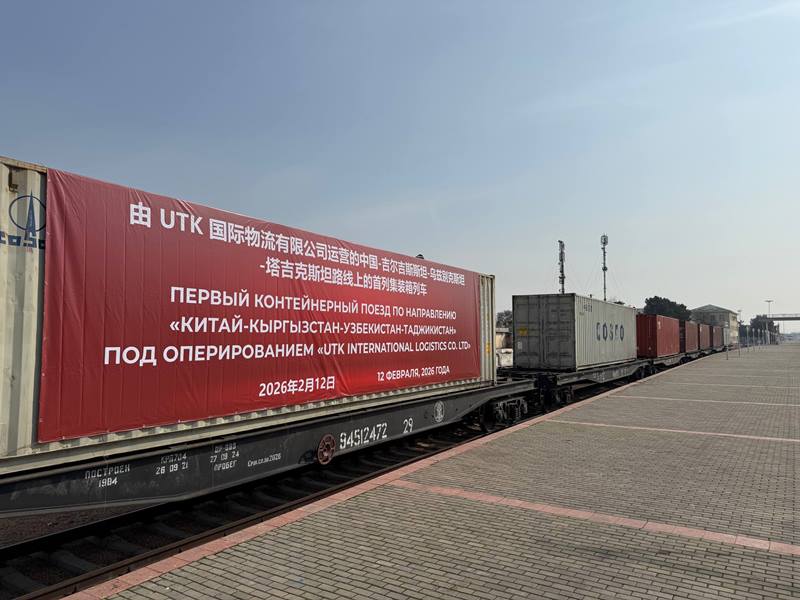
The first pilot container train has successfully departed from China to Tajikistan, according to a report from the joint Chinese-Uzbek company UTK International Logistics Co. Ltd.

The project is a practical step under the agreements made during the 2025 summit of the presidents of Kyrgyzstan, Uzbekistan, and Tajikistan in Dushanbe, aimed at deepening regional cooperation and developing trade connections.

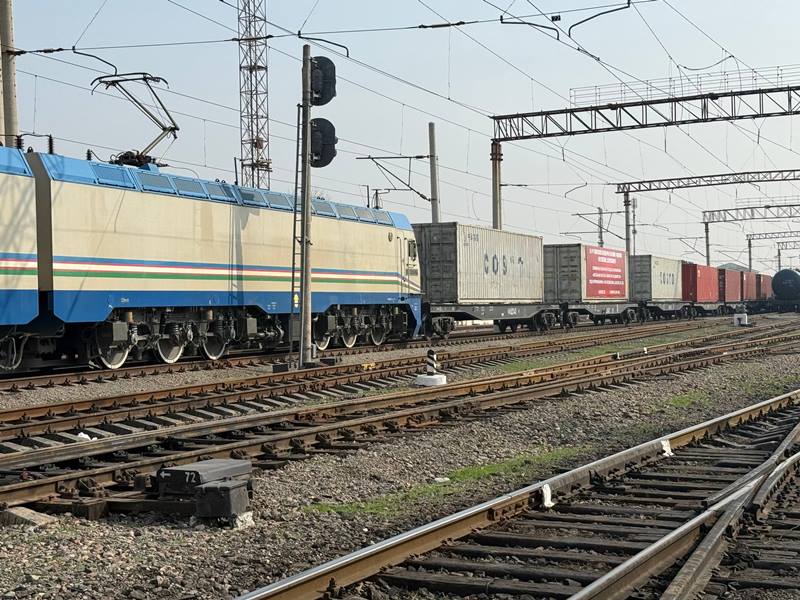
The train consists of eight 40-foot containers loaded with consumer goods and construction equipment. It departed from Lanzhou station and will travel to Dushanbe-2 station via the multimodal transport corridor "China – Kyrgyzstan – Uzbekistan – Tajikistan."

The total route spans over 3,500 kilometers, with the transit time for goods delivery expected to be 18-20 days.

"Thanks to the support from Uzbekistan JSC Temir Yollari in the logistics sector, preferential tariffs have been established on this multimodal route," the statement highlighted.

This pilot project demonstrates the company's practical readiness to organize stable and regular container transport services between China and Central Asia.

JSC Uztemiryulkontainer continues to expand international logistics chains, develop new transport corridors, and improve reliable and effective transportation solutions for its partners," the company added.

UTK International Logistics Co. Ltd is a joint venture established in July 2025 with participation from both Uzbek and Chinese sides. The company specializes in cargo consolidation and the development of rail and multimodal transportation between China and Central Asian countries.

China has become Tajikistan's leading trading partner, surpassing Russia in bilateral trade turnover in 2025 for the first time. According to official statistics, the bilateral trade between Tajikistan and China last year valued at $2.85 billion last year, a nearly 46% increase compared to 2024.

Tajikistan's exports to China totaled $524 million, while imports from China amounted to $2.33 billion. China's share of Tajikistan's total foreign trade turnover stood at 26.4%, while Russia's share was approximately 23% ($2.5 billion).

Tajikistan imports a significant portion of consumer, industrial, and capital goods from China, while its exports to China are mainly raw materials and natural resources.

While Tajikistan has direct road links with China, only part of the freight between the two countries is transported via this route. This is due to the poor condition of the Dushanbe-Khorog-Kulma road (border with China), which complicates the transportation of goods by road. 

How a Tajikistani native made his way to one of the world’s most influential tech companies

0

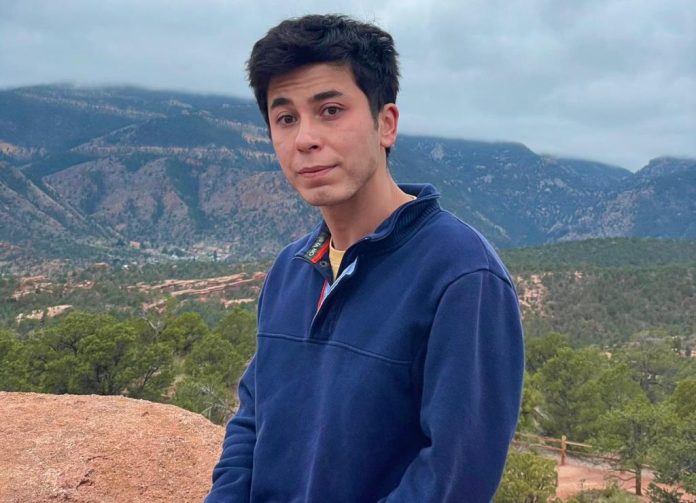
Moving to the USA, studying at USC, interning at SpaceX and Disney, receiving offers from Google and Apple – these are just milestones in the journey that changed the life of our fellow countryman, Daler Asrorov. Why did he choose NVIDIA, and what project is he working on now?


Echoes of childhood

Daler grew up in a typical Tajik family, where his father played a crucial role in shaping his character.

“He always encouraged my curiosity and thirst for knowledge. His achievements inspired me to look at life more deeply and thoughtfully. I am very grateful to him for that,” he admits.

Daler became the first in his family to develop a serious interest in technology.

“My father was interested in finance and art, my mother loved cooking and watching detective shows, while I built paper airplanes, glued them with duct tape, invented my own models, and felt like a little inventor,” recalls Daler.

Before moving to the USA in 2011, he studied at the "Tajikistan" gymnasium, where his interest in learning and his desire for new knowledge began to take shape.


A new life

In the USA, Daler had to go through numerous difficulties and procedures. His family settled in Alexandria, Virginia, where Daler began seriously considering his future career.

“It was important to choose a direction that would truly interest me. Although, of course, I also listened to my parents' opinions,” he recalls.
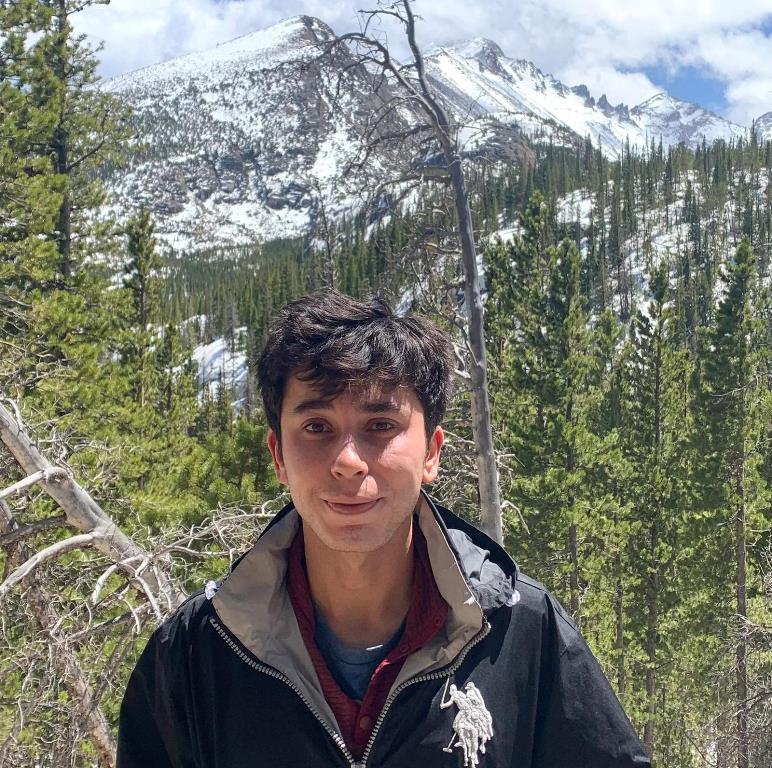
Thus, Daler initially enrolled in Northern Virginia Community College (NoVa), intending to become a lawyer or diplomat. During his studies, an academic advisor suggested he take math courses to provide more opportunities for further education at a university.

“That's how I focused on mathematics and programming,” he says.


Studies and work

These skills helped Daler successfully gain admission to several major American universities, but he chose the University of Southern California (USC) “because it has one of the best engineering and computer science programs in the USA.”

While studying, Daler interned at SpaceX and Disney, gaining valuable experience in the tech industry.

After graduation, he worked at Eventbrite, where he was involved in developing payment systems. He switched jobs several times to find a direction that truly interested him.

During the pandemic, Daler worked as a senior software engineer at Capital One, but he didn't enjoy the nature of the work. So, he “started putting in less effort and began preparing for technical interviews.” This is a familiar path for developers: endless tasks on LeetCode, books like Cracking the Coding Interview, and hours of preparation.
 

An unexpected offer

One day, a recruiter from NVIDIA contacted Daler on LinkedIn and offered him an interview. Daler admits that he hadn't originally planned to work at NVIDIA.

“To be honest, I was considering Google and Facebook. But the offer from NVIDIA was a pleasant surprise, as their projects looked incredibly promising,” he admits. “I immediately knew that I wanted to give it a try.”


A lengthier process than Google

The interview process turned out to be lengthy, with several stages: a phone interview with the recruiter, a technical discussion with the manager, testing both practical skills and general knowledge.

Next came an interview with an engineer, which involved solving six programming problems and creating a web component using HTML, CSS, and JavaScript. The final round included five online sessions with additional tasks and creating a React component.

“The process was longer than at Google,” Daler recalls. “Google takes a more academic approach, while NVIDIA focuses on practical skills—they check real abilities.”

 

Why not Apple or Google?

After completing a series of interviews, Daler received offers from both Apple and Google. However, the choice was obvious.

Moreover, unlike the others, NVIDIA offered him permanent remote work, meaning he wouldn't have to relocate to the Bay Area (Silicon Valley) even after the pandemic ended.

According to Daler, NVIDIA's corporate culture is primarily people-oriented.

“Yes, it’s a demanding environment, but the company does everything to make us feel successful and satisfied with our work. Here, they value personality and teamwork, not just technical skills,” he notes.


What does an AI Engineer do?

Since 2021, Daler has been working at NVIDIA, initially as a software engineer, and after two years, as a senior AI engineer.

He works on both the backend (internal part of programs) and the frontend (visible user-facing part). For machine learning, he uses Python and PyTorch, while for interfaces, he works with React and JavaScript.

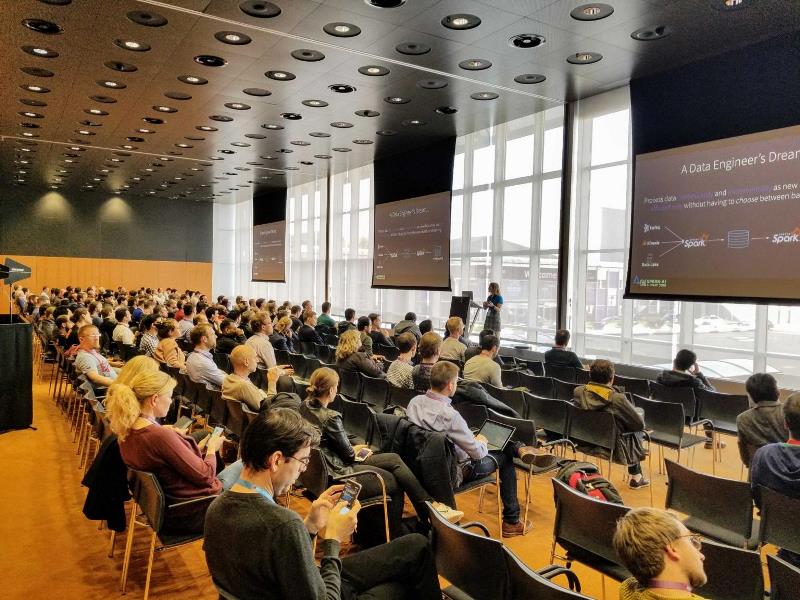
“We're building a system to simplify the publication of AI models for engineers and scientists,” he explains. “We’re also developing UI components and AI applications for web and mobile devices. It’s important that the models work efficiently, use browser memory optimally, and remain user-friendly.”
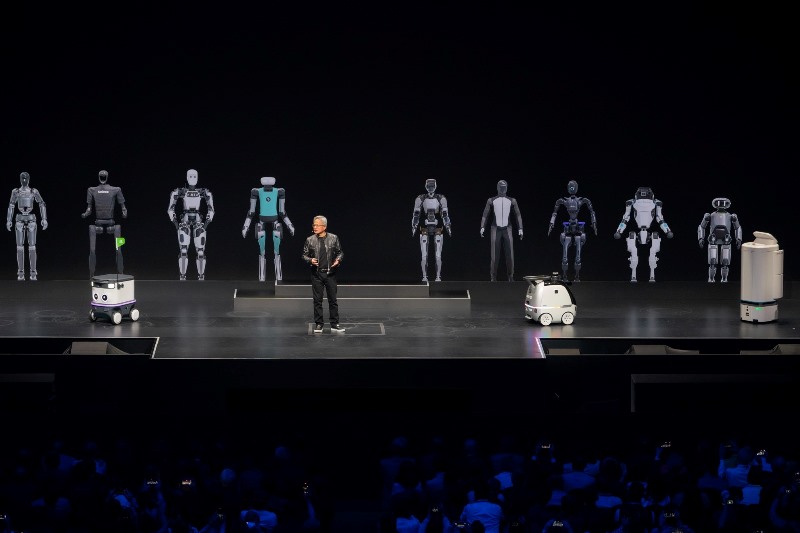
Each week, the tasks can vary: from models removing noise from speech to generating heatmaps for autonomous vehicles or optimizing traffic light systems using AI.

“The work is interesting because every project is unique,” Daler notes. “This is exactly why I chose NVIDIA.”


Flexible work

Daler enjoys a flexible work schedule. Living in Virginia and working on Eastern Time, he starts his day around 10 AM and usually finishes by 4–5 PM, depending on his workload.

For complex projects and tight deadlines, his workday can stretch longer.

There is no fixed number of hours dedicated to coding; sometimes it’s three hours, sometimes five.

The bulk of his time is spent in design and architecture meetings, where decisions are made that will later be effectively implemented into projects.


A challenging but fascinating project

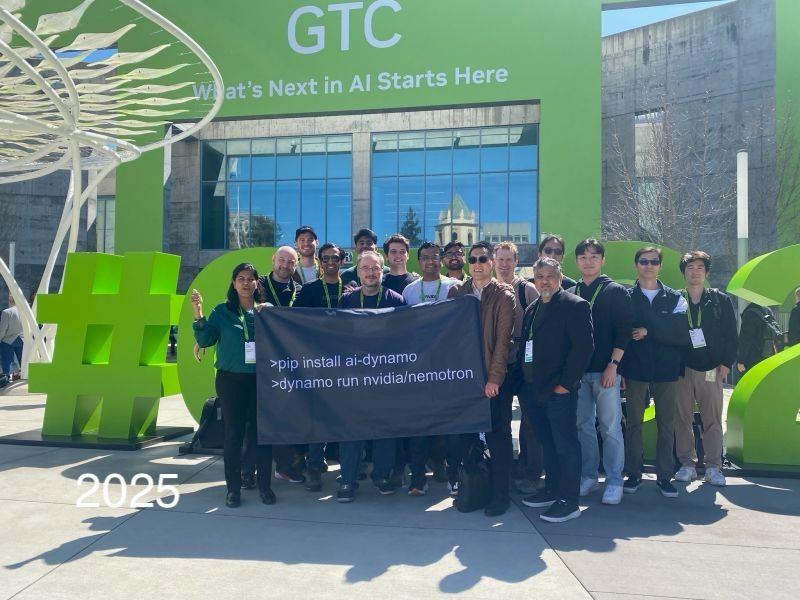
One of Daler's recent projects was developing a user interface for Meta’s SAM-2 model. This system allows for quick and accurate object recognition in images and videos.

“Meta already had its own interface, but the web platform we developed at NVIDIA had extended functionality: text-based object recognition, searching for multiple objects, and real-time visualization of segmentation masks as the user makes changes,” Daler says. “It was a very challenging, but incredibly fascinating project.”


The key lesson

Over the years, Daler has learned that competition is an inherent part of the profession, and the most important thing is to stay competent.

“At NVIDIA, there are outstanding  and experienced engineers,” he says. “It’s essential to constantly improve your knowledge, learn from colleagues, acknowledge their brilliance, and be ready to help. Gaining the trust of such specialists is the most valuable reward.”
 

The future belongs to AI

Daler reflects on this with caution.

“The implementation of AI has both advantages and disadvantages,” he believes. “AI helps humanity achieve outstanding results, especially in medicine, business, and space exploration. But it can also harm society. The future seems less predictable than some think.”


The key to a successful career

Daler advises young people to develop not only scientific thinking and an interest in exact sciences but also to learn communication.

“If you want to work in business or marketing, that’s one thing. But for engineers, networking is the key to a successful career. Be kind and attentive to people—you never know who the person you're talking to will become. Cultivate compassion and learn to be a mindful person,” he says.

Two traders arrested on the first day of Ramadan for overcharging on meat in Dushanbe

0

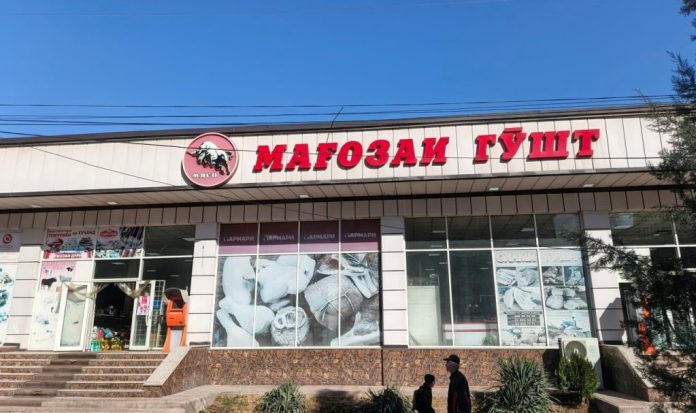
On the first day of Ramadan, Dushanbe police detained two traders, Abdulaziz Abdulloyev and Firouzjon Mahmadullo, for overcharging on meat at the Magozai Gusht store on Jabbor-Rasoulov Street in Dushanbe’s Sino district.

According to the Dushanbe Police Department, the traders unjustifiably raised the price of their products, taking advantage of the increased demand during the holiday. Administrative offense protocols were drawn up against the detained individuals, and the Sino district court sentenced each to 4 days of arrest.

The exact price at which the detained traders sold the meat was not disclosed.

The Dushanbe Police Department reminded entrepreneurs to refrain from unjustified price hikes, especially during Ramadan, and announced that inspections in this regard would continue and be intensified.

On February 18, the Dushanbe police urged business owners and traders to avoid raising prices on products during the holy month of Ramadan. The department reminded the public that Ramadan is a time for mercy and good deeds, and artificially inflating prices during this period contradicts moral norms and spiritual values.

Traders, entrepreneurs, and suppliers were urged to maintain price balance and act honestly. The police warned that any violations would be dealt with in accordance with the law.

In his congratulatory message for Ramadan, President Emomali Rahmon called for fairness in the sale of goods and for refraining from excessive feasts and overconsumption of food. He emphasized that good deeds performed during this holy month are rewarded far more than at other times of the year.

Rahmon expressed confidence that the people of Tajikistan, with an understanding of the lessons of Ramadan, would continue to work for the prosperity of the country and the strengthening of national unity.

Meat is considered a socially significant product in Tajikistan. The government has the right to limit trade markup or set a maximum retail price (Chapter 1, Item 5; Chapter 3, Item 22). If a seller exceeds these limits, it is considered a violation of pricing regulations and grounds for a protocol under Article 555 of the Administrative Offenses Code.

27 young men sentenced in Tajikistan last year for avoiding military service

0

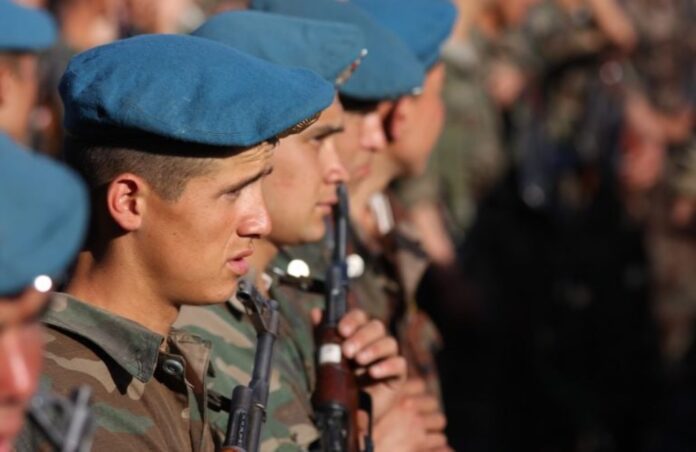
In 2025, Tajikistan's courts handled 120 criminal cases of military service evasion involving 96 young men, with 27 of them sentenced to prison and 69 others fined, a representative from the country's Supreme Court told Asia-Plus in an interview.

The cases were reviewed under Article 343 of the Criminal Code—evasion of military service—and sentences were handed down accordingly. The exact amounts of the fines and prison terms were not disclosed, but under this article, fines can range from 37,500 to 75,000 somoni (as of 2025), while prison sentences can range from two to five years.

According to the Human Rights Commissioner of Tajikistan, in 2024, 107 criminal cases were initiated for military service evasion, with 30 young people receiving court sentences.

Additionally, 25 criminal cases were reviewed in 2024 under Article 376 of Tajikistan's Criminal Code, which covers evasion of military duties by self-harm or other means. As a result, nine servicemen were sentenced to prison terms under this article. The length of their sentences was not specified, but some parts of the article provide prison terms ranging from 2 to 12 years.

The court also imposed probation periods for 16 other servicemen, who are currently "serving their sentences" in military units. According to Article 71 of the Criminal Code, when applying conditional sentences, the court establishes a probation period, during which the convicted individual must demonstrate their ability to reform. This probation can range from one to five years.

Each year, the issue of compulsory conscription, conditions of service, and mistreatment in the military becomes more pressing as the conscription campaign begins. Poor conditions, abuse of servicemen, hazing, and the deaths of young soldiers in military units are considered the main reasons for young people avoiding service in Tajikistan's armed forces.

Young Tajiks can avoid or postpone military service if they are ill, studying at university, an only son, or if they have two children.

Besides, under amendments made to the country’s law on military service in early 2021, young men in Tajikistan who wish to forgo the military service may now do so by paying a fee to the government.  A one-month basic reserve service is organized for those who did not perform conscript service for a fee.  At the end of basic reserve service they receive military cards.

Uzbekistan launches jury trial system as an experiment

0

In November 2026, Uzbekistan will begin an experiment to implement a jury trial system. The first phase of the trial will cover Tashkent and the Tashkent region, with the corresponding provisions included in a state program approved by President Shavkat Mirziyoyev's decree on February 16, Gazeta.uz reports.

According to the document, "people's representative boards" – or juries – will be established in the courts of the capital and surrounding region. As part of the pilot project, juries will consider criminal cases involving particularly serious crimes, excluding crimes against peace and security.

The state program also outlines other judicial reforms. Specifically, under the "habeas corpus" institution, there are plans to strengthen judicial oversight during the pre-trial phase. Investigative judges will be granted authority to impose and lift preventive measures such as detention and house arrest.

The government has been tasked with developing measures by June 1 to ensure equal opportunities for both the defense and prosecution sides. One of the proposals is to approve a new procedural document, "Himoya fikri" (Opinion of Defense), allowing defense attorneys to submit a written position to the court simultaneously with the prosecutor’s indictment.

Additionally, the defense will be granted the right to access case materials and make copies at any stage of the pre-investigation and preliminary inquiry, with a few exceptions, such as those involving the protection of victims' rights.

Amendments will also establish free execution of lawyer requests to state bodies, including notary and cadastral services.

Further changes will affect foreign trade transactions: economic courts may be granted the authority to reduce fines for overdue receivables on export contracts if the entrepreneur acted in good faith and took reasonable measures.

Earlier, President Shavkat Mirziyoyev supported the introduction of a system for the declaration of assets by judges and their family members, as well as strengthening compliance controls and transparency in the hiring process for judicial staff. These measures are part of an effort to increase the effectiveness of anti-corruption efforts in the country’s judicial system. 

Job market in Tajikistan: Somon.tj identifies most in-demand professions and market trends

0

At the beginning of 2026, Tajikistan's labor market has noticeably accelerated, and online platforms are providing the first signals of these changes. Somon.tj, one of the largest advertising platforms in the country, presented fresh vacancy analytics and revealed which professions are growing the fastest.

According to Somon.tj, as of February 18, there were 6,637 active vacancies posted on the platform. The company highlights that digital services are no longer just tools for job searching but have become full-fledged sources of market insights. Through vacancy dynamics, it's possible to understand in real-time where the economy is heading.


Where is the market growing the fastest?

Somon.tj's analytics show that the fastest-growing sectors are hospitality, manual labor, logistics, and warehouse management. Employers are focusing on practical roles—employees who can quickly integrate into processes and deliver results.

“The labor market in Tajikistan is growing actively alongside the economy. Companies are expanding and more frequently competing for top talent. At the same time, recruitment is increasingly moving online, and we are proud to be part of this transformation, helping businesses and job seekers connect faster and more transparently,” said Mugminat Avezova, CEO of Somon.tj.

Companies are increasingly posting job vacancies directly through Somon.tj, bypassing intermediaries. This speeds up the hiring process and makes the platform a key meeting point for employers and job seekers.


Seasonality and new employer requirements

In recent months, there has been an increase in vacancies in offline services and physical labor. Alongside this, employer requirements are changing. More and more, employers are seeking candidates with versatile skills—communication, responsibility, and basic digital literacy.

Even in traditional professions, there are now expectations to work with mobile services and online orders—one of the major trends tracked by Somon.tj’s analytics.

Experts at Somon.tj emphasize that the market is becoming faster and more competitive. Vacancies are appearing more frequently, requirements are expanding, and successful candidates are those who are ready to learn and adapt.


Somon.tj as a source of market insights

Today, Somon.tj is not just a platform for job searching, but also a tool for understanding the market. The platform’s analytics show how demand for specialists is changing and which skills are becoming key in the current labor market.

The high concentration of job listings allows Somon.tj to spot trends earlier than traditional statistics. According to independent Brand Awareness research, Somon.tj’s brand recognition stands at 86.1%, with Top of Mind awareness at 53.9%.

The company emphasizes that Somon.tj is now not only an advertising service but also an expert platform that analyzes the labor market and shares practical insights with businesses and job seekers.

Russian lawmaker proposes migrants should receive benefits only after 20 years of residence in Russia

0

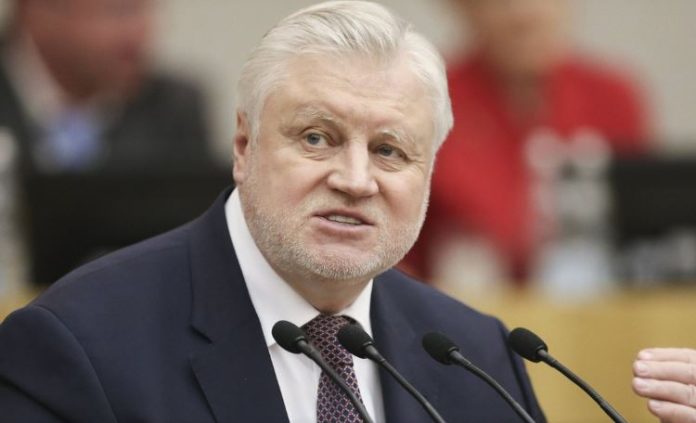
Sergey Mironov, who leads the faction of A Just Russia – For Truth in the State Duma (Russia’s lower chamber of parliament), has proposed that social benefits and privileges for migrants should only be granted after 20 years of residence in Russia following the acquisition of Russian citizenship.

He noted that there would be a number of exceptions to this rule, such as for citizens from Belarus and Ukraine, participants in resettlement programs for compatriots, and those involved in the so-called Special Military Operation (SMO).

In an interview with Gazeta.ru, Mironov shared that the parliament had recently passed an amendment, requiring families with children to have lived in Russia and held Russian citizenship for at least five years to receive a unified family allowance. He described this as "the first correct step" and added that his faction had previously proposed a bill to the government introducing a 20-year residency requirement to qualify for state support measures, including benefits, housing subsidies, and maternity capital.

Mironov explained that this initiative primarily targets "new citizens" among former migrants who, according to him, have been receiving Russian passports in large numbers over the past few years and subsequently applied for social support. He cited high-profile cases of housing certificates being issued to such individuals as examples.

One notable case involved Tahmina Samadova, who in January 2025 received a housing certificate worth 24 million rubles from the Mytishchi administration. Samadova and her husband, Ramazon Rahimov, have lived in Russia for 14 years and are raising seven children. However, after the case garnered significant attention, she was charged with fraud, accused of providing false income information and forging a housing registration certificate. In October 2025, the court sentenced her to four years in prison, with the sentence deferred until her youngest child reaches adulthood.

Sergey Mironov (born February 14, 1953) is a Russian politician.  He was chairman of the Federation Council, the upper house of the Russian parliament, from 2001 to 2011.  Currently, he leads the faction of A Just Russia – For Truth in the State Duma.

Mironov was a candidate in the 2004 presidential election.  He was not considered to be a serious candidate and was quoted as saying: “We all want Vladimir Putin to be the next president.”  He polled less than one percent of the vote.

He became the leader of the A Just Russia – For Truth Party in October 2006.  This party was formed by uniting Rodina, Mironov's Russian Party of Life, and the Russian Pensioners' Party.

Mironov is  known for his nationalistic, anti-Western, and imperialist position, and his party has shifted toward more ultranationalist positions, especially after absorbing other groups.