Home Blog Page 50

How a resident of Khujand became energy-independent

0

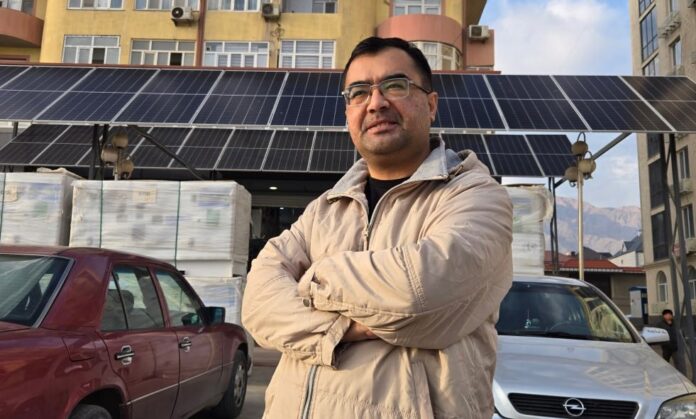
This is the story of Mashhour Pochoyev, an enthusiast from Khujand who, tired of constant power outages and needing stable internet access for remote work, decided to install a solar power system in his home.


Meet Mashhour

Mashhour is 36 years old and considers himself a fan of solar energy. Born in a remote town in northern Tajikistan, he moved to Khujand in 2007 to study and ended up staying there. His career has been diverse, including roles as a radio host, program coordinator at an environmental organization, graphic designer, and even a production specialist.

In his free time, Mashhour is passionate about electronics and physics. He currently lives in a small one-story house, which he is gradually making his own. His greatest support and inspiration come from his family.

"My wonderful wife was the driving force behind the installation of the solar system. Without her, I wouldn't have dared to take the leap. We have a son now, and he's very happy that there's always electricity at home. For me, it's a huge victory – peace and comfort in our home."


From childhood memories to an adult decision

Mashhour's idea of energy independence has deep roots. During his childhood in a remote village, electricity was available only for two hours a day from September to May, and there was one instance when it was completely out for 14 days.

"Life seemed to stop. I read every book in our home library by candlelight, and out of boredom, I even delved into technical literature like geodesy," Mashhour recalls. "The inability to do simple household tasks like ironing or cleaning frustrated me."

His interest in using solar energy at home first sparked in 2005 while volunteering at an environmental organization, but the turning point came in 2020 during the COVID-19 pandemic.

"I worked as a designer, and switching to remote work left me with no choice: electricity and internet had to be constant. It was no longer just a household issue but a matter of stable income. The goal wasn't to save money, but to ensure an uninterrupted power supply," he explains.

After considering various options, including purchasing a diesel generator, Mashhour ultimately decided on a solar power system.


Doubts, calculations, and installation

Mashhour strengthened his theoretical knowledge by completing a course on alternative energy at the Kazakhstan-German University. However, despite this, he still had natural doubts before starting the installation.

"Even after seeing firsthand in Almaty how a solar system powers an entire floor of a university, questions remained. But they disappeared after the first month of stable operation of my system."

Mashhour took on the key preparatory work, including the critical calculations. Using open data on solar insolation and specialized software, he determined the optimal angle and orientation of the panels, as well as the required power and capacity.

"I needed to avoid making the system overpowered, but also to ensure it wasn't lacking. I spent a week doing calculations and observing the sun and shadows on the site. But the installation itself only took one day for professional electricians," he explains.

The choice of components was practical: cost, claimed power, and guarantees on key components.

"It all came down to finding the right balance between price, power, and warranty. I didn't rely on just one contractor. I ordered part of the equipment, bought some locally, and then hired specialists to assemble and connect the system."


"A reserve for the future": how to build a smarter and cheaper solar system

Mashhour's system is a balance between current needs, future plans, and budget. The core of the system is four 500W solar panels (nominal power each).

"I deliberately chose a hybrid inverter with 10 kW capacity, even though a 5 kW inverter would have been enough for today's needs and would have been cheaper. But I have plans to install additional equipment. I wanted a reserve for the future."

Energy storage is provided by a modern lithium iron phosphate battery with a capacity of 5 kWh, allowing the family to comfortably endure dark hours or cloudy days.

Since Mashhour took on the logistics, calculations, and selection of components himself, he was able to significantly save on the overall cost of the project.

"A year ago, the package with installation was quoted at 50-70 thousand somoni. But since I did most of the work myself, my system cost me much less. This isn't a story of big investments, but of a reasonable and smart approach," he says.


The first malfunction – a warranty case

The road to energy independence is rarely smooth, and Mashhour faced his first serious test of the system’s reliability. During a network failure, a voltage surge damaged the battery management controller.

"It was an unpleasant setback—the battery management system failed after a power line accident. But this highlights the importance of choosing equipment with an official warranty," he notes.

This incident, however, confirmed the correctness of his approach to selecting components. The manufacturer quickly replaced the faulty battery block under warranty.


Not payback, but quality of life: lights in the windows and bills on a "diet"

For Mashhour, financial payback calculations were secondary. His main argument is both philosophical and practical: "Initially, I didn’t consider payback as a criterion. Electricity doesn’t get cheaper, but solar systems are getting cheaper—that’s a fact. But for me, the question was never about that; it was about the quality of life here and now."

In practice, this approach fully paid off. The system operates reliably, although its performance is highly seasonal.

"On an ideal winter day, the peak output reaches 2100 W per hour, but on cloudy days, it can drop to 500 W per hour. However, the hybrid inverter and the battery smooth out these fluctuations, ensuring uninterrupted power supply."

"When I temporarily didn’t have the battery (it was being replaced under warranty), I really felt the difference. I had to constantly monitor the output and live in energy-saving mode. This proved once again that a battery is not a luxury, but a necessity."

The most significant measurable result isn’t kilowatts, but peace at home and… reduced bills.

"My electricity bills have shrunk by an average of 30%. In summer, during the day, we often don’t take any energy from the grid. I use the sun for almost everything except the water heater. And now I’m sure that if the electricity is cut off for 10-12 hours, my house won’t even notice it."

But the most striking, almost anecdotal, proof of success was the reaction of his neighbors. During scheduled blackouts, his house stood out like a beacon on the dark street.

"At first, my neighbors thought I had somehow hooked up a ‘secret’ line," laughs Mashhour.

Energy Independence as a Hobby: Mashhour's Main Advice

Mashhour believes that installing a solar system was one of the most important decisions of his life. But his main advice is not about the equipment, but about the right mindset.

"This will be the most useful purchase of your life. Children doing homework by the light, the ability to calmly boil the kettle or work—that’s priceless. We don’t appreciate these simple things until they’re gone."

He advises future owners to dive into the subject as if it were a hobby.

"My advice is simple: make sure to study and understand the details. But if you don’t have the time or interest in physics, look for trusted specialists. Visit completed projects and see how everything works."

Mashhour has turned his experience into a local educational mission. He is increasingly being approached for advice.

"I always help with consultations, showing my system as an example. It proves that even with a minimal budget, peace of mind is achievable. And one more practical tip: always build in a 15-20% power reserve. Real life is far from ideal lab conditions."
Kazakhstan joins countries sending troops to Gaza: key agreements from the first Peace Council meeting

0

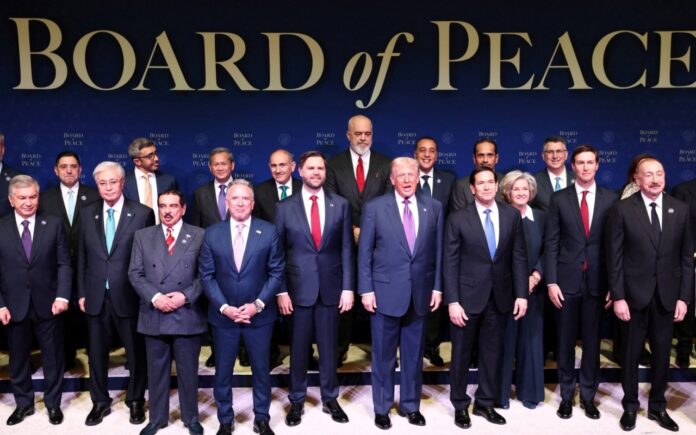
On February 19, Washington hosted the inaugural meeting of the Peace Council, a new initiative established and chaired by former U.S. President Donald Trump. The event took place at the U.S. Institute of Peace (USIP), which was renamed in December 2025 in honor of Trump’s legacy as "the greatest negotiator" in the country’s history, according to RBC.

The meeting was reportedly attended by leaders from over 40 countries, either signatories to the council’s charter or observers. The discussions lasted for about three hours.

At the start of the meeting, Trump announced that nine countries—Kazakhstan, Azerbaijan, the UAE, Morocco, Bahrain, Qatar, Saudi Arabia, Uzbekistan, and Kuwait—had agreed to contribute $7 billion in humanitarian aid for Gaza. The U.S., meanwhile, pledged $10 billion to the Peace Council’s efforts, though Trump had previously mentioned a $5 billion contribution. The exact allocation of the funds was not detailed, but the UN estimates that Gaza’s reconstruction needs could total around $70 billion.

A key outcome of the meeting was the announcement of the formation of "International Stabilization Forces" (ISF), which will be tasked with maintaining order in Gaza. According to Trump, Indonesia, Morocco, Albania, Kosovo, and Kazakhstan will send their military and police personnel to help stabilize the region. Later, Turkish Foreign Minister Hakan Fidan confirmed Turkey’s readiness to join the mission, despite objections from Israel regarding the deployment of Turkish troops in the Palestinian enclave.

The ISF will be led by U.S. Major-General Jasper Jeffers and will comprise 20,000 military personnel and 12,000 police officers. Indonesia is set to send up to 8,000 troops, as confirmed by President Prabowo Subianto.

In line with the U.S. peace plan, the ISF will support the training and assistance of Palestinian police forces in Gaza and ensure security in border areas in cooperation with Israel and Egypt. The plan also calls for the phased transfer of control from the Israeli Defense Forces (IDF), which currently controls over 53% of Gaza, to international forces. Jeffers clarified that the mission will begin in Rafah, a city in southern Gaza that borders Egypt.

During the Peace Council meeting, Kazakh President Kassym-Jomart Tokayev proposed establishing a special award named after President Donald Trump, recognizing his efforts to strengthen peace. “I would like to propose creating a Peace Council award in President Trump’s name, in acknowledgment of his outstanding contributions to peacebuilding. I am confident that under his leadership, the Peace Council will successfully fulfill its noble mission,” said Tokayev.

Tokayev emphasized that the Peace Council aligns with new global realities, promoting multilateral efforts through practical actions rather than endless conferences and resolutions based on goodwill. He added, "Donald Trump’s clear vision and his forward-thinking approach to global peace and stability inspired Kazakhstan to join the council, fully sharing the belief in the need for concrete action."

This first meeting of the Peace Council marked a significant step toward international collaboration on the Gaza crisis and broader peacebuilding efforts, with Kazakhstan playing a key role in supporting the initiative.


Murder of gas station cashier in Khatlon province: over 20 stab wounds

0

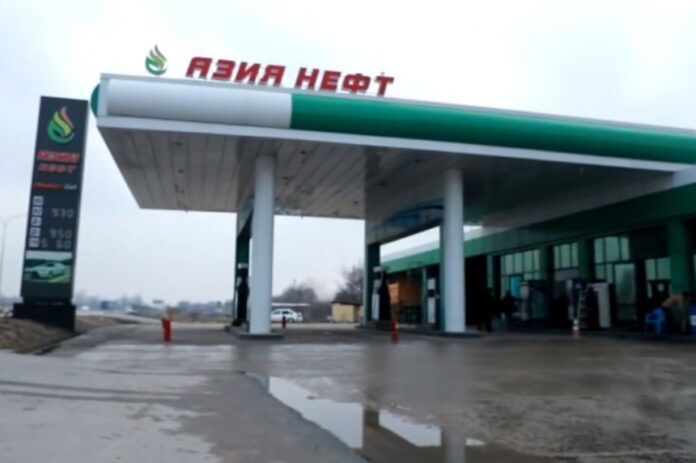
A 51-year-old cashier, Kandahor Ghiyosov, was brutally murdered at the Asia Neft gas station in Khatlon province. According to the Khatlon Police Directorate, a 35-year-old man, Muhammadnabi Abdusamadov, was arrested on suspicion of the crime.

The suspect was apprehended the day after the incident in the Varzob district, while trying to flee to the Sughd province. The tragic event occurred on February 12, 2026.

The police report states that the suspect arrived at the gas station, disconnected the electricity, entered the building, and then repeatedly stabbed Ghiyosov more than 20 times. Abdusamadov also stole 22,605 somoni from the cashier before fleeing the scene.

According to Abdusamadov's confession, he knew the victim personally and owed him 8,000 somoni, which he had failed to repay on time. The two men had a dispute, during which, as Abdusamadov claims, Ghiyosov insulted him, leading to the fatal attack. Abdusamadov was reportedly intoxicated at the time of the murder.

Criminal proceedings have been instituted against Abdusamadov under Article 104 of Tajikistan’s Penal Code – murder; an investigation is underway.  If convicted, Abdusamadov faces a sentence of 15 to 25 years in prison or life imprisonment.

In a separate case, a 23-year-old Komron Komiljonzoda from the Bobojon-Ghafourov district of Sughd province was arrested on suspicion of murdering his neighbor. Komiljonzoda admitted to stabbing a 22-year-old Shahrom Jourayev due to personal animosity and a longstanding feud. The wound proved fatal.

Komiljonzoda faces charges under Article 110 (3) of Tajikistan’s Penal Code — intentional infliction of grave bodily harm, which carries a prison sentence of 12 to 15 years.

Tajik military recruitment official arrested for corruption and bribery

0

An investigation by Tajikistan's law enforcement authorities has led to the identification of Faizalizoda F.S., a senior military official, accused of committing multiple criminal acts during his tenure as Deputy Head of Tajikistan’s Military Registration and Enlistment Office also Head of the Department for Draft in Districts and Cities Subordinate to the Center, according to the press center of the Agency for State Financial Control and Combating Corruption under the President of Tajikistan.  

As a result of the operational-investigative measures, Faizalizoda, who had held the position since March 14, 2025, and continued until his arrest, was found to have abused his official position for personal gain. His criminal activities were reportedly uncovered during a series of events that occurred while he was in office.

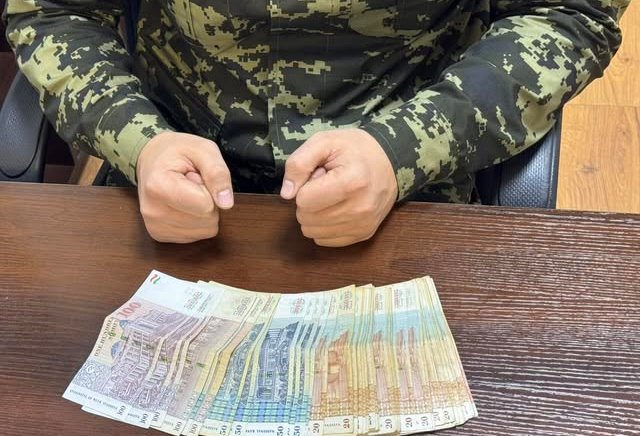
According to the anticorruption agency’s press center, Faizalizoda in October 2025 received a bribe from a citizen, R.F.T., who sought his assistance in freeing his son, R.A.F., from mandatory military service. Faizalizoda knowingly agreed to the offer, demanding and accepting $4,000 from R.F.T. the same day. 

Furthermore, Faizalizoda continued his corrupt practices later that month when he extorted $6,000 from another individual, R.T., the father of F.N.Z., in exchange for helping his son avoid military service. He was caught in the act by officials from the anticorruption agency.

Criminal proceedings have been instituted against Faizalizoda F.S. under two articles of Tajikistan’s Penal Code: Articles 319 (1) and Article 391 (1). After the preliminary investigation, the case has reportedly moved to a court with charges substantiated.

The anticorruption agency’s press service has confirmed that legal proceedings will continue, emphasizing the country's commitment to combating corruption within its military and government institutions.

Tajikistan honors athletes with presidential awards for international achievements

0

Tajikistan recently hosted a ceremony where President Emomali Rahmon presented awards to the winners and medalists of the country’s top athletes in major international competitions of 2025. The prestigious state awards were given not only to the nation’s leading sports figures but also to promising young athletes.

The amount of the awards varied depending on the level of the tournament and the significance of the medals earned. Coaches were also recognized with monetary rewards for their contributions.

Judoka Emomali Nourali, who won a silver medal at the World Judo Championship in Budapest (June 13-20, 2025) in the 66 kg category, received 150,000 somoni, while his coach was awarded 30,000 somoni. Additionally, Nourali earned 25,000 somoni for his bronze medal at the Asian Championship in Bangkok (April 25-28, 2025), with his coach receiving 5,000 somoni.

Boxer Khusravkhon Rahimov also received 150,000 somoni for his silver medal in the 57 kg category at the World Boxing Championship in Dubai (December 2-13, 2025).

Bronze medalists from the World Championships—judokas Obid Jebov (66 kg) and Temour Rahimov (over 100 kg), as well as boxer Akmal Ubaidov (60 kg)—were awarded 100,000 somoni each. Temour Rahimov was also honored with an additional 50,000 somoni for his silver at the Asian Championship.

Silver medalists from the Asian Championship, freestyle wrestler Viktor Rassadin and judoka Somon Mahmadbekov, received 50,000 somoni each. Bronze medalists from the same event, including Magomed Evloyev, Muhammadsoleh Quvvatov, Abubakr Sherov, Jahongir Majidov, and canoeists Shahriyor Daminov and Amir Bobojonov, were awarded 25,000 somoni each.

Among the younger athletes, special attention was given to those who excelled at the World and Asian Championships. Judoka Muhiddin Asadulloyev, who claimed the gold at the World Youth Championship in Lima (October 2025), was awarded 50,000 somoni. Silver medalist Loiq Qutbiddinov from the Junior World Championship received 37,500 somoni.

Canoeist Muhammad Rajabov stood out for his exceptional achievements, winning two golds and one silver at the Asian Championship among youth, along with a bronze at the World Marathon Championship. His total prize amount exceeded 75,000 somoni.

Gold medalists from the Asian Youth Championships, including wrestlers Bakhtovar Primqulov, Shohjahon Boboyev, and Ghanijon Sheroz, judokas Madina Qurbonzoda and Rashid Ne'matov, and boxers Alisherkhudo Kholov, Abubakr Ghafourov, and Anushervon Fozilov, each received 18,750 somoni.

Silver medalists from the youth and junior Asian Championships were awarded sums ranging from 12,500 somoni, while bronze medalists received 6,250 somoni. Among the awardees were representatives from boxing, judo, freestyle and Greco-Roman wrestling, taekwondo, and canoeing.

This ceremony underscores Tajikistan’s commitment to recognizing and supporting its athletes, both seasoned professionals and rising stars, for their outstanding contributions to sport on the international stage.

Tajikistan’s Security Council holds key meeting on national security

0

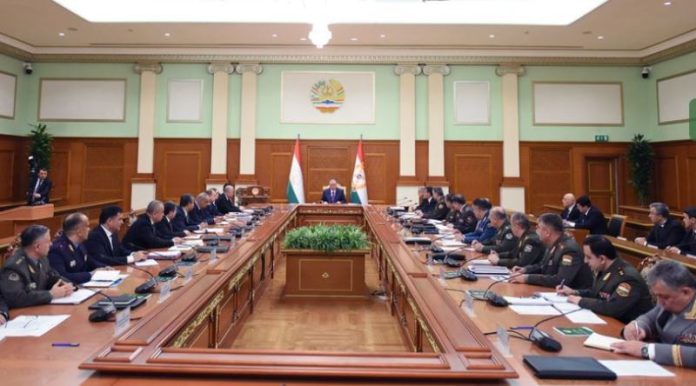
On February 19, a significant meeting of Tajikistan's Security Council was chaired by President Emomali Rahmon, who also serves as the Chairman of the Security Council.

The Tajik president’s official website says the session brought together permanent members of the Security Council, heads of law enforcement agencies, military leaders, representatives from various ministries and departments, and employees from the Security Council's Secretariat.

The meeting focused on reports from the heads of law enforcement and military bodies regarding their activities in 2025. In light of the complex and rapidly evolving global situation, President Rahmon issued specific directives aimed at strengthening the country's security apparatus. These included enhancing the security of the state and society, upholding the rule of law, combating crime, ensuring the readiness of the Armed Forces, and improving the living and service conditions of military and law enforcement personnel. 

President Rahmon also addressed existing shortcomings within various security bodies, particularly with regard to official misconduct and violations of the law. He emphasized the need for decisive action to protect Tajikistan’s borders, combat terrorism and extremism, fight drug trafficking, and curb transnational organized crime.

Additionally, military leaders were instructed to bolster personnel training, focusing on proper selection, placement, and the development of expertise in modern equipment and technologies. The President stressed the importance of advancing Tajikistan's defense industry, enhancing cybersecurity, and fostering greater professionalism, patriotism, and national pride within the military and law enforcement sectors.

Following the discussions, several important decisions were made to address the issues raised during the meeting. 

Tajikistan shuts down nearly 90 industrial enterprises in 2025

0

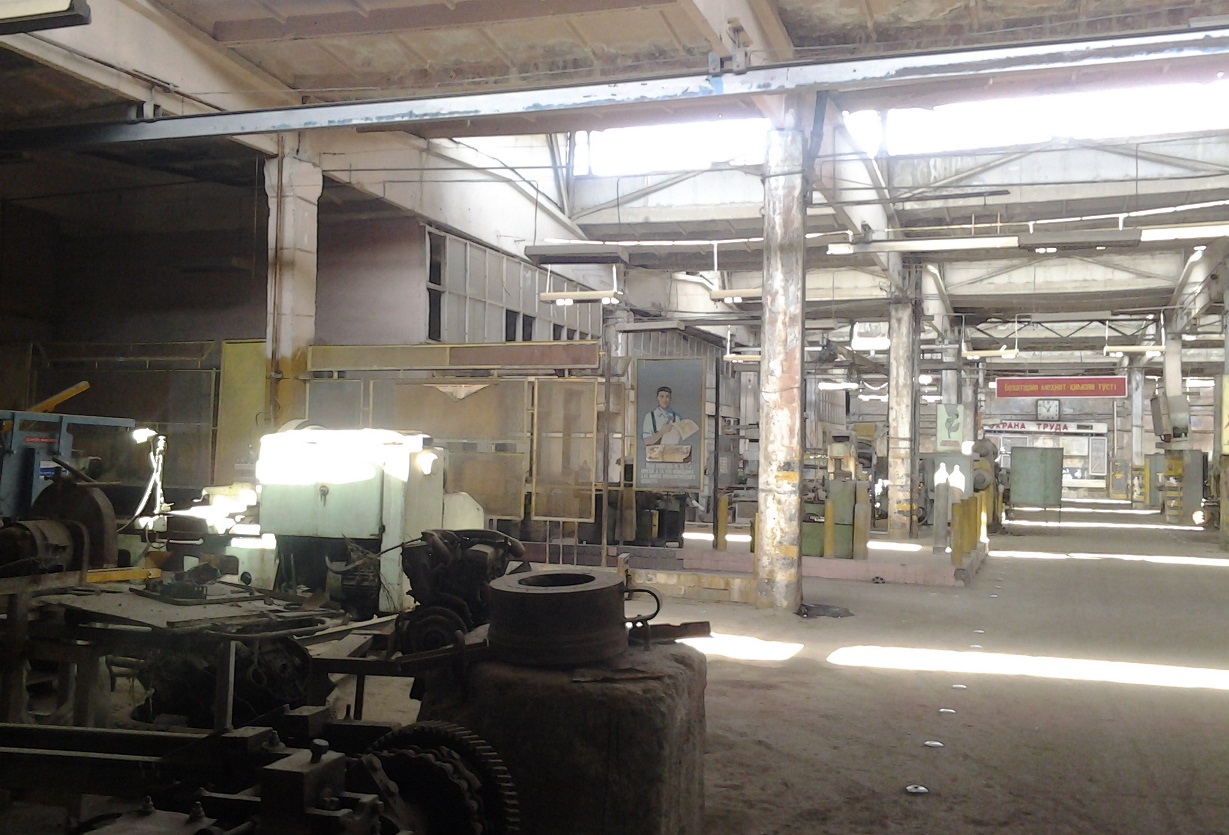
In 2025, 87 industrial enterprises in Tajikistan ceased operations, with some halting their activities at the suggestion of the Ministry of Industry and New Technologies (MoINT). According to Minister of Industry and New Technologies, Sherali Kabir, these businesses were shut down due to their "insignificant impact on the country's overall industrial output."

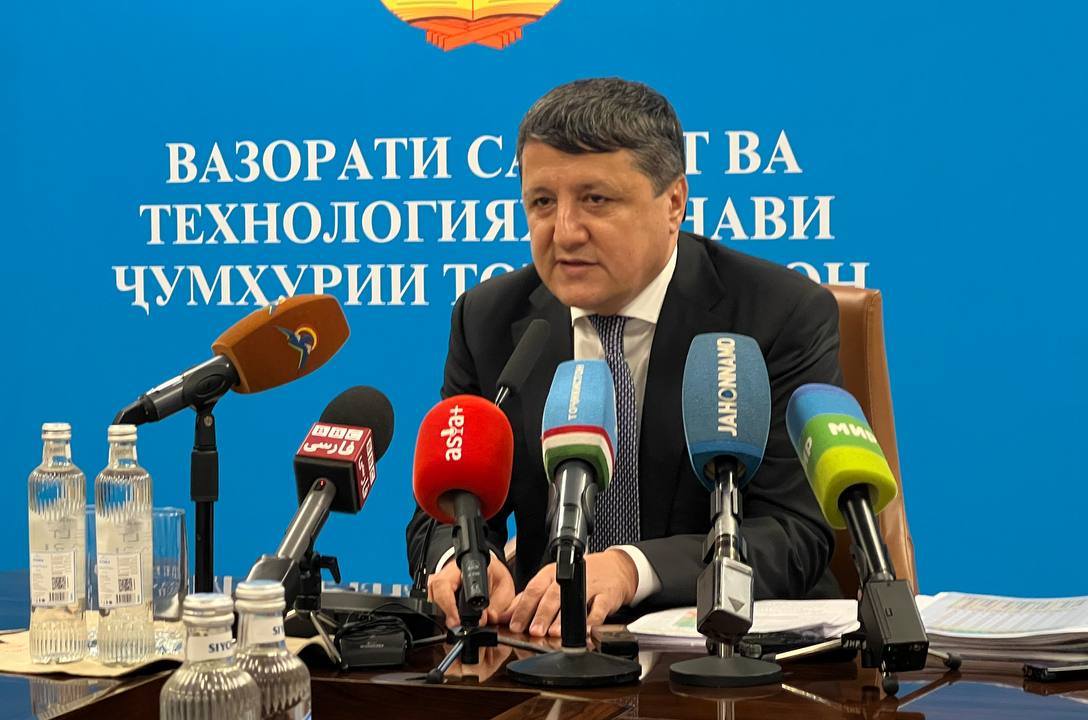
During a news conference on February 11, Kabir referred to the closure of enterprises as "one of the ongoing issues" facing the country. He emphasized that efforts were being made with each business, as "every job is important for the state system."


Reasons behind the closures

Kabir identified two key reasons for the shutdowns: businesses with zero output and those changing their form of activity. He also noted that some enterprises were contractors for multiple other businesses, leading to discrepancies in reporting—these companies were counted as one enterprise in official statistics, despite being registered as multiple entities for tax purposes. Kabir stressed that this situation was unacceptable.


Problematic enterprises

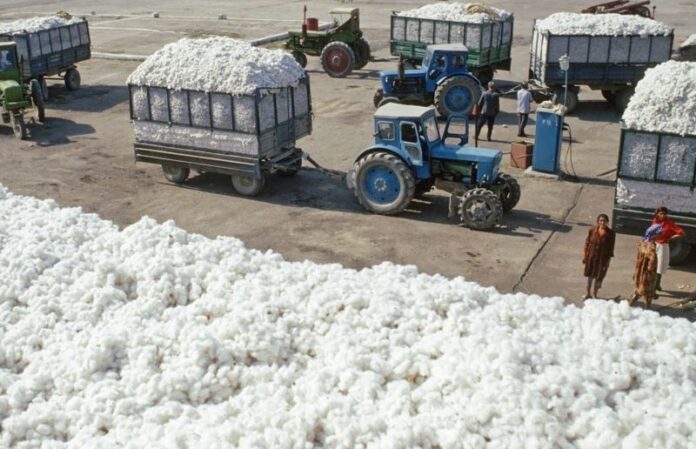
According to Kabir, many of the shut-down businesses were small cotton processing plants that did not meet international standards and were having a negative impact on Tajikistan's cotton industry.

These enterprises used outdated technology and shortened the fiber length, damaging the reputation of Tajik cotton. He pointed out that 120 cotton-cleaning plants in the Khatlon region were particularly problematic.

The Ministry of Industry, along with other government agencies, formed a commission and recommended that these businesses cease operations. Currently, Tajikistan's cotton cleaning capacity is 2.4 million tons, but the country processes only about 500,000 tons of cotton per year.

Kabir suggested the possibility of converting these plants into technological parks, and the government is currently reviewing the issue in detail. He also clarified that the closure or transformation of companies is not inherently negative but should be evaluated based on their efficiency and contribution to the industrial output. In fact, 400 enterprises with zero output in 2025 accounted for only 1.3% of the total industrial output.


Industrial growth in 2025

Despite the closures, Tajikistan’s industrial production grew by 21.1% in 2025. Kabir noted that the country led the CIS in growth rates for the year. Industrial output amounted to 66.7 billion somoni, an increase of 13.3 billion somoni compared to 2024.


New enterprises in 2025

In 2025, Tajikistan also saw the creation of 396 new industrial enterprises, providing 2,422 new jobs. The distribution of these new businesses is as follows:

·         Gorno-Badakhshan Autonomous Region (GBAO): 54 enterprises with 157 jobs

·         Sughd province: 144 enterprises with 847 jobs

·         Khatlon province: 85 enterprises with 700 jobs

·         Districts subordinate to the center (RRP): 50 enterprises with 290 jobs

·         Dushanbe: 63 enterprises with 428 jobs

These new enterprises collectively produced goods worth 198.75 million somoni. However, Kabir pointed out that these enterprises contributed only 0.3% of the total industrial output in 2025.

As of January 1, 2026, there were 3,972 registered industrial enterprises in Tajikistan, providing 92,927 jobs, an increase of 198 businesses compared to the previous year.


Conclusion

While the closure of nearly 90 enterprises in 2025 highlights some ongoing challenges within Tajikistan's industrial sector, the country has made significant strides in boosting production and establishing new businesses. The government is focused on restructuring inefficient enterprises and ensuring that future industrial growth is sustainable and beneficial for the economy.


US dollar reportedly maintains dominance in Central Asia amid Chinese yuan hype

0

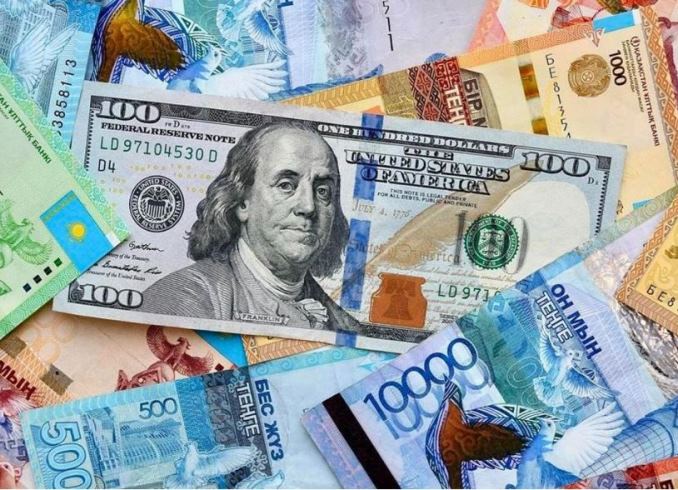
Eurasianet reports that recent data from Kazakhstan's National Bank has dispelled reports suggesting the Chinese yuan is overtaking the US dollar in Central Asia. Despite claims of growing yuan use in business exchanges, official statistics for 2025 show the US dollar remains the dominant currency.

While yuan sales grew by 350% from 2023 to 2025, the US dollar still holds the lion’s share of Kazakhstan's foreign currency market. Yuan transactions rose from 285 billion Kazakh tenge in 2023 to 1.3 trillion tenge in 2025, while dollar sales surged from 18.6 trillion tenge to 36 trillion tenge. In 2025, the dollar accounted for 75% of foreign currency sales, with the yuan’s share limited to just over 5%.


Trade discrepancies between Kazakhstan and China

Trade data between Kazakhstan and China also shows discrepancies. Kazakhstan reported a 2.0% increase in freight handled at the Khorgos Gateway Dry Port, while China’s Xinhua claimed a 5.0% rise, highlighting differences in reporting.


Challenges in grain exports to China

Kazakhstan continues to face issues with grain exports to China. Though the Ministry of Agriculture approved a grain processing facility for export, recent delays and rejections at the border have raised concerns about meeting Chinese quality standards. However, Kazakhstan successfully delivered a shipment of 12,300 tons of animal feed to China.


Chinese investments in Kazakhstan’s automotive and dairy sectors

Chinese automaker BYD, in its first year in Kazakhstan, sold 3,245 vehicles, reaching 11th place in sales rankings. The company plans to expand its offerings in 2026. Chinese dairy giant Mengniu Group is also exploring investment opportunities in Kazakhstan’s dairy sector, with discussions underway on processing and raw material projects.


Political and infrastructure developments in Kyrgyzstan

In Kyrgyzstan, the China-Kyrgyzstan-Uzbekistan railroad is progressing slowly, with only 5% of infrastructure expected to be completed by the end of 2026. This raises doubts about meeting the 2030 completion target. Meanwhile, digitalized procedures have streamlined the process for Kyrgyz truckers to obtain international transport permits at the Chinese border.

China Southern Airlines is planning to launch a twice-weekly flight from Bishkek to Guangzhou in March 2026, expanding air connections between the two countries.


Uzbekistan’s growing ties with China

China is expanding its role in Uzbekistan’s energy sector, with TBEA Co., Ltd. upgrading three hydropower stations and Sinohydro modernizing two more. Uzbekistan is also adopting Chinese methods to combat desertification and is increasing its solar energy capacity with investments from Chinese firms.

In the automotive sector, Uzbekistan's ADM Group has partnered with Chinese automaker GWM to distribute the TANK brand and assemble vehicles locally. Additionally, Uzbekistan Railways is enhancing its digital infrastructure through a partnership with China’s Huawei.


Conclusion

Despite rising reports of yuan usage, the US dollar remains dominant in Central Asia's foreign currency market. Meanwhile, China continues to deepen its economic ties with the region through investments in energy, infrastructure, and automotive sectors, signaling continued regional growth and integration. 

US-based company to invest $150 million in Uzbekistan’s gas station network

0

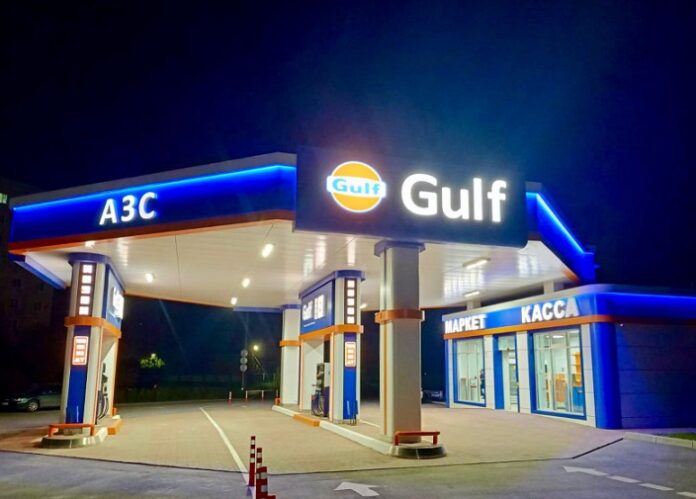
U.S.-based Gulf Oil is set to launch an extensive network of gas stations in Uzbekistan, with plans to invest significantly in the country’s aviation sector as well. UzDaily says the announcement was made on February 18 in Washington by Gulf Vice President Craig Kramer, following a meeting between Uzbek President Shavkat Mirziyoyev and representatives from U.S. businesses and financial institutions.

Over the next two years, Gulf Oil reportedly aims to open at least 100 modern gas stations across Uzbekistan, all built to Western specifications and equipped with high-quality fuel. Kramer emphasized that the company will invest at least $150 million in the project, which will include retail assets fully secured by financing. Each gas station will feature state-of-the-art facilities and distinctive designs.

In addition to the gas stations, Gulf plans to develop multifunctional transport centers along key highways. These centers will cater to both tourists and transit carriers, with each creating a minimum of 30 jobs. Overall, the initiative is expected to generate over 3,000 new jobs for Uzbek citizens.

Kramer also noted the strong interest from regional authorities in partnering with Gulf, pointing out that governors from across Uzbekistan have submitted proposals for nearly 200 gas stations nationwide. "This clearly demonstrates an open business climate and a high level of investor confidence," he said, according to Uzbekistan 24.

Beyond retail, Gulf is also planning to expand its presence in Uzbekistan's aviation sector. Through its Gulf Aviation division, the company intends to invest around $50 million to modernize aviation infrastructure. This funding will support the development of cutting-edge technologies and ensure a reliable fuel supply for Uzbekistan’s growing aviation industry, including both domestic and international flights.

Gulf Oil’s operational base for Central Asia will be based in Tashkent, further solidifying Uzbekistan’s position as a key logistics and retail hub in the region. The company’s investments are seen as a significant step in bolstering Uzbekistan’s role in the Central Asian economy.

Tajik minister of industry holds talks with OpenAI CEO Sam Altman at AI Impact Summit in New Delhi

0

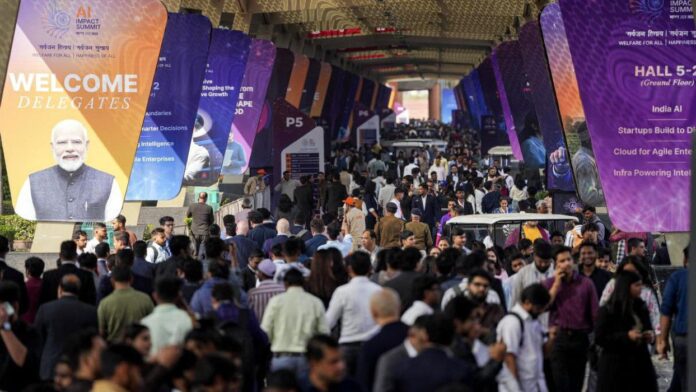
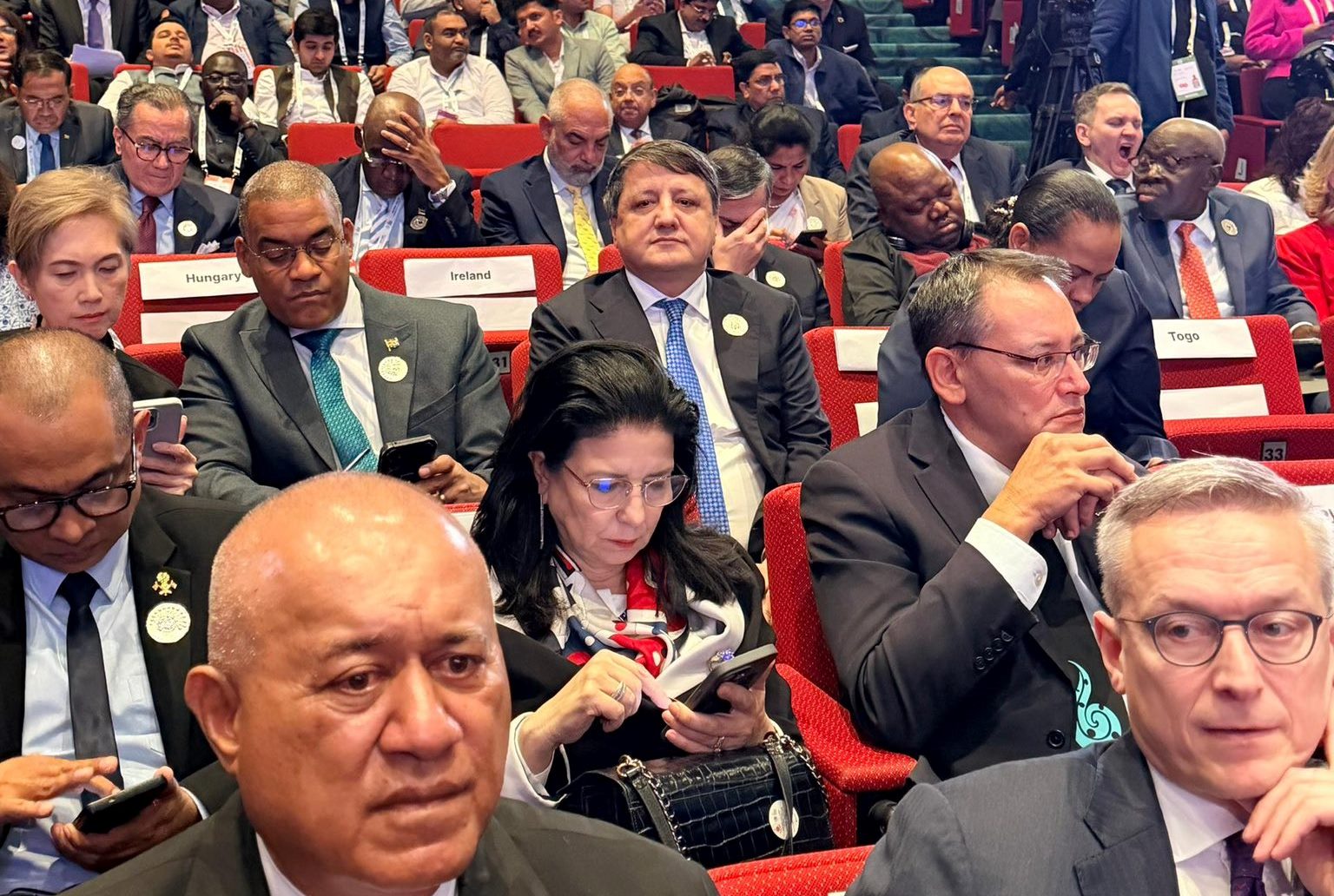
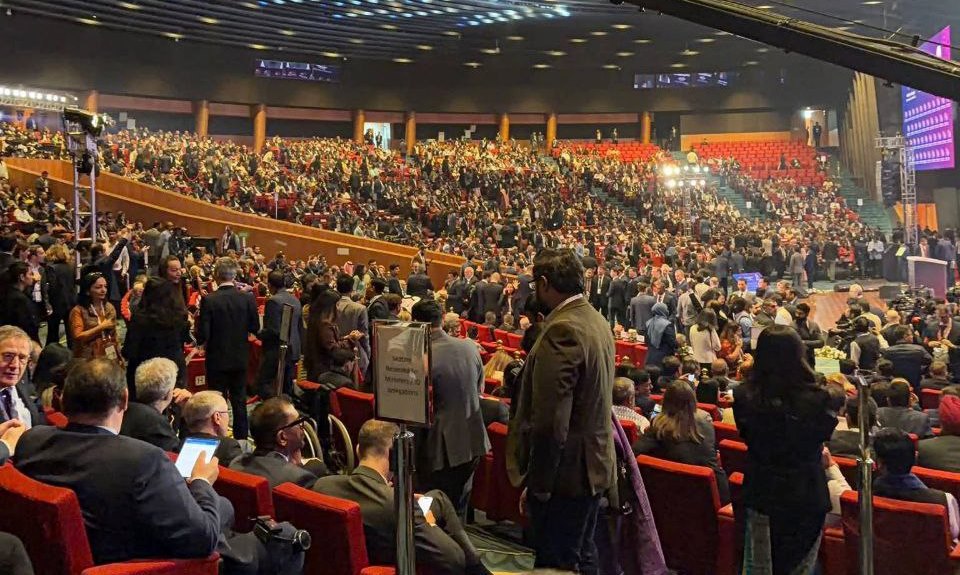
A delegation from Tajikistan, led by Minister of Industry and New Technologies Sherali Kabir, is participating in the 2026 India AI Impact Summit, taking place from February 16-20 in New Delhi.

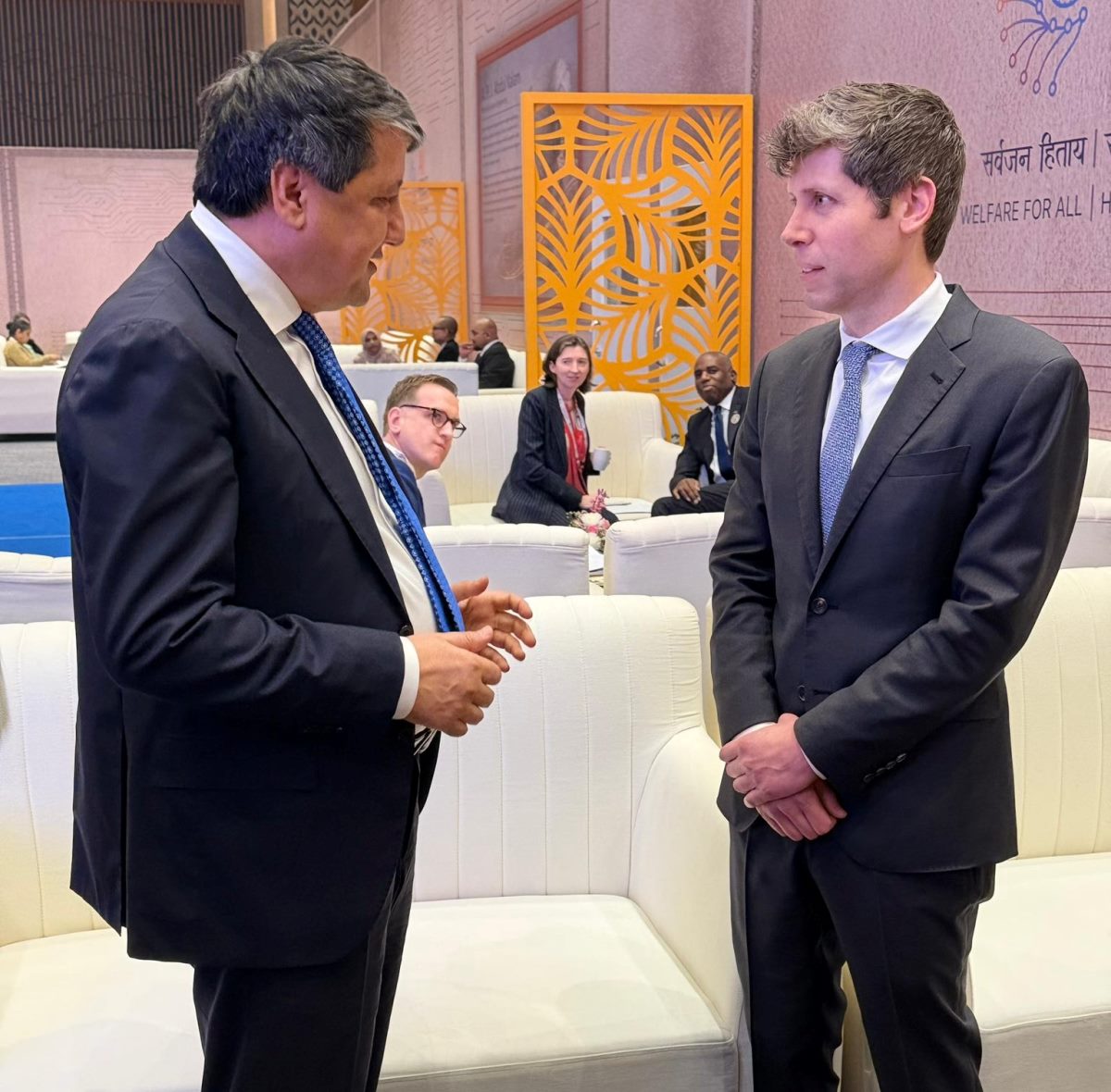
According to the Ministry of Industry's press service, during the summit, Sherali Kabir met with Sam Altman, CEO of OpenAI. The discussions focused on exploring the potential application of OpenAI's solutions for the digital transformation of Tajikistan's industry and launching pilot projects in the field of artificial intelligence (AI).

At the forum, the Tajik Minister also held several bilateral meetings with representatives from Indian government agencies, international organizations, and executives from industrial AI companies. The parties discussed opportunities for joint projects and investment attraction.

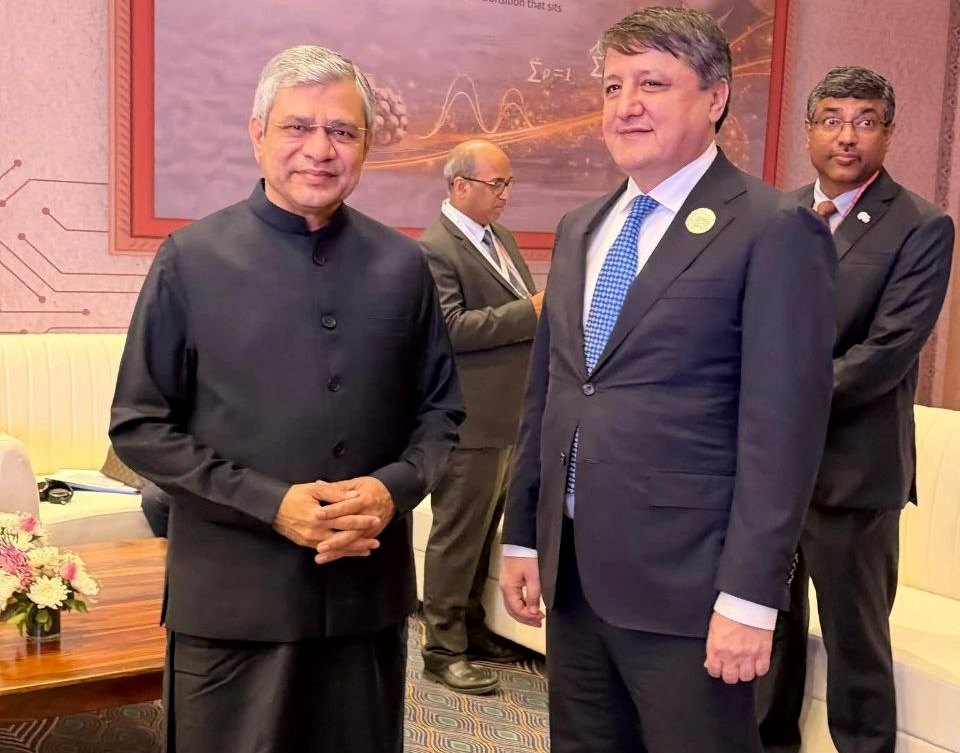
Additionally, Sherali Kabir met with India’s Minister of Railways, Electronics, and Information Technology, Ashwini Vaishnaw, further highlighting Tajikistan’s active participation in the global AI dialogue.

The Tajik delegation presented the country’s national priorities for industrial development and AI integration. Focus areas included modernization of manufacturing processes, digital economy development, the creation of high-tech industries, and workforce training for the future industry.

At plenary and thematic sessions, discussions covered "smart" manufacturing systems, industrial automation, and digital infrastructure management.

Tajikistan’s participation in the India AI Impact Summit 2026 reflects the country's commitment to developing its digital economy and expanding international cooperation in high technology, the press service added.


A global platform for AI development

The summit is chaired by the Prime Minister of India and features the participation of heads of state and government, leaders of international organizations, and top executives from leading tech companies. More than 100 countries are represented at the event.

According to international media reports, this summit marks the fourth in a series of global forums on artificial intelligence held since 2023. Previous forums took place in France, South Korea, and the United Kingdom.

Among the speakers at the summit are the UN Secretary-General and leaders of major technology companies. World leaders are discussing AI regulation, the technology's impact on the labor market, and child safety in the digital environment.

Indian Prime Minister Narendra Modi stated that successful AI models developed in India could be implemented worldwide, emphasizing the importance of open technological systems and international collaboration.

UN Secretary-General António Guterres called for equitable and broad access to AI technologies and stressed that the future of AI should not be dictated by a limited group of private players.