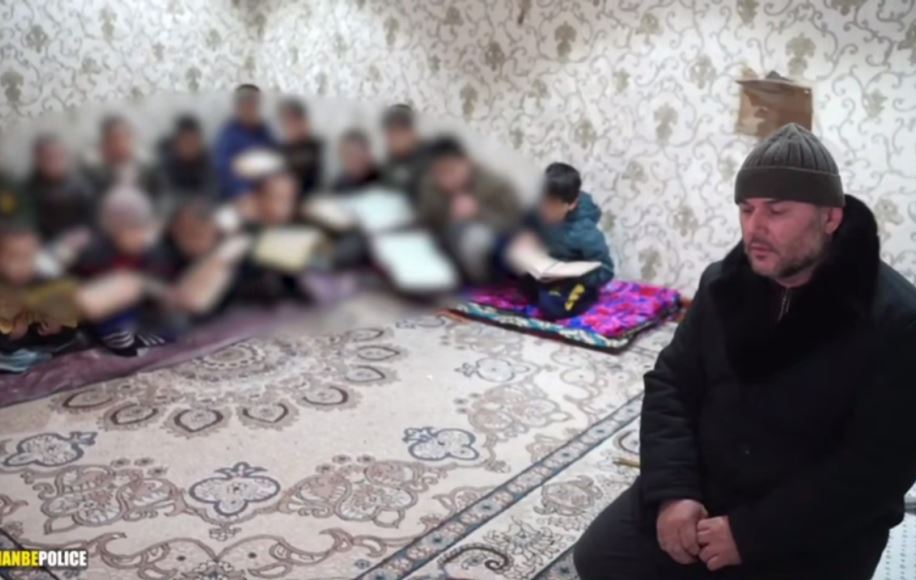
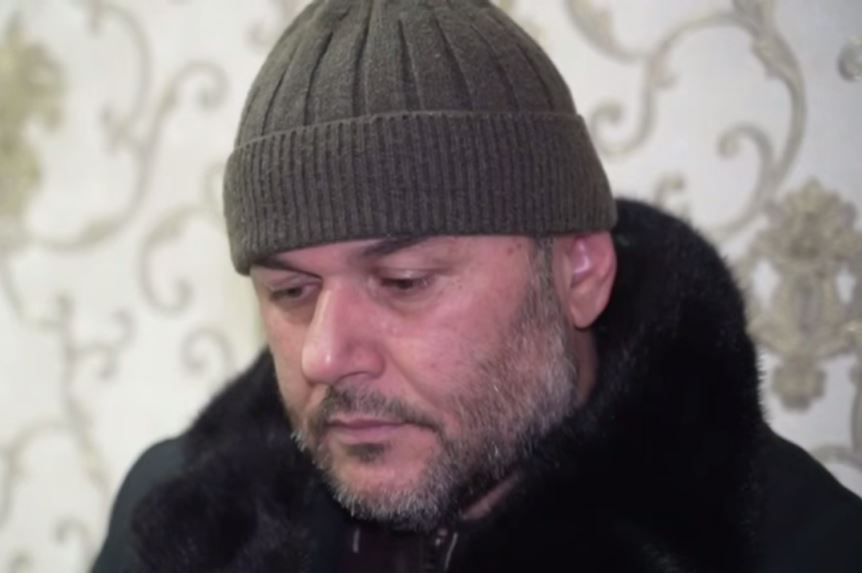
A 46-year-old resident of the Vakhsh district in Khatlon province, Abdullo Aslamov, has been detained in Dushanbe on suspicion of organizing illegal religious education and abusing 13 minors, the Dushanbe Police Department reported.
According to police, the suspect rented an apartment on Ayni Street for 10,000 somoni per month. Law enforcement authorities allege that he organized unauthorized religious classes in the apartment, during which he used physical violence against the children.
The minors were reportedly kept in a cramped, dark room under unsanitary conditions. Inspections found that the children had developed various infectious diseases and had bruises and other signs of physical abuse.
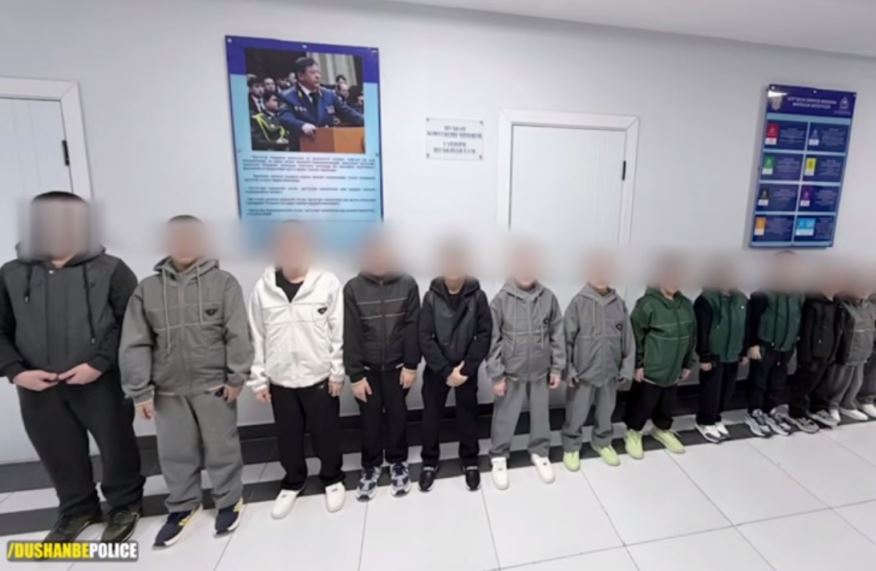
Police stated that the apartment owner was aware of the situation but did not report it to authorities, as she was receiving rental payments.
According to investigators, Aslamov, born in 1978, has a secondary education and said he received his religious knowledge from his brother. Police also noted that in 2014, while serving as imam-khatib of the Abu Bakr Siddiq mosque in Vakhsh district, he was detained in connection with illegal drug trafficking.
In a video released by the Interior Ministry, authorities said the children had been deprived of outdoor walks and contact with their parents. According to law enforcement, some had not seen their families for three to eight months.
The minors reportedly said they often went hungry, fell ill, and missed their families but were afraid to complain due to fear of punishment.
In the video, Aslamov stated that the children did not go outside and that their parents paid him 3,000 somoni each for religious instruction. He claimed the funds were used for food and rent.
Police also allege that, in addition to the 13 children, the suspect withdrew his own four children from school. Some of them, despite being of school age, are unable to read or write.
Criminal proceedings have been instituted against Aslamov under two articles of Tajikistan’s Criminal Code: Articles 117 — torture/abuse; and 164 — obstruction of education. He remains in custody. Separate cases under Article 164 have also been initiated against nine parents. The investigation is ongoing.
In 2018, amendments to the law “On Freedom of Conscience and Religious Associations” banned religious education outside state institutions. Authorities have previously closed a number of religious schools, citing the need to prevent youth involvement in extremist and terrorist organizations.