Home Blog Page 94

Parking subscriptions: how to avoid fines and save money

0
photo_5350602225531085683_y

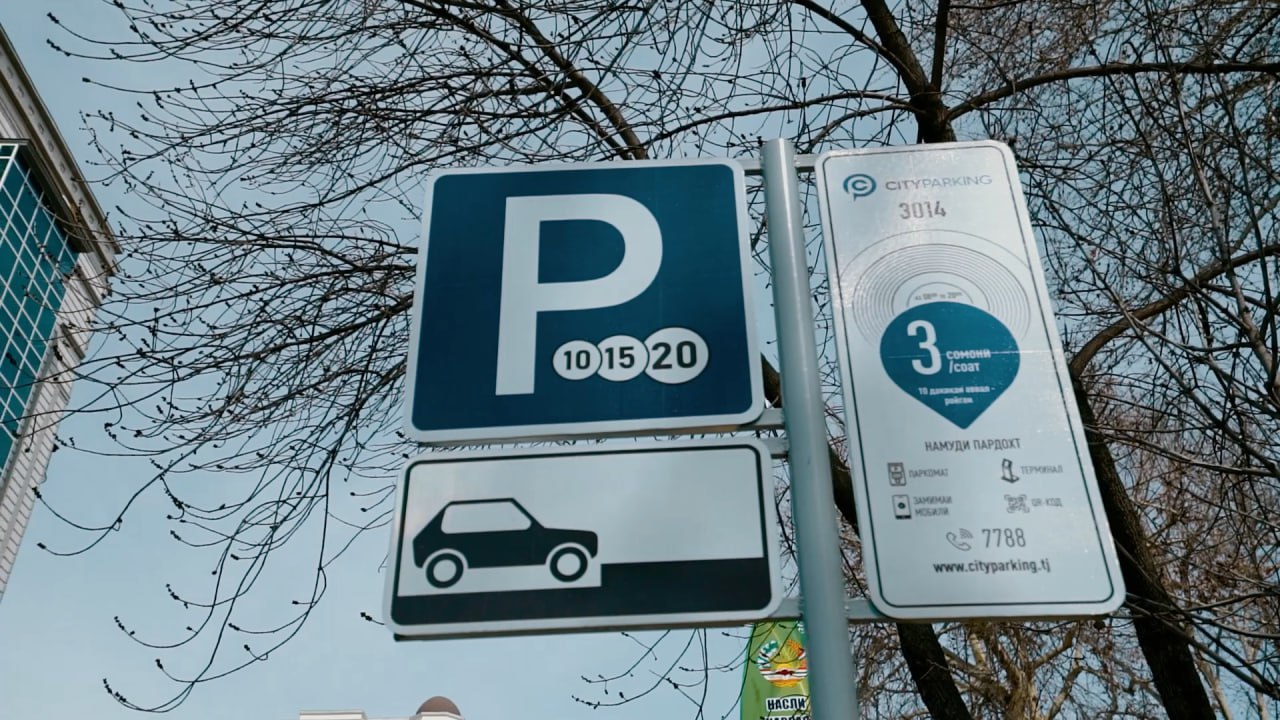
NERU parking subscriptions offer a convenient solution for active drivers who frequently navigate the city and face parking challenges. With a subscription, questions like “Is my parking paid?” or “Will I get a fine?” are eliminated, allowing for stress-free parking without worrying about payment.

NERU’s paid parking is part of a city-wide initiative to improve urban order. It reduces chaotic parking, eases traffic congestion, and enhances road safety. With NERU, streets become more organized, traffic flow improves, and both pedestrians and drivers feel safer.


Why parking subscriptions are more convenient than pay-per-use parking

Paying for parking each time creates constant concerns: Is my spot paid for? Has the parking time expired? Do I have internet access to make the payment? In the hustle of daily life, it’s easy to forget, often leading to fines.

With subscriptions, drivers:

·         Don’t have to manually pay each time

·         Avoid fines due to forgetfulness or internet issues

·         Save money compared to pay-per-use parking

·         Save time, especially for daily city trips


Who benefits from parking subscriptions?

Parking subscriptions cater to various lifestyles. For example, if you commute daily or frequently visit the city center, unlimited weekly or monthly subscriptions are ideal. These let you park without worrying about time limits—just park and go about your day.

For electric vehicle owners, the “Sabz” tariff offers discounted rates, providing the same parking benefits at more than 15% off. Business owners can use the “Sohibkor” plan, which provides free parking for visitors. The “Khonai Man” tariff is perfect for residents who mostly park near home, offering cheaper rates in local zones.


Types of parking subscriptions and their differences

·         Unlimited tariff

o    Ideal for active city drivers.

o    "Hafta" (1 week) — 140 somonis

o    "Mohona" (1 month) — 500 somonis

o    "Semoha" (3 months) — 1300 somonis

o    "Nimsola" (6 months) — 2300 somonis

o    "Solona" (12 months) — 4000 somonis

·         Unlimited "Sabz" tariff

o    For electric vehicle owners at a more affordable price.

o    "Mohona" (1 month) — 400 somonis

o    "Semoha" (3 months) — 1100 somonis

o    "Nimsola" (6 months) — 2000 somonis

o    "Solona" (12 months) — 3400 somonis

·         Unlimited "Sohibkor" tariff

o    For businesses that need designated parking for visitors.

o    "Nimsola" (6 months) — 3000 somonis

o    "Solona" (12 months) — 5000 somonis

·         Unlimited "Khonai Man" tariff

o    Socially-oriented, for residents in the capital city, valid in three local zones near your home.

o    "Mohona" (1 month) — 150 somonis

o    "Semoha" (3 months) — 400 somonis

o    "Nimsola" (6 months) — 700 somonis

o    "Solona" (12 months) — 1200 somonis


Where to get more information?

Detailed information on all subscriptions is available on the official NERU website, where you can check conditions, rates, and usage rules. A 24/7 support service is also available for drivers.

📞 Call center: 7788

Telegram: 7788 0 7788

Stay updated on the latest news, tariff changes, and helpful information by following NERU on social media.

Parking subscriptions aren’t just a way to pay for parking—they’re a tool for making city life more convenient. They help save time, avoid fines, and make the city more organized and safer. NERU is a step towards a modern, convenient urban space.
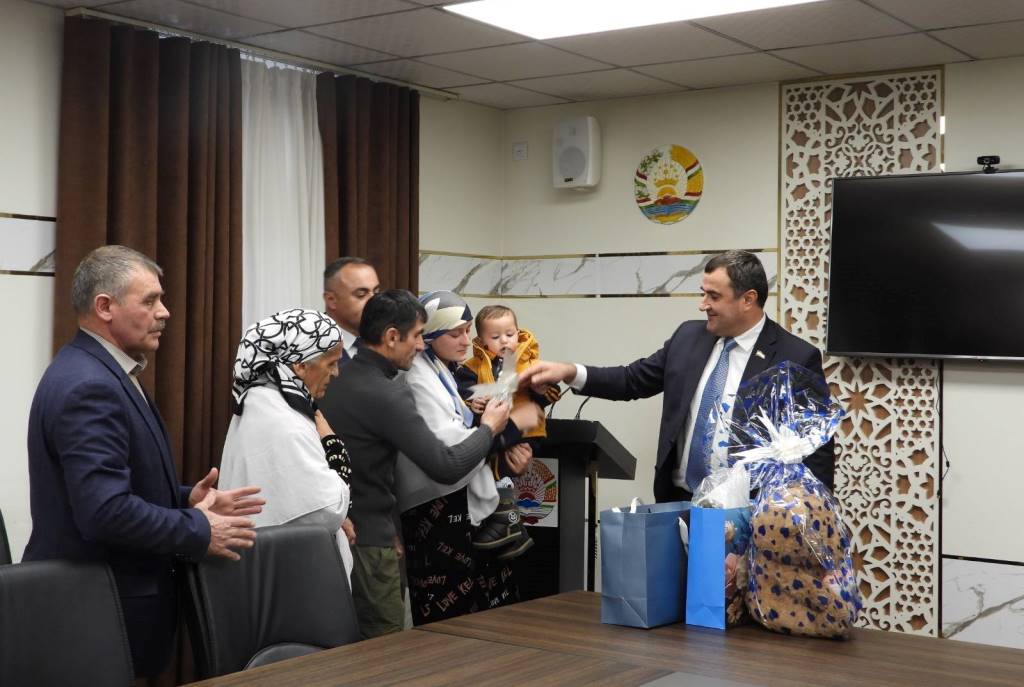
Family of officer killed in an armed clash on Tajik-Afghan border receives apartment in Bokhtar

0

The family of Ismatullo Qurbonov, a 28-year-old officer of Tajikistan’s Border Troops who was killed in an armed clash on the Tajik-Afghan border, has been provided with a two-room apartment in Bokhtar, the capital of Khatlon province. The Khatlon governor’s office reported this.

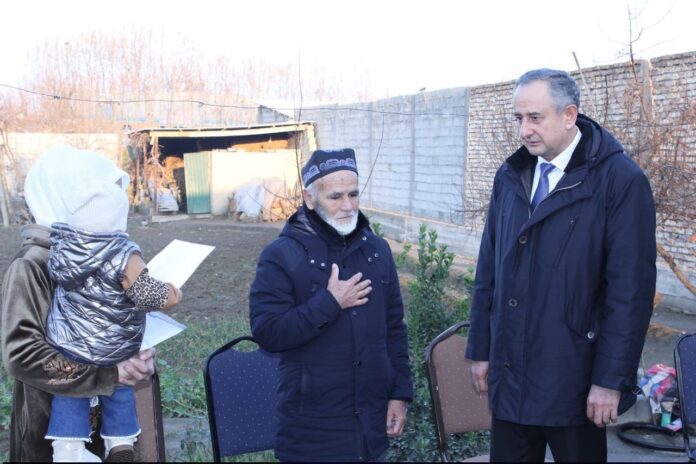
The keys to the new home and financial assistance were handed over to Qurbonov’s widow by Khatlon Governor Davlatali Said, on behalf of the President of Tajikistan.

Earlier, a similar two-room apartment was provided to the family of another officer, Zirehbon Navrouzbekov, who was killed in the same clash, in Khorog, the capital the Gorno Badakhshan Autonomous Region, or GBAO.

Both officers died on December 24, 2025, during an armed confrontation with militants from Afghanistan while serving at Border Post No. 5 "Bogh" of the "Sarichashma" border detachment in Khatlon’s Shamsiddin-Shohin district.

Three border violators crossed into Tajikistan and entered its territory. Tajik border guards located their position, but "the terrorists refused to surrender and opened armed resistance."

"During the ensuing operation, all three terrorists were neutralized. From the scene, three M-16 firearms, an AK-47 assault rifle, three foreign pistols with silencers, ten hand grenades, one night vision binoculars, explosives, and other combat gear were seized," says a statement released by the Main Border Guard Directorate of the State Committee for National Security (SCNS).

The Main Border Guard Directorate emphasized that "this is the third armed attack, terrorist act, and border crossing from Afghanistan into Tajikistan in the last month, resulting in the deaths of both civilians and military personnel."

“These incidents confirm that the Taliban government has repeatedly demonstrated its serious inability and irresponsibility in fulfilling international obligations and promises regarding security and stability along the state border with the Republic of Tajikistan and in combating terrorist organizations,” the Main Border Guard Directorate stated.


How many Tajik migrants are working in Russia?

0

The exact number of Tajik migrant workers in Russia remains unknown. The Ministry of Labor of Tajikistan promised to coordinate the figures with Russia over a year ago, but the data has yet to be published.

As of now, the Ministry of Labor, Migration, and Employment of Tajikistan has not provided official, agreed-upon figures regarding the number of Tajik citizens who are simultaneously in Russia and working there. This issue persists amid conflicting estimates from Russian authorities, international organizations, and statements from Tajik officials.

By the end of 2025, the estimates vary significantly — from less than 500,000 to over 1.2 million people.

The lack of transparent statistics creates uncertainty not only for experts and journalists but also for government bodies responsible for migration policy and the protection of citizens' rights abroad.


Why do the numbers differ so much?

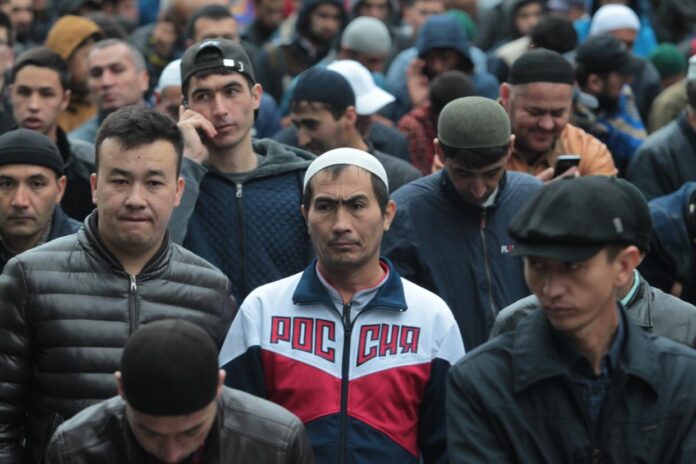
Confusion arises because different sources count different things. Some reports focus on the number of Tajik citizens in Russia at a specific point in time, while others look at the number of people who left or returned within a certain period, such as a month, six months, or a year. As a result, discussions may mention figures like "around a million people in Russia" and "hundreds of thousands of departures per year," which do not necessarily contradict each other but offer different perspectives on the situation.

Russian authorities have consistently reported high figures in recent years. According to Kremlin materials prepared for the meeting between the Presidents of Russia and Tajikistan in November 2023, around 1.2 million Tajik migrant workers were in Russia at the time. In March 2025, Russian President Vladimir Putin stated that "around a million, maybe even a little more" Tajik citizens live and work in Russia, highlighting their contribution to the Russian economy and the importance of remittances for Tajikistan.

Additional context is provided by data from the Russian Ministry of Internal Affairs, which reported that 6.3 million foreign citizens arrived in Russia in 2024, about half of whom came for work. Among these, 16.7% were Tajik citizens — one of the largest groups.

Rosstat, Russia's federal statistics agency, reports that Tajikistan’s migration increase in 2024 was 128,000 people, but these numbers reflect registered movements and do not show the actual number of migrant workers in Russia.


What do international organizations report?

International organizations also don’t provide a clear answer to the question of how many Tajiks are currently working in Russia, but they give an overview of migration trends. According to the International Organization for Migration (IOM), as of September 2024, 618,097 Tajik citizens had left for work abroad, with around 98% heading to Russia. In comparison, 673,285 such migrants left during the same period in 2023, reflecting an 8% decrease.

It’s important to note that these figures refer to departures, not the number of people who are currently living and working in Russia.


Tajikistan’s ministry of labor position

Earlier, Tajikistan’s Ministry of Labor reported much lower figures, stating that the number of Tajik migrant workers in Russia did not exceed 500,000 people. The discrepancy with Russian estimates was explained by differing methodologies: "We count only those who leave specifically for work. The Russian side includes the families of migrants, including minor children," the Ministry stated.

The need to harmonize these approaches was cited as the reason for the delay in publishing a "unified figure" in early spring 2025 (this is when Asia-Plus first requested the data for 2024). However, by the end of 2025, the official, coordinated statistics have still not been provided.

In a press release summarizing the first half of 2025, Tajikistan’s Ministry of Labor reported its work with the Russian side and administrative measures, including:

·         3,890 people were turned back from Russia due to entry restrictions.

·         63,685 individuals were removed from the "controlled persons" list, and over 23,000 legalized their stay.

·         27,635 inquiries were received by the Ministry's representative office in Russia in the first half of the year.

·         8,827 people were organized for work abroad (with the number rising to 9,478 by July 25).

However, the press release did not specify how many Tajik migrants are currently in Russia.


Why is the lack of official figures a problem?

Without transparent, agreed-upon statistics, it’s more difficult to:

·         Protect the rights of Tajik citizens in Russia and provide targeted assistance to those in vulnerable situations;

·         Predict economic and social risks (employment within the country, labor market pressures, and households’ dependence on remittances);

·         Negotiate with Russia on migration conditions and legalization mechanisms;

·         Develop a long-term migration policy based on data rather than estimates.

Analysts point out that the lack of data transparency could be linked not only to technical and methodological issues but also to the political sensitivity of the topic. Public figures would highlight the scale of the country's dependence on external income and the limited capacity of the domestic labor market.

It’s worth noting that specialists from international financial institutions consider Tajikistan’s economy to be one of the most dependent on remittances in the world.

Tajikistan’s relevant authorities have not disclosed figures on migrant remittances. Previously, such data was available on the Central Bank of Russia’s website but was classified after the onset of the war in Ukraine.

Woman sentenced to 18 years in prison for killing her three-year-old daughter

0

A woman from Khuroson district of Khatlon province, Sitora Boboyeva, has been sentenced to 18 years in prison for the murder of her three-year-old daughter. The verdict was issued by the Khatlon regional court in November 2025, though news of the case has only emerged now.

According to Varqa Zayniddin, senior aide to the Khatlon chief prosecutor, the crime was committed due to the mother's aggression triggered by her daughter’s tantrum.

Boboyeva, a mother of four and a resident of the village of Hosilot in the Sadriddin Ayni jamoat of Khoroson district, was found guilty of murder with particular cruelty.

"On the morning of September 13, 2025, Sitora Boboyeva was cleaning the barn when her daughter, Mavlouda Bobozoda, born in 2022, approached her and asked for sweets. The mother replied that she would give them after finishing her work. However, the girl insisted and began crying. Boboyeva flew into a rage, beat the child, and then strangled her with a plastic bag," said Zayniddin.

After committing the crime, Boboyeva hid her daughter’s body in an animal feed trough, then went outside and began shouting that her child had allegedly gone missing.

In an attempt to cover up the crime, on the night of September 13-14, Sitora Boboyeva disposed of her daughter's body in an irrigation canal in her village. The girl’s body was discovered on September 17 in the Bandar area of the Surkhqala rural jamoat in Khuroson district. A forensic examination revealed signs of violent death.

On the same day, Sitora Boboyeva was arrested, and criminal proceedings were instituted against her under Article 104 (2) of Tajikistan’s Penal Code – murder.

During the court proceedings, Boboyeva’s guilt was fully established, according to the prosecutor's office. 

“It’s too early to talk about power transition,” says Kazak president on his health and colleagues in the CIS

0

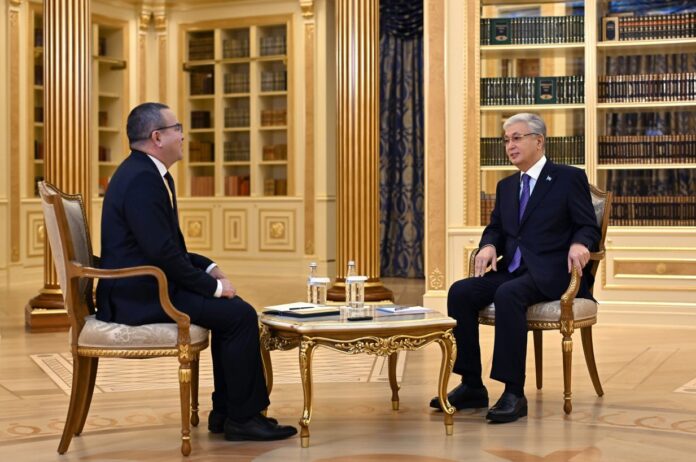
In an interview with Turkistan newspaper, Kazakhstan's President Kassym-Jomart Tokayev addressed rumors about his health, stating that he is currently in good health. He also emphasized that it’s too early to discuss a power transition in Kazakhstan.

Tokayev said his blood pressure is stable, and he regularly engages in physical activities. "I’ve started doing yoga every day, though without meditation. A couple of times a week, I play table tennis with a former professional player. I’ve managed to lose nine kilograms, which has positively impacted my health," he shared.

Regarding the power transition, Tokayev stressed that it’s premature to discuss, as "there are still several years of hard work ahead."

He also noted that many of his CIS counterparts maintain active lifestyles. He mentioned Russian President Vladimir Putin’s physical fitness, Azerbaijani President Ilham Aliyev’s regular training, and Kyrgyz President Sadyr Japarov’s love of football. He also highlighted Armenian Prime Minister Nikol Pashinyan’s interest in cycling and Belarusian President Alexander Lukashenko’s continued love of ice hockey.

"Emomali Rahmon also has no health complaints, showing the resilience of a warrior-sailor. So, all of my colleagues are in excellent shape," Tokayev added.


Tokayev – sinologist and statesman

Reflecting on his 50 years in public service, which began in 1975, Tokayev shared that his early specialization in sinology influenced his work and character. "My first specialization was sinology, which requires particular patience. It taught me to work with texts, and I can’t tolerate poor writing or typos," he said.

He emphasized that he personally works on all his speeches and writings, stressing the importance of attention to detail.

Tokayev identified himself as a "statesman," underlining his commitment to serving the state and people of Kazakhstan.


On Nursultan Nazarbayev

Tokayev discussed meetings with Kazakhstan’s first president, Nursultan Nazarbayev, stating that these meetings are informal and part of standard diplomatic practice. He noted that Russian President Putin holds Nazarbayev in high regard, having organized the recent St. Petersburg meeting at Nazarbayev’s request.

"Nazarbayev played a key role in building modern Kazakhstani statehood," Tokayev said, emphasizing that his contributions to the country's institutions and economy are undeniable.


"Kazakhstan became a shadow supplier of cheap fuel"

Tokayev spoke about reforms aimed at improving Kazakhstan’s energy and utility infrastructure, which have faced critical wear and tear. He stressed that low tariffs for energy and utilities distorted resource distribution, benefiting large businesses over those in need.

"Prices in Kazakhstan are the lowest in the post-Soviet space. Our country became a shadow supplier of cheap fuel to neighboring countries. It’s time to debunk the myth that low tariffs benefit people with modest incomes. In fact, it’s a hidden subsidy for the wealthy," he said.

He proposed adjusting tariffs to a model where "the more you consume, the more you pay," aiming to redistribute resources in favor of those who truly need them. 

US introduces 38 nations, including Tajikistan, to costly visa bond policy

0

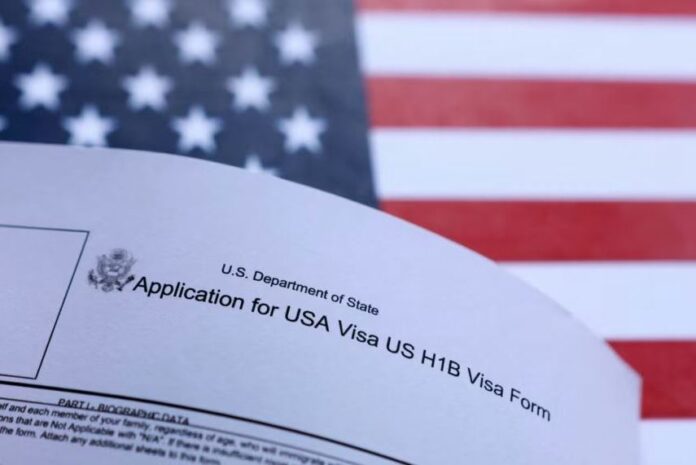
Tajikistan has been added to the list of countries whose citizens are required to pay a visa bond when applying for a U.S. visa. The U.S. Department of State published the updated list on its website.

The new requirement for Tajik citizens will take effect on January 21, 2026.  

The new rule affects 38 countries worldwide. In Central Asia, Tajikistan, Kyrgyzstan, and Turkmenistan are included in the list.

According to the U.S. Department of State, individuals intending to visit the U.S. for family visits or tourism (B1 or B2 visas) must pay a bond of $5,000, $10,000, or $15,000 after their visa application is approved. The exact amount for each individual will be determined during their visa interview at the U.S. embassy. The Department emphasized that paying the bond does not guarantee visa issuance.

Travelers entering the U.S. on these visas are not allowed to remain in the country longer than the duration specified by the visa. Overstaying or violating U.S. laws will be considered a breach of the "Immigration Guarantee," which citizens of these countries must also sign (Form I-352).

Visa holders must enter the U.S. only through international airports in Boston, New York, and Washington, D.C. If they return to their home country within the specified timeframe without violating the law, the bond amount will be refunded, provided the U.S. Department of Homeland Security confirms their compliance. Otherwise, the bond will be forfeited.

Child taken from parents in Dushanbe due to vagrancy and suspicion of theft

0

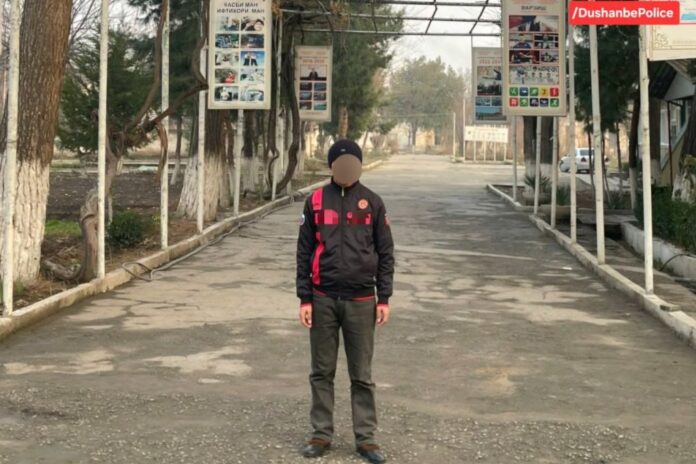
In Dushanbe, police officers from the Shohmansour district arrested a 16-year-old minor involved in vagrancy and suspected of committing theft. The teenager was removed from his family, according to the press center of the city’s police department.

Dushanbe police say the incident occurred due to a lack of adequate control and responsibility on the part of the parents. As a result, the authorities applied provisions of Article 73 of the Family Code of Tajikistan, which allows for the removal of the child without the termination of parental rights, the statement said.

Currently, the teenager has been placed in a specialized vocational school in Dushanbe, where he is now engaged in the educational and developmental process.

Previously, a young boy was removed from his mother’s custody after it was revealed that he had been deprived of basic education. According to the police, the mother had consistently forced the child into vagrancy and street trading. As a result, the boy did not attend school and was deprived of the essential education required at his age.

In connection with this case, legal materials were prepared against the mother, and Article 73 of the Family Code of Tajikistan was applied, allowing for the child’s removal without terminating parental rights. The boy was placed in a special republican school for his education.

Law enforcement authorities are urging parents and legal guardians to take their responsibilities for the education and upbringing of children seriously. 

“We want to make jiu-jitsu a national sport”: BJJ legend Rafael Hubert visits Dushanbe

0

One of the world’s most respected Brazilian jiu-jitsu experts and a global BJJ legend, Rafael Hubert, paid a working visit to Dushanbe. During his stay, the Brazilian master conducted a large-scale seminar for Tajik athletes and personally awarded new belts, confirming their progress, skill level, and readiness to advance further in the demanding discipline of Brazilian jiu-jitsu.

Hubert’s visit was made possible through the efforts of Komil Boymurodov, Tajikistan’s leading BJJ practitioner, national team coach, and founder of Team Boymurodov Gym. Over recent years, Boymurodov has been systematically developing Brazilian jiu-jitsu in the country, creating opportunities for Tajik athletes to train according to international standards and learn directly from world-class specialists.

Rafael Hubert is a prominent figure in the world of martial arts. A fourth-degree black belt in Brazilian jiu-jitsu, he is a multiple-time world champion and winner of European, Pan-American, and Abu Dhabi Grand Slam tournaments. He is also the founder of Barcelona Jiu-Jitsu and Emirates Jiu-Jitsu, and serves as head coach of Team Nogueira Dubai.

The seminar in Dushanbe was held in an intensive and hands-on format. Participants focused on modern BJJ trends, technical details, training philosophy, and the demands of international competitions. The highlight of the event was the belt-awarding ceremony — a milestone moment for many athletes, marking years of dedication, discipline, and hard work.

Speaking to Asia-Plus, Komil Boymurodov described the event as historic for the sport in Tajikistan.

“This is truly a historic day for Tajik jiu-jitsu. Rafael Hubert’s seminar was conducted at the highest level. New belts, new ranks, and most importantly, a stronger and more sustainable future for our sport,” he said.

Rafael Hubert also shared his vision for the future of jiu-jitsu in Tajikistan, emphasizing the country’s strong potential if development continues systematically.

“I have seen jiu-jitsu become a national sport in the UAE. I am confident that the work Komil is doing here can lead to the same result. Through competitions, training camps, seminars, and international tournaments, Tajikistan can make itself known to the world. My dream is to help turn jiu-jitsu into a national sport of Tajikistan,” Hubert said.

He also praised the warm reception in Dushanbe, noting that he felt at home and wished to “return this respect and trust through concrete actions.”

The ceremony at Team Boymurodov Gym marked not just the awarding of belts, but the beginning of a new chapter. Tajik jiu-jitsu is steadily strengthening its position and becoming increasingly integrated into the global BJJ community.


Number of Tajik students studying in Uzbekistan more than doubles in 2025

0
photo_2026-01-07_11-48-33

In the 2025/2026 academic year, the number of students from Tajikistan studying in Uzbekistan increased to 2,700, representing a 2.36-fold rise compared with the previous year. This was reported by the National Statistics Committee of the Republic of Uzbekistan.

According to the Committee, from January to November 2025, a total of 37,200 foreign nationals arrived in Uzbekistan for educational purposes.

Tajikistan ranked third among countries sending students to Uzbek universities, trailing only India, with 16,300 students, and Turkmenistan, with 8,900 students.

At the same time, Tajik students continue to choose other countries for higher education.

Based on last year’s data, Russia remains the leading destination. In 2025, 33,178 Tajik students were enrolled in Russian universities, accounting for more than 80% of all Tajik students studying abroad.

China ranks second, hosting around 2,900 students from Tajikistan.

Kazakhstan also remains a popular destination, with 970 Tajik students currently studying there.

Turkiye attracted approximately 900 students, driven by relatively affordable education, scholarship opportunities, and strong interest in humanities-related fields.

In addition, another 3,252 Tajik students are studying in countries such as India, Germany, the United States, and South Korea.

Untapped potential of the past year: what is Tajikistan missing?

0

Tajikistan continues to underutilize its strategic potential in the infrastructure and logistics sector — an area that could serve as a powerful growth driver for accelerated industrialization. This was stated by Tajik political analyst Abdughani Mamadazimov in an interview with Asia-Plus, where he outlined how the country could transform into a “central caravan hub of vast Eurasia.”


A railway from ocean to ocean

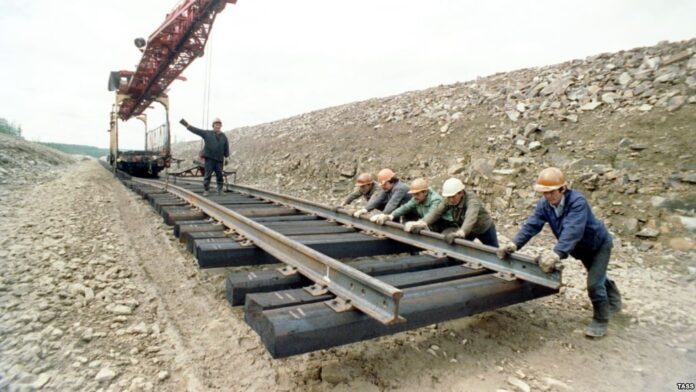
Mamadazimov points to the need for designing and building a railway line linking Dushanbe with Lakhsh, northern Pamir, and China’s Kashgar, along with an alternative parallel route through Murgab.

Following the signing of the historic Khujand Declaration of eternal friendship between Tajikistan, Uzbekistan, and Kyrgyzstan, Kyrgyzstan quickly began discussions with China on constructing a second railway link. The China–Kyrgyzstan–Uzbekistan railway is already under rapid construction, while Kazakhstan is building its third railway line to China.

Against this backdrop, Tajikistan is lagging behind. A recent freight train derailment in Yovon, the expert says, highlighted serious shortcomings in the management of the national railway system.

The joint declaration signed by President Emomali Rahmon and Chinese President Xi Jinping during Xi’s visit to Tajikistan in July 2024 emphasized the importance of a railway connection between the two countries.

Mamadazimov believes Tajikistan should urgently begin designing the Dushanbe–Kashgar railway route, taking advantage of the country’s ability to adopt the European rail gauge standard used in China, Iran, and Turkiye.

Extending this railway through northern Afghanistan to Iran could create the shortest transcontinental rail corridor linking the Pacific and Atlantic oceans.


Strategic advantages

According to the expert, the project would bring three major benefits. It would provide a second strategic transport route to the Gorno-Badakhshan Autonomous Region, reduce vulnerability to natural disasters, open new rail and road access to China and South Asia, and significantly boost trade and transit volumes.

For comparison, Tajikistan’s bilateral trade with China totaled just over $2 billion over the first ten months of 2025, while Kyrgyzstan’s two-trade with China exceeded $25 billion over the same ten-month period.

The railway, combined with the construction of a cargo air hub in Danghara, could turn Tajikistan into a key logistics hub of Eurasia, lower transport costs, and give new momentum to the country’s “open skies” policy. 


An alternative Dushanbe–Khujand road

Mamadazimov also highlights the importance of building an alternative highway between Dushanbe and Khujand through the Rasht Valley and Kuhistoni Mastchoh (Mountainous Mastchoh). The project could include two tunnels, one of which could accommodate a water canal for irrigating over 100,000 hectares of land, strengthening food security.

The new road would reduce the risk of regional isolation and provide a major boost to tourism.


A unified railway network

In the long term, the expert advocates for a unified national railway network connecting Pamir, central and northern Tajikistan with China, Uzbekistan, CIS member nations, the Middle East, and Europe.

Without the implementation of such large-scale infrastructure and logistics projects, Mamadazimov warns, Tajikistan risks remaining on the margins of global development, regardless of economic growth figures and major energy projects.