Home Blog Page 99

Barqi Tojik promises uninterrupted power supply during New Year holidays

0

From December 30, 2025, to January 1, 2026, Tajikistan will be fully supplied with electricity, without any power restrictions. This was confirmed by Qurbon Ahmadzoda, head of the press center of Barqi Tojik, in a statement to Asia-Plus.

According to him, electricity rationing will resume on January 2. However, no power outages are planned for central areas of cities and administrative centers of districts, where electricity will be provided without interruption.

Currently, most regions of the country continue to operate under power rationing. The power rationing, introduced in autumn 2025, is due to increased seasonal demand and reduced energy production.

Residents of rural areas have been reporting regular outages, stating that electricity is typically available for only 6–7 hours a day.

Tajikistan struggles with electricity rationing 30 years after independence, despite long-held dreams of becoming an energy export powerhouse.

Measures rationing electricity supplies are usually introduced in all regions of the country except Dushanbe, regional administrative centers and major cities of the country and they seek to curb the country's rising electricity consumption.  In addition to curbing rising consumption, the move also stems from a decline in the water level in the country's reservoirs powering the main hydroelectric power plants.

Emomali Rahmon extends New Year greetings to the people of Tajikistan

0
photo_2025-12-31_09-28-32

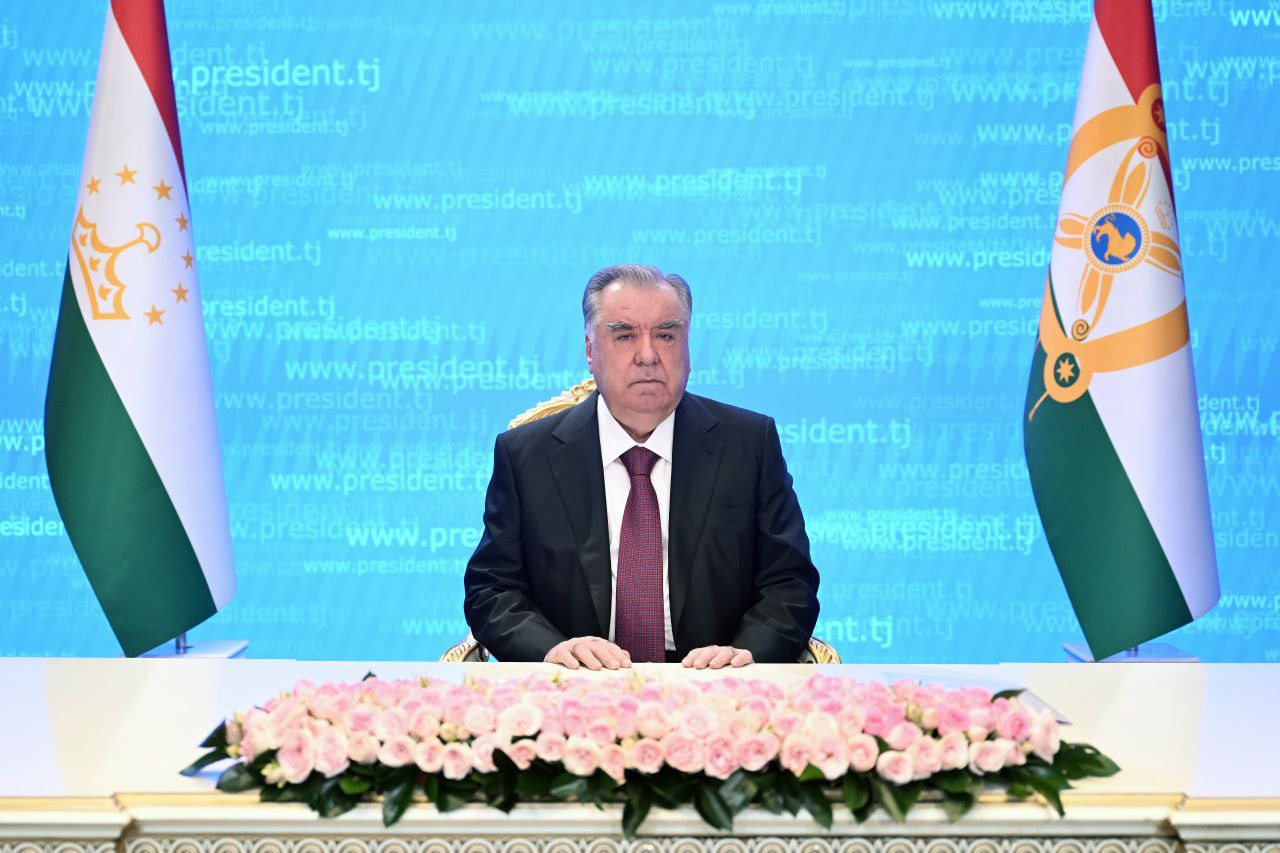
President of Tajikistan Emomali Rahmon addressed the nation with a New Year message, wishing every family health, prosperity, and a peaceful life.

He described the outgoing year, 2025, as both successful and historically significant. Despite external challenges, the President highlighted the country’s major achievements, attributing them to peace, political stability, national unity, and the hard work of the Tajik people.

Rahmon emphasized the importance of the recent elections, the implementation of national development programs, large-scale infrastructure efforts, and Tajikistan’s active role in advancing international initiatives at the United Nations.

He reminded citizens that 2026 has been declared the Year of Urban Development, Construction, and the Strengthening of National Identity. The upcoming year will also mark the 35th anniversary of Tajikistan’s independence.

In conclusion, President Rahmon called on citizens to preserve unity and continue working toward the nation’s progress.

Sharif Nazarov, a pillar of Tajik football, passes away at 79

0
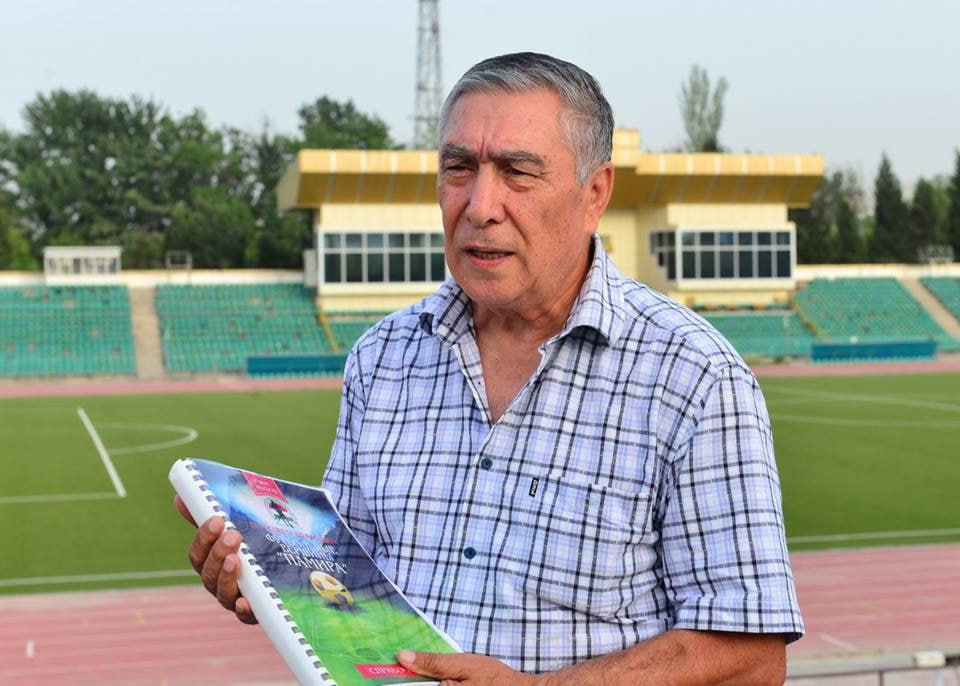
photo_2025-12-31_07-52-29

On December 30, Tajik football suffered an irreplaceable loss. After a long illness, Sharif Nazarov — Honored Coach of the USSR and Tajikistan — passed away at the age of 79. His name is etched in the history of Tajik sports not just for his victories, but for the era he helped create.

Born on February 23, 1946, Nazarov's journey in football was all-encompassing — from player and administrator to a head coach who shaped club strategies and national development.

In the 1960s–70s, he played as a defender for Pakhtakor (Kurgan-Tyube) and Pamir (Dushanbe), but it was in coaching that he achieved legendary status.


Leading Pamir to the Soviet top league

The pinnacle of his club career came in 1988 when Pamir Dushanbe, under his leadership, won the Soviet First League and earned promotion to the USSR Top League. The team won 24 out of 44 matches, scored 78 goals, and collected 59 points — a performance still seen as exemplary.

This success made Pamir a national symbol of Tajik football in the late Soviet era, firmly establishing its place among elite clubs until the USSR’s dissolution.


A match remembered for decades

On October 13, 1990, Pamir stunned Spartak Moscow with a 5–1 victory in Dushanbe. More than 20,000 fans witnessed this historic win. After the match, Napoli coach Ottavio Bianchi reportedly said he couldn’t tell which team was Spartak and which was from Dushanbe — a testament to Nazarov’s tactical brilliance.


A coach who chose to stay home

Though Nazarov received offers from abroad — including from Sudan’s Al-Merrikh via the USSR Sports Committee — he always returned to Tajikistan, believing it was his duty to build football at home.

He led Pamir to the national title in 1992 and Varzob to championships in 1998, 1999, and 2000. He also coached Navbahor (Uzbekistan), Aviator, HIMA, Farrukh, and Regar-TadAZ — often acting as both coach and club manager.


Tajikistan’s first international trophy

In 2006, under Nazarov’s leadership, the Tajik national team won its first-ever international title — the AFC Challenge Cup. The victory proved that Tajik football could succeed beyond its borders.

He managed the national team in several periods (1992–1995, 1999, 2003, 2005–2006) and always approached it as a long-term project focused on development.


Legacy through youth and teaching

In his final years, Nazarov dedicated himself to youth football. He established a football school in Dushanbe bearing his name and worked closely with young players, passing on not just skills but values. For him, football was not a career — it was a way of life.

Notably, he remains the only coach from Central Asia to receive the title of Honored Coach of the USSR (1991) — recognition of his impact on both Tajik and Soviet football.


A Legacy that lives on

Sharif Nazarov was a man of principle — strict, demanding, yet wholly devoted to football and his country. He shaped generations of players and coaches and laid the foundation for the traditions that continue to define Tajik football.

The Asia-Plus team expresses heartfelt condolences to the family and loved ones of Sharif Nazarov. Though his journey has ended, his legacy lives on — on the fields, in schools, and in the hearts of everyone who believes in Tajik football.

Winter Recreation in Tajikistan: where to recharge and enjoy nature

0

Winter is not just a season of cold weather — it’s also a time when our bodies need extra care: strengthening immunity, restoring energy, and focusing on overall health. Tajikistan offers a wide range of winter holiday options, from therapeutic sanatorium stays to active nature excursions. Our guide highlights the best places to unwind and rejuvenate this season.


🏥 Sanatoriums: Wellness and Peace in Nature

Local sanatoriums provide a comfortable environment where modern wellness therapies blend with stunning natural scenery. This type of retreat not only improves physical well-being but also helps restore inner balance.


Khoja Obigarm — radon springs and mountain air

Khoja Obigarm Sanatorium is one of the most renowned health resorts in Tajikistan. Nestled in the scenic Varzob Gorge at an altitude of 2,000 meters above sea level, the sanatorium is famous for its natural radon springs. These are widely used to treat joint and skin conditions, as well as to promote overall wellness.
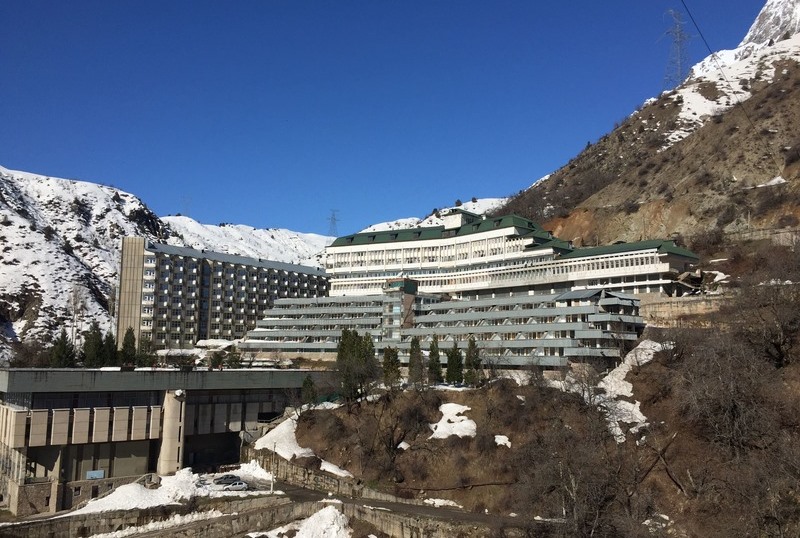
With its fresh mountain air, tranquil landscapes, and peaceful atmosphere, Khoja Obigarm offers an ideal setting for rest and recovery.

🔹 Main treatments include: radon steam therapy, acupuncture, massage, herbal steam and electric baths, vibromassage, and more.

🔹 Prices (per day, including treatments + 3 meals):

— Standard double — 220 TJS

— Junior Suite — 350 TJS

📞 +992 44 603 99 99 • khojaobigarm.tj


Sarob Sanatorium — thermal geysers and comprehensive therapy

Located near Khoja Obigarm, Sarob Sanatorium is also known for its radon-rich springs. A rare thermal geyser with water temperatures reaching 98 °C makes this resort particularly valuable for treating musculoskeletal disorders, skin conditions, and gynecological issues.
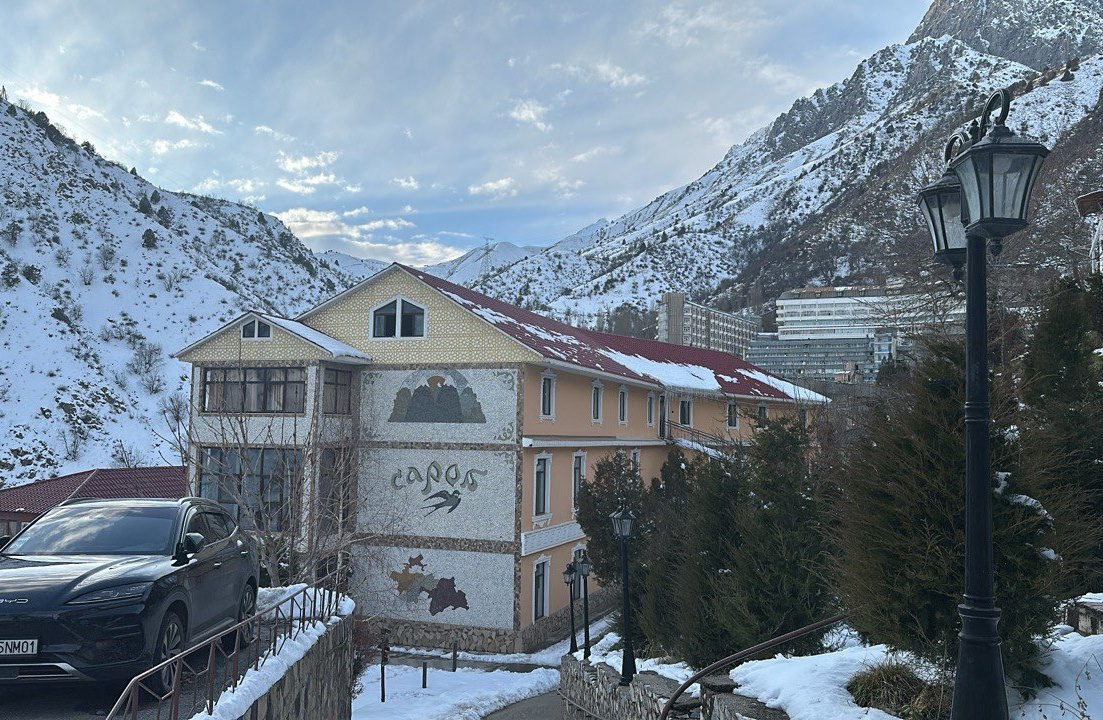
🔹 Main treatments include: radon baths, massage, physiotherapy (including electrophoresis, darsonvalization, paraffin therapy), circular and ascending showers, gynecological irrigation, and more.🔹 Prices: from 350 TJS (Standard) to 900 TJS (Double Suite).

📞 +992 934 111 111 • sarob.tj


Saturn Sanatorium — health retreat just 20 minutes from Dushanbe

Conveniently located in the village of Shambari, Hisor District, just a 20-minute drive from the capital, Saturn Sanatorium specializes in the treatment of gastrointestinal disorders, musculoskeletal conditions, nervous system issues, and cardiovascular diseases.
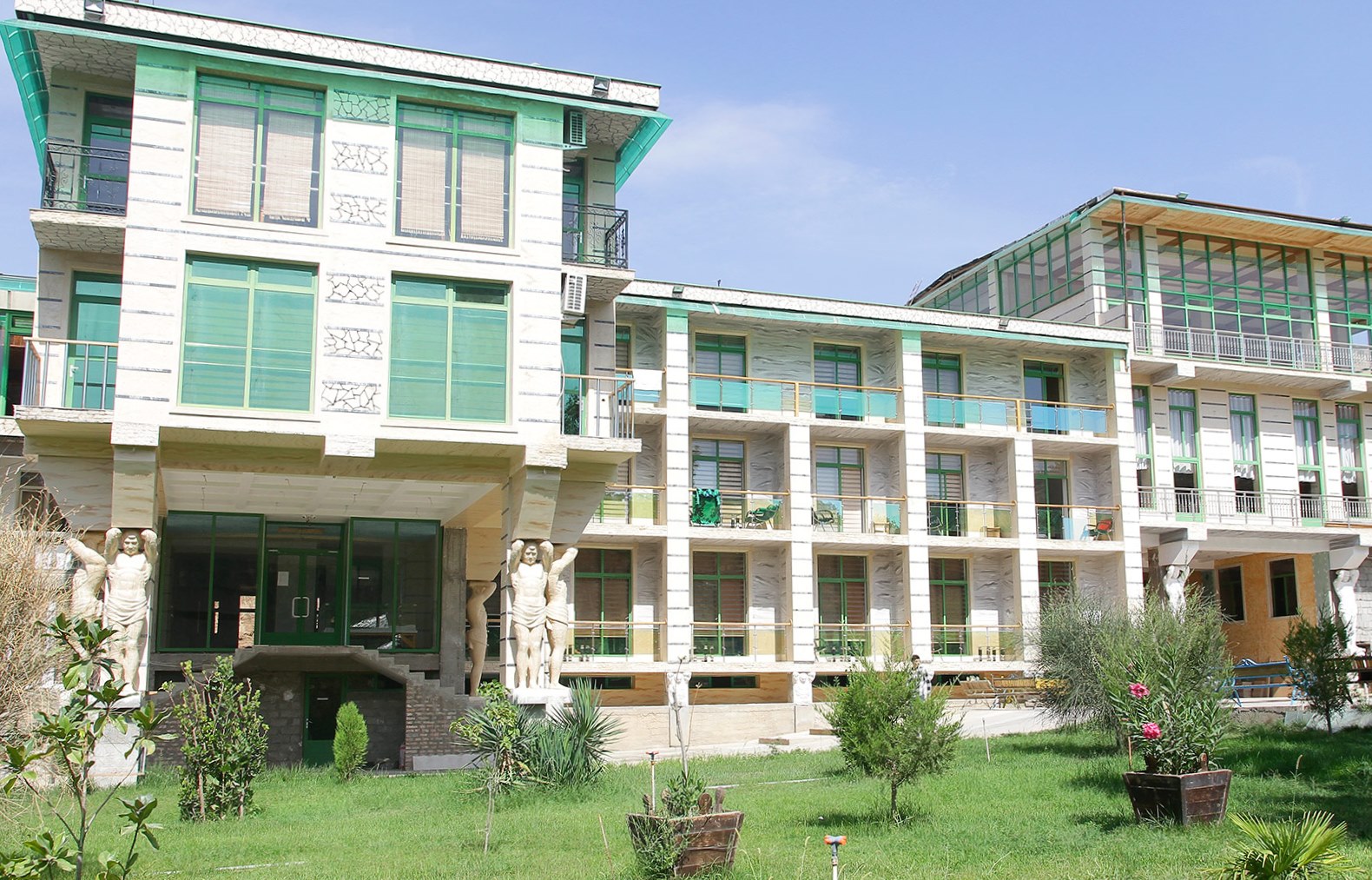
In addition to therapeutic services, the sanatorium offers a full range of amenities for a comfortable stay, including a year-round swimming pool and buffet dining, making it an ideal place for both healing and relaxation.

🔹 Main treatments include: mineral baths, acupuncture, massage, therapeutic steam, intestinal cleansing, herbal barrel steam therapy, and more.

🔹 Prices: from 490 TJS for a double room.

📞 +992 935 630 323 • saturntj.tj


Shohambari Sanatorium — thermal springs and a wide range of therapies

Located just 25 kilometers from Dushanbe, Shohambari Sanatorium offers convenient access to therapeutic wellness. The facility features thermal springs with water temperatures ranging from 37 to 42 °C. It provides treatments for gastrointestinal disorders, musculoskeletal issues, as well as cardiovascular and nervous system conditions.
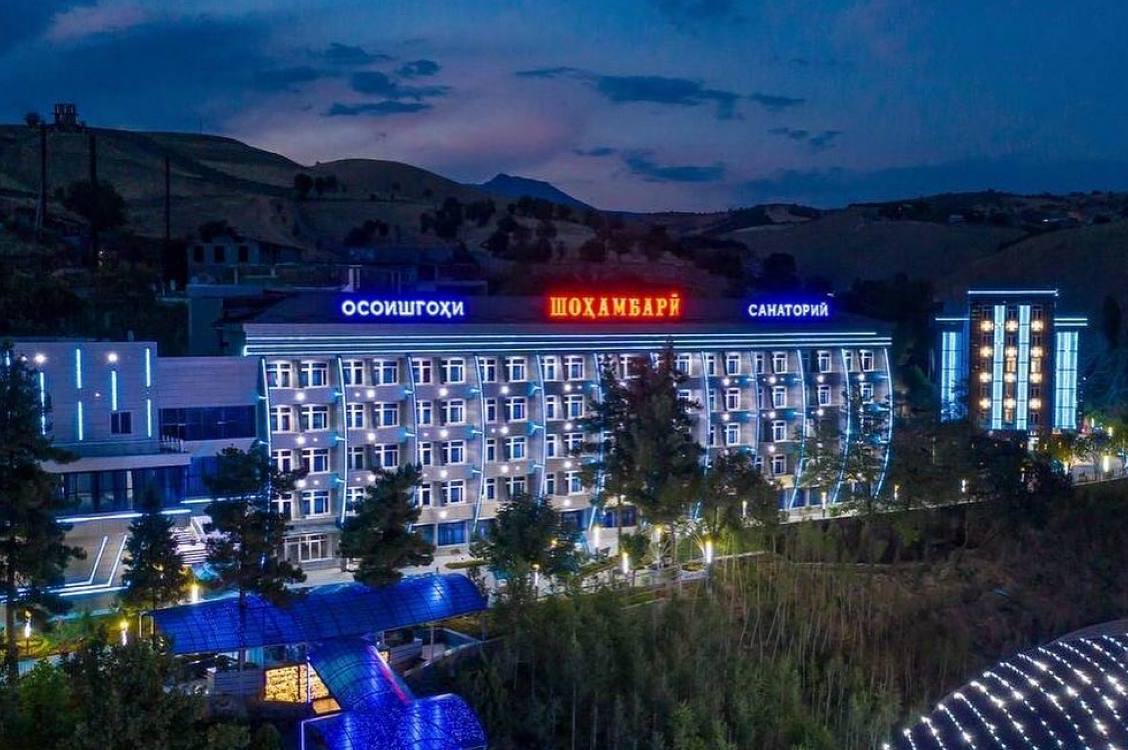
🔹 Main treatments include: intestinal hydrotherapy, classic and vibromassage, physiotherapy, ozokerite (paraffin therapy), electrophoresis, lymphatic drainage, neuroson therapy, and more.

💡 Additional paid procedures:

mud therapy — 20 TJS;

laser prostate massage — 20 TJS;

herbal steam barrel — 30 TJS;

full body massage — 55 TJS;

acupuncture — 10 TJS;

shockwave therapy — 30 TJS;

bioelectrical massage — 50 TJS;

intravenous laser blood cleansing — 50 TJS;

SPA capsule — 50 TJS;

spinal traction — 70 TJS.

🔹 Prices: Standard — 450 TJS, VIP — 700 TJS per day.

📞 +992 881 255 555 • shohambari.tj


Edem Sanatorium — wellness in harmony with nature

Nestled in the ecologically pristine Karatag Gorge, Edem Sanatorium is an ideal retreat for those seeking peace and renewal away from the hustle and bustle of city life. The resort offers a comprehensive wellness program with over 30 treatments designed to restore balance and improve overall health.
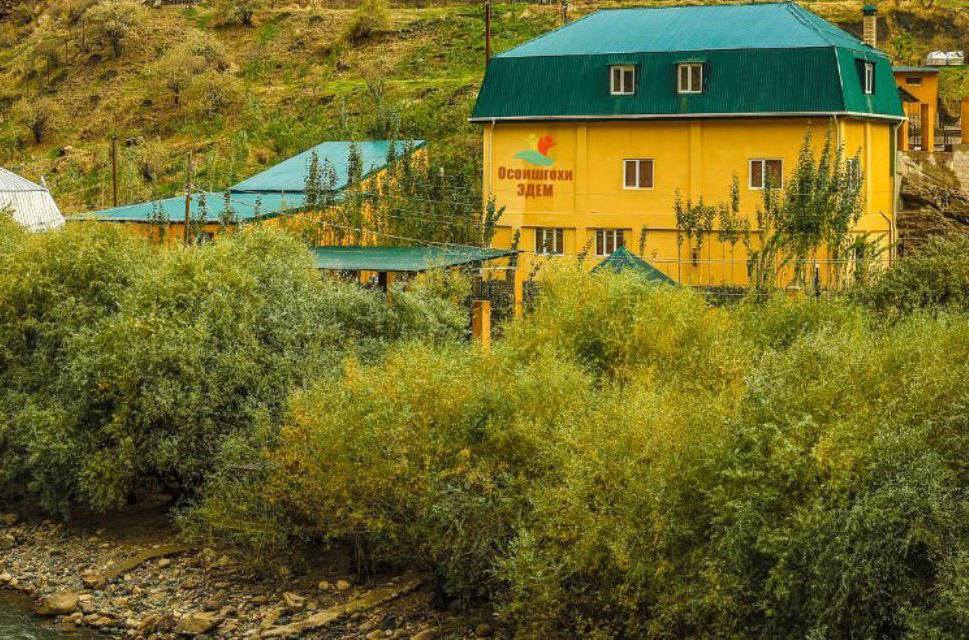
Guests can enjoy a year-round heated swimming pool, a modern sports complex, and a sauna.

🔹 Main treatments include: hydrogen sulfide and light therapy baths, mud therapy, paraffin treatments, massage, acupuncture, heated pool sessions, and more.

🔹 Prices: Junior Suite — 280 TJS, Suite — 330 TJS (discounts for stays over three days).

📞 +992 938 557 979 • social media pages


Bahoriston Sanatorium — health and leisure on the shores of the Tajik Sea (Qayroqqum Reservoir)

Located in the Sughd Province, Bahoriston Sanatorium sits on the scenic shore of the Kayrakkum Reservoir — far from urban noise and stress. Thanks to the area's unique climate and the resort’s modern medical facilities, Bahoriston operates year-round, offering comprehensive therapeutic programs.
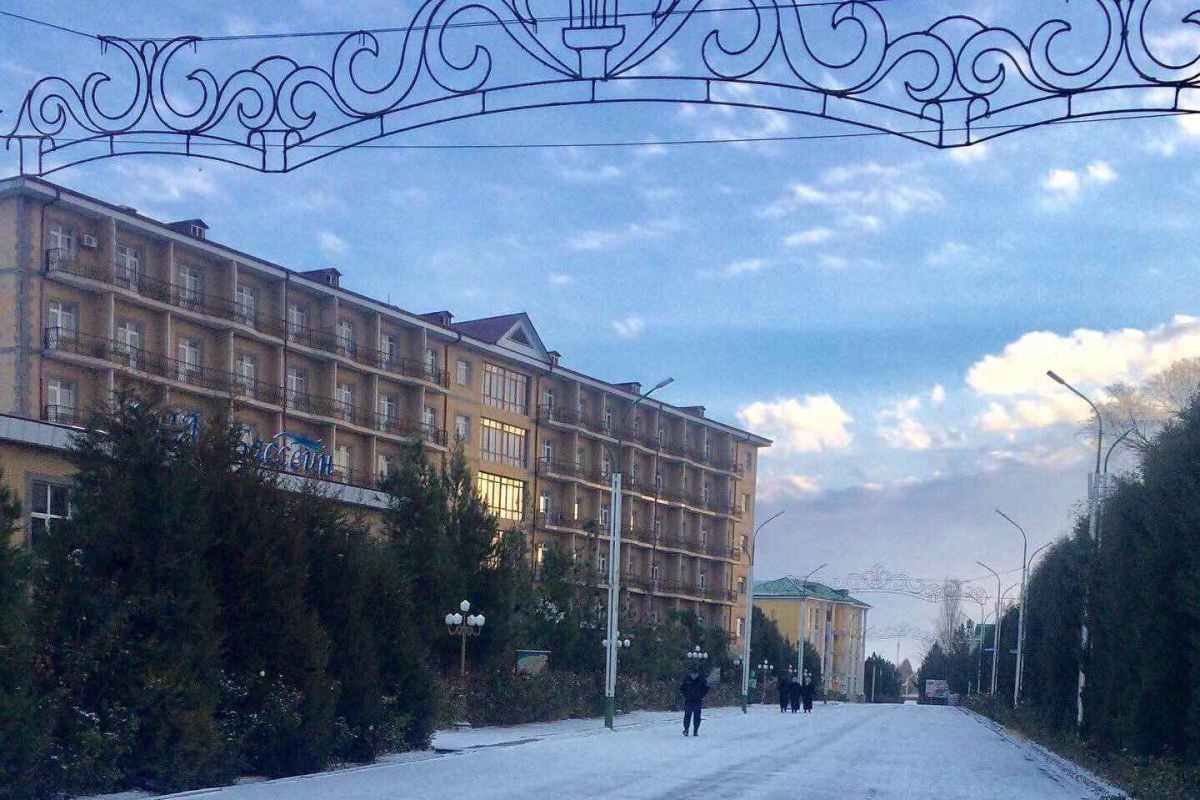
The facility is equipped with advanced diagnostic tools and its own medical laboratory, enabling high-precision examinations and innovative treatments. For those who enjoy an active lifestyle, the resort offers a gym, bowling, billiards, a disco bar, and evening entertainment. Meanwhile, a spacious modern SPA complex caters to those seeking full relaxation.

🔹 Main treatments include: hydrogen sulfide baths, Charcot showers, circular showers, pearl baths, dry and underwater spinal traction, various massage techniques, thermal therapy, mud therapy, laser therapy (both contact and intravenous), UHF, SWT, and microwave therapies, halotherapy (salt cave), acupuncture, magnetotherapy, and more.

🔹 Prices: Standard — from 300 TJS, Suite — from 450 TJS.

📞 +992 928 585 555 • bahoriston.com


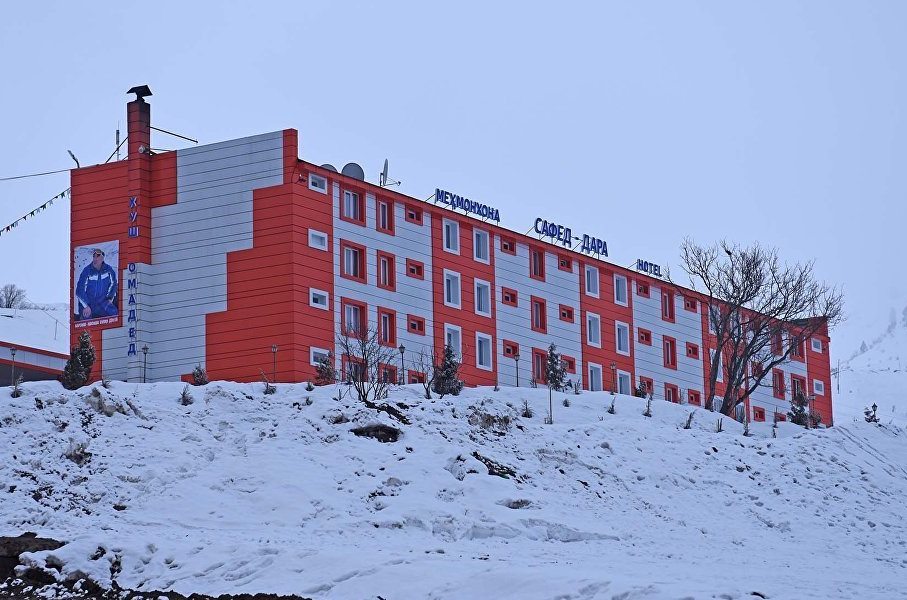
Safed-Dara Ski Resort — the winter gem of Tajikistan

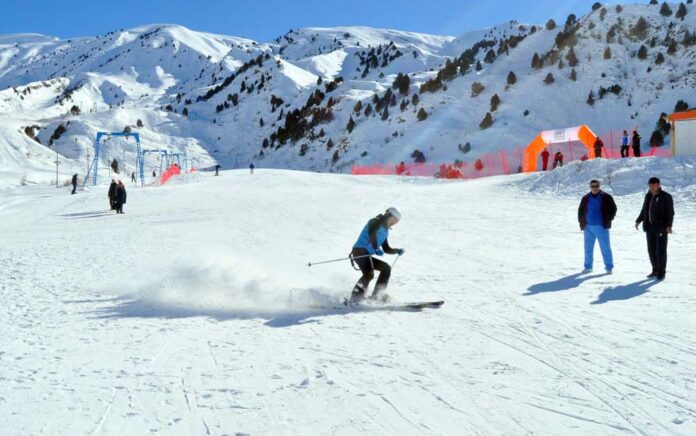
Safed-Dara, which translates from Tajik as White Gorge, is one of the most scenic and captivating winter destinations in Tajikistan. Located just 50 kilometers from Dushanbe in the picturesque Takob Gorge, the resort is known for its breathtaking mountain views, crisp alpine air, and serene snowy landscapes — a true haven for nature lovers.
 

Activities and winter sports

Safed-Dara is a hub for winter sports and outdoor recreation, offering something for every level of activity. The resort features approximately 30 kilometers of ski slopes, including the newly added 7.2-kilometer “Somoni” trail, making it suitable for beginners and advanced skiers and snowboarders alike.
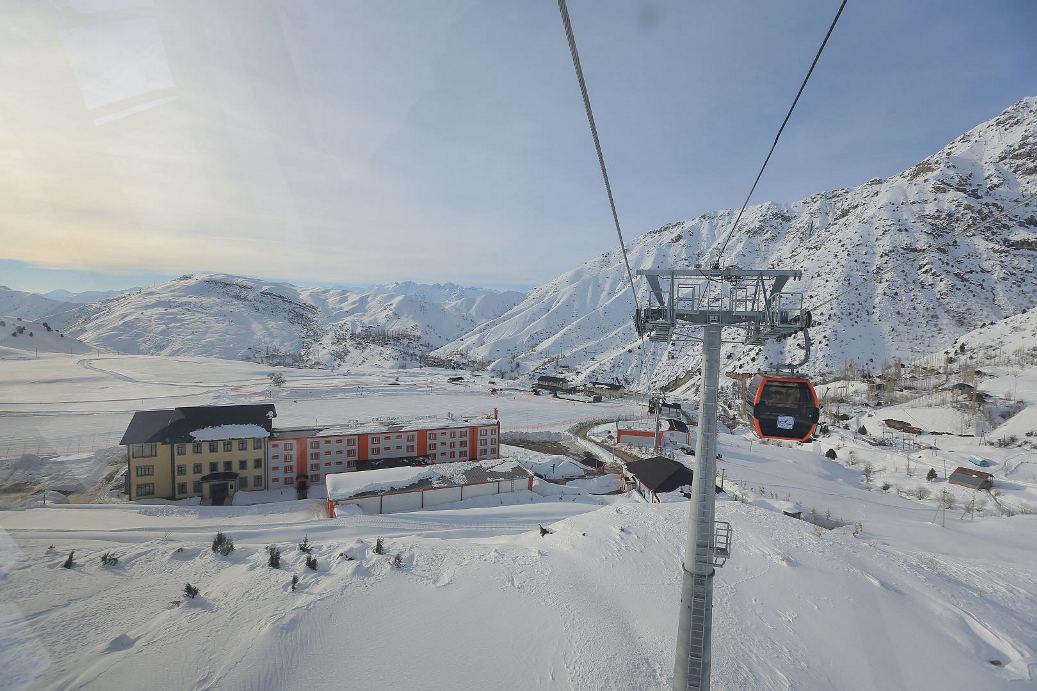
Onsite amenities include ski lifts, cable cars, and a wide range of winter activities such as tubing, snowmobiling, and ice skating. For thrill-seekers, zip-lining and paintball are also available. The resort offers cozy cottages for accommodation, a wellness center, and a conference hall for business events.

📞 For pricing inquiries: +992 44 601 30 30, +992 44 601 32 32

📱 More details available on the resort’s Instagram page.


Hiking Tours: a winter recharge for everyone

If you enjoy active recreation and crave new experiences but are short on time, one-day hiking tours are the perfect solution. Snow-covered mountain trails in winter are just as breathtaking as summer routes — with fresh air, crisp snow, and awe-inspiring scenery offering a truly invigorating escape.

In Tajikistan, local operators like Amir Tour and DaiDushki organize hikes that feel more like cozy group adventures. These outings help restore mental balance, release built-up stress, and give your body the healthy movement it needs. And often, fellow hikers turn into long-term friends.
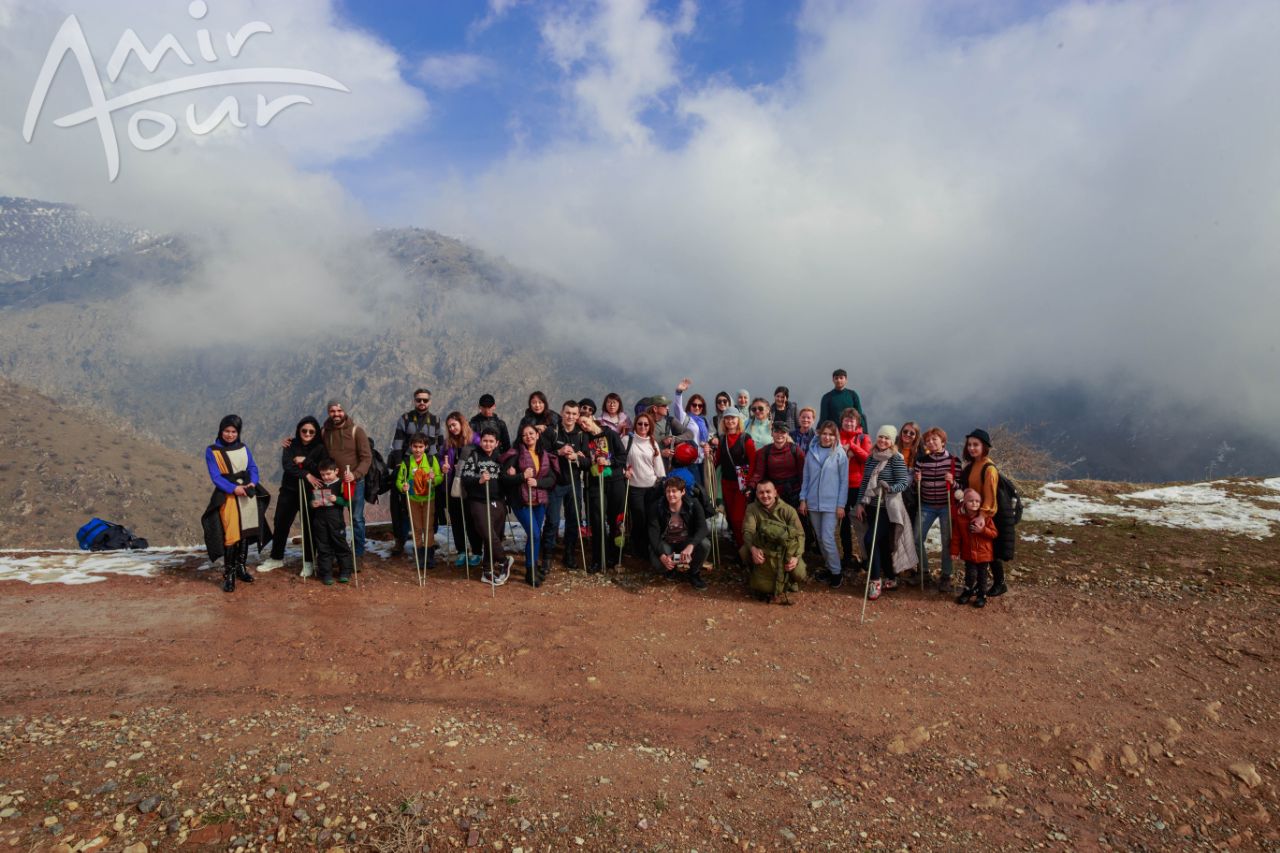
No heavy gear or extensive preparation is required — just comfortable footwear and a spirit of adventure. By the end of the day, you'll return home filled with vibrant energy to carry you through the week ahead.

 

Three-year-old child dies after beating in Fayzobod district; stepmother suspected

0

A three-year-old boy has died in Fayzobod district after being brutally beaten, with his stepmother suspected of involvement, Radio Liberty’s Tajik Service, known locally as Radio Ozodi, reported.

The Fayzobod Police Department confirmed the child’s death and said the case is under investigation.

“The Fayzobod district prosecutor’s office is handling the inquiry,” police officials said, declining to provide further details.

According to Radio Ozodi, the child, identified as Yusufjon, was beaten on December 26 in the village of Sheramoni. Local authorities reported that a 31-year-old woman is suspected in connection with the beating and the child’s subsequent death.

Sources told the outlet that the boy died the following day while being transported to a hospital. The suspect has not been detained so far, as she is caring for a one-and-a-half-month-old infant.

Sources cited by Radio Ozodi also reported that a preliminary review found no signs of mental illness in the suspect. However, the woman reportedly had frequent conflicts with her mother-in-law. Authorities were said to be aware of the troubled family situation and had previously held a preventive conversation with her.

Investigators continue to examine all circumstances surrounding the child’s death. At the time of publication, no official statements had been made by the suspect or the victim’s relatives.

Earlier, another high-profile case of child abuse was reported in Tajikistan. In Khatlon province, police detained a woman seen in a video circulating on social media, in which she was beating her five-month-old baby.

Investigators determined that the incident stemmed from ongoing family conflicts between the spouses. According to the Interior Ministry, the woman deliberately recorded the act of violence and sent the video to her husband as an act of revenge. Investigative materials have been prepared, and authorities are considering further legal action. The woman was also given a formal warning about the inadmissibility of domestic violence and informed about child protection laws.

Tajikistan expands list of officials required to declare assets and income

0

Tajikistan has expanded the list of public officials required to annually declare their income and assets. The new rules now apply to employees of the National Bank of Tajikistan, staff of state-owned financial institutions, and officials working abroad in Tajik embassies or government missions.

The changes were signed into law by President Emomali Rahmon, amending the country's anti-corruption legislation. The law now includes six new provisions and updates to Article 21, which detail the procedures and categories of officials subject to disclosure.

Failure to submit the declaration or providing false information can lead to dismissal or removal from office.

Those affected include individuals with management or administrative responsibilities at state enterprises and institutions — including companies where the government owns at least 50% — except for technical or service staff.


What must be disclosed in the declarations

According to the amended law, officials must report:

·         real estate (homes, dachas, land plots);

·         vehicles and equipment;

·         agricultural assets (livestock, poultry);

·         shares in businesses, securities, bank deposits;

·         precious metals and stones — both domestically and abroad.

The income declaration includes:

·         salaries from primary and secondary employment;

·         earnings from academic, creative, or teaching activities;

·         rental income;

·         profits from land and deposits;

·         and other income sources with a description of their type.

Newly appointed officials must submit declarations upon taking office. Others are required to do so annually by April 1.

High-ranking officials and lawmakers must file their declarations with the tax authority and relevant government offices, including President’s Executive Office and the Majlisi Namoyandagon (Tajikistan’s lower chamber of parliament).

Failing to submit or submitting false information can lead to removal from office or rejection of appointment.

It is worth noting that the requirement for public officials in Tajikistan to declare their income and assets has been in place since 2004. Initially, the law only required disclosure of real estate, land, and securities. However, legislative amendments in 2020 significantly broadened the scope, requiring officials to declare agricultural assets such as cows, horses, and poultry.

The issue of financial transparency among officials gained particular attention in 2019, when the then Head of the Civil Service Agency Juma Davlat stated that "Tajik society is not yet ready to accept it." He added that "once the level of awareness and understanding in society reaches that of Western countries, we will certainly raise the issue again."

In practice, however, officials' declarations have never been publicly disclosed. Some experts believe the reason lies in concerns that the extent of assets to be declared might raise questions about their origin. While a few mid-level officials have mentioned their income and assets at press briefings, they have not published formal declarations.

Experts suggest this is due to concerns that the size and origin of certain assets may raise public questions and scrutiny.

AFOT: Shaping the future of Tajikistan’s financial sector

0
art-29

The Association of Financial Organizations of Tajikistan (AFOT), established in 2004, brings together commercial banks, microfinance institutions, and related financial entities in the country. AFOT serves as a platform for professional dialogue among market participants, government agencies, and regulators. Its activities align with Tajikistan’s National Development Strategy through 2030, focusing on sustainable economic growth and improved living standards.

Zebunniso Fattidinova, Executive Director of AFOT, outlines the key directions of the Association’s work.


AFOT’s role in the financial sector

“Our primary mission is to support AFOT members in efforts to make financial services more accessible, high‑quality, and convenient for both citizens and businesses. We champion digitalization, modern financial technologies, and stronger cooperation between financial institutions and the government,” says Fattidinova.

AFOT prepares analytical reports, organizes industry events, and helps attract donors and investors to the sector. Between 2023 and 2025, the Association expanded its international cooperation by signing memoranda with partners such as the World Bank, the Central Asian Alliance of Microfinance Associations, the Fintech Association of Uzbekistan, the Central Asian Fintech Association, and global firm Plass‑Forum.

In 2025, AFOT celebrated its 21st anniversary. Initially founded as the Association of Microfinance Organizations of Tajikistan, it reflected the early niche of the sector, which was heavily supported by international projects focused on remote regions.

“In the early years, up to 120 small microfinance organizations were members, operating in remote areas and issuing microloans,” recalls Fattidinova. As the economy and banking sector developed, many of these organizations evolved into major microfinance and banking institutions.


Institutional structure and AFOT membership

Today, Tajikistan has a tiered financial system, from non‑profit microloan funds and microcredit organizations to microdeposit institutions and banks. Several institutions that started at lower levels now operate as full banks, including Spitamen Bank, International Bank, Kommerzbank, Alif, Arvand, Humo, Dushanbe‑City, Vasl, and Iman International.

Of the 19 banks in the country, 15 are AFOT members. The Association now covers nearly 90% of the financial market, including 15 banks, 16 microdeposit organizations, 2 microcredit organizations, and 17 microloan funds

In addition to core members, AFOT includes fintech firms, consulting businesses, the Tajikistan Credit Information Bureau, the Deposit Insurance Fund, and the Zamonat Guarantee Fund — all participating in regulatory discussions and industry initiatives.


AFOT Training Center: building human capital

A cornerstone of AFOT’s work is its training center — the only one of its kind in Central Asia within a financial association. Serving the sector for nearly 20 years, the center trains around 1,500 banking professionals annually, offering programs from one‑day seminars to multi‑day certified workshops nationwide.

Training topics are designed in response to industry needs. Recent focus areas include cybersecurity and compliance.


Research and analytics

AFOT conducts extensive analytical activities, including the “Mystery Shopper” study — now in its eighth year — assessing customer service quality, branch infrastructure, navigation, signage, security, and service points. Each institution receives an individual report, alongside a consolidated sector overview.

Quarterly financial sector reviews examine liquidity, credit growth, payment infrastructure, and funding costs. One study highlighted persistently high resource costs and the need for long‑term financing, with international partners such as the EBRD providing targeted resources for SME, green, climate, and women’s entrepreneurship financing.

AFOT also assesses financial access in remote and mountainous regions. In partnership with GIZ, reports on the Gorno‑Badakhshan Autonomous Region, the Garm area, and Sughd region were shared with financial institutions for future planning.

The COVID‑19 pandemic accelerated digital adoption, with banks expanding remote services, online payments, and e‑wallets — now widely used across the country.


Industry events and professional community

AFOT regularly organizes major industry events. The Central Asian Financial Summit 2025, held on September 22–23, brought together regional representatives, international organizations, and national development institutions. Over the past five years, more than 60 global experts have participated in AFOT events.

The Association presents annual professional awards. Beginning in 2026, the “Excellence in Microfinance” award will be expanded to “Excellence in Financial Services.”

AFOT places strong emphasis on promoting women in finance and female entrepreneurship, hosting competitions with clear selection criteria for women bankers and entrepreneurs.


Strategy and forward look

In 2025, AFOT approved a new development strategy to enhance the financial sector, broaden access through digitalization, strengthen cybersecurity, promote financial literacy, and protect market participants’ interests.

“Our focus is on practical advocacy and problem‑solving at the level of regulators and government bodies,” says Fattidinova. Coordination involves the National Bank of Tajikistan, Ministry of Economy and Trade, State Committee on Investment, Ministry of Justice, and international partners.

Priority strategic areas include digital banking, youth banking, and open banking solutions with support from the National Bank of Tajikistan and global partners.

“Our Association is committed to achieving the objectives outlined by President Emomali Rahmon: sustainable economic growth, improved quality of life, and expanded access to financial resources. With GDP reaching 173 billion somoni and economic growth of 8.4% in 2025, the foundation is set to sustain growth above 8% in 2026,” Fattidinova emphasizes.

AFOT continues to establish itself as a platform for systemic dialogue, expertise, and innovation shaping the future of Tajikistan’s financial sector.

“2026 marks 35 years of Tajikistan’s independence. In this context, AFOT will focus on consolidating the efforts of the financial sector, government, and international partners to strengthen economic sovereignty and the resilience of the national financial system,” Fattidinova concludes.


Uzbekistan launches foreign currency savings program for orphans

0
507_120

Over 8,000 orphans and children without parental care in Uzbekistan have received personalized deposit accounts funded by the state. Fergana News reports that the initiative was launched as part of the New Year’s "President’s Tree" campaign and aims to provide long-term social support, according to the National Agency for Social Protection.

The savings accounts have been opened for children aged from birth to 17 years old. Each account was credited with $500 USD from the state budget. The funds will accumulate with annual interest capitalization and can only be accessed once the child reaches the age of 18.

In addition, children over the age of 9 and their legal guardians received special social cards. These cards grant access to discounted public transportation, payment for various services, and serve as official identification confirming their social support status. Transactions can be tracked through the Baraka mobile app.

The program benefits several categories of children:

·         orphans living in local communities (mahallas);

·         residents of state-run and family-style orphanages, as well as SOS Children’s Villages;

·         children of fallen border service officers.

Special conditions apply to patients of the pediatric oncology hospital affiliated with the Taskin hospice. In these cases, the funds can be accessed before the age of 18 — legal guardians may request that the money be transferred to a bank card at any time when needed.

Authorities emphasize that the program aims not only to provide financial support, but also to foster long-term financial security and social protection for children facing difficult life circumstances.

Two men detained in Sughd province for alleged murder of fellow villager

0

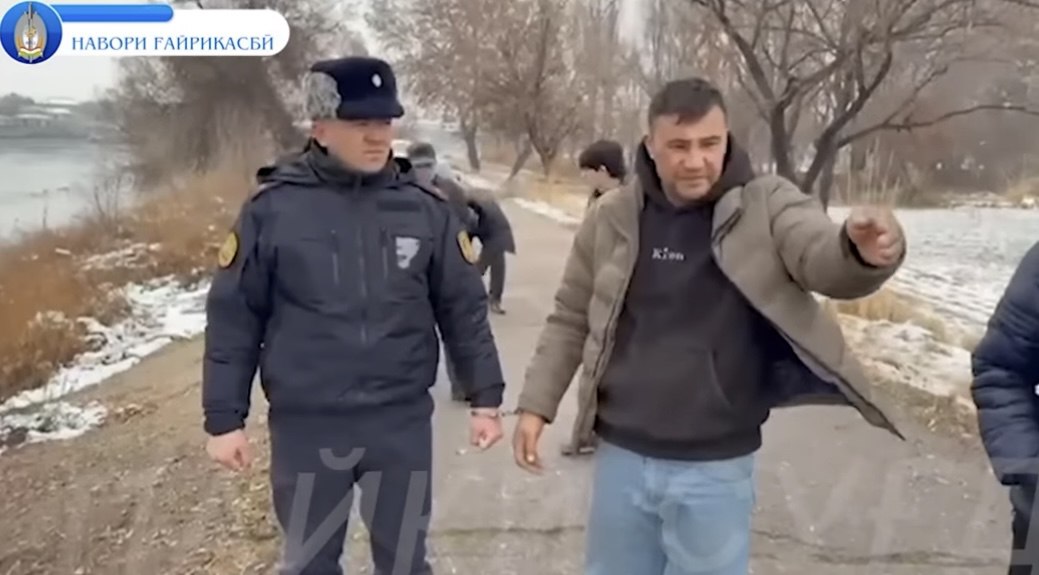
Two residents of Yangiqurghon village in Shahriston district of Sughd province have been detained on suspicion of murdering 36-year-old Farrukh Ashirmatov, the regional police department reported.

According to investigators, 30-year-old Uktam Zoidov and 27-year-old Shahzod Jonigitov allegedly stabbed Ashirmatov 38 times and then threw his body into the Syr Darya River.

The incident reportedly occurred on December 15. The suspected motive is a financial dispute linked to an unpaid bank loan.

Police claim one of the suspects took out a loan in his own name on behalf of Ashirmatov, who then failed to repay it. The suspects allegedly lured Ashirmatov to a secluded area in Khujand under the pretext of a meeting to “teach him a lesson,” which ended in a fatal confrontation.

In a video released by the Interior Ministry’s Office in Sughd province, the suspects appear to confirm these details. However, it remains unclear under what conditions the video was recorded and whether the suspects’ legal rights were upheld during questioning.

The views of the suspects or the victim’s family have not been publicly stated.

Criminal proceedings have been instituted under Article 104 of Tajikistan’s Criminal Code – murder, which carries a sentence of 15 years to life imprisonment; an investigation is under way.

This incident is the second high-profile murder in Sughd Province in recent months. Earlier, a court sentenced a 20-year-old resident of Zafarobod district to 24 years in prison for killing a 19-year-old woman who had rejected his marriage proposal.

According to investigators, the man was in a relationship with the victim, Charos Asrorova. In September 2025, he allegedly stabbed her 16 times and then set her body on fire in an attempt to destroy evidence. He was found guilty under of Article 104 (2) of Tajikistan’s Criminal Code — murder with exceptional cruelty.

The Interior Ministry identified the convicted man as Shahboz Nourulloyev. The killing was reportedly motivated by revenge after the woman declined his proposal.

The convict’s own statement, as well as comments from his legal representative or family, were not made public at the time of reporting.

Top Iranian diplomat calls for closer ties with Tajikistan

0

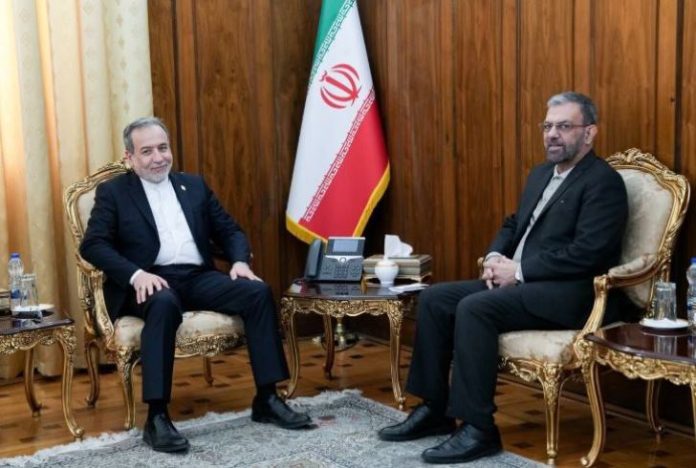
Iranian Foreign Minister Abbas Araghchi has emphasized the importance of strengthening comprehensive relations with Tajikistan, citing the two nations' shared cultural and linguistic heritage as a solid foundation for broader cooperation, according to IRNA.

Araghchi made the remarks yesterday during a meeting in Tehran with Iran’s Ambassador to Tajikistan, Alireza Haghighian, where the two officials reviewed the current state of bilateral relations and explored opportunities for expanding cooperation across various sectors.

“Iran places a high priority on deepening ties with culturally aligned and like-minded nations,” Araghchi said, underlining the value of continued dialogue to further bolster ties with Dushanbe.

Iran and Tajikistan have long-standing historical and cultural connections. Tehran was the first to recognize Tajikistan’s independence in 1991 and established an embassy in Dushanbe the following year. Iran also played a key role in facilitating peace talks during the 1990s, which ultimately led to the end of Tajikistan’s civil war in 1997.

Bilateral relations reached their peak during the presidency of Mahmoud Ahmadinejad but later cooled due to a series of political disagreements. However, ties began to improve again in 2019. In February of that year, Tajikistan’s Foreign Minister Sirojiddin Muhriddin expressed his country’s intention to restore and strengthen diplomatic ties with Tehran. Both countries appointed new ambassadors in March 2019, marking a new chapter in their relations.

Since then, Iran and Tajikistan have been steadily rebuilding their partnership. Today, the two nations are engaged in active cooperation across a wide range of fields, from trade and investment to culture and education.