Home Blog Page 98

Donald Trump says US will now ‘run’ Venezuela until an unspecified transition could be arranged

0

In a stunning announcement with far-reaching implications for U.S. foreign policy, U.S. President Donald Trump declared that the United States will take control of Venezuela following the arrest of Venezuelan leader Nicolás Maduro. The BBC reports that speaking from his Mar-a-Lago estate in Florida, Trump stated that the U.S. would “run” Venezuela until an “appropriate and safe transition” could be arranged. He did not offer specifics about the timeline or process for the transition. “We're not afraid of boots on the ground if we have to have them,” Trump added, suggesting the possibility of a deeper military presence in the South American country.

According to the BBC, Trump’s remarks mark an extraordinary demonstration of executive power, underpinned by direct U.S. military action. The arrest of Maduro follows years of tension between Washington and Caracas, during which the U.S. labeled his government illegitimate and imposed heavy sanctions.

Trump claimed that U.S. Secretary of State Marco Rubio had spoken with Venezuelan Vice President Delcy Rodríguez, who reportedly told him, “we'll do whatever you need.” Trump added, “She was quite gracious, but she really doesn't have a choice.”

Experts have warned of potential fallout. The International Crisis Group cautioned last year that Maduro’s removal could trigger internal instability and violence. Similarly, a report by The New York Times revealed that U.S. defense officials had previously modeled scenarios predicting violent chaos in the aftermath of Maduro’s fall, with armed groups vying for control.

Al Jazeera characterized the intervention as part of a dangerous legacy of U.S. interference in Latin America, describing it as a revival of interventionist doctrine. The operation in Caracas, it said, reflects a renewed embrace of the 19th-century Monroe Doctrine, under which the U.S. claimed dominance over the Western Hemisphere.

While Maduro's government has been widely condemned for widespread human rights abuses and economic mismanagement, critics argue that U.S. intervention only deepens the crisis. Al Jazeera emphasized that America's history of backing authoritarian regimes in Latin America undermines its moral authority in the region.

The media outlet also linked Trump’s actions to broader concerns about international law, warning that unilateral U.S. military strikes against sovereign nations threaten to erode global legal norms. “If might makes right,” the report warned, “then the entire framework of international law collapses.”

Compounding the controversy, Trump remains embroiled in domestic scandals, including scrutiny over past ties to convicted sex offender Jeffrey Epstein, and continued criticism for his unconditional support of Israel during its military campaign in Gaza.

As the situation unfolds, global reactions are expected to intensify, with Washington’s role in Venezuela likely to face mounting scrutiny both at home and abroad.

Ozoda Rahmon provides financial aid to mother of Tajik boy killed in school xenophobic attack in Russia

0

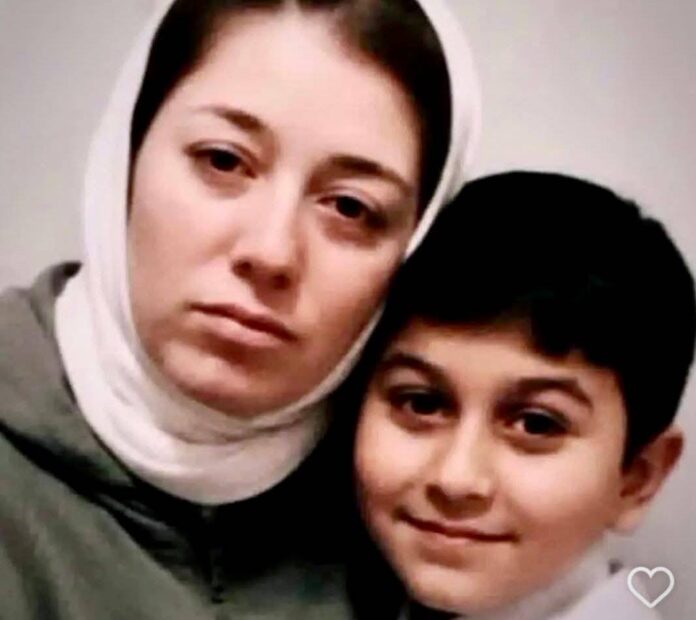
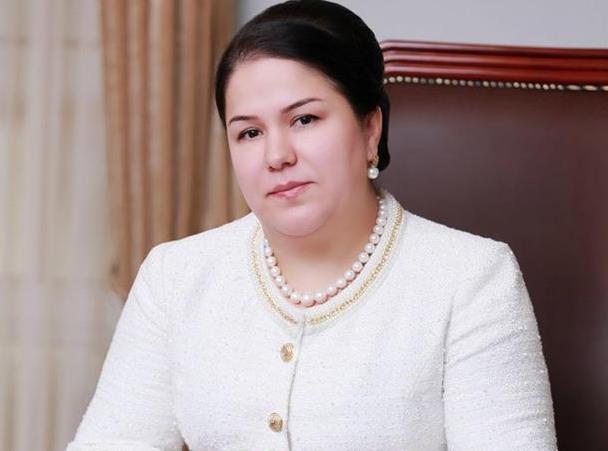
President Emomali Rahmon’s daughter Ozoda Rahmon, who heads President’s Executive Office,  has provided financial assistance of 300,000 somonis (approximately $30,000) to Niloufar Safoyeva — the mother of the 10-year-old Qobiljon Aliyev, a Tajik boy who was killed in a school xenophobia-related attack Moscow region, according to the state-run news agency Khovar.  

The news agency called the donation, “an act of solidarity, compassion, and affirmation of human values.”

Earlier, the Tajik government gifted Safoyeva a house. A relative of the boy told Asia-Plus that the home was officially provided on behalf of the state.

Additionally, local entrepreneur Umar Alimatov has reportedly pledged to provide Niloufar Safoyeva with a job paying 10,000 somonis per month (around $1,000).

Qobiljon Aliyev was fatally attacked on December 16 at a school in the Moscow region. Russian investigators say the motive was ethnic hatred. The alleged perpetrator, a 15-year-old Russian citizen, has been arrested and placed in pre-trial detention for two months. Russia’s Investigative Committee has opened a criminal case on charges of murder and attempted murder.

Qobiljon was stabbed to death at his school by a 15-year-old neo-Nazi identified as Timofey K on December 16.

Before the bloodshed began, Timofey K. approached a group of children and a teacher at the school and asked about their nationality. He recorded this exchange on his phone and later shared it on Telegram. When a security guard advanced, Timofey K. doused him in pepper spray and stabbed the man before chasing Qobiljon Aliyev up the stairs and fatally wounding him. The attacker, who had barricaded himself in a classroom, was apprehended by law enforcement officers.

The boy’s body was returned to Tajikistan on December 18 and buried the same day in the village of Adjami, Shahrinav district.

 Following the attack, the Investigative Committee of the Russian Federation for Moscow Region opened a criminal case under Article 105 (“Murder”), Part 3 of Article 30 (“Preparation for a Crime and Attempted Crime”), and Part 2 of Article 105 of the Russian Criminal Code. An investigation is ongoing.

The Tajik government has publicly demanded an “immediate, objective, and impartial investigation” into the boy’s murder, calling it a crime motivated by national hatred.

The Ministry of Foreign Affairs of Tajikistan called the crime an act of “national hatred” and the Russian Ambassador to Tajikistan, Semyon Grigoriyev, was summoned to the Ministry of Foreign Affairs, where he was handed a note demanding that the Russian side conducts an immediate, objective, and impartial investigation of this tragic incident and bring all those involved to justice to the fullest extent permitted by law.

Tajikistan's Interior Minister, Ramazon Rahimzoda, demanded that Russian authorities thoroughly and impartially investigate the murder and ensure that the guilty parties are justly punished.

Tajikistan's President, Emomali Rahmon, also raised the issue during his meeting with Russian President Vladimir Putin on December 22. Putin called the incident a “terrorist attack” and promised that “those responsible will be punished.”

What awaits migrants in Russia in 2026: new rules and restrictions introduced

0

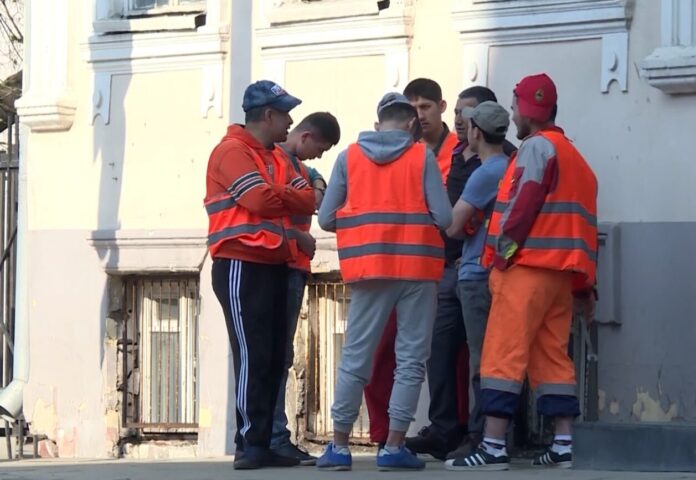
Starting in 2026, Russia is implementing new policies affecting labor migrants and their employers. The changes include increased costs for work permits, employment restrictions, limited access to healthcare, and new oversight of migrant children. Here’s a breakdown of the key changes.


Work permit costs increase

As of January 1, 2026, the cost of work permits (patents) for migrants has increased in many regions due to annual adjustments tied to labor cost indices.

In Moscow, the price has risen from 8,900 to 10,000 rubles, and in St. Petersburg — from 6,000 to 8,000 rubles.


Stricter access to free healthcare

The required legal stay period to qualify for the state health insurance (OMS) has been extended from three to five years.

This means that during their first five years in Russia, migrants will have access only to paid medical services or private insurance.

Free healthcare under OMS will be available only in emergency situations threatening life or health.


New employment restrictions

From 2026, migrants are banned from working in alcohol and tobacco sales across all regions except Moscow.

Similar restrictions already apply to pharmaceutical sales, non-permanent retail points, and markets.

New quotas limit the number of foreign workers in certain sectors:

·         Passenger and freight transport — no more than 24%

·         Construction — capped at 50% (down from 80%)

·         Agriculture and forestry — limited to 40% (previously 50%)

Employers who exceed these quotas must reduce their foreign workforce. Starting March 1, 2026, this will become an official legal ground for dismissal.


Oversight of migrant children and potential future changes

Starting January 28, 2026, Russia will introduce a data-sharing system between the Interior Ministry and educational institutions concerning the children of migrants.

The Interior Ministry will provide schools with information on whether a foreign child is registered for migration purposes or removed from the register. In turn, schools will report whether parents have applied for enrollment, whether the child was admitted, and whether they passed a Russian language proficiency test.

Authorities say the measure will allow for more accurate tracking of migrant children and help identify those who are living in the country but not attending school.


Changes under consideration for the future

In 2026, Russia’s State Migration Policy Concept for 2026–2030 comes into force. While the document does not introduce immediate bans, it outlines the government’s strategic priorities for the next five years.


Expanded digital monitoring

The authorities plan to complete the creation of a “Digital Profile of a Foreign Citizen” — a centralized electronic file managed by the Interior Ministry. It will consolidate all data on migrants, including biometric information and records from the ruID system.


Stricter integration requirements

Migrants are already required to demonstrate knowledge of the Russian language, history, and basic law to obtain work permits, temporary residence, or permanent residency.

Under the new policy concept, the emphasis on integration is expected to increase, likely leading to higher language and civic knowledge requirements.


Priority for organized recruitment

The government intends to encourage employers to rely more heavily on targeted, organized recruitment of foreign workers for specific projects and enterprises. Officials believe this approach will help reduce illegal and unregulated employment.

Multiple explosions rock Venezuelan capital Caracas

0
Caracas

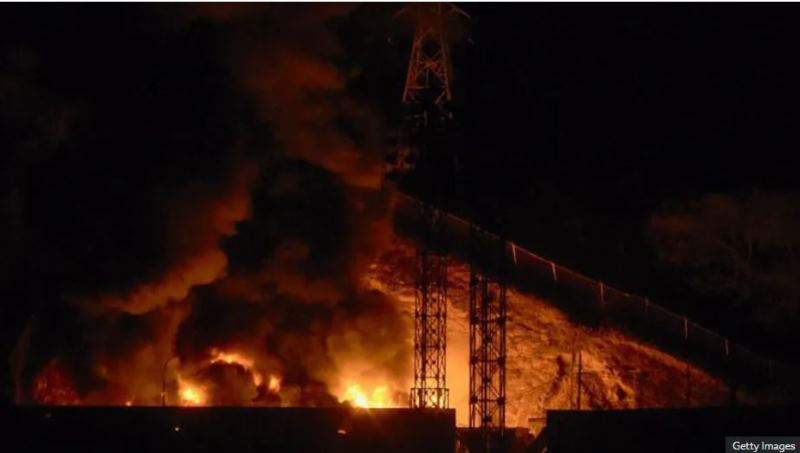
Multiple explosions were reported in Venezuela’s capital, Caracas, on the morning of January 3, following U.S. airstrikes on military targets. Citing U.S. officials, international media outlets say the strikes were ordered by President Donald Trump, marking a sharp escalation in already tense U.S.-Venezuela relations.

According to the BBC, Eyewitnesses reported plumes of smoke rising from several areas of Caracas, including La Carlota airbase and the Fuerte Tiuna military complex, the country’s largest military installation. The Venezuelan government confirmed that surrounding states — Miranda, Aragua, and La Guaira — were also targeted.

In a televised statement, the Venezuelan government denounced the attacks as “U.S. military aggression” and declared a national emergency. Several neighborhoods have reportedly been left without power, and fears of further escalation are rising.

The White House and the Pentagon have yet to issue official statements, but President Trump, speaking to The New York Times, called the operation “brilliant” and praised U.S. troops for their execution. He later confirmed via social media that a "large-scale strike against Venezuela" had been launched, with more details to be shared at a press conference from his Mar-a-Lago residence.

CBS News reported that members of the elite U.S. Delta Force captured Venezuelan President Nicolás Maduro during the operation. The same unit was responsible for the 2019 raid that killed Islamic State leader Abu Bakr al-Baghdadi.

Tensions between Washington and Caracas have been escalating for months. In late December, the U.S. carried out airstrikes on suspected Venezuelan drug-smuggling boats in the Caribbean, which President Trump claimed caused a "major explosion." Venezuela’s government maintains that these actions are part of a broader strategy to seize control of the country’s vast oil and mineral resources.

President Maduro has long accused the U.S. of attempting to orchestrate regime change, citing Washington's seizure of Venezuelan oil tankers and its rejection of the 2025 presidential election results, which were widely condemned as illegitimate by the international community.

Al Jazeera reports that Maduro’s government has declared a state of emergency in response to what it describes as an act of war.

The situation remains fluid, with international observers closely monitoring potential fallout from the U.S. military action in the region.


Two traffic police officers killed in avalanche in Varzob district

0

The toll road operating company IRS has confirmed the deaths of two traffic police officers who were reportedly caught in an avalanche in the Varzob district. News of the incident first surfaced on social media on January 1.

The company, which is responsible for maintaining the Dushanbe–Chanak highway and collects tolls from drivers for its services, expressed condolences to the families of Farrukh Hasanzoda and Saidmurod Ghanizoda. In an official statement, IRS said the officers “died in the line of duty.”

According to Radio Liberty’s Tajik Service, known locally as Radio Ozodi, the bodies of the two officers have been handed over to their families. Farewell ceremonies were held on January 2: Farrukh Hasanzoda’s farewell took place in Dushanbe’s Firdavsi district, and Saidmurod Ghanizoda’s farewell took place in his native Fayzobod district.

Earlier, the national weather agency had issued warnings of avalanche risks along the Dushanbe–Chanak highway, particularly near the Maikhoura section of Varzob district.

Heavy snowfall and avalanches have severely disrupted traffic on the only major route connecting the capital with northern regions of the country. Many drivers have shared videos on social media showing that traffic is limited to a single lane in some areas, with long delays forcing them to wait for hours for roads to be cleared.

Despite the challenges, IRS maintains that the highway remains open.

Muhsin Muhammadiyev passed away – a football icon and symbol of Tajik sport

0

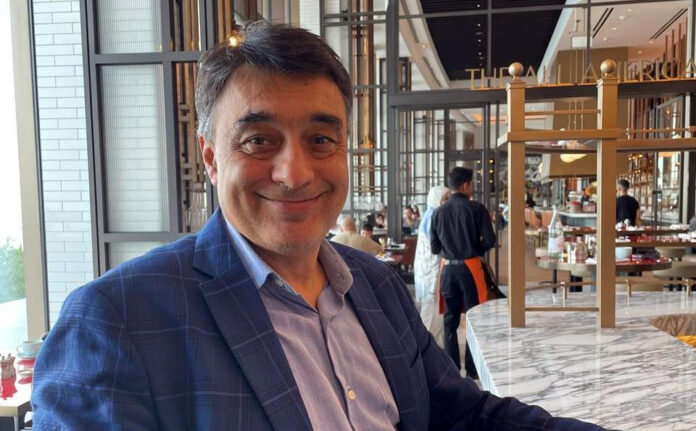
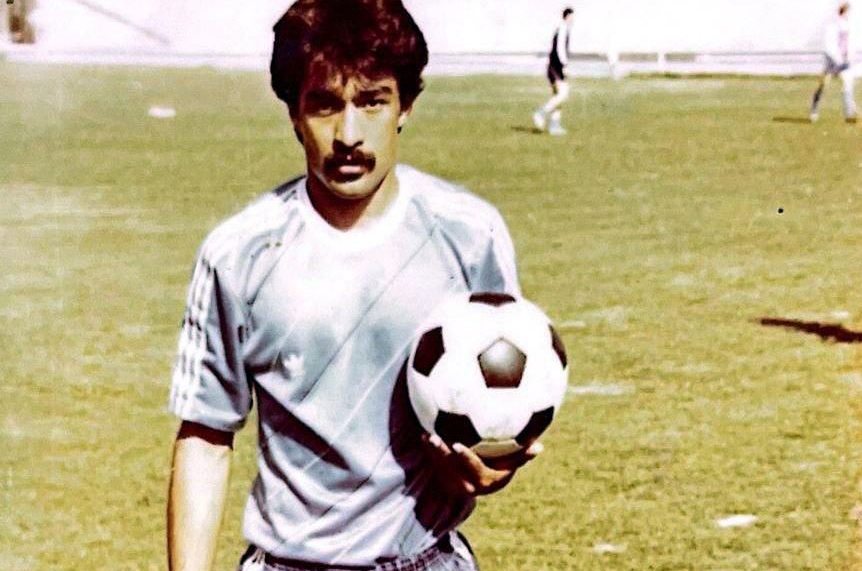
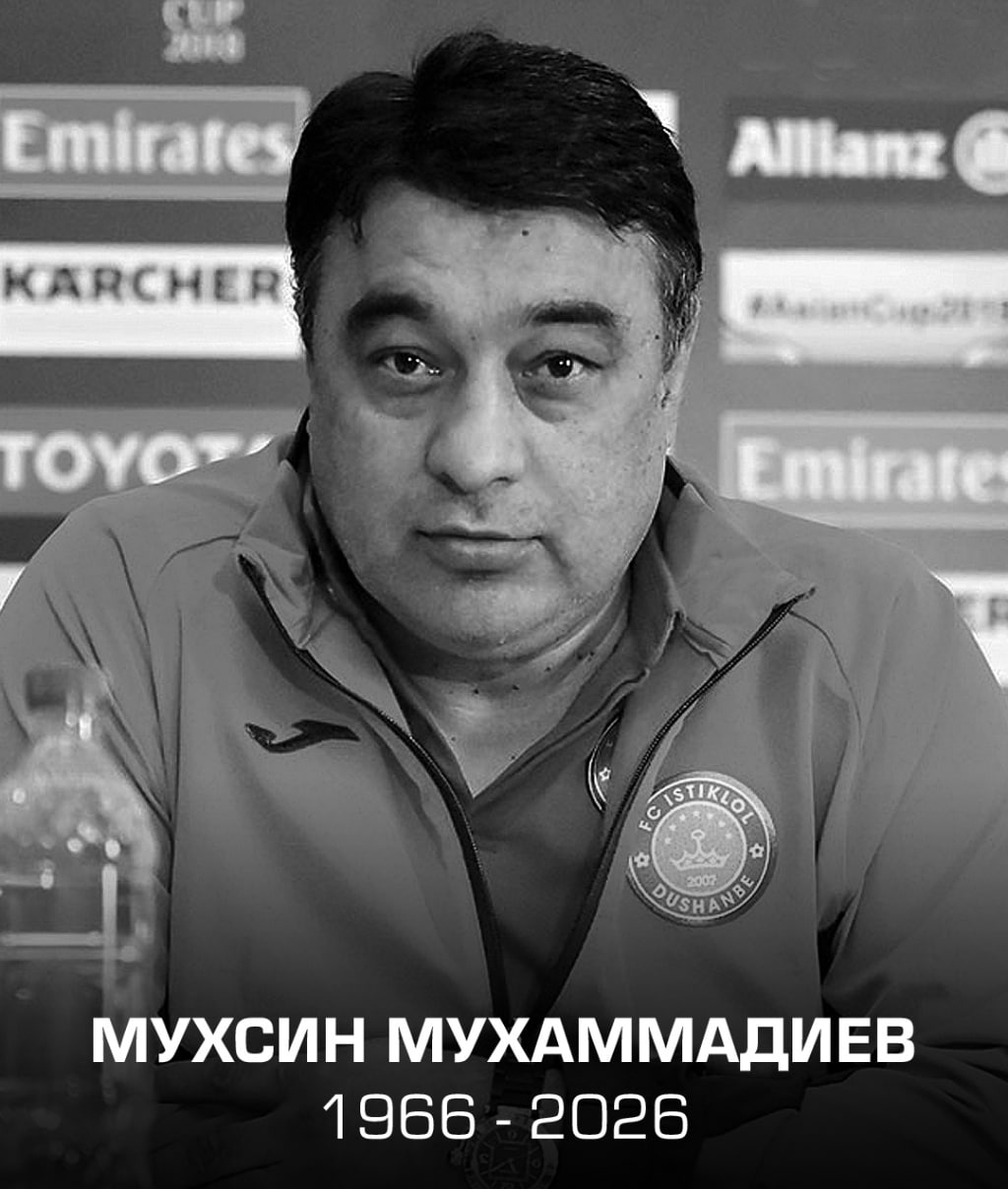
On January 1, 2026, Muhsin Muhammadiyev passed away at the age of 59 after a prolonged illness. A former national team player for Tajikistan, he also represented several well-known clubs, later becoming a coach, football analyst, and one of the most influential figures in the history of Tajik football.

His passing is a tremendous loss not only for the country's sporting community but for all those who associate the rise of Tajik football with personal dedication, professionalism, and lasting contributions.

For Muhammadiyev, football was never just a profession — it was his destiny, his calling, and a lifelong form of service. His journey spanned the Soviet era, the post-Soviet transition, and the years of Tajik independence, always remaining central to the story of national football.

His name is inseparably linked with Dushanbe's "Pamir", the first major successes of Tajik football at the union level, and later efforts to rebuild and stabilize the sport in the 21st century.

Muhsin Muhammadiyev was born on October 21, 1966, in Dushanbe. From a very early age, his life was deeply intertwined with football. His father, Muslim Muhammadiyev, played for Leningrad’s “Admiralteets” in the 1950s, but a serious injury during the USSR Championship cut his career short.

His father’s unfulfilled dream gradually became his own. Home training sessions, endless football talks, and real match balls brought home from work helped shape Muhsin’s character long before his first official practice.

At age ten, his father took him to the “Hosilot” football school. In the USSR, the youth football development system was an integral part of national sports policy. Muhsin quickly stood out among his peers thanks to his talent and work ethic.

At School No. 54, he would draw portraits of famous footballers, memorize jersey numbers, and dream of playing in big stadiums. His mother, Mahbouba Jalilovna, who worked in the Council of Ministers of the Tajik SSR, affectionately called him “my champion.”

Life dealt him harsh blows. In 1982, his mother passed away after a serious illness. Just two years later, in 1984, his father also died. At just 17, Muhsin and his younger sister became orphans. This was a pivotal moment: he matured quickly, took on responsibility for the family, kept training, and worked night shifts unloading freight cars. During this time, football became more than a dream — it became his lifeline.

After eighth grade, he enrolled in a sports boarding school, where everything revolved around professional athletic development. Coaches like Salimjon Sultanov, Sergey Li, and Georgy Kukushkin played a major role in shaping his skills. Special influence came from Yuri Fedosov, who helped Muhsin transition from youth to senior-level football.

In 1983, at age 17, Muhsin made his debut for Pakhtakor (Qhurgho Teppa, currently Bokhtar) in the USSR Second League. His performance caught the eye of professionals, and soon Pamir’s head coach, Vladimir Gulyamkhaidarov, invited him to join the training camp.

Muhsin was scoring regularly and also enrolled at the Tajik Institute of Physical Education. In 1984, Pamir was taken over by Yuri Syomin, who recognized the young striker’s potential but chose not to rush his full debut.

By October 1985, Muhsin had become a first-team player for Pamir, which at the time was seriously competing for promotion to the Soviet Top League. A defining moment came during a match against CSKA, when Pamir was allegedly “advised” to lose. However, they won 1–0, after which seven starting players were abruptly drafted into the army. Despite this, the team’s fighting spirit remained strong — its resilience forged during that exact period.

Muhsin Muhammadiyev entered the 1990s at the height of his career. The collapse of the USSR, civil war in Tajikistan, and a general atmosphere of instability coincided with his move to Moscow’s Lokomotiv in 1992. In 1994, he fulfilled a lifelong dream by joining Spartak Moscow.

During this period, he became one of the few players to represent two national teams — Tajikistan and Russia — reflecting the complexities of the era and his unique personal journey.

His career went on to include stints with Turkiye’s Ankaragücü, Austria’s Austria Wien, and Russian clubs such as Torpedo, Arsenal Tula, and Shinnik. He also played for Uzbek sides Bukhara and Samarkand. These experiences made him a versatile football figure, deeply familiar with various footballing cultures and systems.

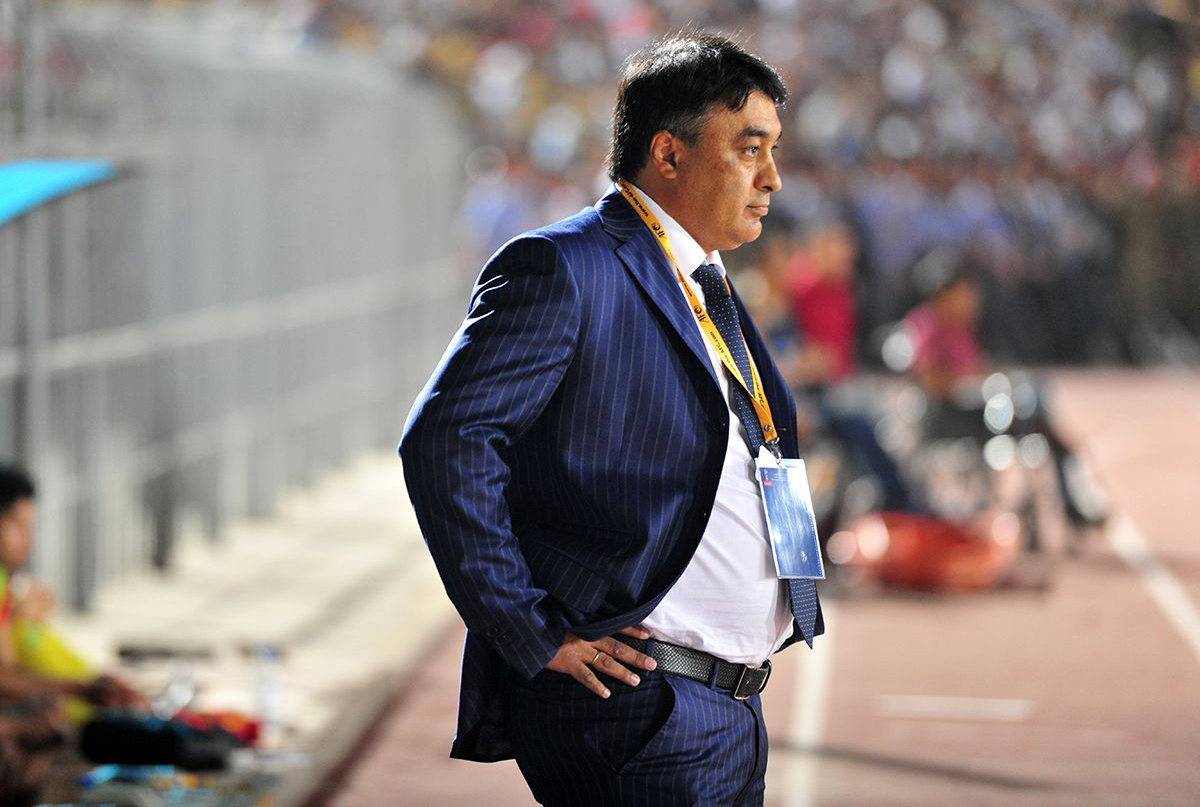
After retiring from playing in 2006, Muhammadiyev transitioned into coaching and football administration. He worked with clubs including Vityaz, Ordabasy, and Bukhara, and served as Sporting Director of Rubin Kazan for four years. In 2013, he took charge of the Tajikistan national team, and in 2022 became vice president of Istiqlol. In 2024, he returned to his home club, Vakhsh, embracing what he saw as a mission — to rebuild the club and restore its competitiveness.

Muhsin’s personal life was equally rich. His wife, Mohira Nasyrova, is the daughter of well-known youth coach Sobirjon Nosirov. The couple met in football circles and married in 1988. They had three daughters.

At home, he was a devoted father who made up stories for his children, loved history and poetry — especially the rubai of Omar Khayyam. His home was always open to friends, and his signature pilaf and omelets became legendary in the family.

The final years of his life were particularly difficult. Immersed in developing Vakhsh, Muhammadiyev gave himself entirely to the job. During a flight to a training camp in Turkiye, he suffered a stroke but continued working. A second, more severe stroke followed, which he kept secret from his family. Despite the efforts of doctors in Turkiye and Russia, the illness proved insurmountable.

Muhsin Muhammadiyev left behind more than just titles and statistics — he left an example. He showed how to live for football, to serve the system without betraying oneself, and how to remain human even in the most difficult times.

It is hard to speak of him in the past tense. He will forever live in the memory and hearts of those who knew him and appreciated his contribution. The Asia-Plus Media Group expresses sincere condolences to his family and loved ones.

Happy New Year, friends!

eng

The Asia-Plus Media Group sincerely congratulates all our readers on the New Year!

May 2026 bring peace, kindness, and prosperity to every home. Let it be a time of new opportunities, confidence in the future, and the fulfillment of cherished wishes.

The past year was full of challenges, changes, and unexpected turns. We are grateful to you for your trust, attention, and active engagement with our media group. It is you who inspire us to move forward, seek out important topics, ask difficult questions, and remain true to the principles of honest, objective, and high-quality journalism.

In the new year, we will continue to be your reliable source of information, share stories that resonate and unite, explore new horizons, and, together with you, build a space for open, respectful dialogue.

Your voice and your opinion are our greatest values!

May the holiday season bring you the warmth of reunions, the joy of being with loved ones, and faith in a better future. We wish you health, harmony, and great personal victories.

Happy New Year 2026, friends!

The horse spirit of Tajikistan: from ancient bloodlines to modern champions

0

As the Year of the Horse approaches — specifically the Red Fire Horse, as it's known in the Chinese calendar — we at the editorial office decided it was time to move beyond symbolism and meet a real horse.

What is the Tajik breed like? And does the legendary “Aspi otashin” — the fiery-red horse dreamt of by romantics — truly exist?


“Horse geography”

We headed to the Dushanbe hippodrome at the Navrouzghoh complex, accompanied by horse expert Mirasil Mirzoyev. Along the way, he spoke of horses as if recounting tales of heroes — tracing bloodlines, treating names with reverence. Many horses he names after figures from the Shahnameh, to ensure that each name carries legacy, not randomness.

The hippodrome welcomed us not with celebration, but with a work rhythm: chill air, the scent of hay, and the deep smell of horses. Walking along the track, city noise faded, replaced by snorts and hooves.

Inside the stable, trainer Sadriddin Sattorov awaited us. He has worked in the field for decades and is closely tied to the “Mir” farm in Khovaling — the heart of this horse story.

At the entrance, a pot boiled with linseed (zaghir), releasing a warm, oily, almost homely aroma. Nearby, a wheelbarrow full of barley stood ready. “We mix it with vegetable oil,” Sadriddin explained. Everything here reminded us of a household — except instead of children’s voices, there were snorts and the soft rustle of straw. It was clear: the horse here is not just a symbol, but a family member.


From Khuttalon horses to a new breed

Feeding here is a science — done by schedule and recipe. “We give them carrots at lunch, and sometimes apples or honey as a treat,” says the trainer. You can tell by his tone: for a racehorse, a treat is more than a snack — it’s a gesture of care and trust. One nearby horse stretches its head forward, almost confirming his words.

Then the conversation shifts naturally to the core subject — the breed.

Mirasil speaks like a scholar you want to quote. The Tajik riding breed is a refined combination of three bloodlines: approximately 20% English, 30% Arabian, and 50% Tajik. “Stamina from the Tajik, beauty from the Arabian, speed from the English,” he explains — a simple formula rich with pride and meaning.

The lineage traces back to Khuttalon horses — native to the mountainous terrain of Tajikistan. The harsh environment demanded a breed that could endure long hours of work, high altitudes, and rugged trails. English horses were not historically used in Tajik breeding, so the current breed is a result of years of selective, intentional work — not random mixing.

At the Khovaling farm, horses live in herds. Selected stallions are brought to the hippodrome for training and care, then returned to the pastures to breed. Mares give birth there. Their offspring are evaluated, and the most promising are brought back to the city. This cycle creates high-bloodline horses — animals with a proven mix of genetics and performance.


Champions in the bloodline: Razgrom and Vodif

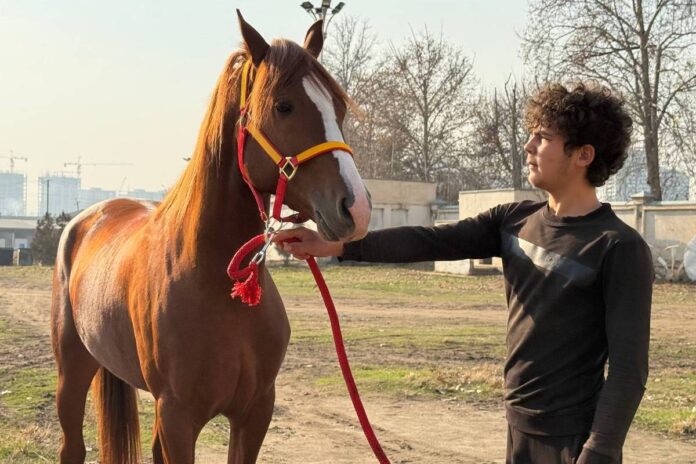
That’s when they introduce us to a champion — a stallion named Razgrom. Calm in the stall, but with an inner force you can feel. “He has won multiple international tournaments. Now, we’re preparing him for stud work,” they tell us. Here, a race win is just the beginning — legacy is what follows.
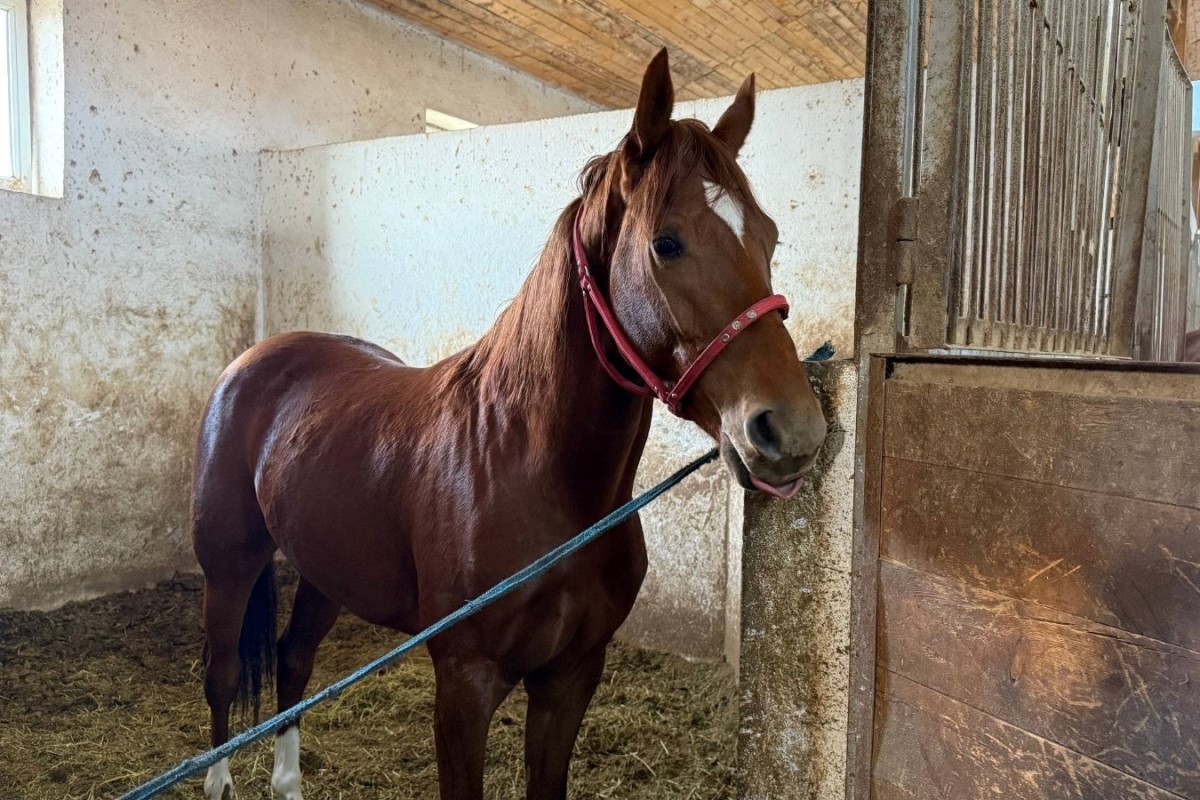
Nearby is a colt named Vodif, the son of another champion, Varf. Vodif will turn three in the spring — the age when serious training begins.

Mirasil smiles: “I often choose names from the Shahnameh. Imported horses keep their original names, but their offspring receive true Tajik names.” And so, heritage lives on — not only in genes, but in words.


Discipline before romance

Trainer Sadriddin brings us back to reality. Poetic as horses may be, a racehorse relies on three non-negotiables:

1.     Cleanliness — of the body, the food, the water, and the environment.

2.     Nutrition — precise and on schedule.

3.     Training — consistent, daily work.

“Break one of these rules, and you won’t get results,” he says, counting them off. There’s no harshness in his tone — only the calm clarity of someone who’s seen too many mistakes made by humans, not horses.

He also points out physical differences: English breeds are usually taller (over 1.60 meters), while Tajik horses are more compact (around 1.50 meters). “That’s nature,” he adds simply. But in the mountains, height means little — endurance and spirit matter more.

Horses start racing at age two. By five or six, many are either sold or transferred to farms for work or traditional sports like buzkashi (goat grabbing). But some — if health and strength allow — keep racing for longer.


Lightweight, heavy responsibility: the jockey’s role

We ask about jockeys, knowing that on the track, horse and rider are one.

Sadriddin speaks from experience: over 43 years in horse training, starting as a child at the hippodrome, and officially a jockey until 1991.
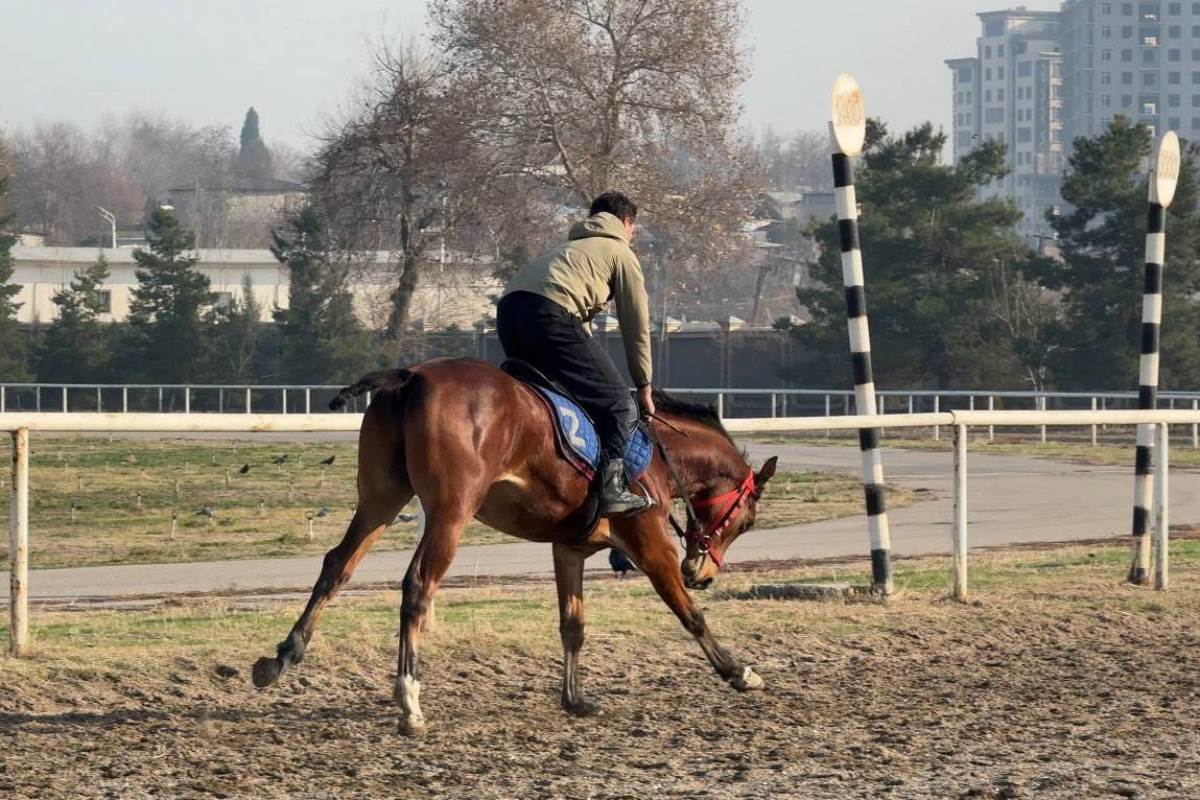
“A jockey should weigh no more than 52 kilograms,” he explains. That’s not just a rule — it’s essential. The rider must lift the horse, not drag it down.

A jockey isn’t just a passenger. It’s someone who feels the horse — its energy, mood, and signals. “Most important thing is to love the horse,” he says without drama. And somehow, that simple truth feels more powerful than any technical advice.


Intelligence and personality in every glance

The moment we stepped into the stable, we could sense the horses’ awareness. “They’re very intelligent and sensitive,” says Mirasil. “When a stranger enters, they get uneasy. They need time to get used to you. But they always recognize their own.”

And indeed — at first, some horses stared cautiously, some snorted, others stepped back. But within minutes, the tension faded. They allowed themselves to be photographed, as if they understood we meant no harm.

“Each one has its own personality,” Mirasil adds. “Some are curious, others shy, a few distant. It’s not just about the breed — much depends on the horse itself.”

They introduce us to a “troublemaker” — a stallion who expresses dissatisfaction in his own way. “If you’re five minutes late with food or water, he starts jumping, and he’s broken the stall more than once,” says Sadriddin with a chuckle.


All the shades of red

The stable is filled with color. We saw turuks, jirans, bay horses — shades and tones that experienced horsemen speak of like a language all its own.
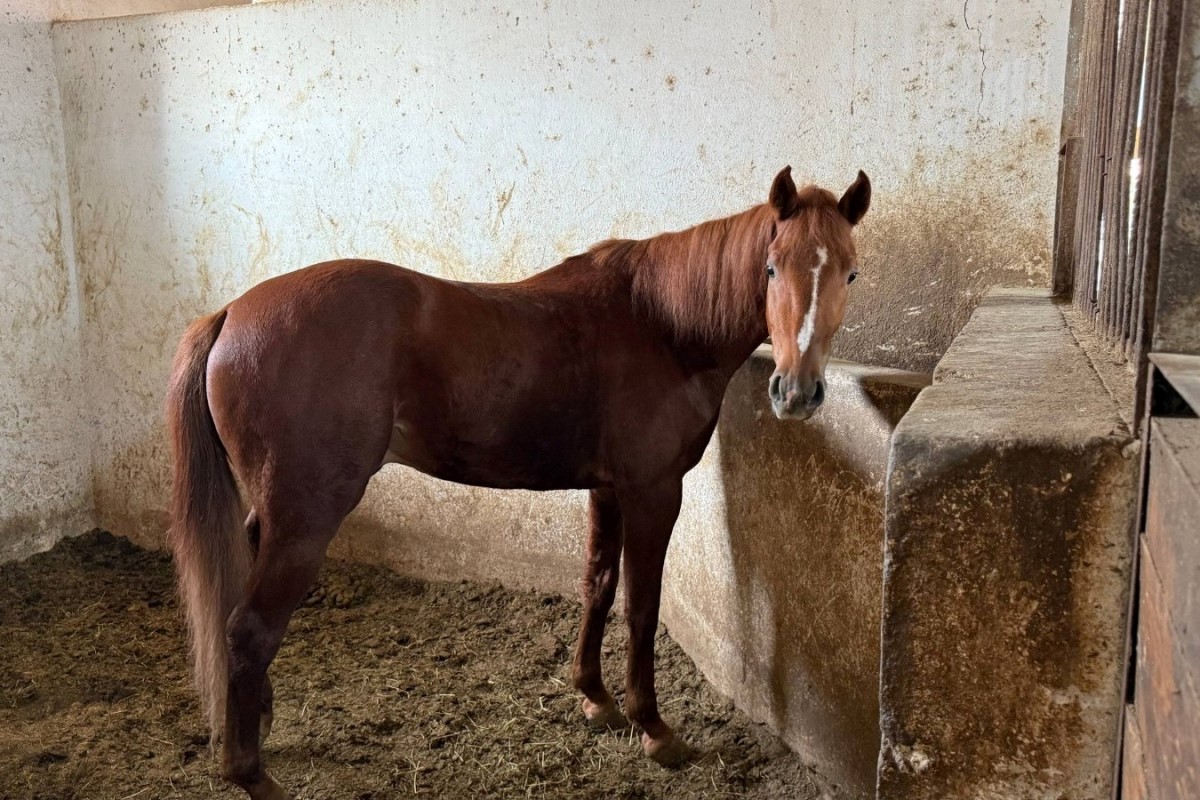
Sadriddin explains it simply: there are four primary coat colors — bay, chestnut, gray, and black. Everything else is a variation. Here, turuks and jirans are most common — various shades of bay and chestnut.

And while color doesn’t define personality, each horse seems to wear its coat like an identity — like a name or a passport. No random hues — everything feels alive, real, and uniquely beautiful.

We came looking for a fiery-red horse — the kind tied to the poetic name Aspi Otashin, the Red Fire Horse. We didn’t find it.

But leaving the stable, we realized: a symbol doesn’t have to be a color. A symbol is what stays with you — the warmth of the zagir cooking, the neat cart of barley, the trainer’s calm hands, and the eyes of the horses — intelligent, diverse, alive.


Year of the Horse: Chinese dates and the Tajik mujal

The year 2026 is the Year of the Horse. But in the Eastern calendar, it begins not on January 1st, but mid-February. According to the Tajik mujal system, the new year starts with Navrouz, on March 21, 2026. Until then, it remains the Year of the Snake.

Tajik mujal (or Munjal, meaning 'annual horoscope') refers to the Tajik system of astrology, a Persian-influenced branch of Vedic astrology focusing on annual predictions using the Solar Return Chart (Varshphal) for yearly insights into career, health, etc., using special techniques like Sahams and unique planet/house genders, unlike standard Vedic astrology's focus on birth charts.   

In "Solnoma" (“Chronicle”) by Hakim Termizi, it is written that the Year of the Horse will bring an abundance of grain, vegetables, and fruits.

These are the hopes with which we welcome the coming year.

 

International education in Central Asia: how UCA opens the door to a global career

0
UCA

Choosing a university is one of the most important decisions for students and their families. Studying abroad can be expensive and uncertain, often involving a major move. But today, students from Tajikistan and neighboring countries can receive an international education without leaving Central Asia.

The University of Central Asia (UCA) is a unique institution located in the heart of the region, nestled among mountains and rich cultural landscapes. UCA is shaping a new generation of professionals equipped to meet the challenges of the 21st century.

Applications now open

Admissions are open for UCA’s undergraduate programs, with the application deadline set for February 14, 2026. 

Prospective students can choose from four undergraduate programs offered at UCA campuses in Khorog (Tajikistan) and Naryn (Kyrgyzstan):

– Communications and Media

– Computer Science

– Global Economics  

– Earth and Environmental Sciences 

All courses are taught in English, giving graduates a clear advantage in global academic and job markets.

Real-world experience from day one

UCA emphasizes career readiness from the start. Through its cooperative education program developed in partnership with the University of Victoria (Canada), over 400 paid internships are provided to students annually, ensuring they apply their knowledge in real-world settings and gain valuable work experience. 

Financially accessible education

UCA offers one of the most generous financial aid support in the region. 99% of students receive scholarships, grants, or student loans, covering not only tuition but also accommodation, meals, health insurance, learning materials, and a laptop.
Admission to UCA is based solely on merit and achievement, regardless of a student’s financial background.

Graduate success in numbers

Since its first graduating class in 2021, UCA has prepared more than 300 young professionals, with impressive outcomes:

66% of graduates secure jobs within months after graduation in global and regional organizations, including Google, Uber, Huawei, Coca-Cola Company, Qatar Airways, UN agencies, AKDN, Helvetas, ACTED, embassies, and more.

24% pursue further studies at top global universities such as Brown University, National University of Singapore, University of Michigan, Boston University, University of Illinois at Chicago, University of Alberta, and others across Europe, North America, and Asia.

Other alumni have launched startups in education, technology, media, and sustainable development — actively contributing to the socio-economic growth of their home countries.

How to apply

Application deadline: February 14, 2026
Apply online at: https://admissions.ucentralasia.org/ 
Individual admissions consultation is available via WhatsApp: +992 93 999 99 64

EcoCars: how a company with Tajik roots became one of China’s first official EV exporters

0

China is a global leader in electric vehicles (EVs), but gaining access to its export market is a complex and highly regulated process. Only a handful of companies manage to obtain the official export license required by the Chinese government.

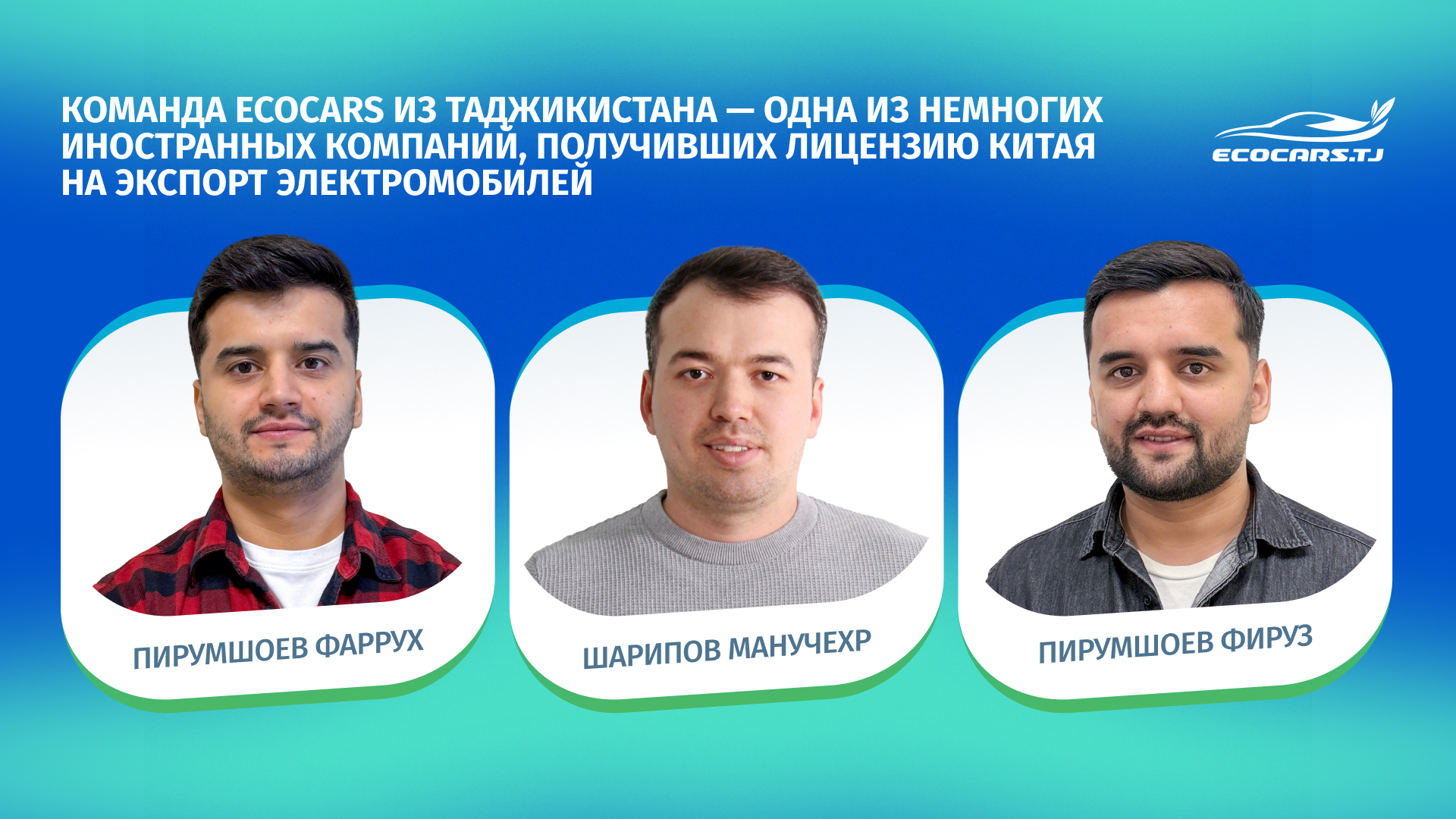
Founded in 2021, EcoCars became one of the first foreign companies to receive China’s official EV export license. Today, it supplies vehicles to over 20 countries, including Russia, Qatar, and the United Arab Emirates.


From vision to business

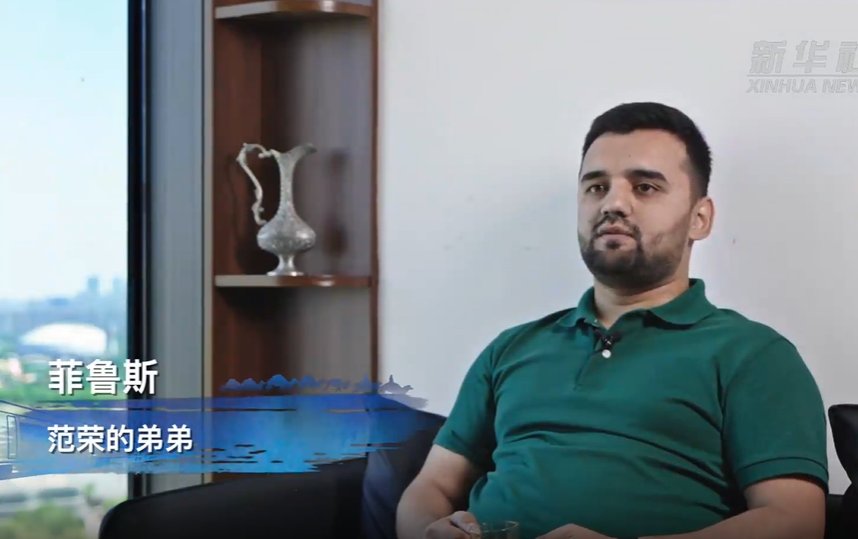
EcoCars was established shortly after the pandemic by three Tajik nationals — Farrukh Pirumshoyev, Firouz Pirumshoyev, and Manouchehr Sharipov. Their professional journey in China began in 2012. Over the years, they witnessed the country's "electric revolution" — from the first electric buses on city streets to the global dominance of Chinese EV brands.

Seeing the rapid evolution of China’s EV infrastructure, they began exploring ways to bring this progress abroad. In 2019, they registered their first company and laid the foundation for EcoCars, which was officially launched as a separate project in 2021.

“Electric vehicles became popular in China not because of trends, but because they’re practical. We realized this experience would be essential in the CIS and beyond,” they explain.


Operating by Chinese rules

After registering in 2021, EcoCars focused on aligning its operations with Chinese regulations. Exporting EVs requires transparent procedures, compliance with strict standards, and continuous interaction with government bodies.

Obtaining the official export license was a pivotal milestone, allowing EcoCars to partner directly with manufacturers and expand its international reach.


Global reach and Tajikistan as a strategic market

Today, EcoCars exports Chinese electric vehicles to more than 20 countries, from the CIS to the Middle East. Shipments vary in size — from small batches to large-scale deliveries — depending on client needs.

Tajikistan holds a special place in the company’s strategy. According to the founders, the country shows significant potential for adopting green technologies. EcoCars aims to play an active role in supporting this transition by offering not just vehicles, but also expertise in infrastructure development.

International Team and Recognition in China

EcoCars employs around 20 staff members, including citizens of both China and Tajikistan. This multicultural team allows the company to navigate the Chinese business landscape effectively while maintaining a strong international perspective.

The company has gained recognition in China, frequently participating in major industry forums. Chinese business media often highlight EcoCars as a success story of how foreign entrepreneurs can operate within a tightly regulated high-tech export sector.


Exporting more than just cars

As the world shifts toward electric mobility, EcoCars has positioned itself as a crucial link between Chinese manufacturers and global markets. The company doesn’t just sell vehicles — it exports technological expertise and quality standards.

Building on international experience and solid partnerships, EcoCars continues to grow as part of the global electric vehicle movement — a bridge between innovation in China and sustainable transport solutions worldwide.