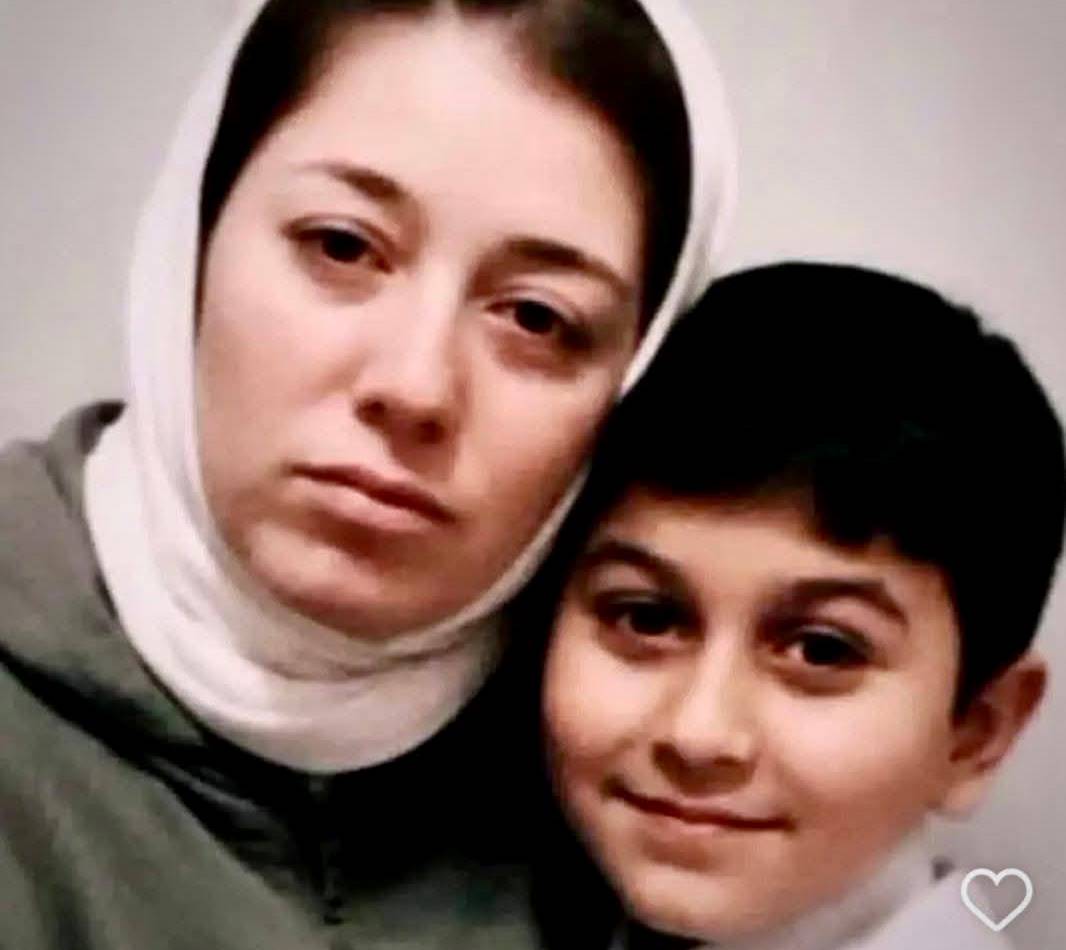
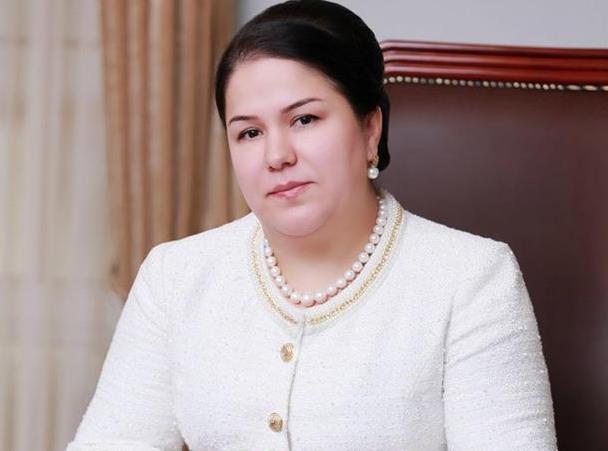
President Emomali Rahmon’s daughter Ozoda Rahmon, who heads President’s Executive Office, has provided financial assistance of 300,000 somonis (approximately $30,000) to Niloufar Safoyeva — the mother of the 10-year-old Qobiljon Aliyev, a Tajik boy who was killed in a school xenophobia-related attack Moscow region, according to the state-run news agency Khovar.
The news agency called the donation, “an act of solidarity, compassion, and affirmation of human values.”
Earlier, the Tajik government gifted Safoyeva a house. A relative of the boy told Asia-Plus that the home was officially provided on behalf of the state.
Additionally, local entrepreneur Umar Alimatov has reportedly pledged to provide Niloufar Safoyeva with a job paying 10,000 somonis per month (around $1,000).
Qobiljon Aliyev was fatally attacked on December 16 at a school in the Moscow region. Russian investigators say the motive was ethnic hatred. The alleged perpetrator, a 15-year-old Russian citizen, has been arrested and placed in pre-trial detention for two months. Russia’s Investigative Committee has opened a criminal case on charges of murder and attempted murder.
Qobiljon was stabbed to death at his school by a 15-year-old neo-Nazi identified as Timofey K on December 16.
Before the bloodshed began, Timofey K. approached a group of children and a teacher at the school and asked about their nationality. He recorded this exchange on his phone and later shared it on Telegram. When a security guard advanced, Timofey K. doused him in pepper spray and stabbed the man before chasing Qobiljon Aliyev up the stairs and fatally wounding him. The attacker, who had barricaded himself in a classroom, was apprehended by law enforcement officers.
The boy’s body was returned to Tajikistan on December 18 and buried the same day in the village of Adjami, Shahrinav district.
Following the attack, the Investigative Committee of the Russian Federation for Moscow Region opened a criminal case under Article 105 (“Murder”), Part 3 of Article 30 (“Preparation for a Crime and Attempted Crime”), and Part 2 of Article 105 of the Russian Criminal Code. An investigation is ongoing.
The Tajik government has publicly demanded an “immediate, objective, and impartial investigation” into the boy’s murder, calling it a crime motivated by national hatred.
The Ministry of Foreign Affairs of Tajikistan called the crime an act of “national hatred” and the Russian Ambassador to Tajikistan, Semyon Grigoriyev, was summoned to the Ministry of Foreign Affairs, where he was handed a note demanding that the Russian side conducts an immediate, objective, and impartial investigation of this tragic incident and bring all those involved to justice to the fullest extent permitted by law.
Tajikistan's Interior Minister, Ramazon Rahimzoda, demanded that Russian authorities thoroughly and impartially investigate the murder and ensure that the guilty parties are justly punished.
Tajikistan's President, Emomali Rahmon, also raised the issue during his meeting with Russian President Vladimir Putin on December 22. Putin called the incident a “terrorist attack” and promised that “those responsible will be punished.”