DUSHANBE, December 3, 2012, Asia-Plus — Global food prices have eased from their July records but remain very high, the World Bank said.
“A new norm of high prices seems to be consolidating,” said Otaviano Canuto, the World Bank”s Vice President for Poverty Reduction was quoted as saying by The Economic Times on November 30.
The World Bank’s quarterly,
Food Price Watch
, released in November 2012 notes that internationally traded food prices remain stable at high levels after the July price hikes marked a new all-time record. International prices of grain have behaved differently during the last three months, with sustained increases in wheat, decreases in maize, and mixed patterns for rice.
The Food Price Index in October is reportedly 5% below its July peak, when in one month international prices soared 10%.
The
Food Price Watch
notes that the prices of all three major food categories have declined between August and October 2012. The prices of fats and oils (a category including soybeans and palm oil) dropped 8%, while grains went down 2% and other foods (which include sugar and meat) ticked down 1%. Only the price of wheat reportedly increased, up 3% between August and October.
“Increasing concerns on wheat production maintained its firm international prices, which were on the rise in the last quarter. Continued dry conditions have caused production declines in the three largest Black Sea exporters—Kazakhstan, Ukraine, and the Russian Federation—as well as in Australia and the EU. The global 2012/13 production forecast predicts a more than 5% drop with respect to the record crop of 2011/12. The global wheat stock-to-use ratio remains at what some consider a “relatively comfortable level” of 26% following the 2011 record crop, although not far from the 22% low registered in 2007/8.”
In Tajikistan, wheat and wheat flour prices are expected to continue to increase, due to high prices in Kazakhstan and as demand increases as households deplete their own stocks and revert to market purchases to reconstitute their stocks, a monthly report for November 2012,
Monitoring or Early Warning in Tajikistan
, said.
The report notes that wheat flour prices continued to increase countrywide in September, reflecting high international prices, particularly in Kazakhstan and high transportation cost. Despite the government’s subsidized sales, on average, the price of first-grade wheat flour rose five percent in September. On average, the prices of locally-produced, second-grade wheat flour rose 6 percent and wheat grain prices rose 4 percent. Despite these increases, on average, wheat prices in last September were four to seven percent lower than 2011.
Compared to September wheat prices are continuing to rise in markets countrywide, including Dushanbe, Khujand and Qurghon Teppa, the report noted.
From early June to late October, wheat prices reportedly rose 33 percent in Dushanbe, 35 percent in Qurghon Teppa and 72 percent in Khujand.
In October, wheat flour prices increased sharply in Gharm (eastern Tajikistan) and Khorog, the capital of the Gorno-Badakhshan Autonomous Region (GBAO), compared to prices in September and are now at the highest levels in recent history. Current price for one kilogram of 1st grade wheat flour in these areas is 3.60 somoni.
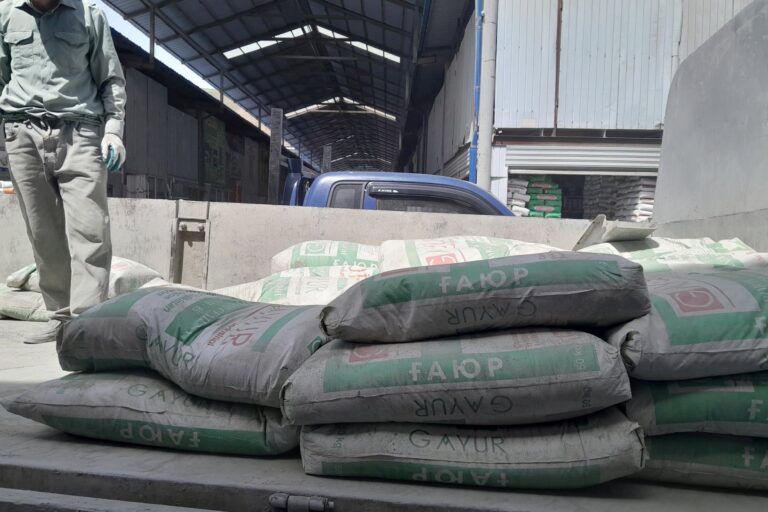
Meanwhile, according to the data of the Agency for Statistics under the President of Tajikistan, Tajikistan has imported some 290,000 tons of wheat flour and more than 600,000 tons of wheat over the first ten months of this year. In October, Tajikistan imported more than 38,000 tons of wheat flour and 86,000 tons of wheat.
Kazakhstan now accounts for more than 90 percent of Tajikistan’s wheat and flour imports.
Tajikistan’s annual requirements in cereals are now 1.5 million tons.