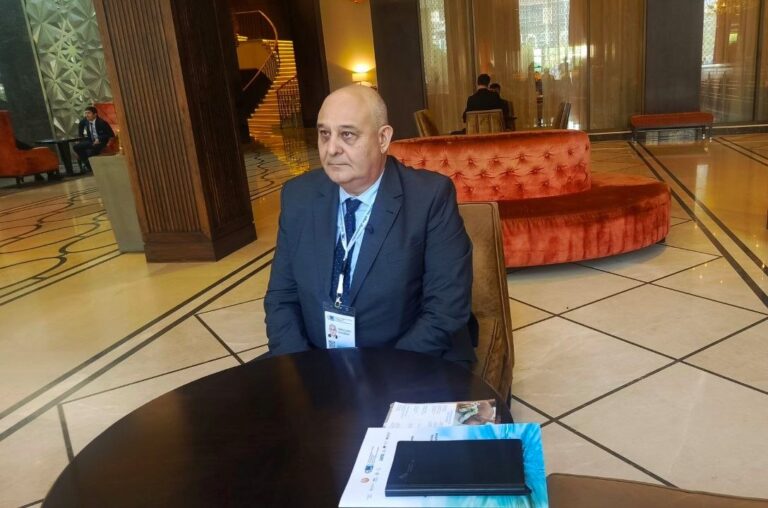
DUSHANBE, March 15, 2014, Asia-Plus – Director of the Drug Control Agency under the President of Tajikistan (DCA), Rustam Nazarov, and Tajikistan’s Ambassador to Austria Ismatullo Nasreddinov have attended the 57th session of the UN Commission on Narcotic Drugs (CND) in Vienna, according to the DCA press center.
In a report released at the session, Tajik drug control chief noted on March 14 that Tajikistan has supported and will continue supporting any constructive initiatives aimed at countering drug trafficking and drug addiction.
Nazarov noted that Tajikistan had endorsed the national strategy to combat drug trafficking in Tajikistan for 2013-2020.
He reportedly said that a special attention had been given to strengthening of the Tajik-Afghan border management.
More than 40 new border units and frontier posts have been constructed and more than 90 border facilities have been rehabilitated within the framework of the national border management development program designed for 2005-2014 with support from donor partners, Tajik drug control chief noted.
Meanwhile UNODC reports that the High-Level segment of the CND 57th session started at the UN headquarters in Vienna on March 13 with the participation of delegates representing Member States, the civil society, and other stakeholders.
Member nations reportedly recognized the importance of the three main conventions dealing with the use and trafficking of drugs in a Political Declaration and Plan of Action on International Cooperation in 2009. This CND session is reviewing the implementation made so far of both instruments, with the continued aim of applying an integrated and balanced strategy to counter the world drug problem.
According to UNODC, the meetings and events will continue next week (March 17-21), where a number of issues will be discussed. Among these are addressing the use of drugs through a health-based approach, regional efforts to reduce the supply of illegal drugs, the implementation of the international drug control treaties, the challenge posed by new psychoactive substances, and many others.
Established by the United Nations Economic and Social Council (ECOSOC) in 1946, the Commission on Narcotic Drugs is one of the functional commissions of the ECOSOC and is the central drug policy-making body within the United Nations system. The Commission has important functions under the drug control treaties in force today; most notably, it can amend the Schedules of controlled substances under the Single Convention on Narcotic Drugs and the Convention on Psychotropic Substances.
The Commission consists of 53 states, serving 4-year terms, with the following distribution of seats among regions: eleven for African states; eleven for Asian states; ten for Latin American and Caribbean states; seven for Eastern European states; fourteen for Western European and other states; one seat to rotate between the Asian, and the Latin American and Caribbean States every four years.