Tajik diplomats make every effort to free Tajik female doctor abducted in Yemen

DUSHANBE, November 4, 2014, Asia-Plus – Tajik Embassy in Riyadh (Saud Arabia) is making every effort to free a Tajik female doctor, Gulrukhsor Rofiyeva, who was abducted by unknown people in central Yemen on October 29, Vafo Niyatbekov, the deputy head of the Tajik MFA information department, told Asia-Plus in an interview. According to him, […]

DUSHANBE, November 4, 2014, Asia-Plus – Tajik Embassy in Riyadh (Saud Arabia) is making every effort to free a Tajik female doctor, Gulrukhsor Rofiyeva, who was abducted by unknown people in central Yemen on October 29, Vafo Niyatbekov, the deputy head of the Tajik MFA information department, told Asia-Plus in an interview.

According to him, Tajik Embassy in Riyadh is currently on contact Yemeni law enforcement authorities and Russian medical company Zdrafexport, for which Gulrukhsor Rofiyeva works in the of Marib, central Yemen.

“Nobody has claimed responsibility for Gulrukhsor Rofiyeva’s disappearance so far,” Niyatbekov said Tuesday afternoon.

Gulrukhsor Rofiyeva’s relatives say she disappeared in the morning of October 29 on the way to work.  Gulrukhsor Rofiyeva, 36, was supposed to return to Tajikistan on November 13.

We will recall that Radio Liberty’s Tajik Service reported on October 30 that Tajik doctor has gone missing in central Yemen, and local media reports say she may have been abducted by tribal militants.

Abductions are common in Yemen, where hostages often are used by disgruntled tribesmen to press demands on authorities but Zdravexport employee Anvar Shamsiddinov told Radio Liberty that it is against local culture and traditions to abduct a female.

He expressed hope that Rofiyeva was taken to a remote settlement to provide medical assistance.

In 2011, doctors from Tajikistan and Uzbekistan were abducted by tribal militants in central Yemen to protest air strikes against Al Qaeda militants.
Join us on social media!

Article translations:

Related Article

Оби зулол
Tenisi
Оби зулол

Most Read

Коммерсбонк Точикистон

Recent Articles

President of Tajikistan instructed to develop measures for stabilizing the cement market within a week

Despite the increase in the production of this building material in the country, the domestic market faced a shortage, supply disruptions, and a sharp rise in the price of the building material.

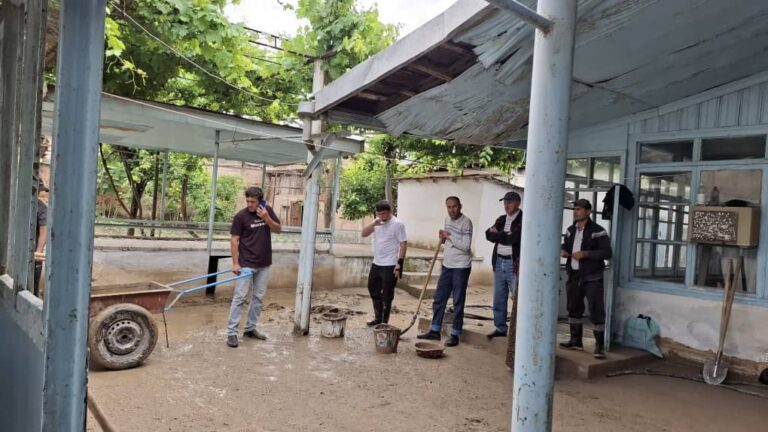
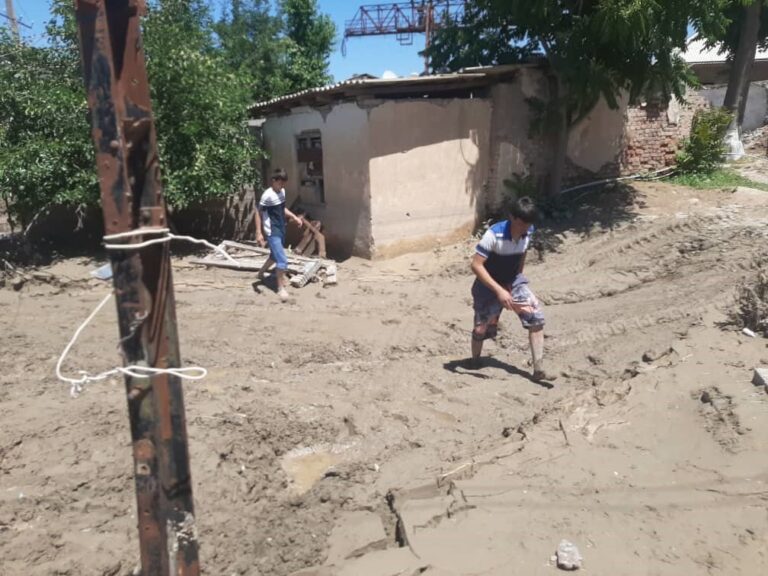
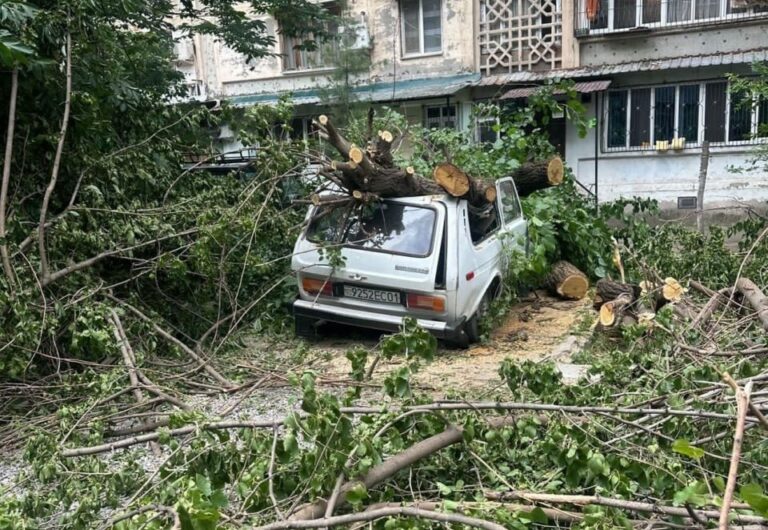
Gusty winds and mudslides damage houses, roads, and cars in Dushanbe and some other regions

At least 9 vehicles were damaged, including three in Dushanbe and six in Vahdat.

The US struck military facilities in Iran. Trump expressed dissatisfaction with Tehran’s proposals and threatened Oman.

Earlier, Iran's state TV reported receiving a draft unofficial framework agreement between Tehran and Washington to settle the conflict.

How much did Tajikistan’s budget earn from the “Google tax”?

The law is already 5 years old, but the Tax Committee provided data only for the last 2 years.

The bilateral trade between Tajikistan and Iran increased by 8% in Q1 2026

Another meeting of the joint intergovernmental commission of the two countries took place in Dushanbe.

Russia and Taliban government sign military-technical cooperation agreement

The document may open up opportunities for the exchange of weapons, military technologies, and other types of defense cooperation.

“Hit with fists on the lower back and abdomen.” A teacher from Nurobod, claiming he was beaten by a student’s brother, details the attack

According to him, he is being threatened with murder, and law enforcement agencies have not yet detained the attacker.

International internet starts coming back in Iran after long shutdown 

Western media reports says Iranians ​isolated by a long...

Tajikistan listed among countries with low generative AI usage

Among the Central Asian countries, Kazakhstan has the highest rate.

Prices in Tajikistan rise almost 2% in January-April: apples, fuel, and utilities become particularly more expensive

In April, inflation was 0.6%: food products became more expensive, non-food products increased in price comparatively less, and tariffs for paid services remained unchanged.