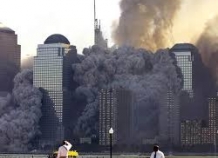
DUSHANBE, May 18, 2016, Asia-Plus – The U.S. Senate on Tuesday unanimously passed a bill that would let the families of those killed in the Sept. 11 attacks sue Saudi Arabia for any role in the terrorist plot.
According to The New York Times, the bill brings Congress closer to a showdown with the White House, which has threatened to veto the legislation.
The Senate’s passage of the bill, which will now be taken up in the House of Representatives, is reportedly another sign of escalating tensions in a relationship between the United States and Saudi Arabia that once received little scrutiny from lawmakers.
The New York Times reports that administration officials have lobbied against the bill, a view that the White House spokesman Josh Earnest reiterated after the vote. And the Saudi government has warned that if the legislation passes, it might begin selling off up to $750 billion in Treasury securities and other assets in the United States before they face a danger of being frozen by American courts. Adel al-Jubeir, the Saudi foreign minister, delivered the warning to lawmakers and the administration while in Washington in March.
Many economists are reportedly skeptical that the Saudis would deliver on such a warning, saying that a sell-off would be hard to execute and would do more harm to the kingdom’s economy than to America’s.
Questions about the role Saudi officials might have played in the Sept. 11 plot have lingered for more than a decade, and families of the victims have used various lawsuits to try to hold members of the Saudi royal family and charities liable for what they allege is financial support of terrorism.
But these moves have been mostly blocked, in part because of a 1976 law that gives foreign nations some immunity from lawsuits in American courts.
The Senate bill carves out an exception to the law if foreign countries are found culpable for terrorist attacks that kill American citizens within the United States.
Reuters reports that if the “Justice Against Sponsors of Terrorism Act,” or JASTA, became law, it would remove the sovereign immunity, preventing lawsuits against governments, for countries found to be involved in terrorist attacks on U.S. soil. It would allow survivors of the attacks, and relatives of those killed in the attacks, to seek damages from other countries.
In this case, it would allow lawsuits to proceed in federal court in New York as lawyers try to prove that the Saudis were involved in the attacks on the World Trade Center and Pentagon.
Financial Times reports that Saudi Arabia has been heavily critical of the Obama administration over its diplomatic outreach to Iran that led to last year’s nuclear deal and has pushed the US to get more involved in the conflict in Syria.
Families of 9/11 victims have reportedly stepped up calls in recent months for the Obama administration to publish the 28-pages of the report by the 9/11 Commission which are still classified.
According to CNN, last week a former Republican member of the commission said that he believed there was clear evidence that Saudi government employees provided support to the 9/11 hijackers when they were in the US.
John Lehman, a former Navy secretary in the Reagan administration, said that he agreed with the report’s conclusion that there was no evidence that the “Saudi government as an institution” or senior officials were involved in the attacks, but he told CNN that the evidence about the role of some lower-level officials needed to be “vigorously pursued.”