
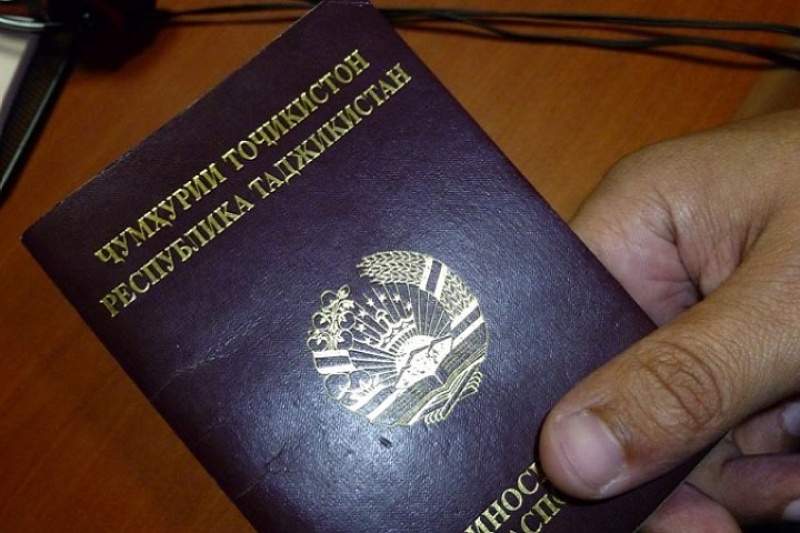
Tajikistan’s lower house (Majlisi Namoyandagon) of parliament has endorsed amendments proposed to the country’s laws on the Constitutional Court of Tajikistan and the Accounting Chamber of Tajikistan.
A regular sitting of the Majlisi Namoyandagon, presided over by its head, Shukurjon Zuhurov, was held on April 5.
Presenting to lawmakers amendments proposed to the law on the Constitutional Court, Bakhtovar Safarzoda, the member of the Majlisi Namoyandagon Committee on the Constitutional Legality, Legislation and Human Rights, noted that the amendment stipulate that a judge at the Constitutional Court will be recalled if he/she accepts citizenship of another country.
Similar amendments are also proposed to the law on the Accounting Chamber of Tajikistan. Henceforth, only citizens of Tajikistan will have the right to hold posts of head, its deputies, chief auditors and head of the Accounting Chamber’s office.
Recall, Tajik lawmakers November 2, 2016 approved amendments to the law that ban individuals with dual citizenship from serving in the country’s security services.
Presenting to lawmakers the amendments that would ban individuals with dual citizenship from serving in the country’s security services, the first deputy head of the State Committee for National Security (SCNS), Mansourjon Umarov, said the goal of the amendments was to protect national interests and prevent classified information from being leaked.
Besides, individuals serving in the security services should be knowledgeable of the Tajik (state) language, Umarov added.
The Majlisi Namoyandagon on November 2 also approved amendments proposed to the country’s law on public service. They, in particular, ban dual citizenship for Tajik public servants.
It is to be noted that Tajikistan has an agreement on dual citizenship only with the Russian Federation.
Under Tajikistan’s legislation, the public service system includes public civil service, public military service, and law enforcement public service.
The public service law reportedly applies to political and administrative public servants.