UN children’s agency warns that seventeen million babies under the age of one are breathing toxic air, putting their brain development at risk.
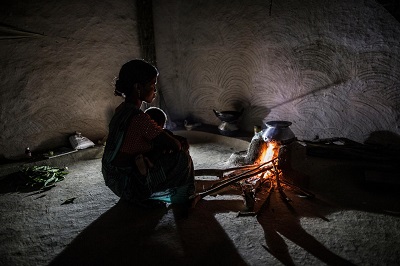
According to a new UNICEF paper released on December 6, more than three-quarters of these young children – 12 million – live in South Asia.
Satellite imagery reportedly reveals that South Asia has the largest proportion of babies living in the worst-affected areas, with 12.2 million babies residing where outdoor air pollution exceeds six times international limits set by the World Health Organization (WHO). The East Asia and Pacific region is home to some 4.3 million babies living in areas that exceed six times the limit.
The paper shows that air pollution, like inadequate nutrition and stimulation, and exposure to violence during the critical first 1,000 days of life, can impact children’s early childhood development by affecting their growing brains.
UNICEF said breathing particulate air pollution could damage brain tissue and undermine cognitive development.
Its report said there was a link to “verbal and non-verbal IQ and memory, reduced test scores, grade point averages among schoolchildren, as well as other neurological behavioral problems.”
The effects lasted a lifetime, it said.
Meanwhile the BBC reports that a separate study by scientists at hospitals in London found that the British city's polluted air was leading to lower birth weights, linked to higher infant mortality and disease later in life.