Babies’ brains damaged by pollution, says UNICEF report

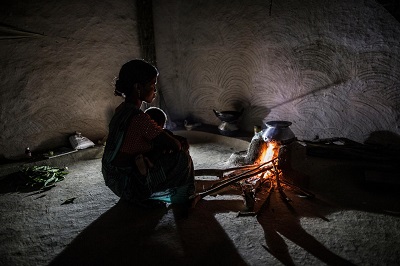
UN children’s agency warns that seventeen million babies under the age of one are breathing toxic air, putting their brain development at risk. According to a new UNICEF paper released on December 6, more than three-quarters of these young children – 12 million – live in South Asia. Satellite imagery reportedly reveals that South Asia […]

Asia-Plus

UN children’s agency warns that seventeen million babies under the age of one are breathing toxic air, putting their brain development at risk.

According to a new UNICEF paper released on December 6, more than three-quarters of these young children – 12 million – live in South Asia.

Satellite imagery reportedly reveals that South Asia has the largest proportion of babies living in the worst-affected areas, with 12.2 million babies residing where outdoor air pollution exceeds six times international limits set by the World Health Organization (WHO). The East Asia and Pacific region is home to some 4.3 million babies living in areas that exceed six times the limit.

The paper shows that air pollution, like inadequate nutrition and stimulation, and exposure to violence during the critical first 1,000 days of life, can impact children’s early childhood development by affecting their growing brains.  

UNICEF said breathing particulate air pollution could damage brain tissue and undermine cognitive development.

Its report said there was a link to “verbal and non-verbal IQ and memory, reduced test scores, grade point averages among schoolchildren, as well as other neurological behavioral problems.”

The effects lasted a lifetime, it said.

Meanwhile the BBC reports that a separate study by scientists at hospitals in London found that the British city's polluted air was leading to lower birth weights, linked to higher infant mortality and disease later in life.
Join us on social media!

Article translations:

Related Article

Оби зулол
Оби зулол

Most Read

Recent Articles

The only GPW veteran in Dushanbe allocated more than 80,000 somoni

The mayor's office of Dushanbe allocated him 25,000 somoni.

GITEX AI Kazakhstan 2026: how Almaty became the main AI hub of Central Asia

More than 300 companies and startups, over 200 speakers and 100 investors from 50 countries — the region is entering the global stage.

A trade and economic park to be built at the border junction of Tajikistan, Kyrgyzstan, and Uzbekistan

President of the Kyrgyz Republic Sadyr Japarov familiarized himself with the project.

A project to protect soil from degradation to be developed in Central Asia

The initiative is of great significance for the mountainous countries of the region, including Tajikistan.

Mudslide, death, and destroyed homes: hundreds of families in Tajikistan left homeless

A correspondent from "Asia-Plus" visited Kulob and spoke with the families of those who died and were affected by the disaster.

Spring 2026 bright event: new issue of VIPzone now on sale

This issue is about people and ideas that change everything: from business and investments to fashion, food, and urban environment.

Godfrey Sullivan: “Tajikistan is a promising market for Visa to develop digital payments”

The Vice President of Visa explained why Tajikistan is becoming a promising market for digital payments and how artificial intelligence is influencing the future of finance.

Seven students in Dushanbe were threatened with expulsion for arriving at universities in personal cars

The materials for each case have been sent to the Ministry of Education and Science for appropriate actions.

India’s blockchain push and lessons for the global south

The Indian Government has started pushing aggressively its agenda...

India’s blockchain push and lessons for the global south

The Indian Government has started pushing aggressively its agenda...