
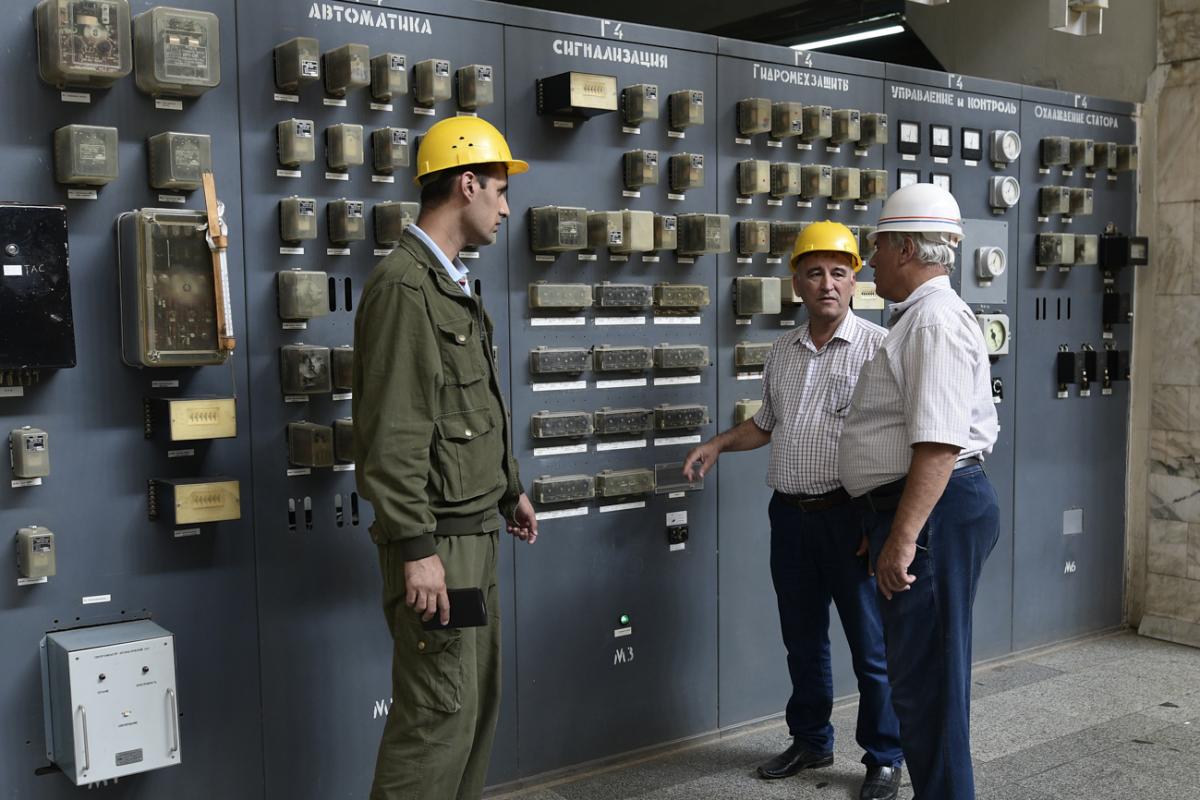
An article “Nurek: Tajikistan’s Aging King of Dams” posted on the EurasiaNet.org website on June 25 notes that until the gigantic Roghun dam is completed, the Nurek hydroelectric power plant (HPP) will remain the largest power-producing facility of its type in the entire region.
Nurek only lost its status as the world tallest dam — at 300 meters — in 2013, when China inaugurated its Jinping-I Dam, which is but a handful of meters higher.
The 3,000-megawatt plant lies along the lower end of the Vakhsh River, which in turn feeds the more famous Amu-Darya.
Roghun Dam, which is under construction further upstream along the Vakhsh, will, if all goes to plan, soar to a height of 335 meters.
Construction of Nurek began in the early 1960s and took decades to complete. The first turbine went online in 1972. It was as late as 1988 that the plant reached peak output levels.
Any sudden and irreparable malfunctions at Nurek would be catastrophic. The plant meets around 70 percent of Tajikistan’s electricity needs.
There was a small forewarning of what that eventuality could entail in late October 2016, when a temporary technical fault unplugged massive swathes of the country for around three hours. The sudden shortage of electricity in turn caused a halt of numerous alumina smelters at the TALCO aluminum plant, the country’s largest non-hydropower-related industrial concern. Damage caused to the aluminum plant caused a considerable falloff in productivity.
Tajik authorities have accordingly been warning that they need large amounts of money to modernize the plant. Figures of up to $600 million have been floated as a budget for such an undertaking, although it is far from evident that any international financial institutions are either willing or capable to provide such sums, according to EurasiaNet.org.
The Nurek HPP, with an installed capacity in excess of 3,000 megawatts, is the key asset of Tajikistan’s energy system. Its rehabilitation is central to the Government’s efforts to provide reliable electricity supply, especially during the winter months. The power plant, which generates about 70 percent of total annual energy demand, suffers from dilapidated equipment and infrastructure. The facility did not go through major rehabilitation since it was commissioned in 1972; it is currently only 77 percent operational.