US government provides $2 million to address the needs of Central Asian migrants during COVID-19 pandemic

The U.S. Government through the U.S. Agency for International Development (USAID) has committed 2 million U.S. dollars to protect migrants in Central Asia during the COVID-19 pandemic. This support will be delivered through the ongoing USAID-funded Safe Migration in Central Asia project, implemented by Winrock International, according to US Embassy and Consulate in Kazakhstan.   The […]

Asia-Plus

The U.S. Government through the U.S. Agency for International Development (USAID) has committed 2 million U.S. dollars to protect migrants in Central Asia during the COVID-19 pandemic.

This support will be delivered through the ongoing USAID-funded Safe Migration in Central Asia project, implemented by Winrock International, according to US Embassy and Consulate in Kazakhstan.  

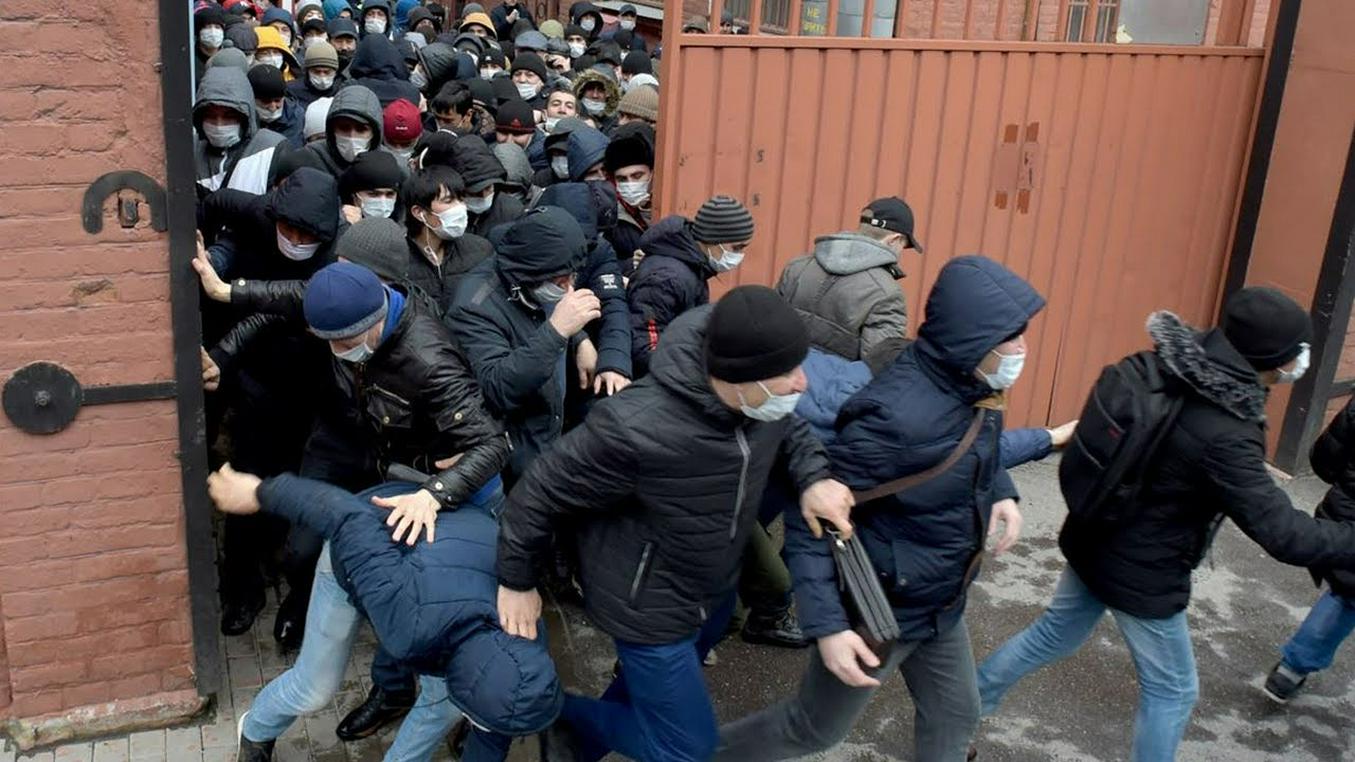
The COVID-19 pandemic has created a humanitarian and financial crisis for millions of migrants in Central Asia, many of whom have been stranded in transit and destination countries across Central Asia.

The loss of jobs and remittances has left families without adequate resources and legal protections.

Migrants also lack information about how to protect themselves from the virus, as well as the resources to do so.

Through the Safe Migration in Central Asia project, USAID will deliver much-needed assistance including informational resources; referrals to essential services; alternative livelihoods support; and skills training to help migrants navigate the difficult situation they are facing.  The project will also ensure that migrants’ rights are protected through access to legal and psychological support.

The Safe Migration in Central Asia project supports five Central Asian republics with evidence-based practices and cross-border connections to strengthen the mutual accountability and effectiveness of governments, NGOs, and the private sector to prevent trafficking-in-persons (TIP), protect survivors, and promote safe migration.

USAID is working to better understand the unique challenges experienced by migrants and their families throughout Asia, which have been exacerbated during the ongoing COVID-19 pandemic. Migrants can be negatively impacted by policies meant to protect the general population, experience limited access to systems of support, and may have to rely on dwindling natural resources for survival. As in Central Asia, investments are being made across the region to decrease vulnerabilities and strengthen systems for all.

USAID is the world’s premier international development agency and a catalytic actor driving development results. USAID’s work advances U.S. national security and economic prosperity, demonstrates American generosity, and promotes a path to recipient self-reliance and resilience. 
Join us on social media!

Article translations:

Related Article

Оби зулол
Оби зулол

Most Read

Recent Articles

The only GPW veteran in Dushanbe allocated more than 80,000 somoni

The mayor's office of Dushanbe allocated him 25,000 somoni.

GITEX AI Kazakhstan 2026: how Almaty became the main AI hub of Central Asia

More than 300 companies and startups, over 200 speakers and 100 investors from 50 countries — the region is entering the global stage.

A trade and economic park to be built at the border junction of Tajikistan, Kyrgyzstan, and Uzbekistan

President of the Kyrgyz Republic Sadyr Japarov familiarized himself with the project.

A project to protect soil from degradation to be developed in Central Asia

The initiative is of great significance for the mountainous countries of the region, including Tajikistan.

Mudslide, death, and destroyed homes: hundreds of families in Tajikistan left homeless

A correspondent from "Asia-Plus" visited Kulob and spoke with the families of those who died and were affected by the disaster.

Spring 2026 bright event: new issue of VIPzone now on sale

This issue is about people and ideas that change everything: from business and investments to fashion, food, and urban environment.

Godfrey Sullivan: “Tajikistan is a promising market for Visa to develop digital payments”

The Vice President of Visa explained why Tajikistan is becoming a promising market for digital payments and how artificial intelligence is influencing the future of finance.

Seven students in Dushanbe were threatened with expulsion for arriving at universities in personal cars

The materials for each case have been sent to the Ministry of Education and Science for appropriate actions.

India’s blockchain push and lessons for the global south

The Indian Government has started pushing aggressively its agenda...

India’s blockchain push and lessons for the global south

The Indian Government has started pushing aggressively its agenda...