WFP supports Tajik households affected by mudflow with emergency food assistance

The United Nations World Food Programme (WFP) has provided food assistance to around 300 households affected by a mudflow in the Khuroson district, Khatlon province.  According to WFP Tajikistan Country Office in Dushanbe, approximately 9,500 residents from N. Asadullo, 18th Anjumani Hizb, Khuroson and Pakhtaobod villages were severely impacted by a devastating mudflow following heavy […]

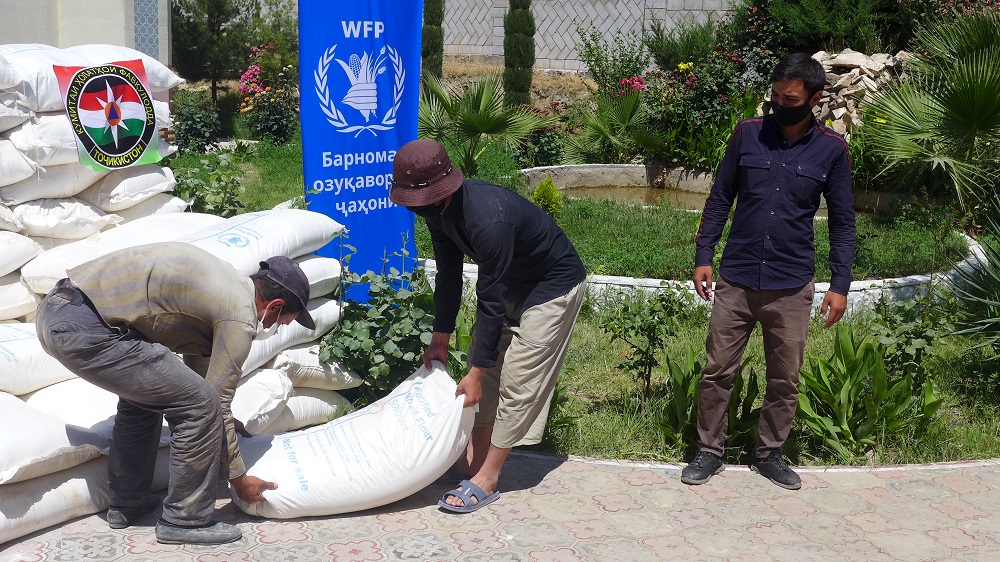
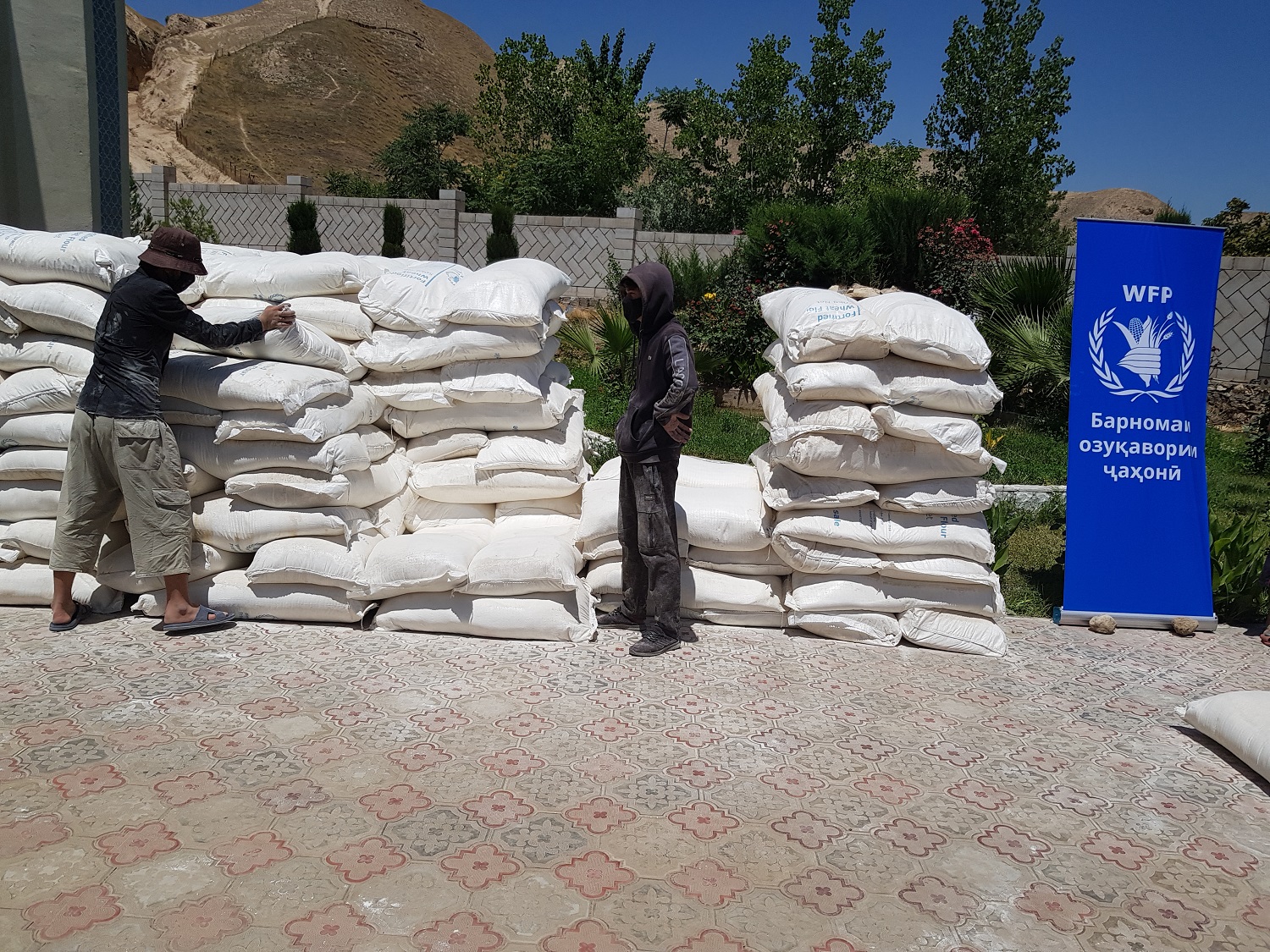
The United Nations World Food Programme (WFP) has provided food assistance to around 300 households affected by a mudflow in the Khuroson district, Khatlon province. 

According to WFP Tajikistan Country Office in Dushanbe, approximately 9,500 residents from N. Asadullo, 18th Anjumani Hizb, Khuroson and Pakhtaobod villages were severely impacted by a devastating mudflow following heavy rainfall between May 14 and May 16, 2020, with more than 300 homes damaged or destroyed.

WFP’s emergency relief assistance reportedly consists of around 15 metric tons of fortified wheat flour and was provided following the request from the Emergencies Committee under the Government of Tajikistan to support affected households.
“We are extremely grateful for this generous and consistent support. Our strong working relationship with WFP in relation with preparing for and responding to emergencies helps people in need throughout Tajikistan,” said the Emergencies Committee chief Rustam Nazarzoda.

WFP actively supports the Tajik government in enhancing the capacity of the Rapid Emergency Assessment and Coordination Team (REACT) and the National Platform for Disaster Risk Reduction. WFP also maintains contingency food stocks in-country to ensure rapid food assistance in case of emergencies.

WFP has been working in Tajikistan since 1993 and is among the first organizations to respond to humanitarian emergencies in cooperation with the Emergencies Committee, the national institution responsible for population protection and civil defense in emergencies.

Over the past four years, WFP has provided technical assistance, equipment, storage capacity and extensive training to the Emergencies Committee staff at national and regional levels. Furthermore, WFP has conducted public awareness campaigns to build disaster-resilient communities and promote the role of the Emergencies Committee. 

The United Nations World Food Programme is the world’s largest humanitarian organization, saving lives in emergencies, building prosperity and supporting a sustainable future for people recovering from conflict, disasters and the impact of climate change.


Join us on social media!

Article translations:

Related Article

Оби зулол
Оби зулол
Tenisi

Most Read

Коммерсбонк Точикистон

Recent Articles

The US struck military facilities in Iran. Trump expressed dissatisfaction with Tehran’s proposals and threatened Oman.

Earlier, Iran's state TV reported receiving a draft unofficial framework agreement between Tehran and Washington to settle the conflict.

How much did Tajikistan’s budget earn from the “Google tax”?

The law is already 5 years old, but the Tax Committee provided data only for the last 2 years.

The bilateral trade between Tajikistan and Iran increased by 8% in Q1 2026

Another meeting of the joint intergovernmental commission of the two countries took place in Dushanbe.

Russia and Taliban government sign military-technical cooperation agreement

The document may open up opportunities for the exchange of weapons, military technologies, and other types of defense cooperation.

“Hit with fists on the lower back and abdomen.” A teacher from Nurobod, claiming he was beaten by a student’s brother, details the attack

According to him, he is being threatened with murder, and law enforcement agencies have not yet detained the attacker.

International internet starts coming back in Iran after long shutdown 

Western media reports says Iranians ​isolated by a long...

Tajikistan listed among countries with low generative AI usage

Among the Central Asian countries, Kazakhstan has the highest rate.

Prices in Tajikistan rise almost 2% in January-April: apples, fuel, and utilities become particularly more expensive

In April, inflation was 0.6%: food products became more expensive, non-food products increased in price comparatively less, and tariffs for paid services remained unchanged.

Drought in Central Asia becoming a chronic threat, IWMI expert warns

The temperature in the region is rising faster than the global average.

Emomali Rahmon congratulates Tajikistanis on Eid al-Adha and calls for thrift

The President reminded that Idi Qurbon is not a wedding but a religious ceremony that should take place without ostentatious luxury.