US government provides $2 million to address the needs of Central Asian migrants during COVID-19 pandemic

The U.S. Government through the U.S. Agency for International Development (USAID) has committed 2 million U.S. dollars to protect migrants in Central Asia during the COVID-19 pandemic. This support will be delivered through the ongoing USAID-funded Safe Migration in Central Asia project, implemented by Winrock International, according to US Embassy and Consulate in Kazakhstan.   The […]

The U.S. Government through the U.S. Agency for International Development (USAID) has committed 2 million U.S. dollars to protect migrants in Central Asia during the COVID-19 pandemic.

This support will be delivered through the ongoing USAID-funded Safe Migration in Central Asia project, implemented by Winrock International, according to US Embassy and Consulate in Kazakhstan.  

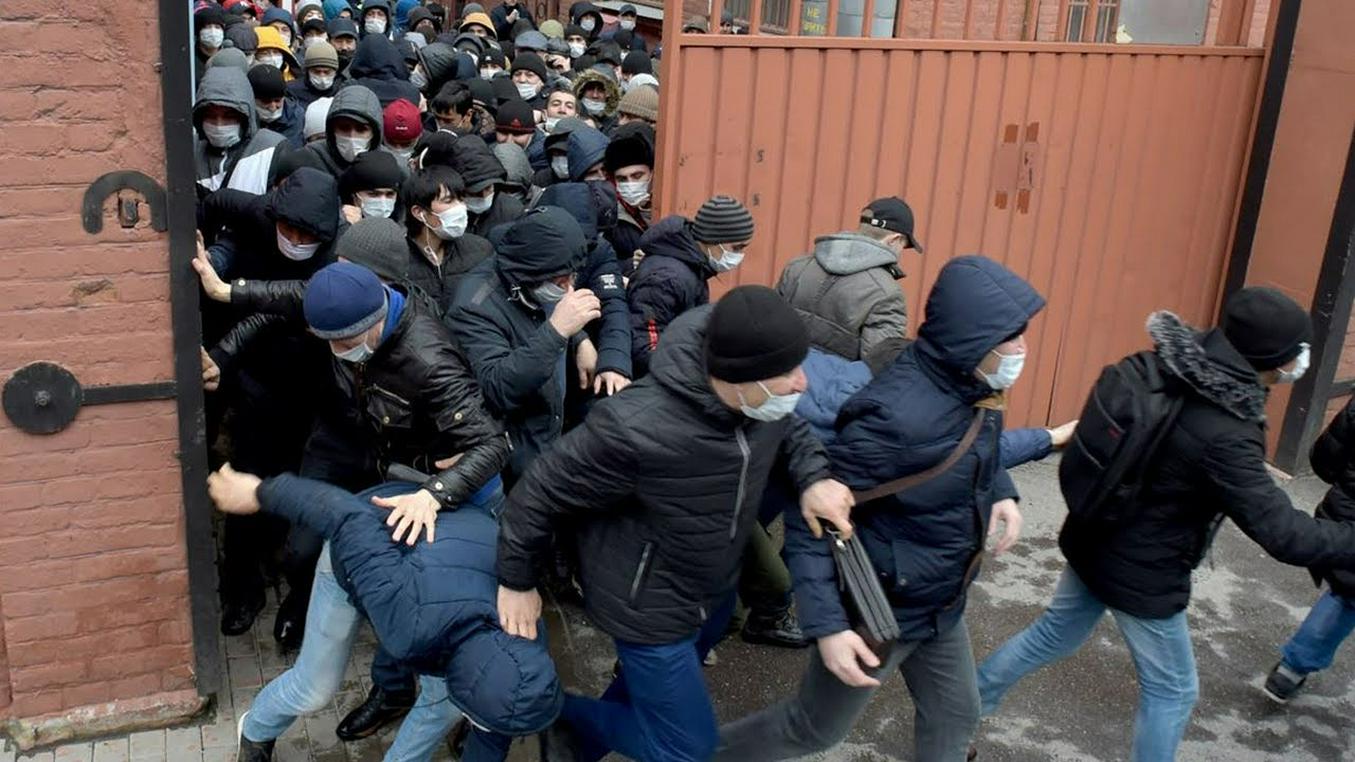
The COVID-19 pandemic has created a humanitarian and financial crisis for millions of migrants in Central Asia, many of whom have been stranded in transit and destination countries across Central Asia.

The loss of jobs and remittances has left families without adequate resources and legal protections.

Migrants also lack information about how to protect themselves from the virus, as well as the resources to do so.

Through the Safe Migration in Central Asia project, USAID will deliver much-needed assistance including informational resources; referrals to essential services; alternative livelihoods support; and skills training to help migrants navigate the difficult situation they are facing.  The project will also ensure that migrants’ rights are protected through access to legal and psychological support.

The Safe Migration in Central Asia project supports five Central Asian republics with evidence-based practices and cross-border connections to strengthen the mutual accountability and effectiveness of governments, NGOs, and the private sector to prevent trafficking-in-persons (TIP), protect survivors, and promote safe migration.

USAID is working to better understand the unique challenges experienced by migrants and their families throughout Asia, which have been exacerbated during the ongoing COVID-19 pandemic. Migrants can be negatively impacted by policies meant to protect the general population, experience limited access to systems of support, and may have to rely on dwindling natural resources for survival. As in Central Asia, investments are being made across the region to decrease vulnerabilities and strengthen systems for all.

USAID is the world’s premier international development agency and a catalytic actor driving development results. USAID’s work advances U.S. national security and economic prosperity, demonstrates American generosity, and promotes a path to recipient self-reliance and resilience. 
Join us on social media!

Article translations:

Related Article

Tenisi
Оби зулол
Оби зулол

Most Read

Коммерсбонк Точикистон

Recent Articles

The US struck military facilities in Iran. Trump expressed dissatisfaction with Tehran’s proposals and threatened Oman.

Earlier, Iran's state TV reported receiving a draft unofficial framework agreement between Tehran and Washington to settle the conflict.

How much did Tajikistan’s budget earn from the “Google tax”?

The law is already 5 years old, but the Tax Committee provided data only for the last 2 years.

The bilateral trade between Tajikistan and Iran increased by 8% in Q1 2026

Another meeting of the joint intergovernmental commission of the two countries took place in Dushanbe.

Russia and Taliban government sign military-technical cooperation agreement

The document may open up opportunities for the exchange of weapons, military technologies, and other types of defense cooperation.

“Hit with fists on the lower back and abdomen.” A teacher from Nurobod, claiming he was beaten by a student’s brother, details the attack

According to him, he is being threatened with murder, and law enforcement agencies have not yet detained the attacker.

International internet starts coming back in Iran after long shutdown 

Western media reports says Iranians ​isolated by a long...

Tajikistan listed among countries with low generative AI usage

Among the Central Asian countries, Kazakhstan has the highest rate.

Prices in Tajikistan rise almost 2% in January-April: apples, fuel, and utilities become particularly more expensive

In April, inflation was 0.6%: food products became more expensive, non-food products increased in price comparatively less, and tariffs for paid services remained unchanged.

Drought in Central Asia becoming a chronic threat, IWMI expert warns

The temperature in the region is rising faster than the global average.

Emomali Rahmon congratulates Tajikistanis on Eid al-Adha and calls for thrift

The President reminded that Idi Qurbon is not a wedding but a religious ceremony that should take place without ostentatious luxury.