Bloomberg Economics notes that omicron and more lockdowns, sticky inflation, a run on emerging markets, a fresh euro crisis, and food prices and unrest feature in a rogues’ gallery of risks.
Some things might go better than expected too, of course. Governments may decide to keep fiscal support in place.
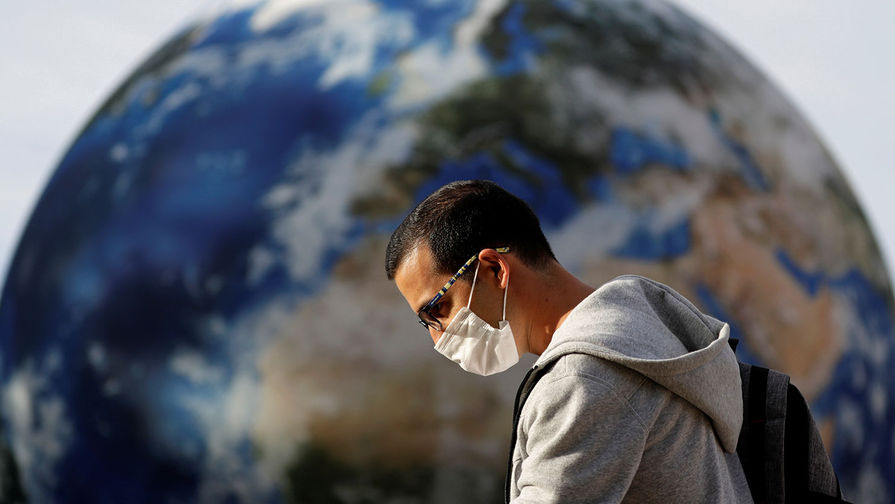
Bloomberg Economics says it is early for a definite verdict on the omicron variant of Covid-19. Apparently more contagious than its predecessors, it may prove less deadly too. That would help the world get back to something like pre-pandemic normal — which means spending more money on services. Lockdowns and COVID caution have kept people out of gyms or restaurants, for example, and encouraged them to buy more stuff instead, Bloomberg Economics says, noting that a rebalancing of spending could boost global growth to 5.1% from the Bloomberg Economics base forecast of 4.7%.
As far as the threat of inflation is concerned, Bloomberg Economics notes that at the start of 2021, the U.S. was forecast to end the year with 2% inflation. Instead it’s reportedly close to 7%. In 2022, once again, the consensus expects inflation to end the year close to target levels. Another major miss is possible.
High funding needs and weak governance add risks for some emerging markets, according to Bloomberg Economics.
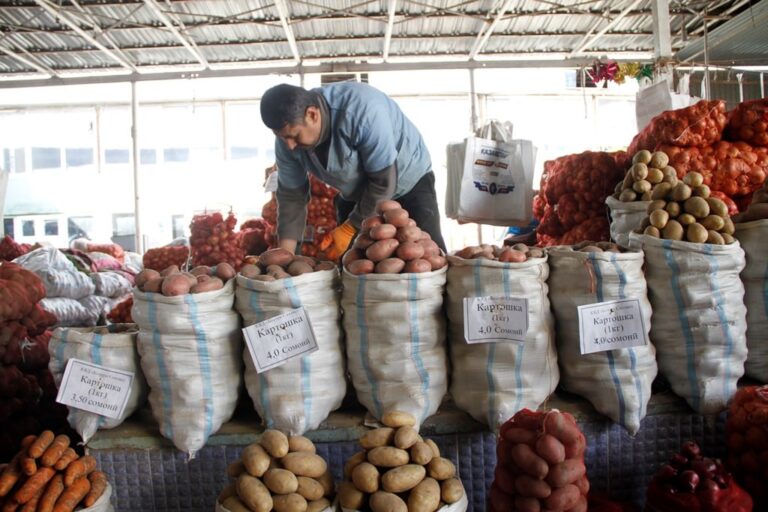
Hunger is a historic driver of social unrest, Bloomberg Economics says, noting that a combination of COVID effects and bad weather has pushed world food prices near record highs, and could keep them elevated next year.
The last food-price shock in 2011 reportedly triggered a wave of popular protests, especially in the Middle East. Many countries in the region remain exposed.
Compared to Arab Spring, food stress is worse in some countries, according to Bloomberg Economics. Popular uprisings are rarely localized events. The risk of broader regional instability is reportedly real.
Bloomberg Economics notes that any escalation between mainland China and Taiwan, from blockade to outright invasion, could draw in other world powers — including the U.S.
A superpower war is the worst case, but scenarios short of that include sanctions that would freeze ties between the world’s two biggest economies, and a collapse in Taiwan’s production of the semiconductors that are crucial to global output of everything from smartphones to cars.
At the same time, Bloomberg Economics notes that not every risk is to the downside. U.S. budget policy, for example, could remain more expansionary than appears likely right now — keeping the economy away from the brink of the fiscal cliff, and boosting growth.
Globally, households are sitting on trillions of dollars of excess savings, thanks to pandemic stimulus and enforced frugality during lockdown. If that gets spent faster than expected, growth would accelerate, according to Bloomberg Economics.