Amonatbonk head explains why he cannot voice the data on migrants’ remittances

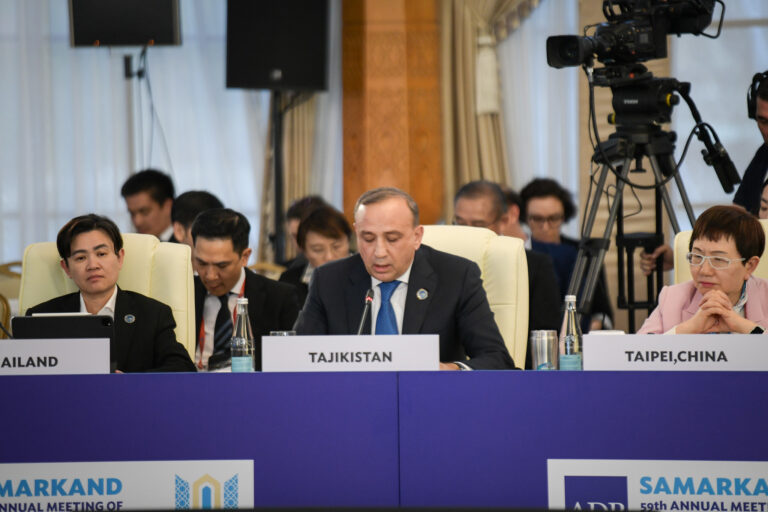
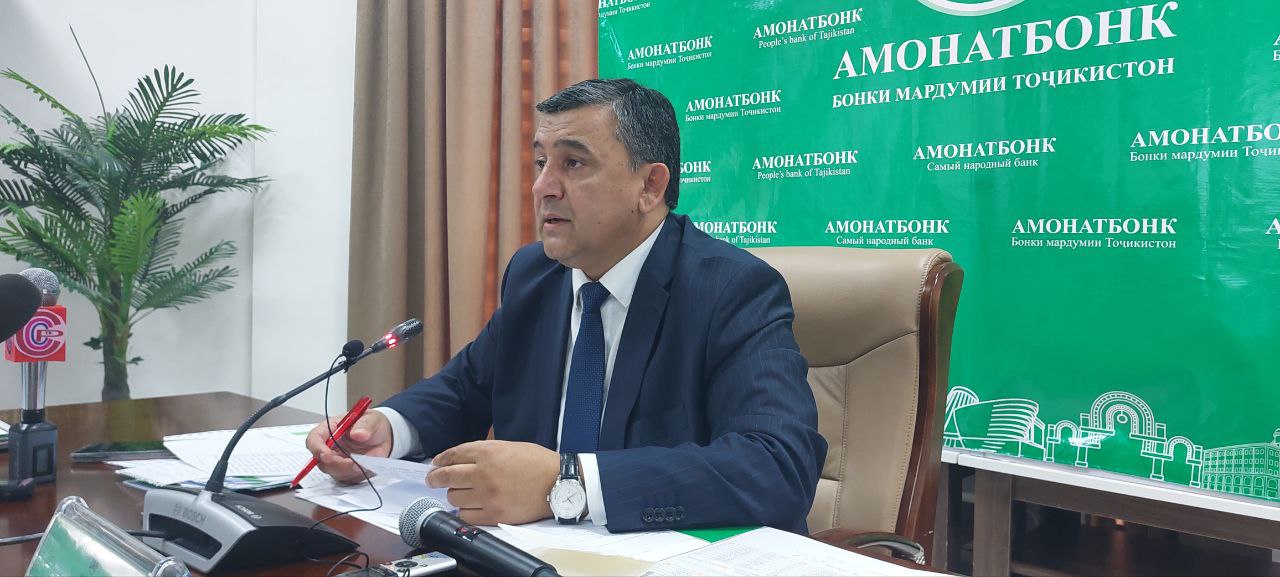
Information on the volume of remittances sent by labor migrants to Tajikistan has not been published by banks for already several months, Sirojiddin Ikromi, the head of Amonatbonk (Tajikistan’s savings bank), told reporters in Dushanbe on August 8.   According to him, this work is made more difficult by the fact that various ways of transferring […]

Asia-Plus

Information on the volume of remittances sent by labor migrants to Tajikistan has not been published by banks for already several months, Sirojiddin Ikromi, the head of Amonatbonk (Tajikistan’s savings bank), told reporters in Dushanbe on August 8.  

According to him, this work is made more difficult by the fact that various ways of transferring money have appeared.

“Previously, these funds were sent directly to banks and we understood that these funds from labor migrants.  Now, these funds are transferred from mobile phone to mobile phone, from card to card and now it is very difficult to determine from whom this money – from entrepreneurs or from labor migrants,” Ikromi noted.  
It is to be noted that although, labor migrants still remain a critical component in the country’s economy, Tajik authorities, stopped publishing information on the volume of remittances sent to Tajikistan in May 2113. 

In a report released in Dushanbe, the then head of the National Bank of Tajikistan, Abdujabbor Shirinov, revealed on July 23, 2013 that Tajikistan will no longer release cash transfer data.  According to him, the government stopped publishing information on the volume of remittances sent to Tajikistan in May.  “I’d rather not talk about migrants’ funds because this issue may be politicized,” Abdujabbor Shirinov said.

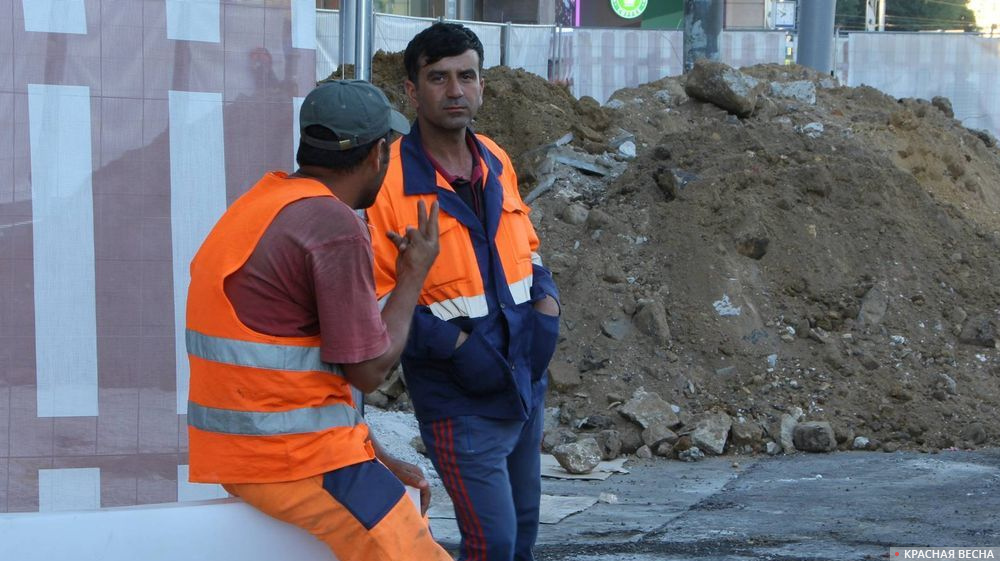
Tajikistan is one of the world’s most remittance dependent countries and labor migrants are still a critical component in the economy of Tajikistan.  Remittances keep many struggling families at home above the poverty line. 

Remittances have played a crucial role in reducing poverty in Tajikistan, with over 80 percent of remittances being used for food consumption and around 10 percent for other basic needs like healthcare, housing, and education.

Currently, information on the volume of remittances sent by Tajik migrants is published by some international financial institutions but with a noticeable delay.  

The World Bank noted in June this year that remittances sent to Tajikistan last year amounted to 5.2 billion US dollars, which was 49 percent of the country’s gross domestic product (GDP). 
Join us on social media!

Article translations:

Related Article

Оби зулол
Оби зулол

Most Read

Recent Articles

The only GPW veteran in Dushanbe allocated more than 80,000 somoni

The mayor's office of Dushanbe allocated him 25,000 somoni.

GITEX AI Kazakhstan 2026: how Almaty became the main AI hub of Central Asia

More than 300 companies and startups, over 200 speakers and 100 investors from 50 countries — the region is entering the global stage.

A trade and economic park to be built at the border junction of Tajikistan, Kyrgyzstan, and Uzbekistan

President of the Kyrgyz Republic Sadyr Japarov familiarized himself with the project.

A project to protect soil from degradation to be developed in Central Asia

The initiative is of great significance for the mountainous countries of the region, including Tajikistan.

Mudslide, death, and destroyed homes: hundreds of families in Tajikistan left homeless

A correspondent from "Asia-Plus" visited Kulob and spoke with the families of those who died and were affected by the disaster.

Spring 2026 bright event: new issue of VIPzone now on sale

This issue is about people and ideas that change everything: from business and investments to fashion, food, and urban environment.

Godfrey Sullivan: “Tajikistan is a promising market for Visa to develop digital payments”

The Vice President of Visa explained why Tajikistan is becoming a promising market for digital payments and how artificial intelligence is influencing the future of finance.

Seven students in Dushanbe were threatened with expulsion for arriving at universities in personal cars

The materials for each case have been sent to the Ministry of Education and Science for appropriate actions.

India’s blockchain push and lessons for the global south

The Indian Government has started pushing aggressively its agenda...

India’s blockchain push and lessons for the global south

The Indian Government has started pushing aggressively its agenda...