Ensuring access to primary health care in remote and hard-to-reach areas

With the financial support from the European Union (EU) and the German Federal Ministry for Economic Cooperation and Development (BMZ), the Deutsche Gesellschaft für Internationale Zusammenarbeit (GIZ), through the "Building a System on Integrated Primary Health Care in Tajikistan (BaSIC)" project, horses have been delivered  to Arghonak and Qadahi health care centres in the district […]

With the financial support from the European Union (EU) and the German Federal Ministry for Economic Cooperation and Development (BMZ), the Deutsche Gesellschaft für Internationale Zusammenarbeit (GIZ), through the "Building a System on Integrated Primary Health Care in Tajikistan (BaSIC)" project, horses have been delivered  to Arghonak and Qadahi health care centres in the district of Khovaling to improve access to health services in rural areas.
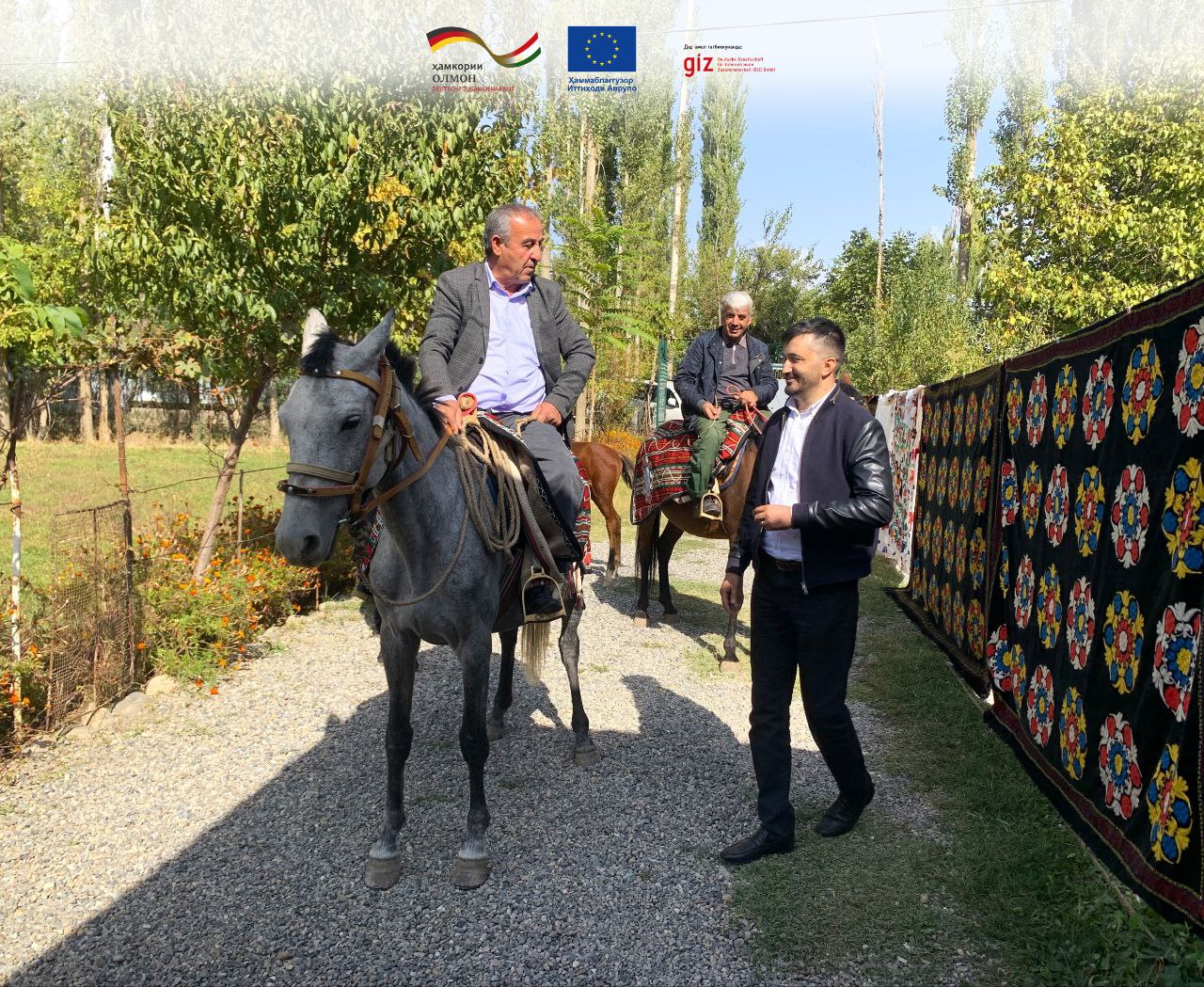
Staff at these health centers, who working in remote areas, can now use these horses to travel through rugged, roadless areas. It should be noted that the Arghonak and Qadahi health houses in Khavaling district serve more than 12 subordinate villages. In winter and spring, the roads in these villages are impassable and, in many cases, residents have to walk a considerable distance to Baljuvon District Hospital, which is 15 kilometers away.

As we know, 93 percent of the territory of the Republic of Tajikistan consists of mountains and only 7 percent is made up of plains.  Mountains provide us with clean air, clean water, healthy food and minerals, but, on the other hand, difficult roads to remote villages make life even more difficult for people living in mountainous areas.
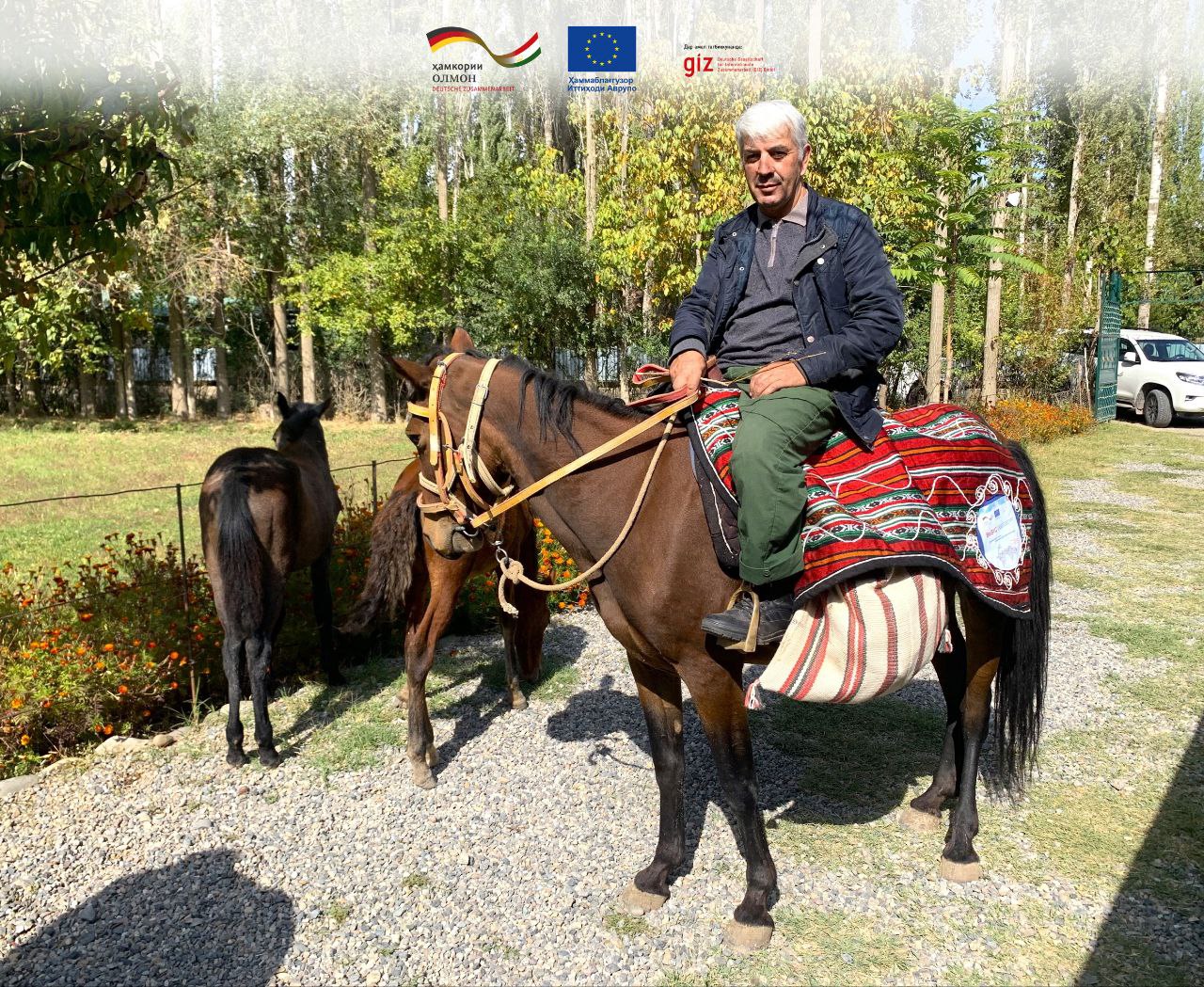
Considering that more than 70% of the country’s population lives in rural areas, it is necessary to further improve the quality of training of medical professionals in order to improve the rural population’s access to medical services. In line with the requests and needs of the beneficiaries, the project took into account the existing problems of the Arghonak and Qadahi health centres in Khovaling district and purchased two horses and two foals for the staff of these institutions.

The ceremony to hand over the horses was attended by a representative of the Hukumat of Khovaling district, representatives of the GIZ Health Programme in Tajikistan, representatives of health houses, representatives of the PHC of Khovaling district and other officials.

Join us on social media!

Article translations:

Related Article

Оби зулол
Tenisi
Оби зулол

Most Read

Коммерсбонк Точикистон

Recent Articles

RZD announces the restoration of passenger services between Moscow and Dushanbe

Direct rail services between the capitals of Russia and Tajikistan were suspended in March 2020 due to the COVID-19 pandemic.

#AP30/Stories. “Selam! Heller nichek?” How Tatars live today in Sughd province

On the 30th anniversary of "Asia-Plus," we continue to publish reports that remain relevant even after years. This story was told in 2021, and since then, little has changed in the life of the Tatar community in Tajikistan.

15,000 cameras, drones, and robots: how technology monitors pilgrims in Mecca and Medina

During Hajj 2026, Mecca and Medina were under unprecedented digital control.

Another child in Dushanbe removed from family and sent to boarding school

The Ministry of Internal Affairs reports that the parents did not pay adequate attention to the child.

Emomali Rahmon instructs to address issues in seed production following criticism of the industry

Issues have been noted with certification, seed quality, and the material and technical base of the industry.

Water, climate, and a $130 billion deficit: seven key outcomes of the Water Conference in Dushanbe

At the forum, countries and international organizations discussed new mechanisms for cooperation, investments, and technologies that are essential for addressing the global water crisis.

Eskhata Bank introduces a new generation children’s wallet

"Eshkata Bank" has created a full-fledged digital platform that helps children aged 7 to 16 learn how to manage money.