‘In cities, people eat a lot of meat,’ Tajik official claims explaining rising meat prices in the country

Tajik officials attribute the persistent high prices of meat at the country's bazaars to increased consumer demand and the import of livestock feed from abroad.  Experts recommend that the government consider several factors to increase meat production in Tajikistan.   Increase in livestock and rising meat prices Deputy Minister of Agriculture, Ms.  Nigina Anvari, stated […]

Asia-Plus

Tajik officials attribute the persistent high prices of meat at the country's bazaars to increased consumer demand and the import of livestock feed from abroad.  Experts recommend that the government consider several factors to increase meat production in Tajikistan.


Increase in livestock and rising meat prices

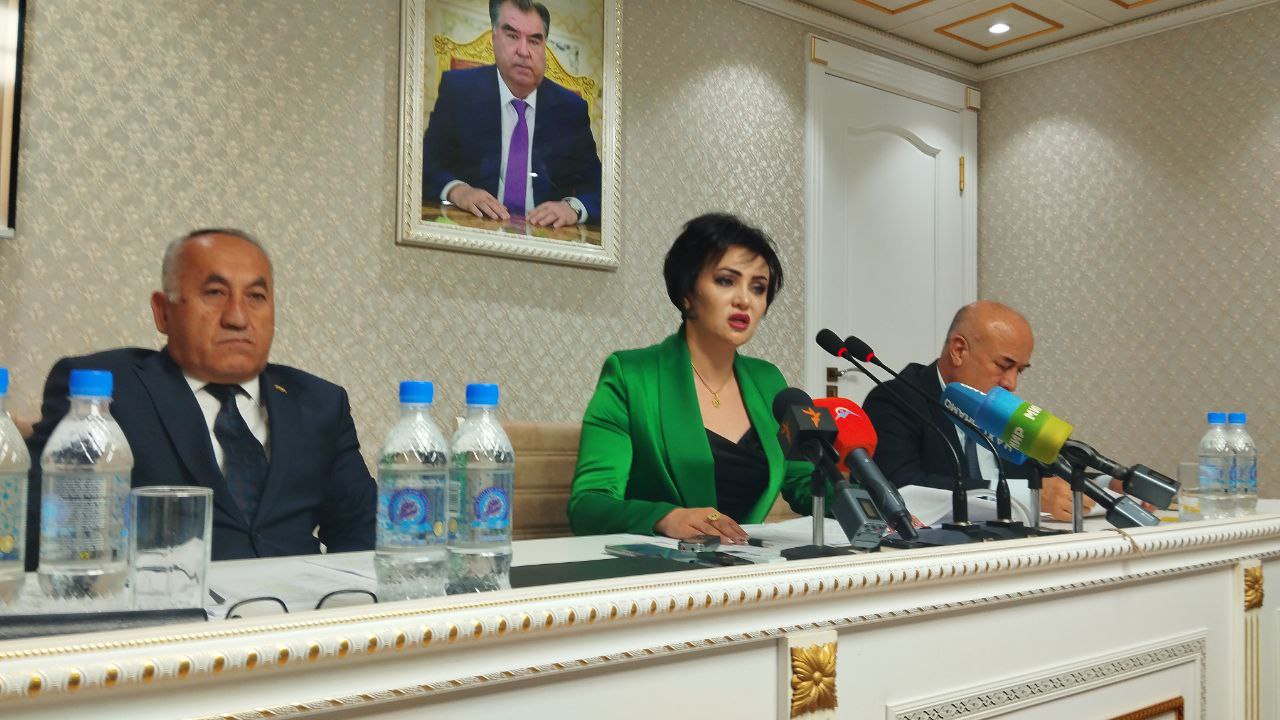
Deputy Minister of Agriculture, Ms.  Nigina Anvari, stated at a press conference on July 24 that as of July 1 of this year, there were 2,705,700 head of cattle on all categories of farms, or 3.8 percent more than on that date of the preceding year.   

Given this, journalists questioned why meat prices remain high despite the annual increase in livestock numbers.

Ms. Anvari responded that currently, there is no export or import of meat in Tajikistan.  “We provide 99.9% of the population’s requirements in meat, but the reason for the ongoing rise in prices is the increase in consumer demand and the import of livestock feed from abroad," she stated.

However, she did not specify what kind of livestock feed is imported or from which country. Meanwhile, hay, corn, and straw are harvested for livestock across the country.


Increased meat demand in cities

Another Deputy Minister of Agriculture, Mr. Mashokir Nazarzoda, explained the price increase by citing the growing population and, consequently, their needs.

He pointed out that according to the consumer basket, the poultry meat consumption (kg/per capita) in Tajikistan is 18 kg, but the country currently provides the poultry meat consumption only at the rate of 5.5 kg per capita.    

He went further and stated that city dwellers consume more meat since they eat in canteens at least twice a day, where meat is a staple.

Additionally, Nazarzoda cited the holding of weddings and celebrations as another reason for increased meat demand.  This statement comes despite the fact that regulations limit the number of dishes at weddings and celebrations, with violators being fined.

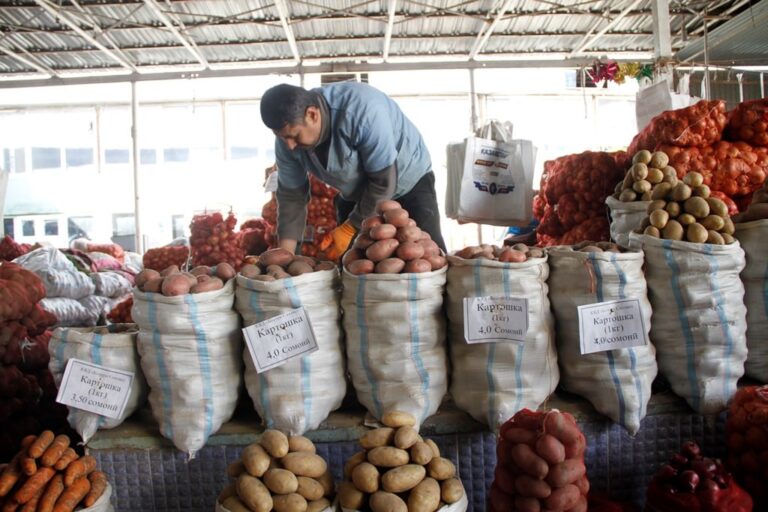
It is also worth noting that during and after the Eid al Adha holiday (July 16), meat prices at the capital's bazaars increased by almost 20%.  Specifically, the price of one kilogram of beef, which was 70.oo somonis before the holiday, has now reached 85.00-88.00 somonis.
Join us on social media!

Article translations:

Related Article

Оби зулол
Оби зулол

Most Read

Recent Articles

The only GPW veteran in Dushanbe allocated more than 80,000 somoni

The mayor's office of Dushanbe allocated him 25,000 somoni.

GITEX AI Kazakhstan 2026: how Almaty became the main AI hub of Central Asia

More than 300 companies and startups, over 200 speakers and 100 investors from 50 countries — the region is entering the global stage.

A trade and economic park to be built at the border junction of Tajikistan, Kyrgyzstan, and Uzbekistan

President of the Kyrgyz Republic Sadyr Japarov familiarized himself with the project.

A project to protect soil from degradation to be developed in Central Asia

The initiative is of great significance for the mountainous countries of the region, including Tajikistan.

Mudslide, death, and destroyed homes: hundreds of families in Tajikistan left homeless

A correspondent from "Asia-Plus" visited Kulob and spoke with the families of those who died and were affected by the disaster.

Spring 2026 bright event: new issue of VIPzone now on sale

This issue is about people and ideas that change everything: from business and investments to fashion, food, and urban environment.

Godfrey Sullivan: “Tajikistan is a promising market for Visa to develop digital payments”

The Vice President of Visa explained why Tajikistan is becoming a promising market for digital payments and how artificial intelligence is influencing the future of finance.

Seven students in Dushanbe were threatened with expulsion for arriving at universities in personal cars

The materials for each case have been sent to the Ministry of Education and Science for appropriate actions.

India’s blockchain push and lessons for the global south

The Indian Government has started pushing aggressively its agenda...

India’s blockchain push and lessons for the global south

The Indian Government has started pushing aggressively its agenda...