Tajik officials attribute the persistent high prices of meat at the country's bazaars to increased consumer demand and the import of livestock feed from abroad. Experts recommend that the government consider several factors to increase meat production in Tajikistan.
Increase in livestock and rising meat prices
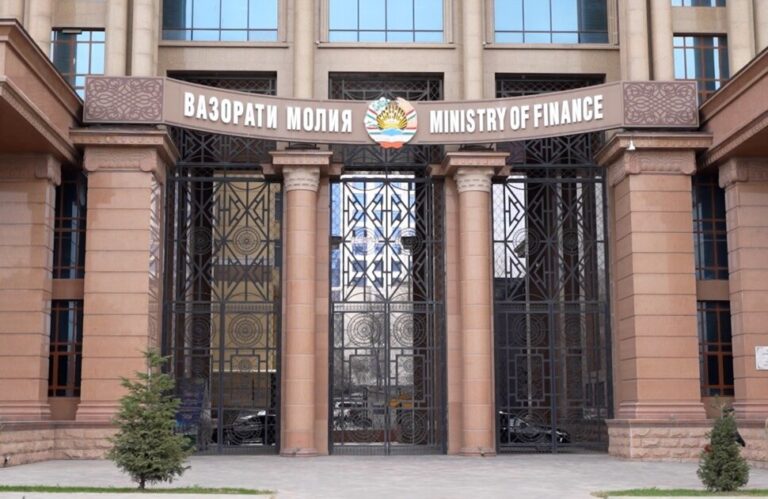
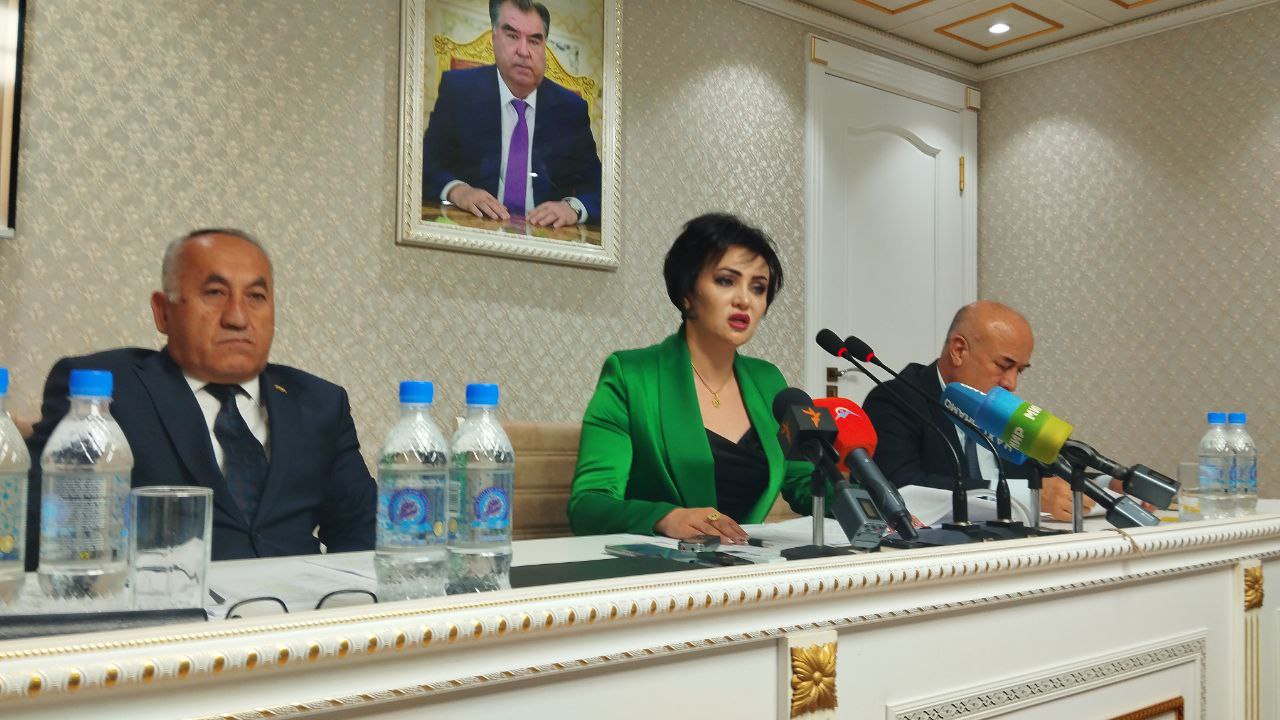
Deputy Minister of Agriculture, Ms. Nigina Anvari, stated at a press conference on July 24 that as of July 1 of this year, there were 2,705,700 head of cattle on all categories of farms, or 3.8 percent more than on that date of the preceding year.
Given this, journalists questioned why meat prices remain high despite the annual increase in livestock numbers.
Ms. Anvari responded that currently, there is no export or import of meat in Tajikistan. “We provide 99.9% of the population’s requirements in meat, but the reason for the ongoing rise in prices is the increase in consumer demand and the import of livestock feed from abroad," she stated.
However, she did not specify what kind of livestock feed is imported or from which country. Meanwhile, hay, corn, and straw are harvested for livestock across the country.
Increased meat demand in cities
Another Deputy Minister of Agriculture, Mr. Mashokir Nazarzoda, explained the price increase by citing the growing population and, consequently, their needs.
He pointed out that according to the consumer basket, the poultry meat consumption (kg/per capita) in Tajikistan is 18 kg, but the country currently provides the poultry meat consumption only at the rate of 5.5 kg per capita.
He went further and stated that city dwellers consume more meat since they eat in canteens at least twice a day, where meat is a staple.
Additionally, Nazarzoda cited the holding of weddings and celebrations as another reason for increased meat demand. This statement comes despite the fact that regulations limit the number of dishes at weddings and celebrations, with violators being fined.
It is also worth noting that during and after the Eid al Adha holiday (July 16), meat prices at the capital's bazaars increased by almost 20%. Specifically, the price of one kilogram of beef, which was 70.oo somonis before the holiday, has now reached 85.00-88.00 somonis.