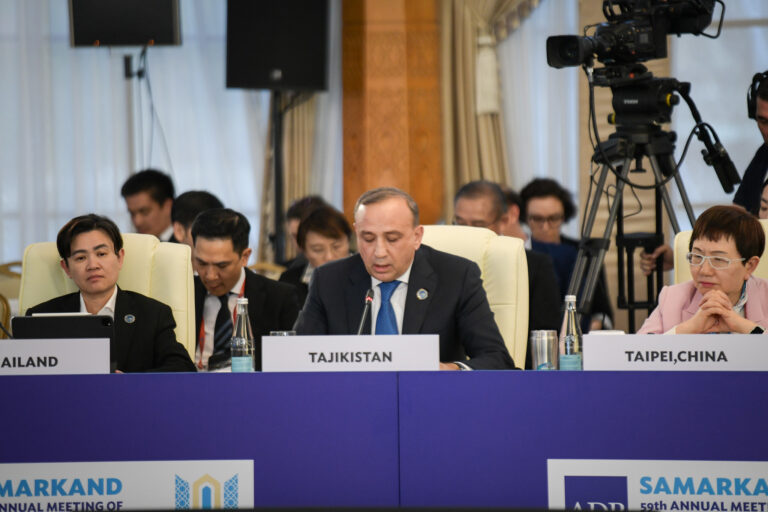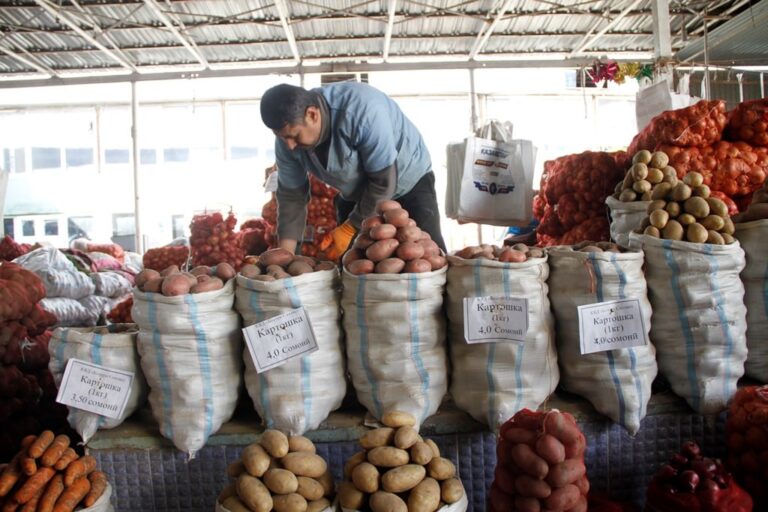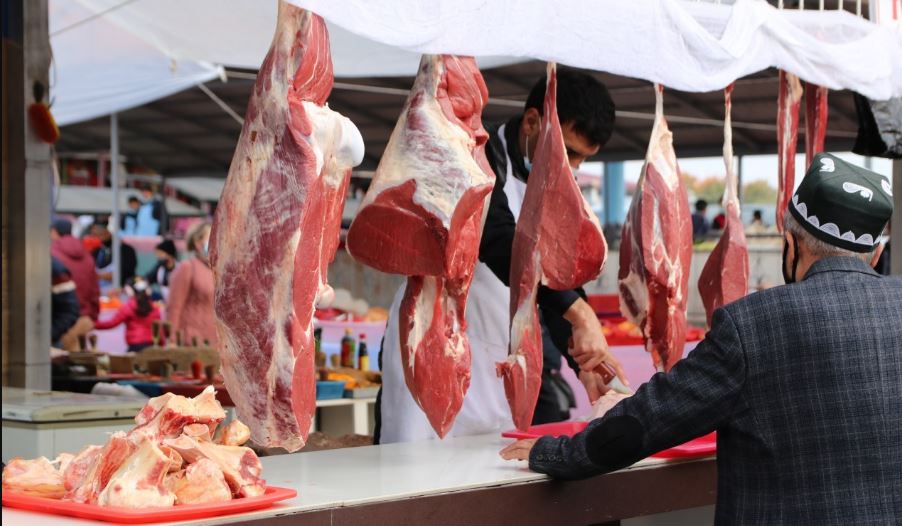
The Director of the Agency for Statistics under the President of Tajikistan Statistics Agency, Jamshed Nurmahmadzoda, links the increase in meat prices at the country's bazaars to rising wages and increased consumer demand for meat. He made this statement at a news conference in Dushanbe on August 7.
According to Nurmahmadzoda, the production of beef and mutton (live weight) has increased by 14% over the six months of 2024 compared to the same period last year, totaling more than 88,000 tons.
“There is no meat shortage in the country; it is plentiful at all bazaars. Wages have increased by 40%, the average salary has risen by 13%, and this rise in wages impacts meat prices because people's incomes have increased, thereby increasing their purchasing power,” Nurmahmadzoda explained.
He emphasized that their studies show there is plenty of livestock in the country. "Households typically have up to 10 heads of large and small livestock," he added.
Nurmahmadzoda noted that to meet the population's demand for meat, it is necessary to increase the number of livestock farms and import high-quality breeds from Belarus, Russia, and Kazakhstan. He mentioned that there are currently 100 farms in the country.
Deputy Minister of Agriculture, Ms. Nigina Anvari, stated at a news conference in Dushanbe on July 25 that currently, Tajikistan neither exports meat abroad nor imports it into the country. “We provide 99.9% of the population with meat, but the ongoing price increase is due to increased consumer demand and the import of livestock feed from abroad,” Anvari said.
As of now, the price for a kilogram of beef and mutton at Dushanbe’s bazaars is 87 and 90 somonis, respectively. Previously, beef was priced at 76-78 somonis, and mutton was around 80 somonis.