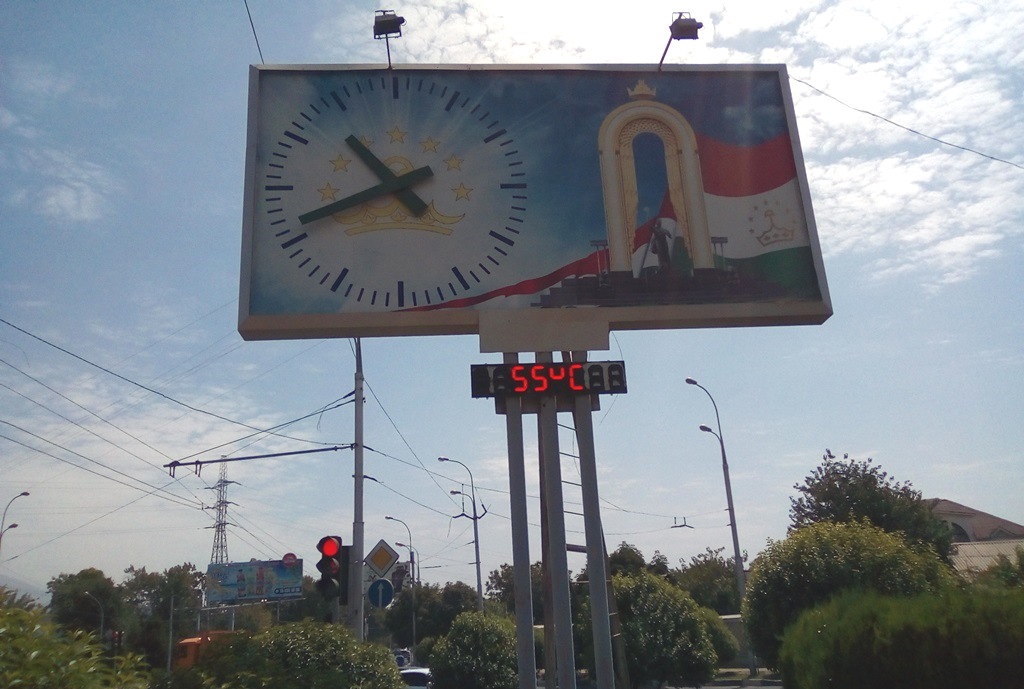
Heat has always been a characteristic feature of the summer climate in Tajikistan. Temperatures above the 40 °C mark in the summer months are considered the norm. But an increase in average temperatures also leads to an increase in the total number of particularly hot days, and at the same time the number of people suffering from heat stress will increase.
One can think of this exceptionally hot weather as something "happening but passing." But the depressing truth is that climate change is making record temperatures the new normal. Climatologists share the view that anthropogenic climate change increases the frequency, intensity and duration of heat waves.
Heat has always been a characteristic feature of the summer climate in Tajikistan. Temperatures above the 40 °C mark, occurring several times in the summer months, are considered the norm. But an increase in average temperatures also leads to an increase in the total number of particularly hot days.
Since the 1940s, the greatest temperature increases have been observed in Dangara (1.2 °C) and in Dushanbe (1.0 °C). According to scientific data, by 2080, the number of days with temperatures above 40 ° C may increase by an average of 12.5 days.
At the same time, the number of people suffering from heat stress and the number of deaths associated with prolonged heat waves and deterioration of health will increase.
According to official data, in 2020, 26.2% of the total population of Tajikistan lived in cities. Now more than half of the urban population lives in Dushanbe, Khujand, Bokhtar and Kulyab. There are forecasts according to which by 2050 the share of citizens in the republic may increase to 43% and, taking into account population growth trends, amount to 6.8 million people.
However, there is no reliable data on the negative impact of heat waves on the urban population and the economy of Tajikistan, taking into account the increase in temperatures.
At the same time, the authors of the recently prepared Urban Development Assessment of Tajikistan emphasize that "disaster risk reduction and adaptation to climate change are still not systematically addressed in urban plans and sectoral strategies. The lack of a systematic approach to green areas in urban settings and the insufficient availability of data on green cover and open spaces reduce the ability of Tajik cities to reduce the effects of the "heat island", which is an important aspect of compact urban development."
Local experts agree that in Tajikistan, climate change data and forecasts are not actually taken into account when designing cities and developing urban infrastructure, and abnormal heat waves are not yet considered by the city authorities as something that poses a serious danger.
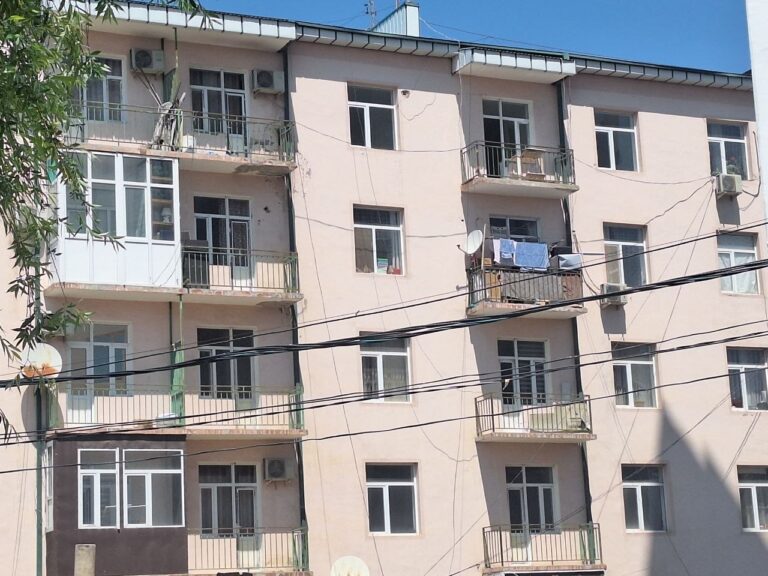
On the contrary, in cities there is a general reduction in the number of green cover and natural habitat, roads are being expanded, multi-storey buildings are being built, and land around cities is being developed. At the same time, the number of private cars and industrial enterprises is increasing, which leads to increased levels of environmental pollution.