Research company EuroMediaCom has presented fresh data on media consumption in Tajikistan. The figures overturn the usual notions of where to invest advertising budgets.
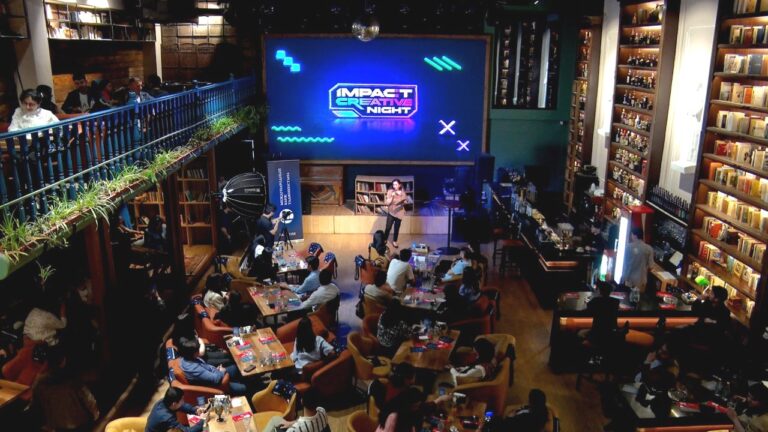
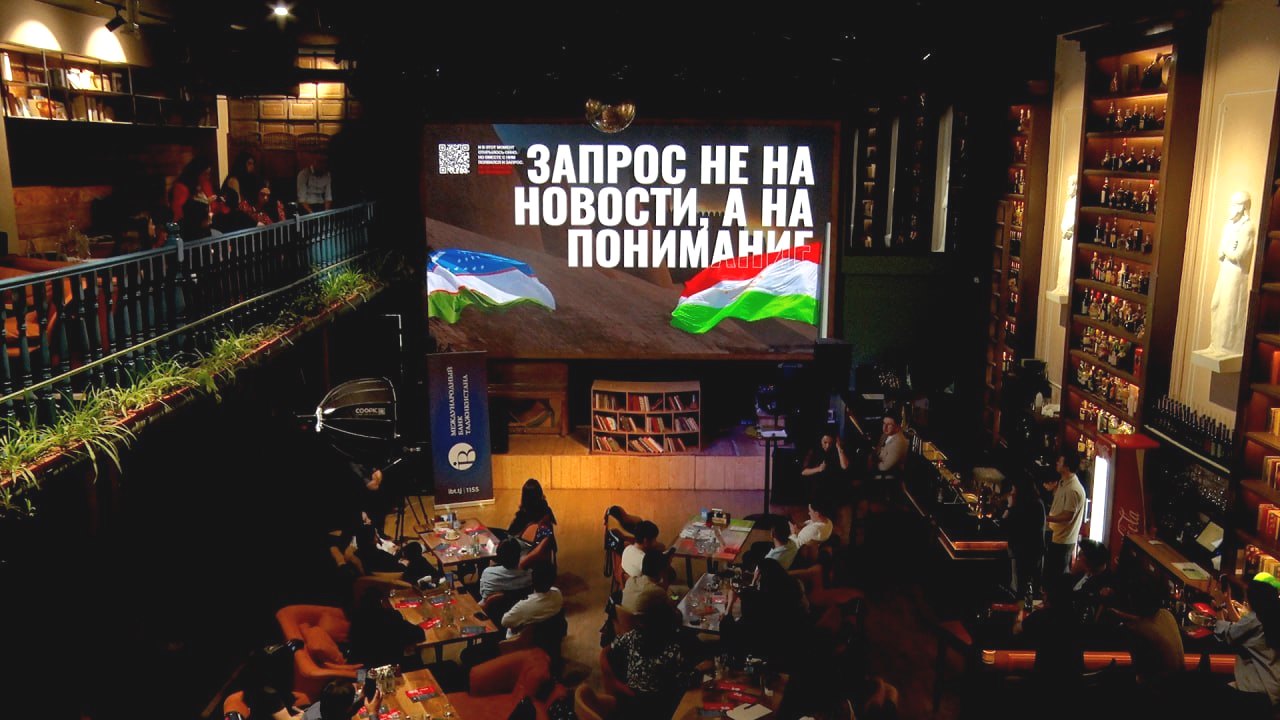
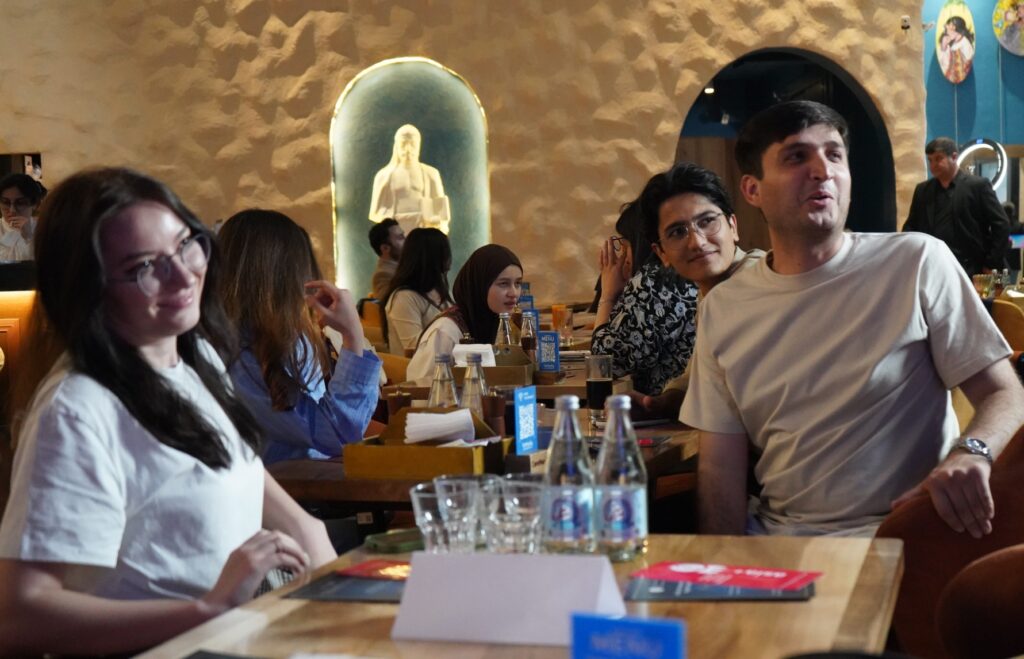
This data was presented at the first IMPACT Creative Night.01 meeting held in Dushanbe on April 24 — a closed format for market professionals. A hundred people from marketing, media, and business gathered not for networking, but to discuss a systemic issue: why, despite having channels, reach, and budgets, businesses are increasingly not achieving the expected results.
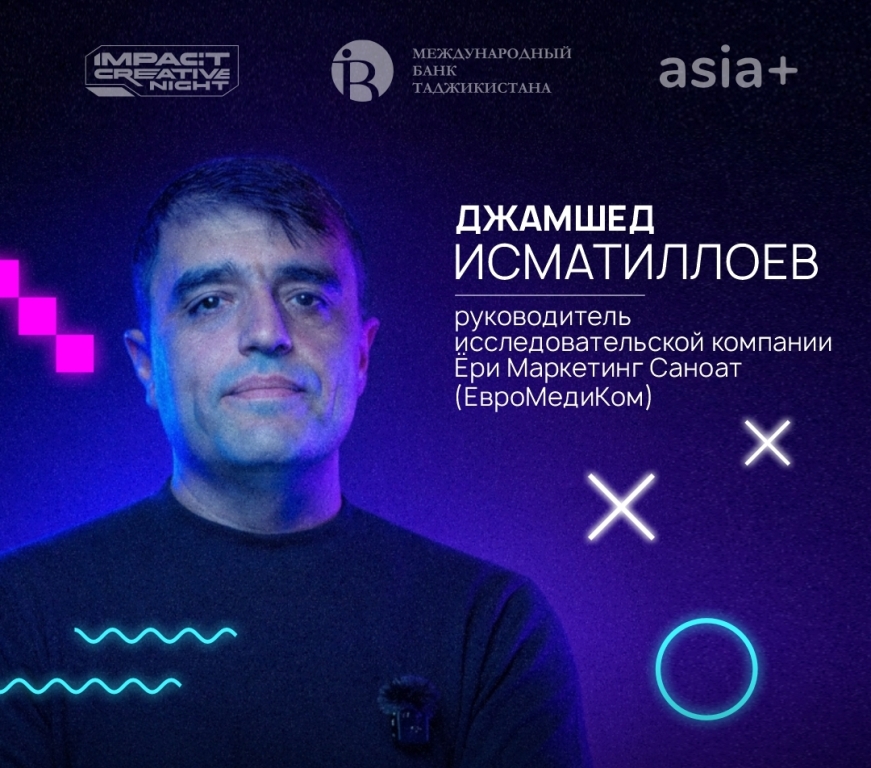
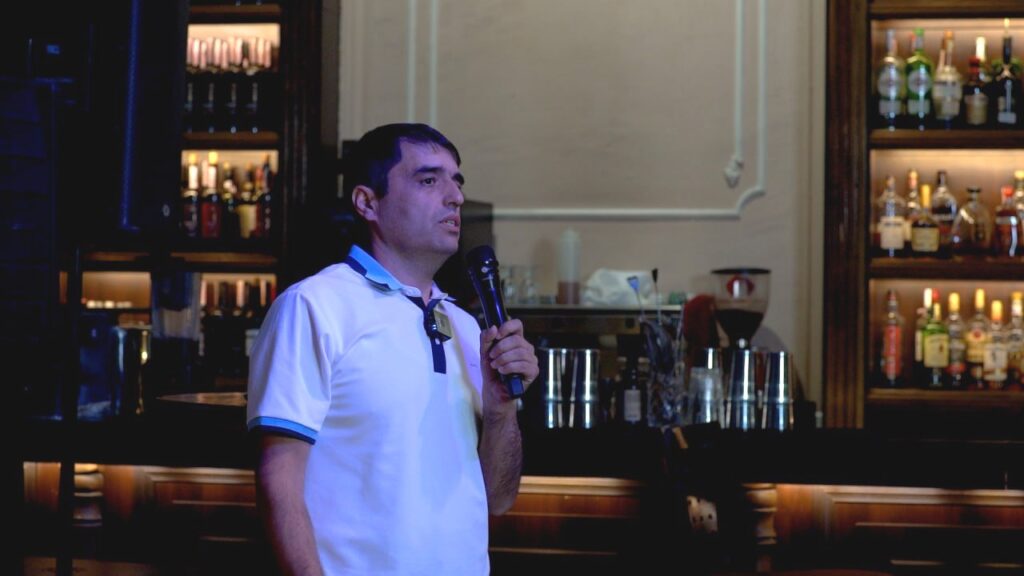
The evening was opened by Jamshed Ismatillo, head of the research company, Yori Marketing Sanoat, with a presentation of quarterly media measurements. The data covers 700 households across the country, age group 15+. The results were mixed.
TV leads. But losing time
Television remains the most comprehensive channel in Tajikistan — 92% of the population aged 15+ watch it at least once a week. Compared to neighboring countries, this is an exceptionally high figure. However, behind the coverage figures lies a worrying trend.
Over five years, the average daily TV viewing time has decreased from 246 minutes in 2021 to 189 minutes in 2025 — a decline of 57 minutes. The annual decrease is about 14 minutes. According to Sanwar, this is not a temporary deviation but a structural trend that will only intensify.
“Reach is one thing. But if you don’t understand who your audience is and when they are in front of the screen, advertising turns into an expense, not an investment,” — Jamshed Ismatillo.
The Internet has reached parity
Internet penetration in Tajikistan as of the first quarter of 2026 is 82.8% — and for the first time in the history of measurements, the figure is almost equal by gender: 83% among men and 82% among women. The gap is less than one percentage point.
Key figures:
- 225 minutes per day — this is how much time an average user spends on mobile internet (compared to 189 minutes on TV)
- 98 minutes — average daily time through fixed internet
- Mobile internet is 2.3 times more popular than fixed
- Smartphone is the main access device to the network in Tajikistan
Time spent on the internet already exceeds time spent on television. This is a fundamental shift.
Two markets within one country
One of the main ideas of the presentation: Tajikistan is not a monolithic audience. Media consumption varies drastically depending on age and geography.
Youth under 25:
- Has almost completely shifted to digital
- For this segment, TV communication has minimal effectiveness
- Main habitat is Dushanbe and large cities
- Main channel is smartphone and internet
Audience 35+ and regions:
- TV remains the main source of information and entertainment
- In regions, the barriers to digital are the cost of mobile internet and the quality of connection
- Radio retains its position: 26.9% weekly reach among the population 15+, in Q1 2026 — a slight increase to 29.3%
- High response to outdoor advertising with dense traffic flow
An unexpected player — outdoor advertising. It took third place in reach — 42% per week (2025 data). This is higher than radio and print combined. In the capital, 35% of structures are already digital (Digital OOH), allowing for reach measurement through geolocation and frequency of displays. About 78% of contacts with outdoor advertising are city residents, 22–23% are visitors from other cities and regions.
Media investments: growth without understanding the effect
According to EuroMediaCom’s forecast, the total advertising market volume in Tajikistan in 2026 will be 188.3 million somoni. For comparison: in 2019, this figure was 88.4 million — the market has doubled in seven years.
Dynamics by channels (million somoni):
Media investments by channel (million somoni)
| Media | 2019 | 2020 | 2021 | 2022 | 2023 | 2024 | 2025 | 2026 (FC*) |
| TV | 37.2 | 38.5 | 46.3 | 53.2 | 78.1 | 85.9 | 90.2 | 115.9 |
| Internet | 11.2 | 11.9 | 14.2 | 16.5 | 17.0 | 19.5 | 22.4 | 24.7 |
| Press | 2.9 | 2.5 | 3.2 | 3.1 | 0.5 | 0.5 | 0.5 | 0.4 |
| Outdoor | 18.5 | 18.0 | 17.8 | 18.7 | 19.3 | 20.3 | 22.3 | 22.9 |
| Radio | 18.6 | 19.6 | 19.5 | 21.4 | 22.3 | 23.0 | 25.8 | 24.4 |
| Total | 88.4 | 90.5 | 100.9 | 112.9 | 137.2 | 149.1 | 161.1 | 188.3 |
*FC=forecast
Growth in TV investments is projected at 28% — despite several national channels increasing rates by 200%. According to the company’s observations, the number of advertisers on TV is decreasing, but those remaining are paying significantly more.
“The main pain of the business is the blind spot in media planning. Budgets are placed out of inertia, without understanding the real behavior of the audience. The result is million-dollar budgets with low ROI,” — noted Ismatillo.
Most advertisers do not track the effectiveness of campaigns after their completion. There is no understanding of how many people actually interacted with the ad message — let alone how it affected the business. International advertisers, who make up 35% of the market, in this sense differ strikingly: they purchase data, produce monthly reports, and measure the effect of each channel.
Hybrid strategy: TV + Digital = full coverage
The key takeaway from Jamshed: one cannot choose between television and digital in Tajikistan — it is necessary to work on both fronts, but consciously.
Recommendations for advertisers:
- Identify the target audience by age, gender, and region — based on data, not feelings.
- Use ratings to choose time slots, rather than buying minutes blindly.
- Build a mix of TV + digital: traditional media provides coverage for 35+ and regions, digital for youth and Dushanbe.
- Plan campaigns based on quarterly data, changing tactics by season.
Recommendations for media outlets:
- TV channels: move to sales based on ratings — this will attract demanding advertisers.
- Invest in content quality — a ratings model makes this a mandatory condition for survival.
- Digital platforms: provide transparent metrics — advertisers want to see real reach.
- Collaborate with EuroMediaCom’s independent data to justify price lists.
What’s next?
IMPACT Creative Night.01 was the first meeting in a future series. The IMPACT ecosystem, which grew out of the 2025 forum, is developing as a space where market participants discuss not only tools but also why familiar communication approaches are increasingly ceasing to work.
Coming up — a meeting in June and the final IMPACT Forum in September. The general partner of the entire event cycle is IBT.
The focus is gradually shifting: from reach — to trust, from advertising — to influence.