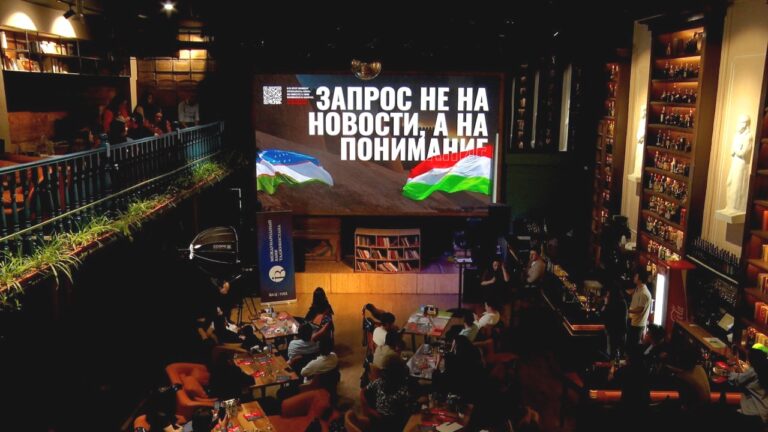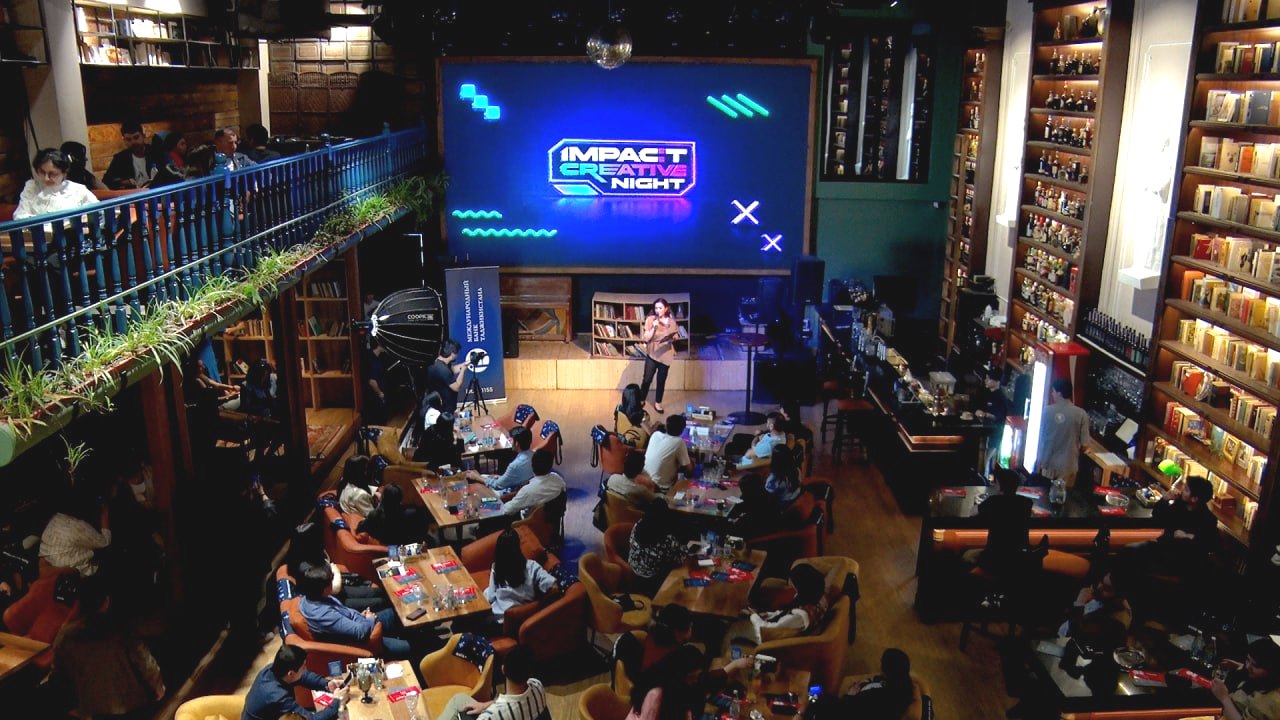
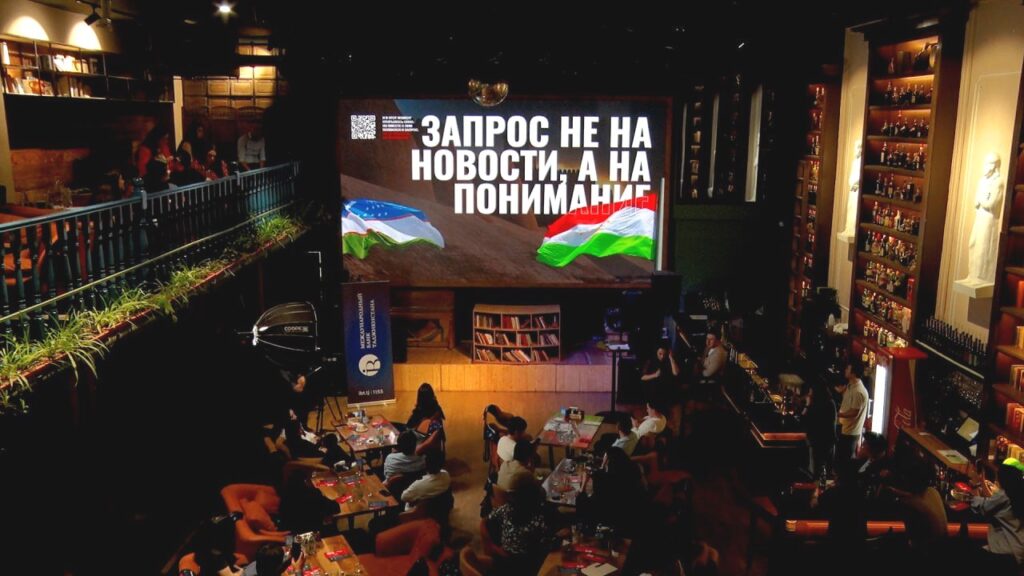
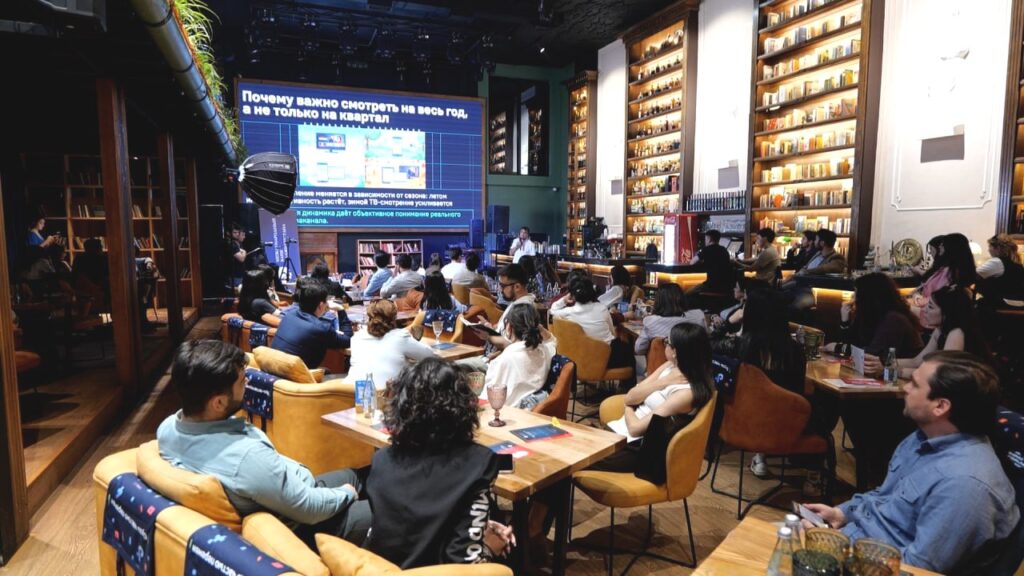
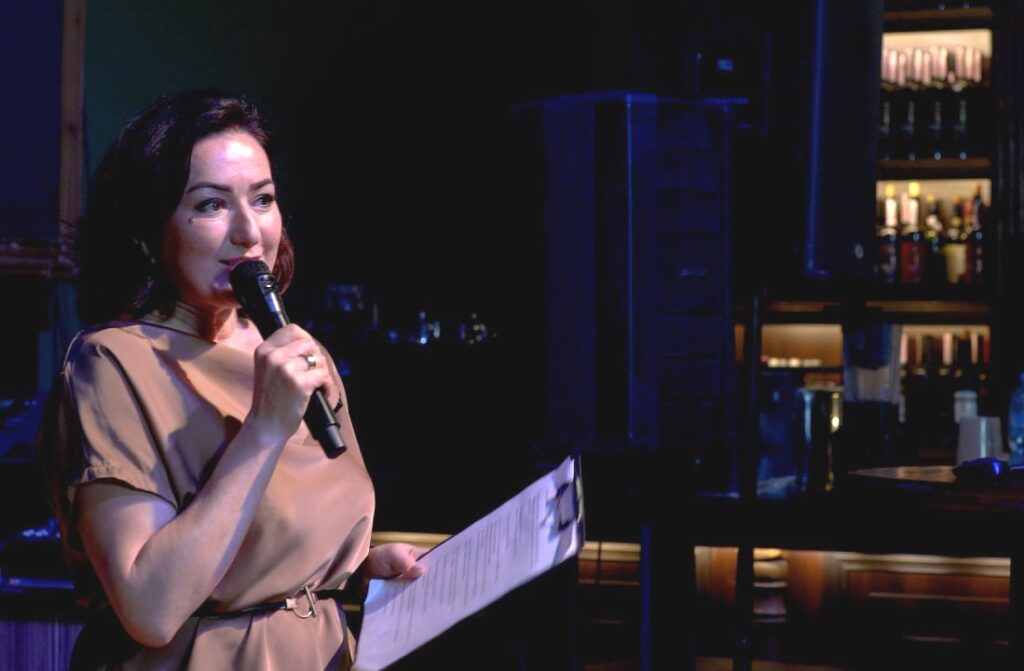
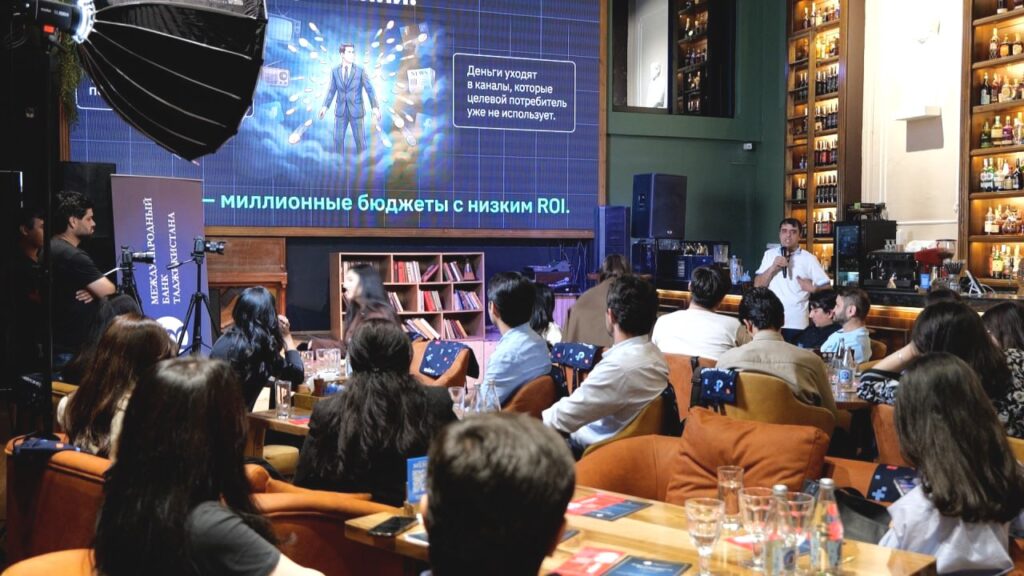
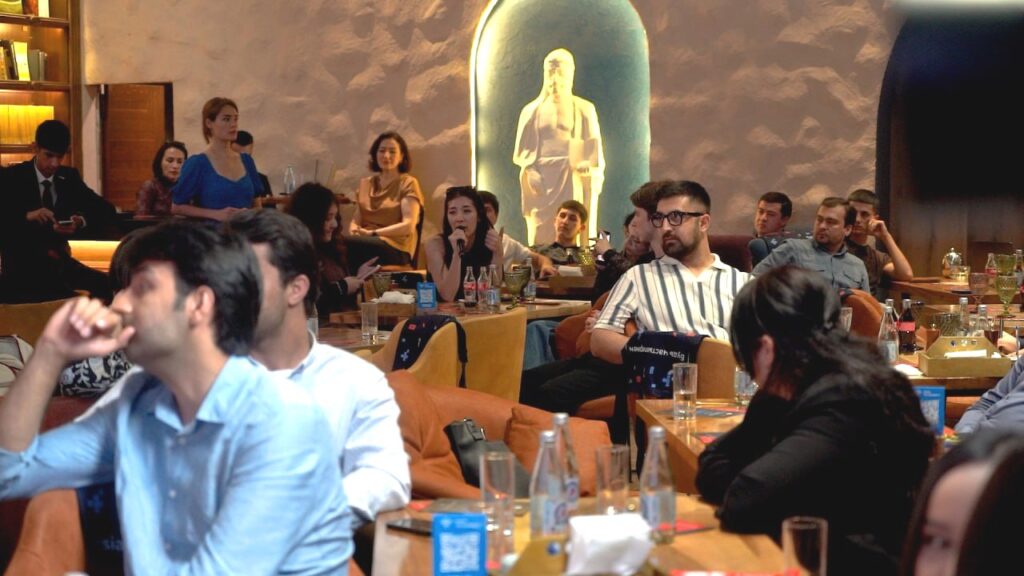
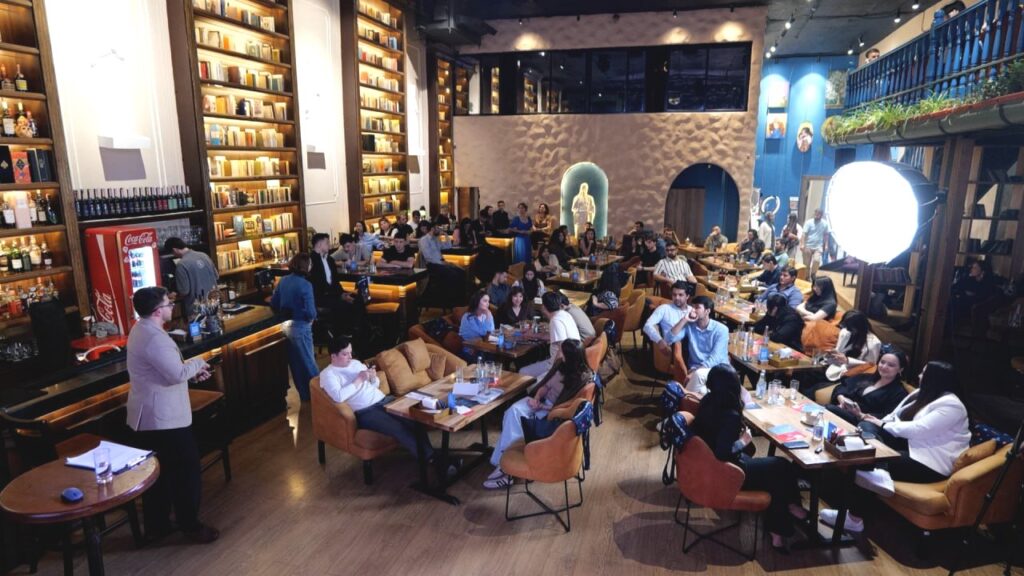
On April 24, the first IMPACT Creative Night.01 was held at the Community gastropub in Dushanbe, a closed event for 100 participants from the world of marketing, media, and business. The evening became part of the IMPACTecosystem, which, following the 2025 forum, is evolving as a series of meetings where the market discusses not only tools but also why traditional communication approaches are increasingly failing.
The discussion quickly turned to a systemic problem: despite having reach, channels, and budgets, businesses are increasingly not achieving the expected results. This gap between action and effect became the central theme of the meeting.
Reach without understanding the audience
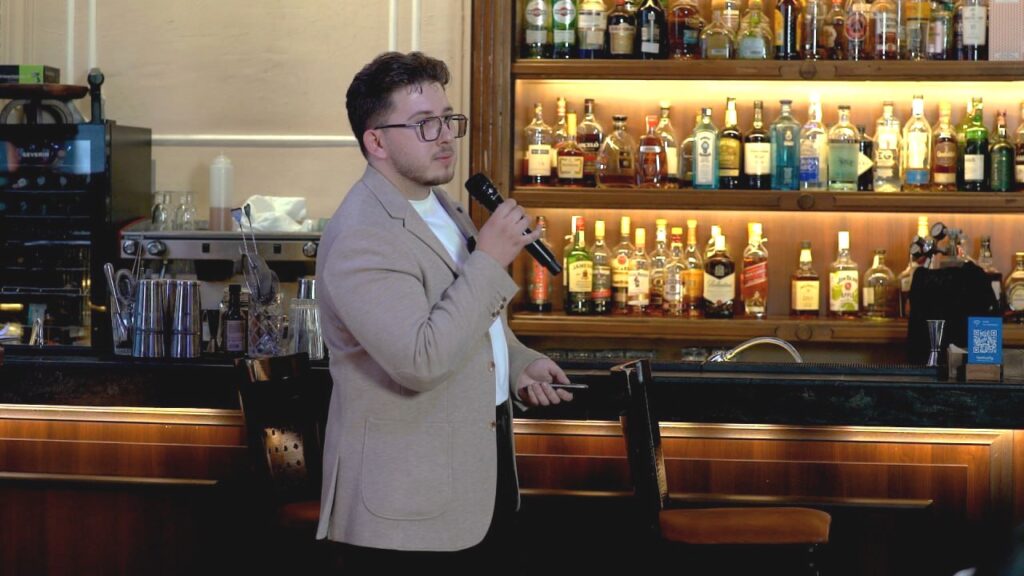
Jamshed Ismatilloyev, head of the research company Yori Marketing Sanoat, initiated the discussion with data.
“According to regular media measurements among 700 households, television remains the most far-reaching channel, viewed by 92% of the 15+ audience. The internet takes second place with a penetration rate of 82–83%, with users spending an average of 225 minutes online per day. Radio maintains a reach of 27–29%,” the expert shared.
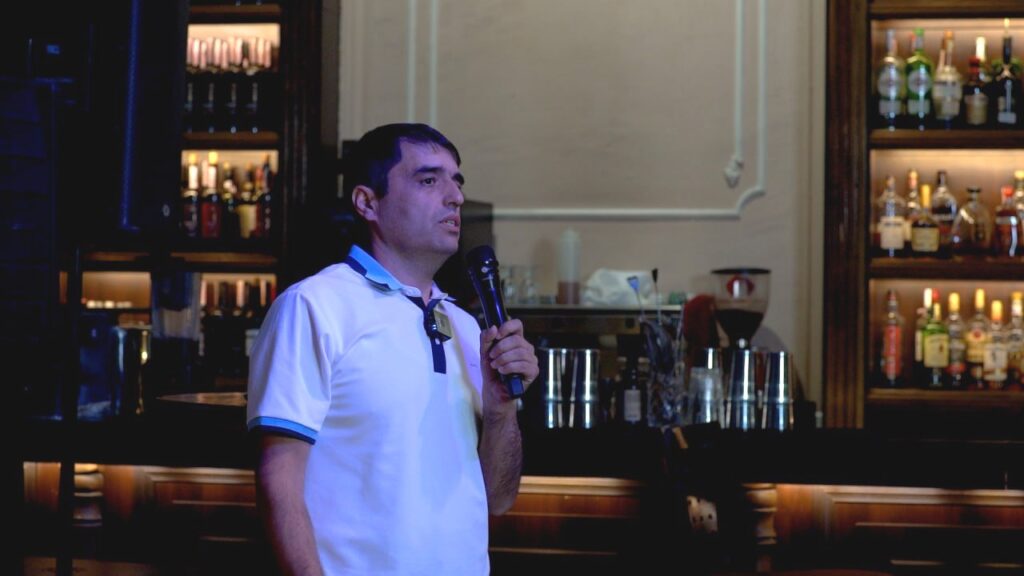
These figures, he noted, confirm the scale of the channels but do not answer the main question—how exactly does the audience behave within them.
Creativity versus perception reality
This line was continued by Svetlana Lebedeva, an international expert in marketing and communications, but from the perspective of perception. She spoke about advertising blindness—a state where the audience simply stops noticing advertisements due to information overload. At the same time, the level of such “blindness” varies: it is minimal in print media and maximal on television and in banner digital advertising.
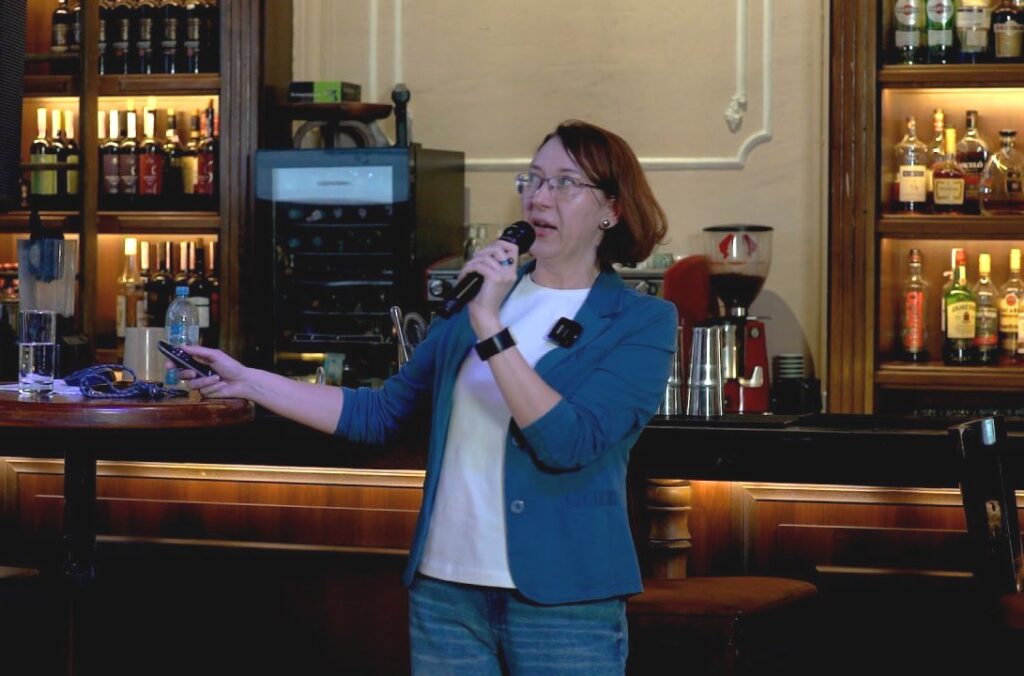
Responding to an audience question, “There’s reach, but no sales—is that a failure?”, the expert put it bluntly: “If there is reach but no sales, that’s not marketing. That’s advertising as art.”
Why trust has become the key currency
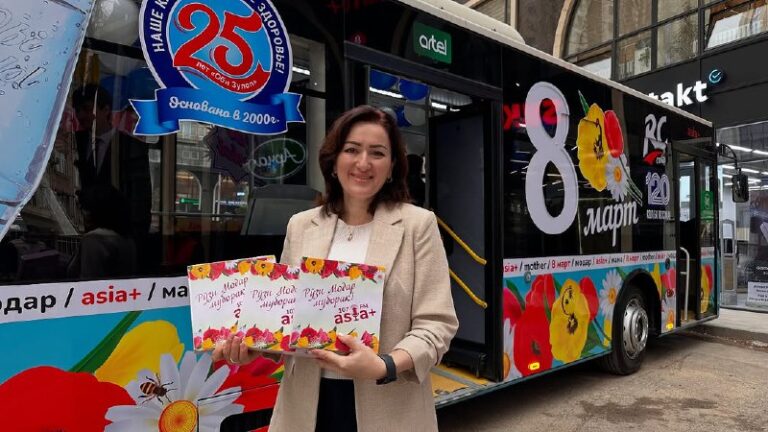
The third layer of the conversation was related to trust. “Asia-Plus” marketer Daniil Trimbach presented data from the Edelman research institute: only about 30% of the audience trusts direct advertising, while 70% view it with caution.
When a brand becomes part of the agenda
This logic received practical confirmation in a case presented by Mahpora Kiromova, the producer of the entire IMPACT cycle. She coordinated the project “Salom, Neighbors”—a series of over 180 stories from 20 cities, launched after the border between Tajikistan and Uzbekistan was opened. The project, launched in 2018, was built around the idea of restoring ties between the countries, and partners seamlessly integrated into this agenda.
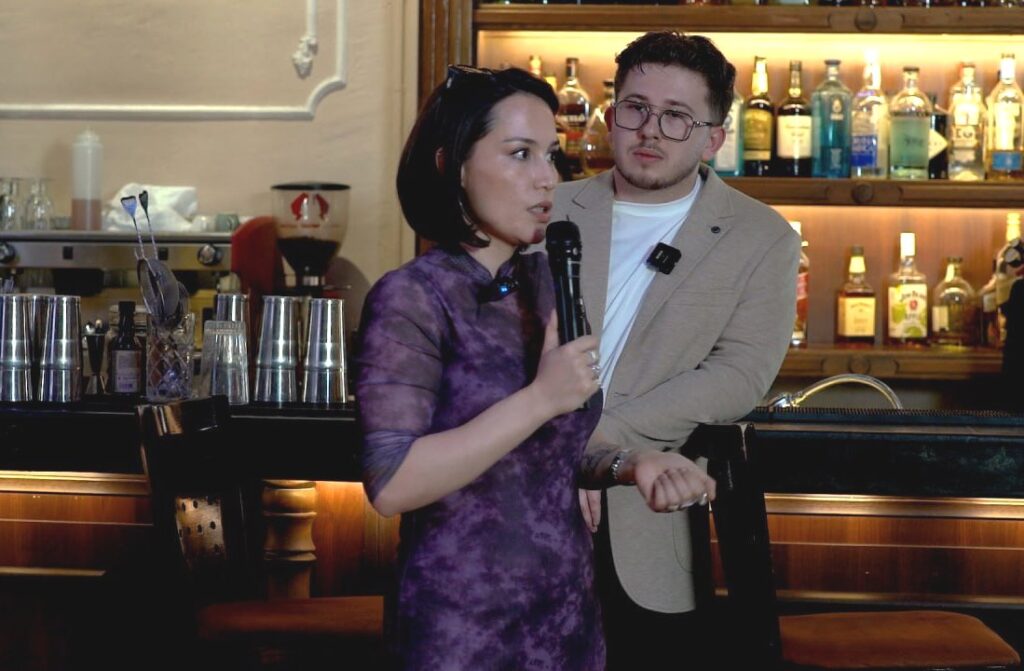
According to Mahpora, “Salom, Neighbors” demonstrates another important thing: media can not only organically integrate brands into context but also manage their reputation.
Before the normalization of relations between the countries, the aluminum company TALCO was often mentioned in the Uzbek agenda in the context of environmental issues. As part of the “Salom, Neighbors” project, Asia-Plus organized the first press tour of Uzbek journalists to Tajikistan, including a visit to the enterprise. This allowed them to show the production from the inside and provide a new perspective. After this, major Uzbek media outlets published materials about the company in a different context, effectively forming a new reputational framework around the brand.
The next step, according to her, was the signing of a contract between TALCO and the Uzbek truck manufacturer Krantas, which became an economic result of this communication.

Dialogue instead of lecture
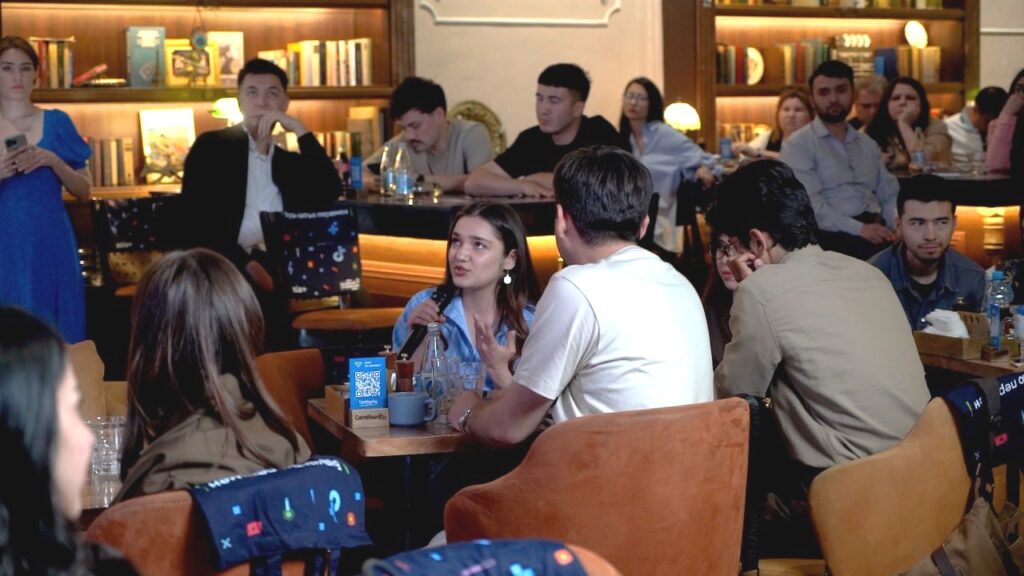
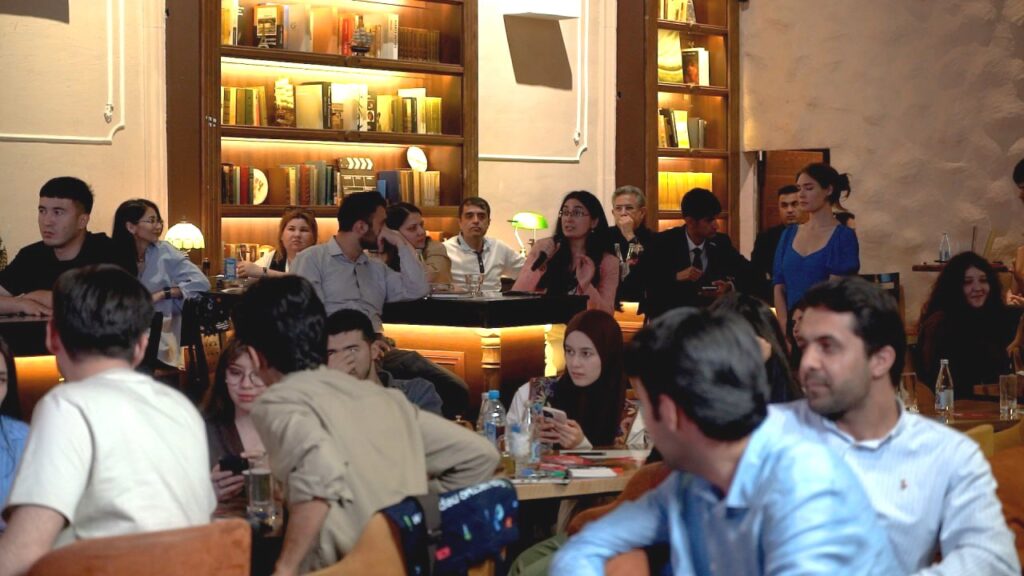
The format of the meeting itself enhanced this discussion. The organizers consciously rejected the lecture model, and the evening turned into a lively discussion where participants asked sharp questions, argued, and shared their experiences. The discussion continued even after the main program in informal networking, which only confirmed the relevance of the topics raised.
The general partner of the entire IMPACT cycle is the International Bank of Tajikistan.
IMPACT Creative Night became the first meeting in the series. Ahead is another pre-event in June and the final IMPACT Forum in September. But it is already becoming clear: such meetings are gradually shifting the market focus from tools to audience understanding, from reach to trust, and from advertising to influence.