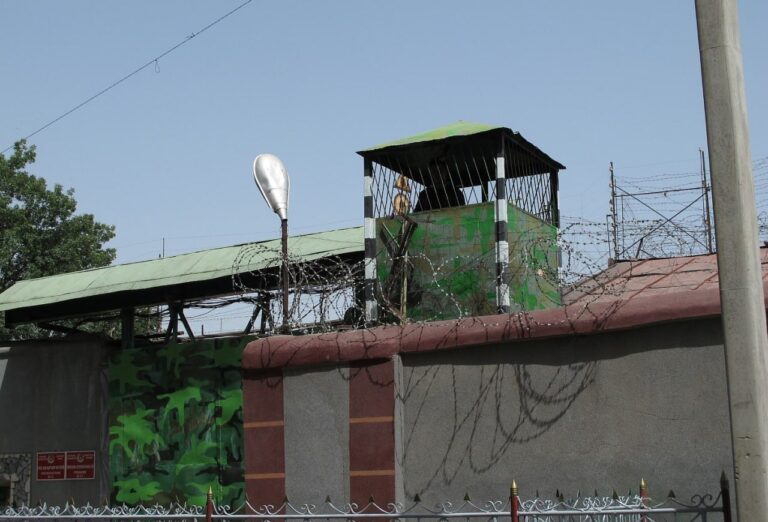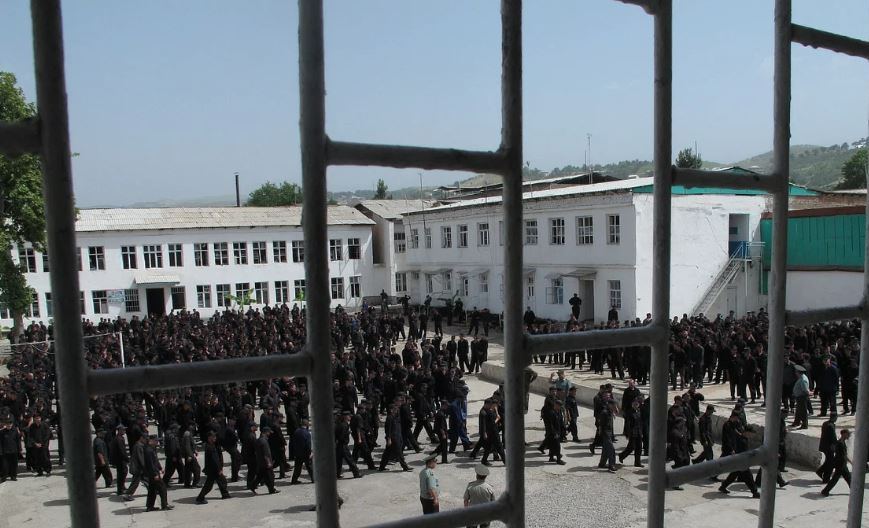
In the annual report, the Human Rights Commissioner of Tajikistan generally gave a positive assessment of the conditions in the country’s prisons, noting the availability of access to medical care, libraries, telephones, and basic infrastructure. At the same time, several serious shortcomings were identified in pre-trial detention centers.
The report is based on the results of visits to correctional facilities and interviews with inmates and staff. During the monitoring, 250 people were interviewed, including 150 convicts and 100 staff members.
Shortcomings in detention centers
The ombudsman reported that problems persist in temporary detention centers. In particular, in several districts, including Ishkashim (Gorno-Badakhshan Autonomous Region, or GBAO), Shamsiddin-Shohin and Mu’minobod (Khatlon province), there is no special transport for the transfer of suspects. A lack of medical staff is also noted.
Improvements in facilities
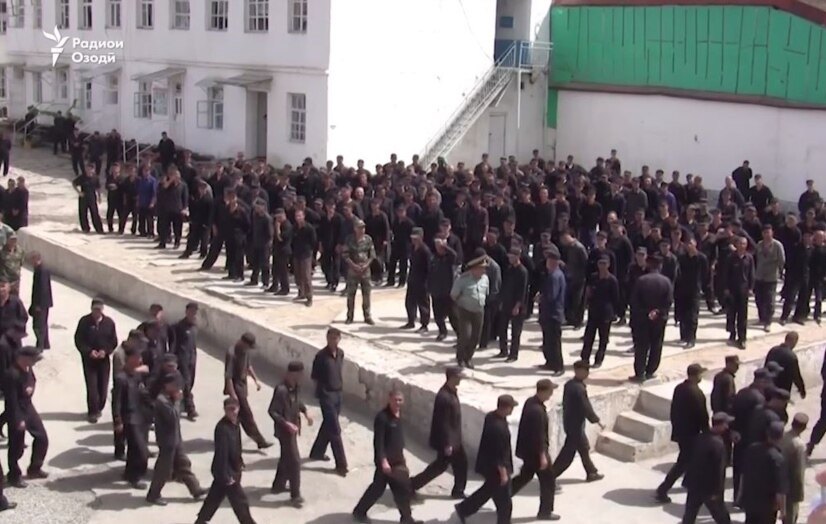
In some facilities, including penal colonies YS3/1 and YT9/4 (Vahdat and Kulob), as well as detention centers in Shamsiddin-Shohin, Mir-Sayedd-Ali-Hamadoni and Muminobad districts, conditions are gradually improving: sleeping quarters, visiting rooms, dining areas, and work zones are being modernized.
In Khujand-based penal colony (YS3/3), a building for the adaptation of inmates with a dormitory, dining room, bathhouse, and educational facilities has been constructed. In Dushanbe-based penal colony (YS3/4), a new sanitary complex was introduced, and in YS3/5 penal colony in Khujand, a building for 600 places with extended infrastructure, including premises for long visits, was built.
All correctional facilities have libraries, access to printed publications, facilities for cultural events, and medical centers. Hospitals operate in two facilities. More than 400 phones have been installed for communication with relatives.
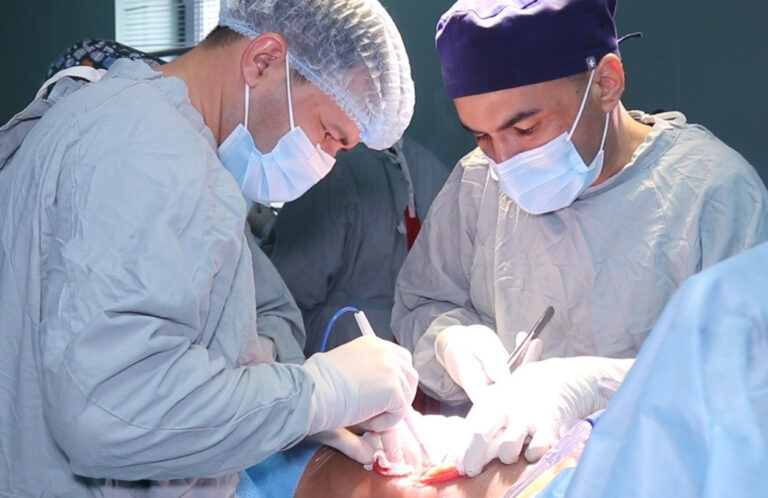
Medical assistance
According to the report, in 2025, medical assistance was provided to 9,740 inmates, more than 19,000 underwent examinations, over 8,000 received emergency assistance, and 235 people were referred for planned treatment.
For those sentenced to life imprisonment, conditions have improved: cells have been renovated, access to media is provided, and televisions and radios have been installed. They are provided with daily walks and weekly bath visits.
Recommendations
The ombudsman recommends enhancing access to medical care, creating new jobs for inmates, implementing online communication with relatives, and providing detention centers with special transport.
Complaints and criticism
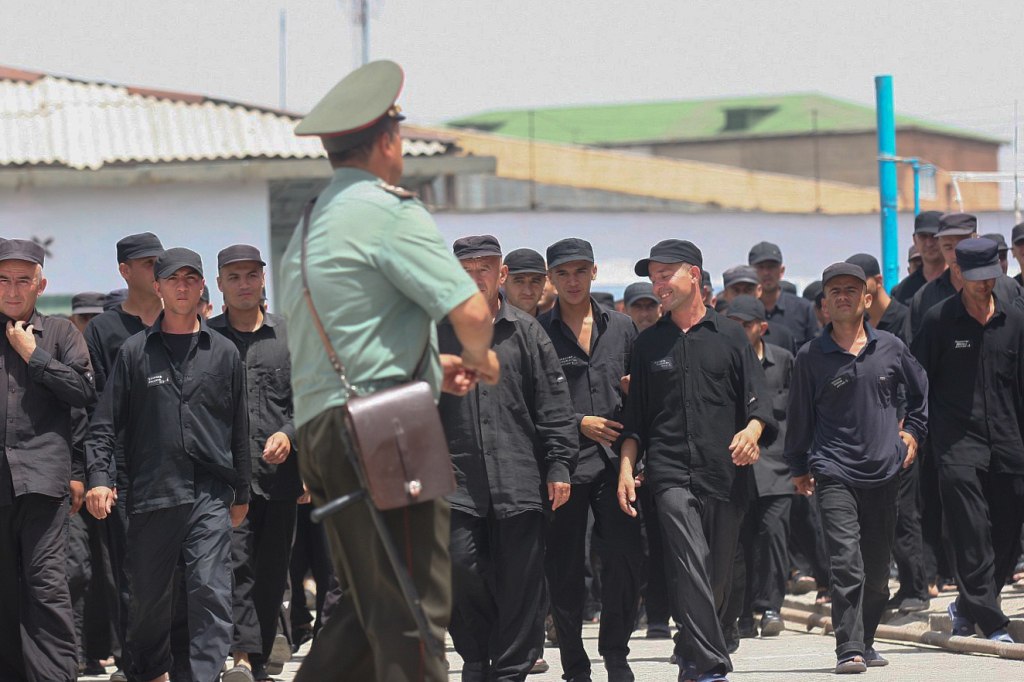
Despite the positive assessments, relatives of inmates continue to report rights violations and cases of torture.
In particular, the family of the jailed journalist Abdusattor Pirmuhammadzoda claimed that he was denied surgery outside the prison, citing the capabilities of the prison hospital. According to them, in 2025, he was held in solitary confinement for a long time and was later transferred for treatment.
Earlier, Justice Minister Muzaffar Ashuriyon reported to the UN Committee Against Torture that 449 people died in Tajikistan’s prisons over six years. The main causes were diseases, including cardiovascular diseases, tuberculosis, and cancer.