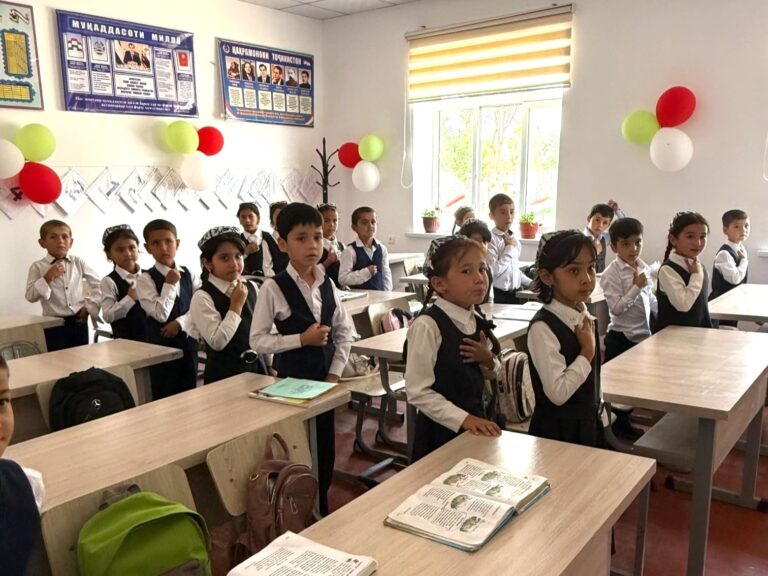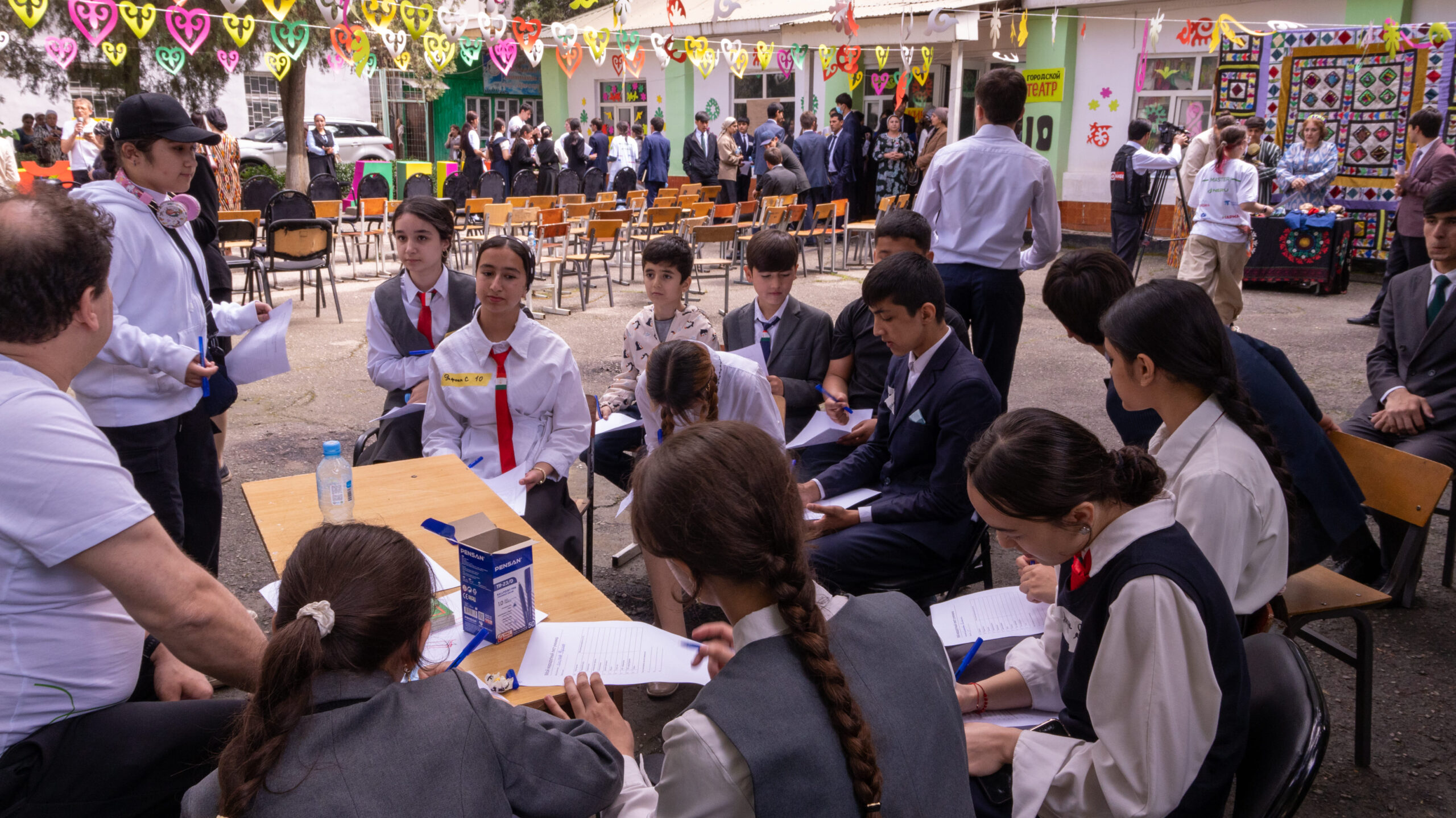
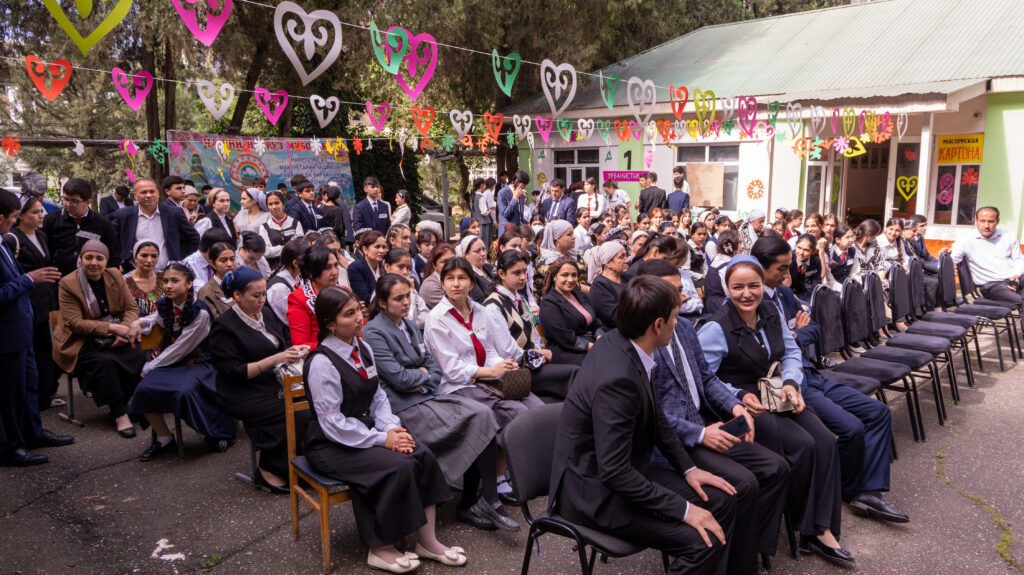
In Dushanbe, the cross-cultural educational festival “New Day” is taking place — an international educational format that brings together schoolchildren, masters, teachers, the city, culture, creativity, modern technology, and practical learning. It started on May 2 and will last until May 10.
The festival is held as a space where children not only acquire new knowledge but also try themselves in real professional roles: city researchers, actors, directors, journalists, artists, designers, urban planners, artificial intelligence specialists, digital product creators, and authors of their own projects.
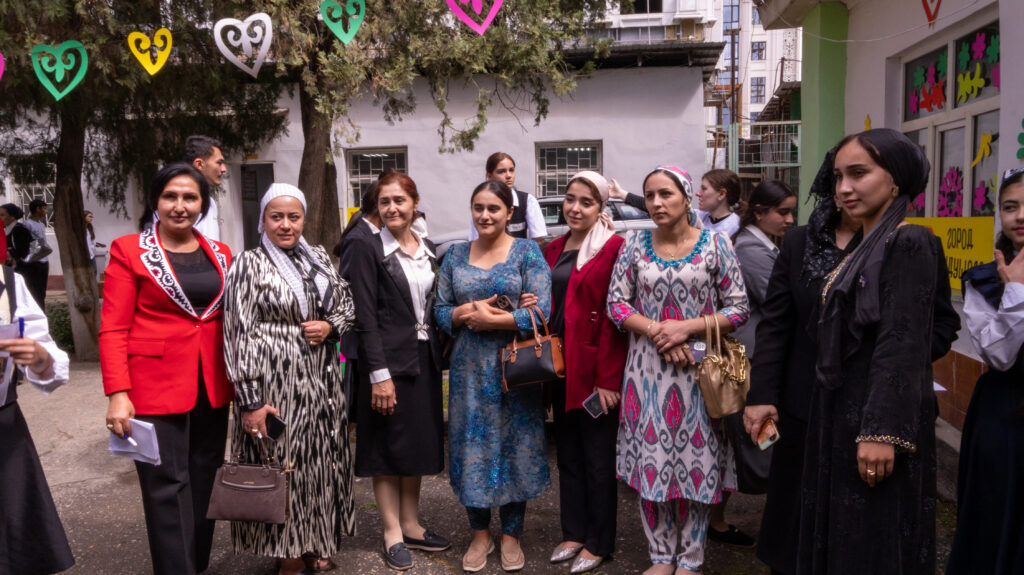
The festival is organized by Teach For Tajikistan / NGO “Ravzanai Donish – Teach For Tajikistan”, the Ministry of Education and Science, and the Center for Additional Education of Children and Adolescents under this ministry.
The organizers of the festival are Teach For Tajikistan, the Ministry of Education and Science of the republic, and the Center for Additional Education of Children and Adolescents under the Ministry of Education and Science. The general sponsor and co-organizer of the festival is the company “NERU”. The festival partners include the companies “Siyoma”, “Marmari”, AKIA Avesto, Asia-Plus, BOXSTORE (RF), SMM-agency NOVA, as well as UNDP with the support of Russian trust funds.
“New Day” – part of a new approach to education
Teach For Tajikistan is a national educational initiative working on expanding children’s and adolescents’ access to quality education, modern skills, and development opportunities. At the center of the organization’s approach is the child, their potential, confidence, ability to think independently, work in a team, and see their future in connection with the country’s development.
The organization is based on a simple but important idea: education should not be limited to only the school curriculum and classroom walls. A modern child should have the opportunity to see the world more broadly — get acquainted with professions, culture, technology, the city, art, media, scientific and creative directions. Such formats help children discover abilities that are not always visible in the usual school environment.
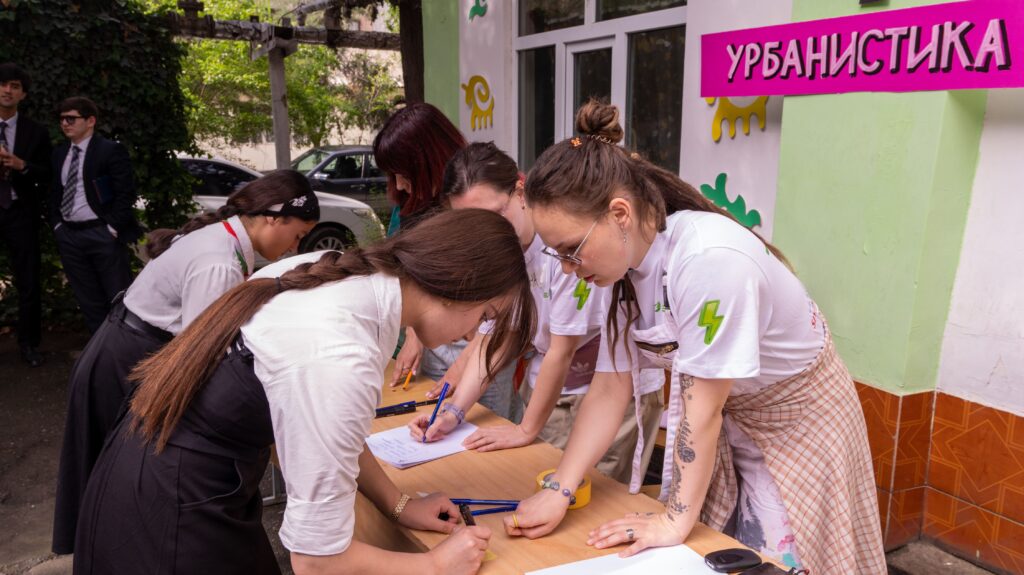
The “New Day” festival is part of this approach. It is designed to give students a lively, practical, and inspiring educational experience. For several days, children will work together with masters, teachers, and experts, explore the city, create projects, prepare public presentations, and present the results of their work at the final city festival.
This is not a competition or a one-time entertainment event. It is an educational laboratory where a child goes from the first acquaintance with a direction to their own result. They do not just listen about a profession — they try to act as a person of this profession.
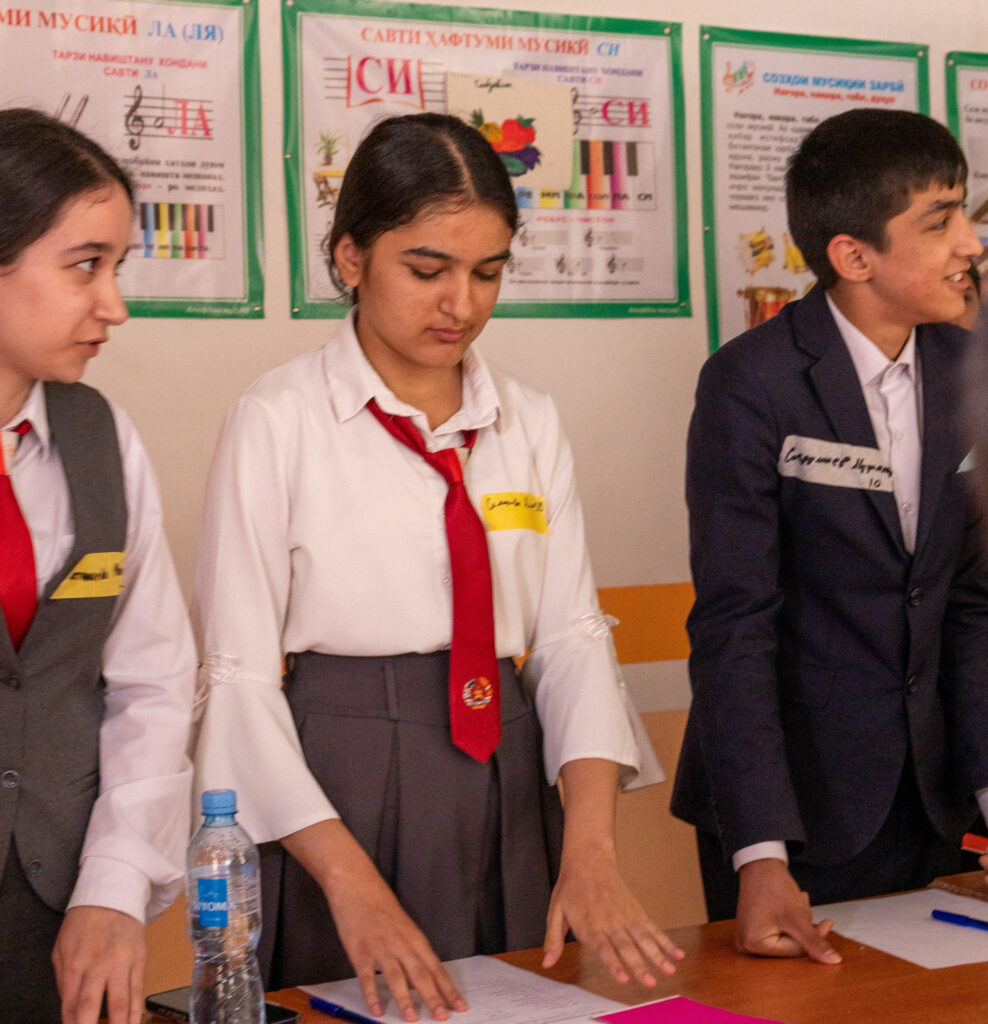
Cross-cultural festival – a new educational format
The cross-cultural festival format has already been implemented in five countries around the world: Russia, Uzbekistan, Kazakhstan, South Africa, and Kyrgyzstan. Now this international educational format is held in Tajikistan. Its methodological foundation was developed by graduates and experts from the global network Teach For All, including representatives of the “Teacher for Russia” community. These are specialists with practical experience working with children, teenagers, schools, urban communities, creative laboratories, and educational programs in different countries.
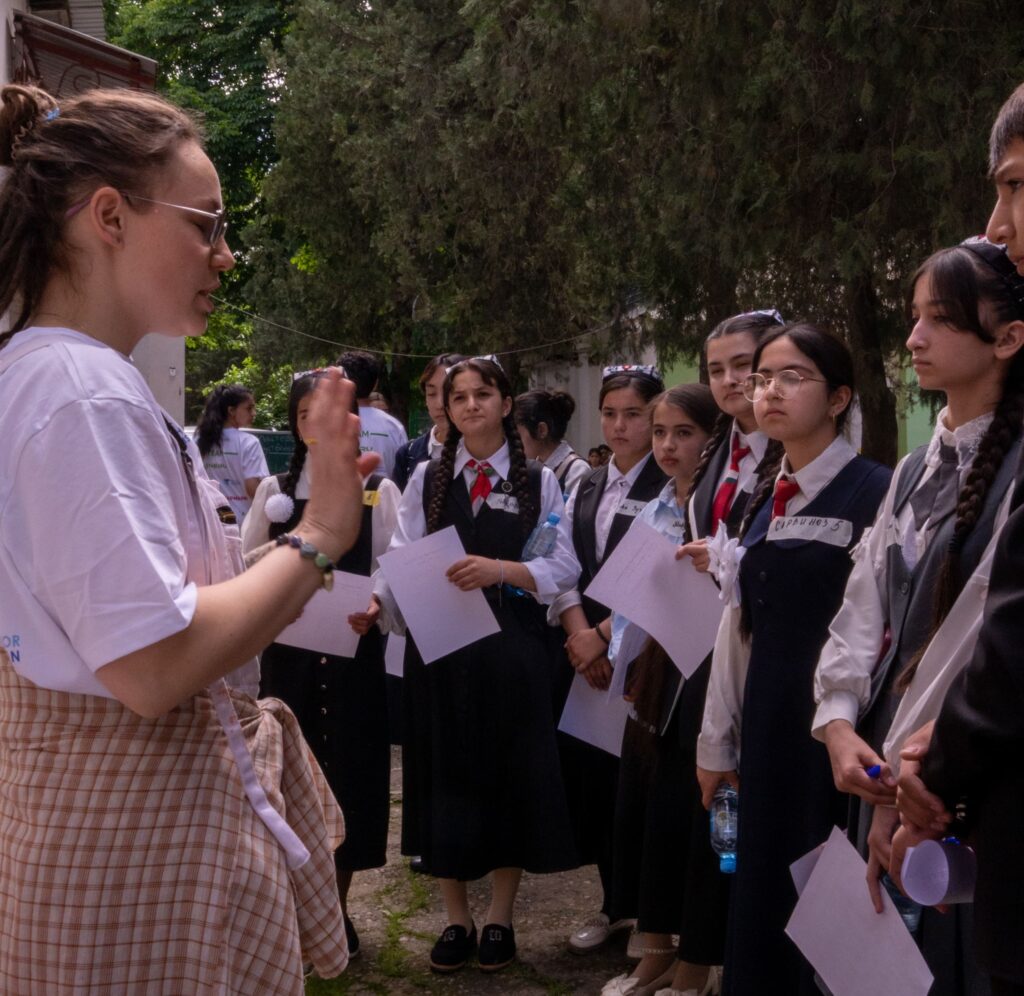
The peculiarity of the festival is that the international experience is not transferred mechanically. It is adapted to the context of Dushanbe, to the age of the participants, to the cultural environment of Tajikistan, and to the tasks of developing modern education. Therefore, “New Day” is not an imported project but a living format that combines international methodology and local content.
For Tajikistan, holding such a festival has special significance. Today, the country pays great attention to the development of human capital, quality education, digital skills, culture, youth policy, and modern professional competencies. On the eve of the 35th anniversary of the State Independence of the Republic of Tajikistan, it is especially important to create spaces for children where they can feel part of the country’s future.
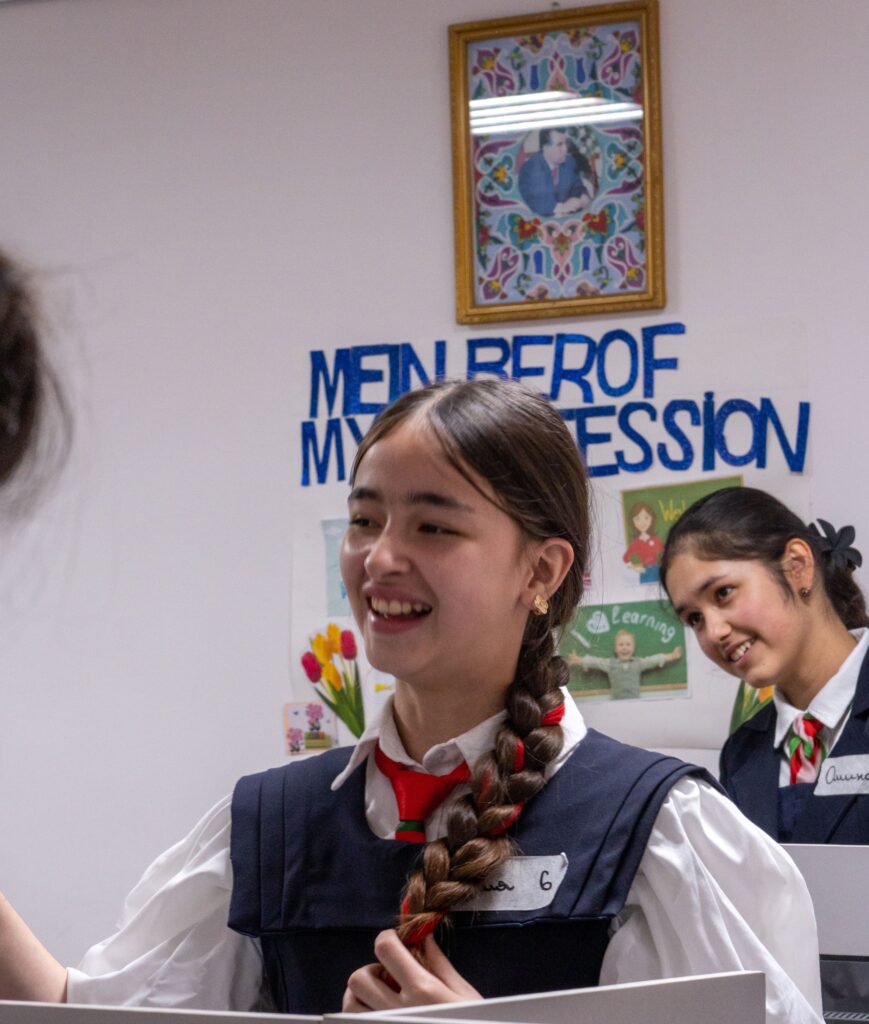
Thinking, choice, initiative, and the ability to create
The festival helps schoolchildren see that the future of Tajikistan is connected not only with large state programs but also with their own thinking, choice, initiative, and ability to create. When a child studies the city, makes a film, works with artificial intelligence, creates an art object, conducts an interview, performs on stage, or develops a city souvenir, they begin to understand: their ideas also matter.
One of the key meanings of the festival is the connection between education and the city. Dushanbe, within the framework of the festival, becomes not just a venue but a real educational environment. Children will study urban life, architecture, streets, public spaces, cultural symbols, history, and the modern image of the capital. Through this, students develop a deeper sense of connection with the city, respect for the environment, and an understanding of their role in society’s development.
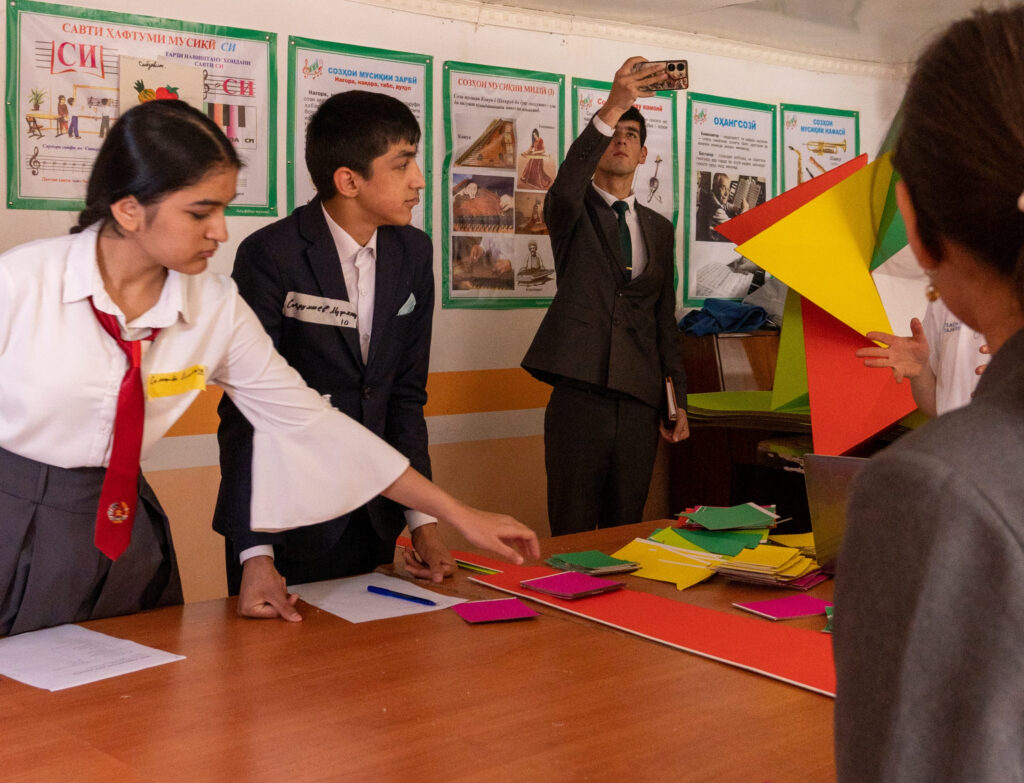
The festival shows children that the city is not just roads, buildings, and squares. The city is people, memory, culture, movement, ideas, professions, images, routes, and opportunities. When a child begins to see the city more attentively, they start to relate differently to their school, district, street, country, and future.
A major emphasis in the program is on career guidance. The organizers chose the workshop format precisely because it allows children not just to hear about different professions but to feel inside the professional process.
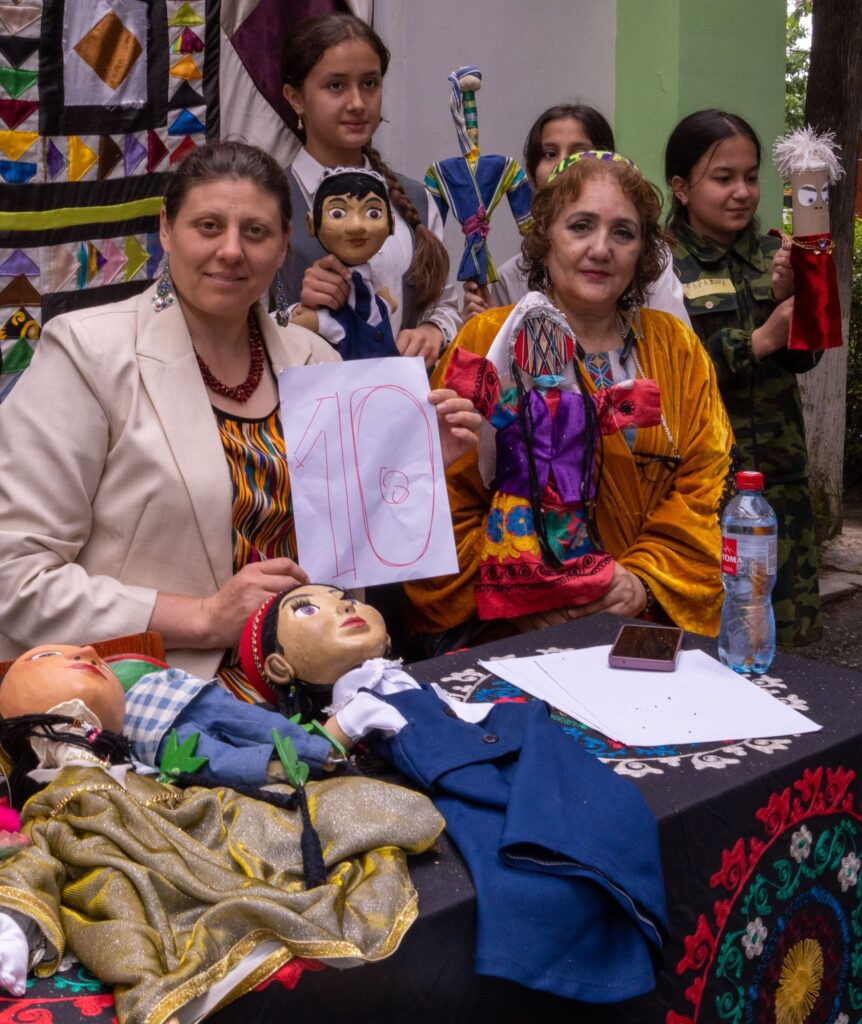
In a regular lecture, a child can be told who a director is. In a workshop, they can come up with an idea, discuss it with the team, shoot a scene, see the complexity of working with an image, and present the result to the audience. In an ordinary lesson, artificial intelligence can be explained.
In a workshop, a child can try using digital tools to create a city image. Theater can be talked about — but a completely different experience arises when a student goes on stage, works with voice, body, emotion, and partners. Urban planning can be discussed — but it is much more powerful when a child walks through the city, observes, asks questions, and proposes ideas.
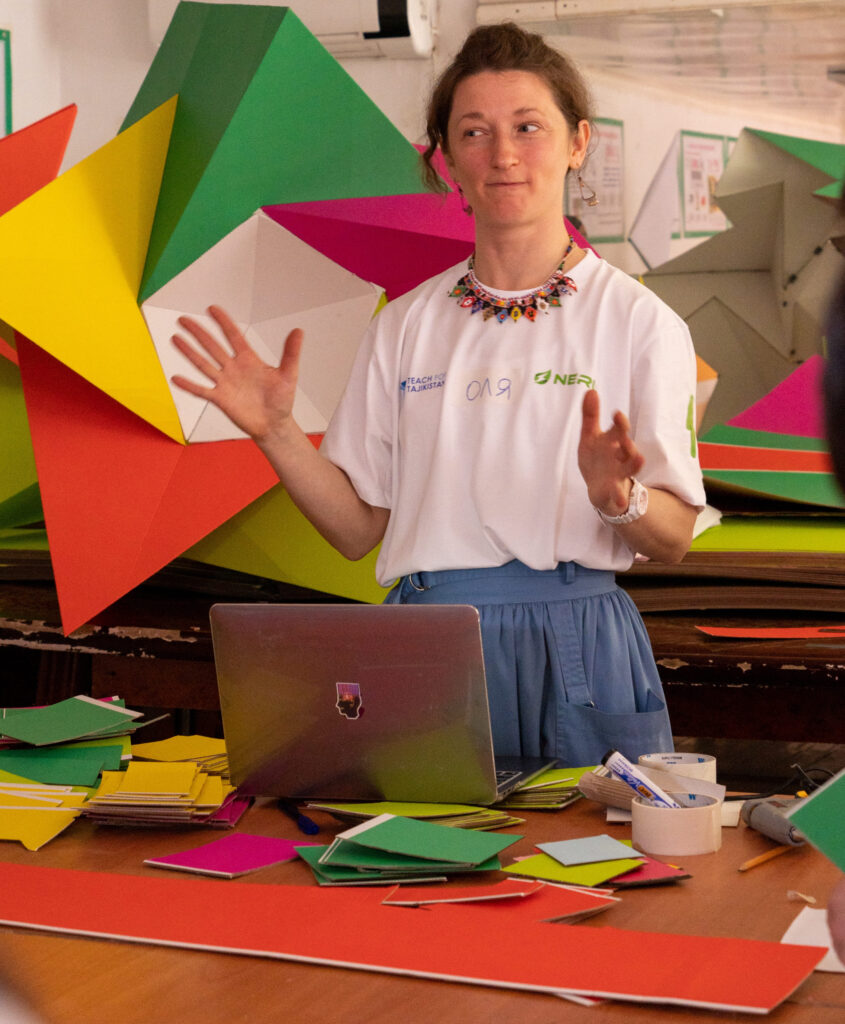
That is why workshops become the main format of the festival. They give children the opportunity to try, make mistakes, create, discuss, defend their idea, and see the final result of their labor. Such experience is especially important for teenagers in grades 7-10, who are at an age of active self-discovery, exploring their interests and future professional trajectory.
Vivid impressions and real educational results
The festival program involves masters from Tajikistan, Moscow, and Tashkent. These are specialists in cinema, media, urban planning, architecture, theater, visual arts, artificial intelligence, music, design, and educational programs. Alongside them, accompanying teachers will work, helping children navigate the intensive program in an understandable, safe, and supportive environment.
The final day will be the culmination of the festival. Each workshop will present its result: exhibitions, models, digital projects, media materials, stage elements, art objects, city ideas, videos, performative and visual formats. Children will come to the public not as spectators, but as authors and presenters of their own projects.
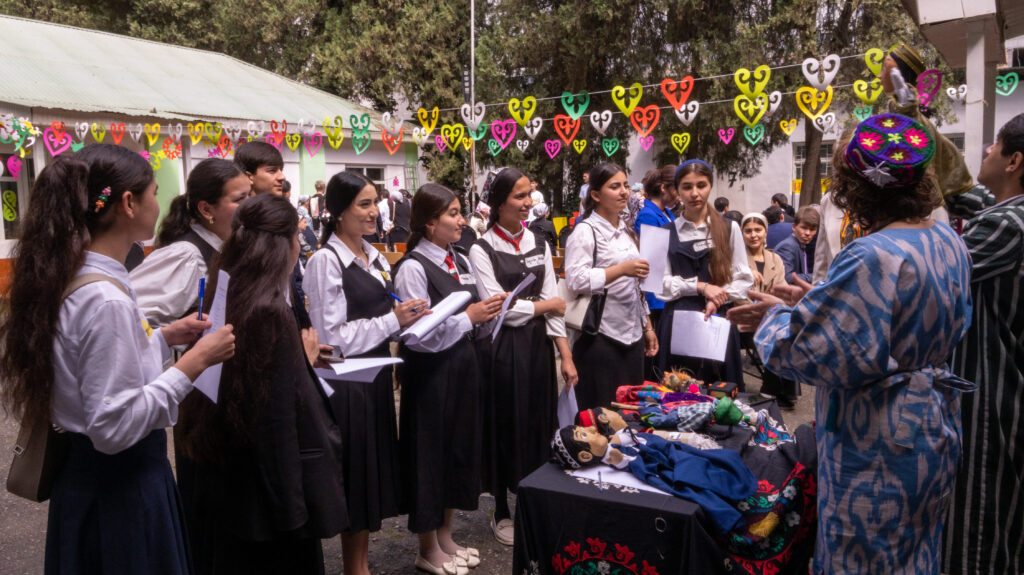
For participants, this will be an important moment of recognition. For schools, it is an opportunity to see their students in a new role. For parents, it’s a chance to see the potential of the child beyond ordinary academic grades. For the city, it’s an example of how education, culture, and technology can unite around children and shape a new urban agenda.
The festival also creates a space for intercultural exchange. The participation of masters from different cities and countries allows children to get acquainted with different professional approaches, educational practices, and cultural perspectives. However, the focus remains on Dushanbe and Tajikistan: on how international experience can help children better see their country, their city, and their own opportunities.
It is expected that by the end of the festival, participants will gain not only vivid impressions but also real educational results:
— experience in teamwork;
— public presentation skills;
— familiarity with modern professions;
— understanding of the urban environment and their role in its development;
— experience in creating their own project;
— development of creative and critical thinking;
— confidence in themselves and their abilities;
— live contact with masters and professionals;
— a sense of involvement in the life of the city and the country.
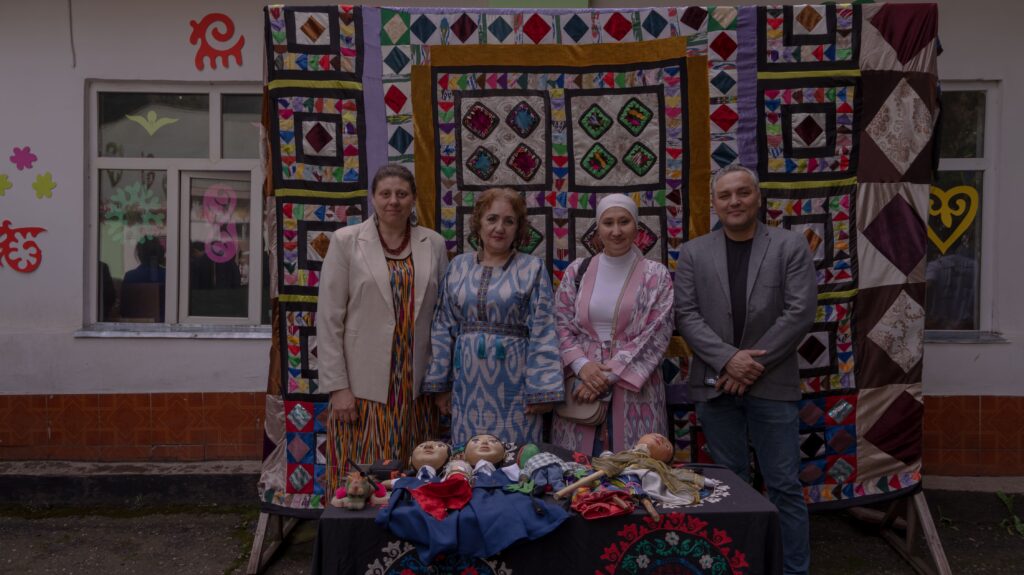
The “New Day” festival is a project about the future. About the future of education, where children learn through action. About the future of the city, where students become not only observers but participants in urban life. About the future of the country, where a new generation grows with a sense of dignity, curiosity, responsibility, and belief in their own strengths.
The organizers express their gratitude to all partners, masters, teachers, parents, and participants who support the festival and help create a space of new opportunities for children.