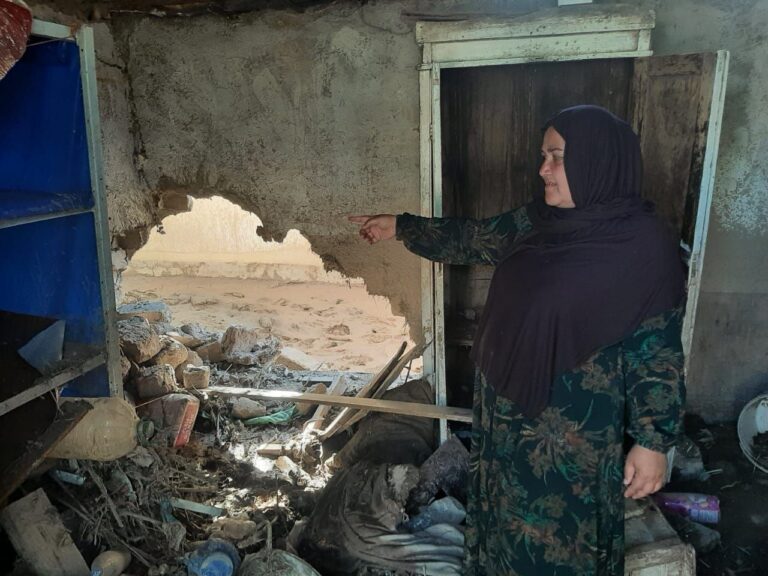
More frequent and severe droughts, floods, landslides, heat, and air pollution are just some of the impacts Tajikistan faces from climate change. These disasters underscore the need for urgent action to protect the country's people and economy from climate shocks.
According to the Tajikistan Country and Climate Development Report, prepared by the World Bank in collaboration with Tajikistan’s Committee for Environmental Protection, the cost of inaction would be high: climate change-related damages to infrastructure, livestock productivity, and agriculture could reduce real GDP by 5-6% by 2050; the annual average costs of land degradation in Tajikistan are estimated at nearly $325 million, which is only expected to double by 2050; air pollution already accounts for 84 deaths per 100,000 residents—the second highest in Central Asia—that would only worsen without investment and policy reform; and climate impacts could push an additional 100,000 people into poverty, with women, children, and persons with disabilities most at risk.
Climate action offers Tajikistan an opportunity to transform its economy and create jobs while protecting its people from the growing risks of extreme weather events induced and exacerbated by climate change. While the Government of Tajikistan has outlined an ambitious plan to green the country's economy, the World Bank Group’s CCDR finds that it can go further to ensure a resilient development path.
The green and resilient transformation will require reforms to open markets and mobilize private investment and hinges on implementing a broad suite of structural reforms to lay the foundation for low-carbon development. In particular, Tajikistan should focus on opening up its economy to better attract private investment and improve public service delivery, including through better governance in state-owned enterprises. In addition, strengthening the education, healthcare, and social protection systems is vital for human capital development and equipping the workforce with the needed skills.
Policy packages
The Tajikistan CCDR sets out five policy packages to enhance the country’s resilience to climate change, accelerate low-carbon development, and ensure an inclusive green transition:
- Strengthen institutions and regulations for better implementation of climate adaptation, resilience and mitigation, including the introduction of price incentives, sovereign risk financing mechanisms, carbon accounting and climate budgeting.
- Implement just and inclusive climate strategies through equitable benefit sharing for renewable resources, livelihood and employment support for vulnerable households affected by climate and economic shocks, green reskilling, and expanding local government capacity, budget, and incentives to engage rural and urban communities in climate action
- Mobilize climate finance to enhance the capacity of government agencies, private firms, and financial institutions to collect and analyze climate-related data, strengthen the assessment of climate-related risks in the banking sector and enforce reporting requirements aligned with a uniform green taxonomy, develop risk-sharing mechanisms, and promote green bonds.
- Strengthen adaptation at the water-energy-food nexus by upgrading water infrastructure, improving reservoir management, and modernizing irrigation systems, while restoring degraded lands with nature-based solutions; enhance land use regulation; scale up climate-smart agriculture; build capacity for disaster risk management with climate change informed early warning systems, and for resilient connectivity in key corridors while managing landslide risks.
- Accelerate low-carbon development to boost economic growth, energy security, exports, and jobs while improving air quality through hydropower and solar generation investments from public and private sources; enhance energy efficiency in buildings and transport and improve energy security and reliability.
Tajikistan stands to reap considerable benefits from advancing these policies to enhance resilience to climate change, accelerate low-carbon development, and ensure an inclusive green transition: reduced costly air pollution, road accidents, and road damage; improved water, energy and food security; strengthened connectivity; lower the risk of extreme weather events; restore 500,000 hectares of degraded land through nature-based solutions; near net-zero emissions in power and buildings by 2040; achieve net-zero emissions in transport and waste by 2050; and increase livestock productivity with a 30% reduction in methane emissions.
Adaptation and resilience measures can cut the economic impacts of climate change by half and the low-carbon growth model can boost GDP by 6% by 2050, with diversification, increased exports, and better jobs. Mobilizing private finance to complement limited public resources will be key to the success of the green transition to achieve water, food, and energy security; and protect the vulnerable through effective climate strategies.
Implementing this climate mitigation and adaptation agenda will require around US$17 billion on top of the US$79 billion in investments to meet the government's ambitious reform agenda for 2025–2050. A large share of these investments could come from the private sector, particularly in energy, industry and agriculture, but improvements to the business regulatory environment, opening up the economy and leveling the playing field for better competition will be key for unlocking private capital.
Transformational development will require taking full advantage of all sources of finance, internal and external, including foreign investments, particularly grants and concessional loans from international financial organizations, global climate funds, and other development partners.