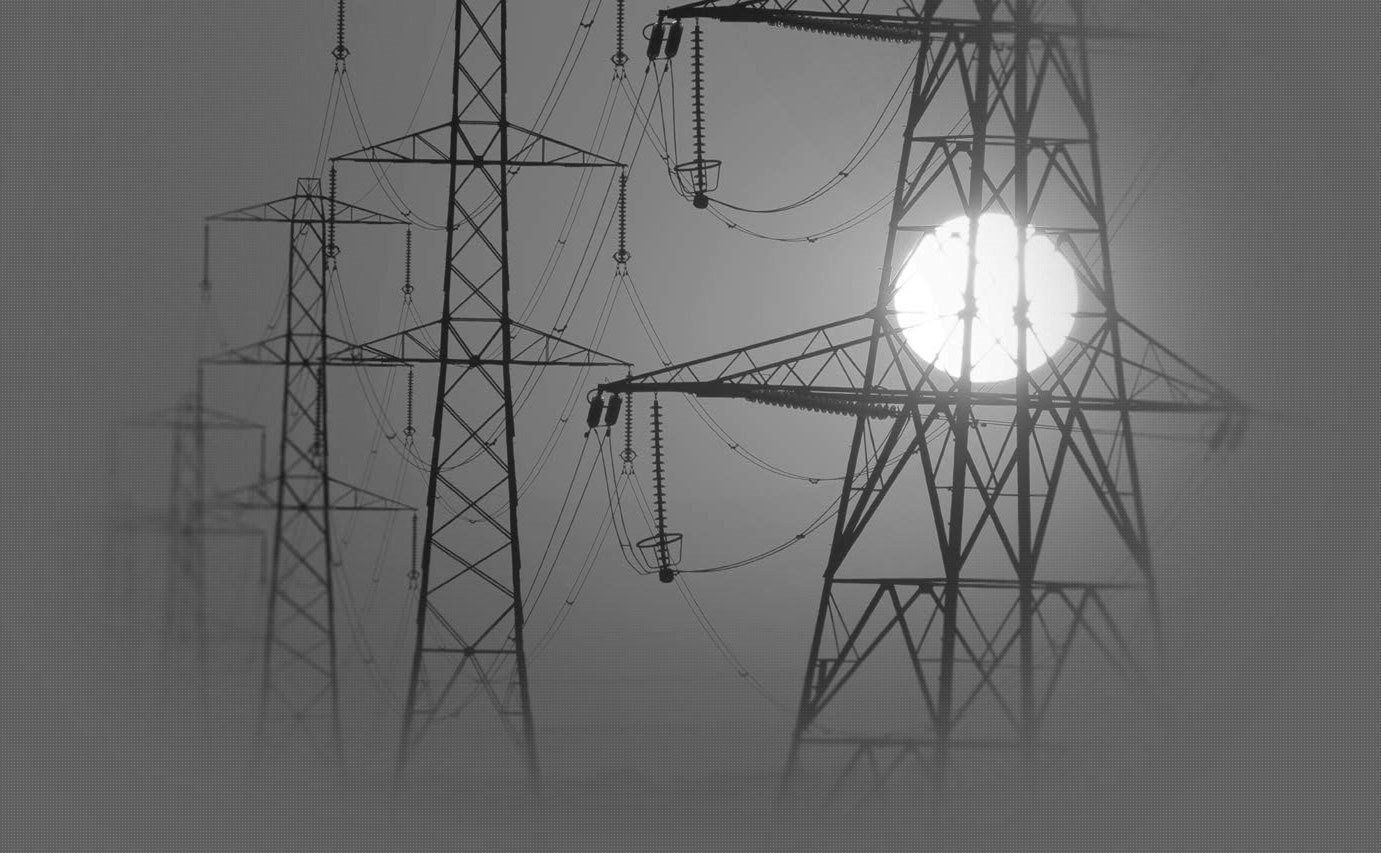
A project for the roadmap of the regional electricity market was presented in Dushanbe. It addresses the need for the integration of energy systems across Central Asia to prevent any country from experiencing electricity shortages.
Currently, the region faces energy losses of 12.8% and interregional disruptions, which threaten the energy security of the countries.
At the meeting of the expert group on the organization of the regional electricity market for the member states of the Economic Cooperation Organization (ECO) on November 27, the "Draft Roadmap for the Regional Electricity Market of the ECO" was presented. This roadmap will become a crucial step in the development of energy cooperation among the countries of Central Asia.
Unused energy potential
The roadmap for creating an interconnected regional power system in Central Asia emphasizes that the region still heavily depends on coal and gas, despite its abundant natural resources and potential for renewable energy sources. For example, Uzbekistan depends 88% on natural gas for electricity production. By 2040, the country faces the risk of depleting its gas reserves, requiring investments in renewable energy.
Kazakhstan, on the other hand, intends to reduce coal energy production by 50% by 2030, despite the expected growth in demand.
Kyrgyzstan and Tajikistan possess significant, still largely untapped hydropower potential, with annual electricity production capacities of 158 and 527 TWh, respectively. This potential can be used not only to meet the energy needs of their own countries but also those of neighboring states.
Turkmenistan has substantial potential for solar energy production.
To reduce environmental impact and lessen the burden on fossil resources, investment in renewable energy is necessary. The region's current infrastructure is not yet ready to integrate large renewable energy capacities, which requires significant investment. Efficient regional coordination could improve grid stability.
Unified energy system
The region faces electricity losses (12.8%) and interregional disruptions, which threaten energy security. To improve the situation, investments in new high-voltage lines and the creation of an integrated system are required.
Currently, countries in the region are developing their energy strategies separately, without considering the interdependence of their energy systems. Integration of these systems will provide access to renewable sources and increase flexibility, allowing countries to exchange electricity in times of shortage. This will also improve system stability and reduce dependence on carbon-based energy sources.
A unified energy system would allow for more efficient use of natural resources, such as gas and uranium, and significantly increase the share of low-carbon energy.
Energy market integration will reduce electricity tariffs, increase competition, and contribute to the region's economic growth, job creation, and improved gender parity.
Successful regional energy integration requires a comprehensive approach that creates a unified environment for sustainable development and prosperous cooperation. To effectively integrate energy infrastructure and markets in Central Asia, a multidimensional, comprehensive approach is necessary, encompassing technical, political, financial, and organizational considerations, and will foster a favorable environment for realizing the economic and environmental benefits for the countries of the region.