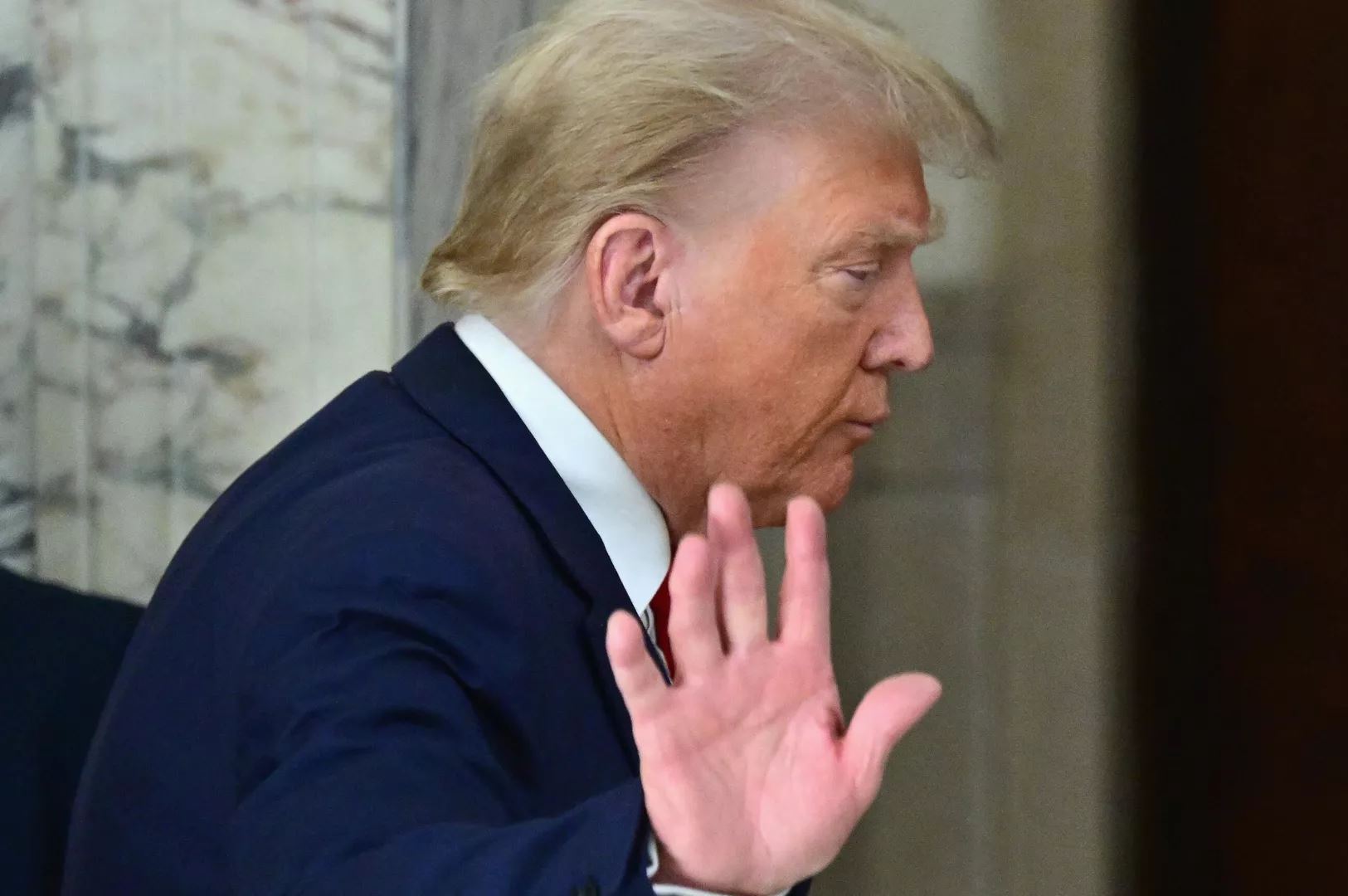
Tajik political scientist Muhammad Shamsuddinov believes that the immigration policy of President-elect Donald Trump is closely linked to his broader political agenda, which is reflected in his slogans "Make America Great Again" and "America First." As part of this agenda, Trump intends to prioritize internal development, primarily focusing on U.S. citizens.
The expert notes in his article that it is important to remember that Trump's electoral base consists mainly of "white" American workers and "nationally" oriented citizens, who are generally hostile toward migrants and have little tolerance for them. It is this group that helped him win the recent elections. Accordingly, Trump will try to fulfill the promises he made to this electorate, particularly those related to reducing illegal immigration.
Another reason for this immigration stance might be the rise of problems linked to illegal immigration, such as crime. Trump has frequently attacked migrants, blaming them for the spread of crime in the United States.
Shamsuddinov says that according to the Associated Press, Trump stated: "On day one, I will launch the largest deportation program in American history to remove criminals." He also declared: "We will throw them out of our country as quickly as possible."
To cleanse the country of migrants, he is even prepared to invoke a state of emergency and use military forces.
What's the problem?
In recent years, attempts to illegally cross the U.S.-Mexico border have sharply increased. For example, between 2021 and 2023, 6.3 million people attempted to cross this border illegally. On a daily basis, the U.S. Border Patrol reports up to 15,000 such attempts. The highest number was recorded in the final three months of 2022 when 300,000 illegal migrants crossed the border. Currently, the number of illegal immigrants in the U.S. has reached 11 million people, or 3% of the population.
The majority of these migrants come from Latin American countries. While previously most of the migrants were from countries in close proximity to the U.S. border, now countries like Venezuela, Cuba, Honduras, and Haiti are contributing significantly to the migration flow. The primary causes of this migration include economic hardship and political instability in these countries. In addition to seeking jobs, many migrants cross the border to gain refugee status, which offers them various benefits and privileges—leading to dissatisfaction among taxpayers and some government officials.
Moreover, illegal migrants are often associated with increased crime and the spread of drugs. Experts believe that Latin American drug cartels are using these migrants to smuggle drugs into the U.S.
This situation has created a divide within American society and between different regions of the country.
How will this affect Tajikistanis?
Shamsuddinov notes that back in May of this year, Wall Street Journal reported that Trump intended to expel around 15-20 million migrants, nearly the entire illegal migrant population. This policy could affect Tajik citizens as well.
While there are no exact figures on the number of Tajik migrants in the U.S., estimates suggest that the number could range from 7,000 to 10,000 people. According to American media, from 2020 to 2024, 1,500 Tajik nationals crossed into the U.S. through the southern border, compared to just 26 individuals between 2006 and 2020.
The rising number of Tajik nationals attempting to cross the southern U.S. border may indicate an increase in illegal Tajik immigrants, who could be subject to potential measures under President Trump's administration.
The situation is further complicated by negative portrayals of Tajik migrants. For example, in June of this year, U.S. authorities detained eight Tajik nationals who were allegedly linked to ISIS. A few days later, the New York Post reported on the terrorism threat posed by Tajik nationals, quoting former U.S. counterterrorism official Javed Ali, who suggested that the increase in Tajiks crossing the U.S. border illegally might indicate possible terrorist attacks by ISIS in the U.S.
Of course, this scenario is exaggerated in the context of the U.S. election campaign and political rivalry, as well as in the wake of the events at "Crocus City Hall." However, such opinions could seriously affect the situation of Tajik migrants.
Conclusion: is Trump the sunset of the "American Dream"?
The question remains: Is Donald Trump the harbinger of the sunset of the "American Dream"? The tightening of immigration policies, the negative portrayal of migrants, and the aggressive rhetoric against illegal immigrants could indeed represent a shift away from the ideals of inclusivity and opportunity that have historically characterized the U.S. This change in policy, particularly its impact on marginalized groups like Tajik migrants, could potentially reshape the nature of the American Dream, leaving it more inaccessible to those seeking refuge and better opportunities in the United States.