As of April 11, electricity rationing has been lifted across all regions of Tajikistan, Qurbon Ahmadzoda, an official with Barqi Tojik, told Asia-Plus Friday afternoon.
He stated that residents throughout the country will now have 24/7 access to electricity.
A day earlier, representatives of the Joint-Stock Company (JSC) Electricity Distribution Networks also announced that power rationing would be lifted “within one or two days.”
According to Muhammad Ghulomov, head of the electricity distribution control department, water inflow into the Vakhsh River had increased in recent days due to rainfall and warmer weather, making it possible to end the electricity rationing.
He noted that the rationing was originally planned to be lifted on April 10, but the decision was postponed for various reasons.
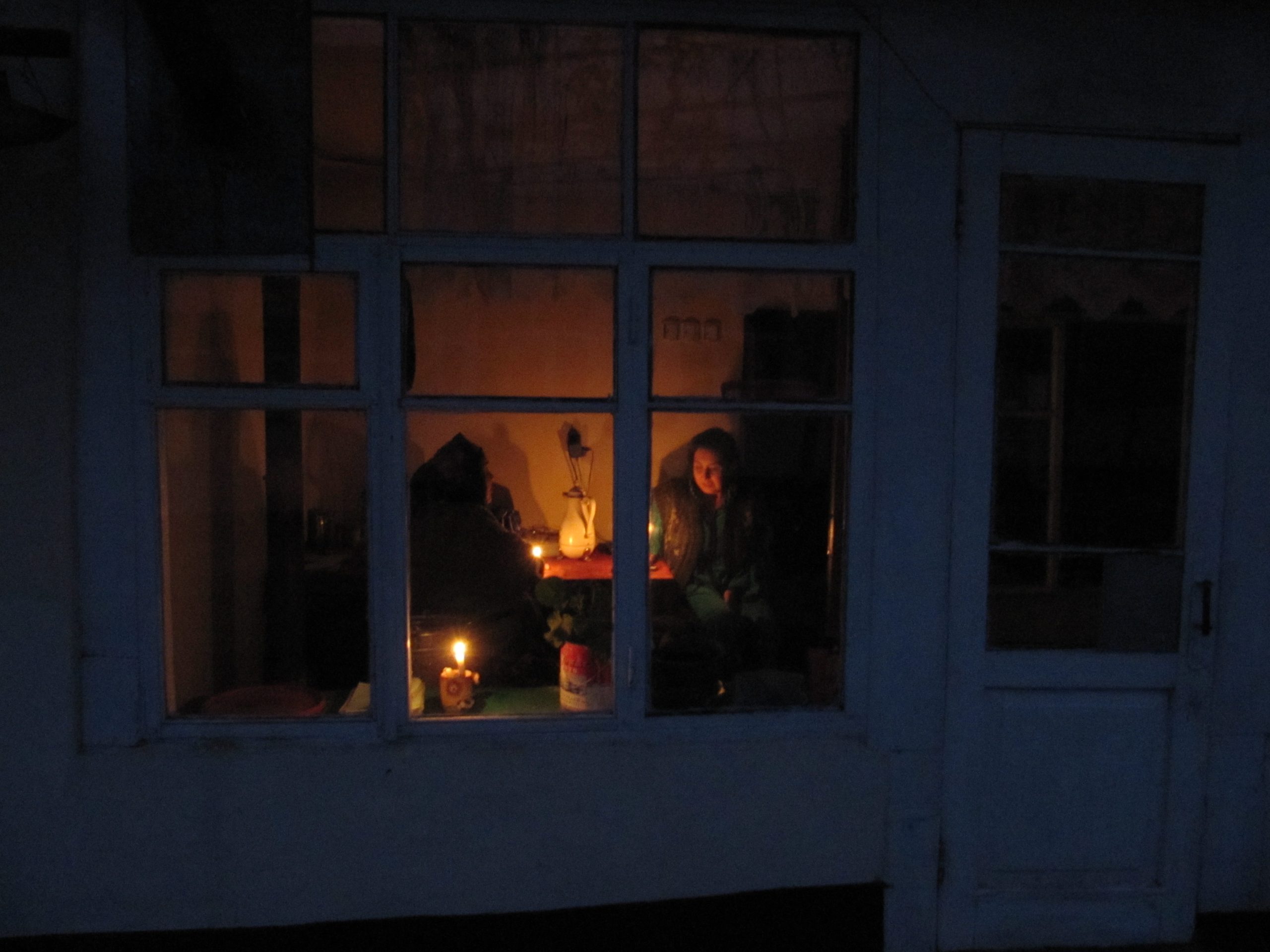
This time, the electricity rationing was officially introduced in the country on September 22, 2024. Barqi Tojik at the time cited water shortages and increased electricity demand as the main causes.
Previously, officials from the Ministry of Energy and Barqi Tojik had stated that power rationing would remain in effect until the full launch of the Roghun hydropower plant.
Measures rationing electricity supplies are usually introduced in all regions of the country except Dushanbe, regional administrative centers and major cities of the country and they seek to curb the country's rising electricity consumption. In addition to curbing rising consumption, the move also stems from a decline in the water level in the country's reservoirs powering the main hydroelectric power plants.
Meanwhile, as of April 1, electricity rates have been raised in Tajikistan. Current prices for one kWh of electricity are 35.36 dirams for residential customers (15-percent increase; additionally, if a residential customer exceeds 10,000 kWh per month, he/she will have to pay 2.3 times more for each additional kilowatt—80.90 dirams); 35.36 dirams for federally funded institutions, municipal organizations, and sports complexes; 60.70 dirams for non-budget educational institutions; 20.77 dirams for the Tajik Aluminum Company (TALCO); 35.36 dirams for JSC Azot (fertilizers plant); 40.45 dirams for textile enterprises; 12.27 dirams for land reclamation and irrigation stations; 16.81 dirams for water supply and sewage pump stations (excluding individual pumps).