Power rationing lifted in Tajikistan

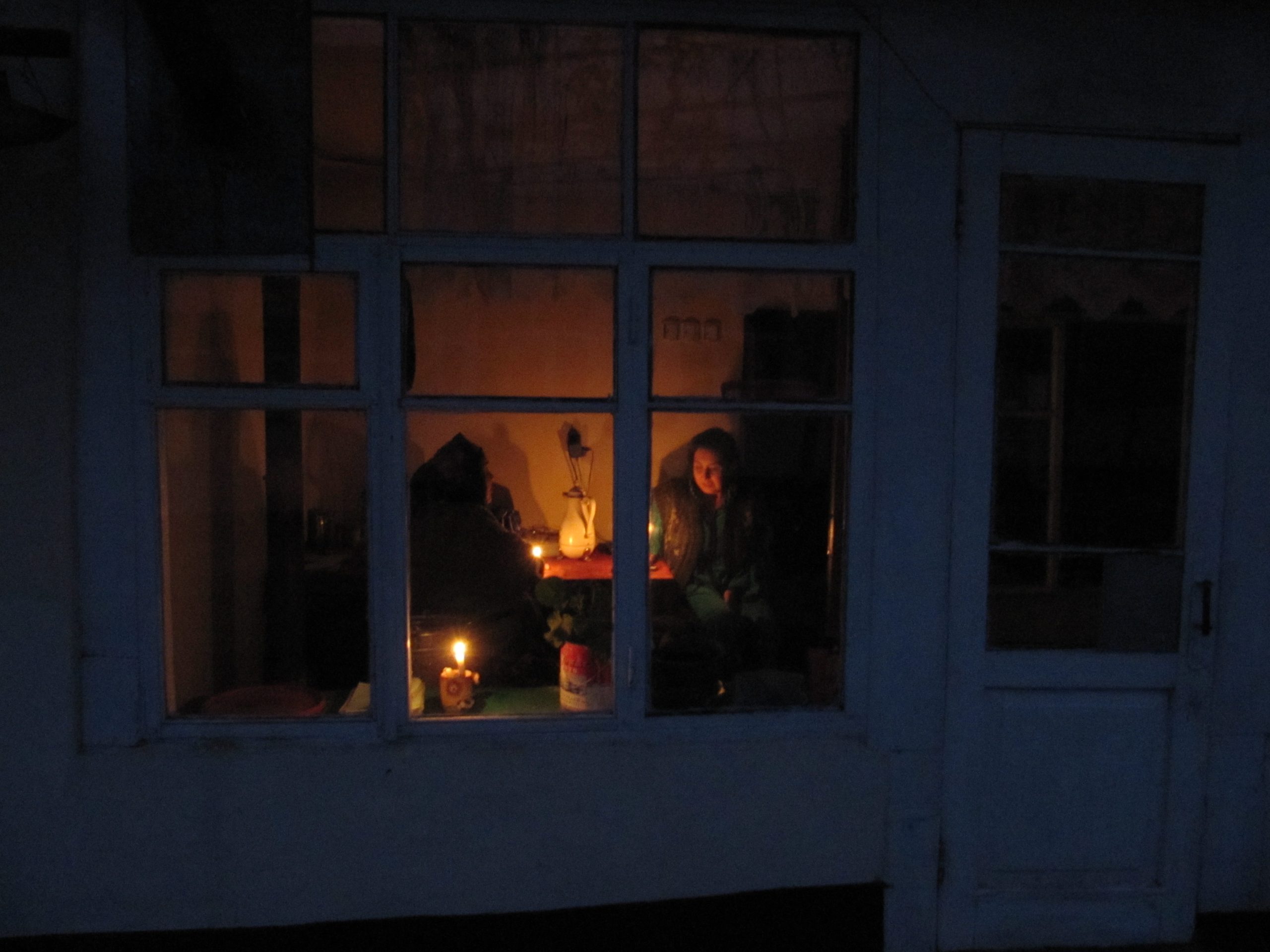
As of April 11, electricity rationing has been lifted across all regions of Tajikistan, Qurbon Ahmadzoda, an official with Barqi Tojik, told  Asia-Plus Friday afternoon. He stated that residents throughout the country will now have 24/7 access to electricity. A day earlier, representatives of the Joint-Stock Company (JSC) Electricity Distribution Networks also announced that power […]

Asia-Plus

As of April 11, electricity rationing has been lifted across all regions of Tajikistan, Qurbon Ahmadzoda, an official with Barqi Tojik, told  Asia-Plus Friday afternoon.

He stated that residents throughout the country will now have 24/7 access to electricity.

A day earlier, representatives of the Joint-Stock Company (JSC) Electricity Distribution Networks also announced that power rationing would be lifted “within one or two days.”

According to Muhammad Ghulomov, head of the electricity distribution control department, water inflow into the Vakhsh River had increased in recent days due to rainfall and warmer weather, making it possible to end the electricity rationing.

He noted that the rationing was originally planned to be lifted on April 10, but the decision was postponed for various reasons.

This time, the electricity rationing was officially introduced in the country on September 22, 2024.  Barqi Tojik at the time cited water shortages and increased electricity demand as the main causes.

Previously, officials from the Ministry of Energy and Barqi Tojik had stated that power rationing would remain in effect until the full launch of the Roghun hydropower plant.

Measures rationing electricity supplies are usually introduced in all regions of the country except Dushanbe, regional administrative centers and major cities of the country and they seek to curb the country's rising electricity consumption.  In addition to curbing rising consumption, the move also stems from a decline in the water level in the country's reservoirs powering the main hydroelectric power plants.

Meanwhile, as of April 1, electricity rates have been raised in Tajikistan.  Current prices for one kWh of electricity are 35.36 dirams for residential customers (15-percent increase; additionally, if a residential customer exceeds 10,000 kWh per month, he/she will have to pay 2.3 times more for each additional kilowatt—80.90 dirams); 35.36 dirams for federally funded institutions, municipal organizations, and sports complexes; 60.70 dirams for non-budget educational institutions; 20.77 dirams for the Tajik Aluminum Company (TALCO); 35.36 dirams for JSC Azot (fertilizers plant); 40.45 dirams for textile enterprises; 12.27 dirams for land reclamation and irrigation stations; 16.81 dirams for water supply and sewage pump stations (excluding individual pumps). 

Join us on social media!

Article translations:

Related Article

Оби зулол
Оби зулол

Most Read

Recent Articles

The only GPW veteran in Dushanbe allocated more than 80,000 somoni

The mayor's office of Dushanbe allocated him 25,000 somoni.

GITEX AI Kazakhstan 2026: how Almaty became the main AI hub of Central Asia

More than 300 companies and startups, over 200 speakers and 100 investors from 50 countries — the region is entering the global stage.

A trade and economic park to be built at the border junction of Tajikistan, Kyrgyzstan, and Uzbekistan

President of the Kyrgyz Republic Sadyr Japarov familiarized himself with the project.

A project to protect soil from degradation to be developed in Central Asia

The initiative is of great significance for the mountainous countries of the region, including Tajikistan.

Mudslide, death, and destroyed homes: hundreds of families in Tajikistan left homeless

A correspondent from "Asia-Plus" visited Kulob and spoke with the families of those who died and were affected by the disaster.

Spring 2026 bright event: new issue of VIPzone now on sale

This issue is about people and ideas that change everything: from business and investments to fashion, food, and urban environment.

Godfrey Sullivan: “Tajikistan is a promising market for Visa to develop digital payments”

The Vice President of Visa explained why Tajikistan is becoming a promising market for digital payments and how artificial intelligence is influencing the future of finance.

Seven students in Dushanbe were threatened with expulsion for arriving at universities in personal cars

The materials for each case have been sent to the Ministry of Education and Science for appropriate actions.

India’s blockchain push and lessons for the global south

The Indian Government has started pushing aggressively its agenda...

India’s blockchain push and lessons for the global south

The Indian Government has started pushing aggressively its agenda...