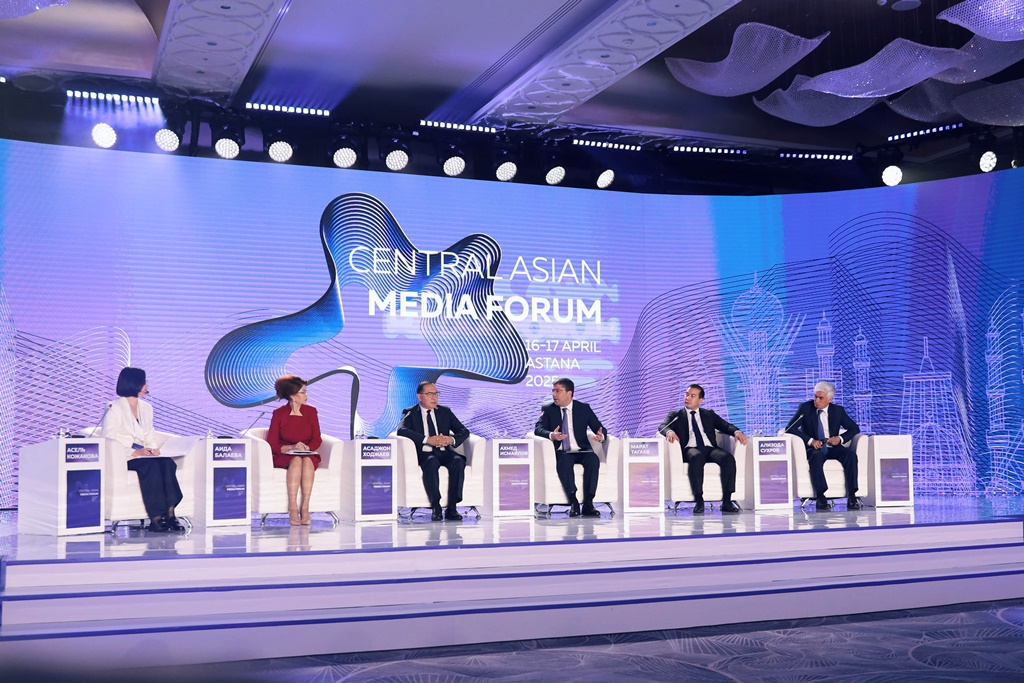
Modern digital technologies require the countries of Central Asia to reassess their approaches to protecting the information space and develop joint solutions. This was stated by the representative of Tajikistan, Suhrob Alizoda, at the 2nd Central Asian Media Forum, held on Kazakhstan’s capital, Astana, on April 16-17.
Speaking on behalf of the Committee for TV and Radio-broadcasting under the Government of Tajikistan, Alizoda emphasized: “Information extremism is not a threat to one country alone. It is a regional challenge that requires a collective response.”
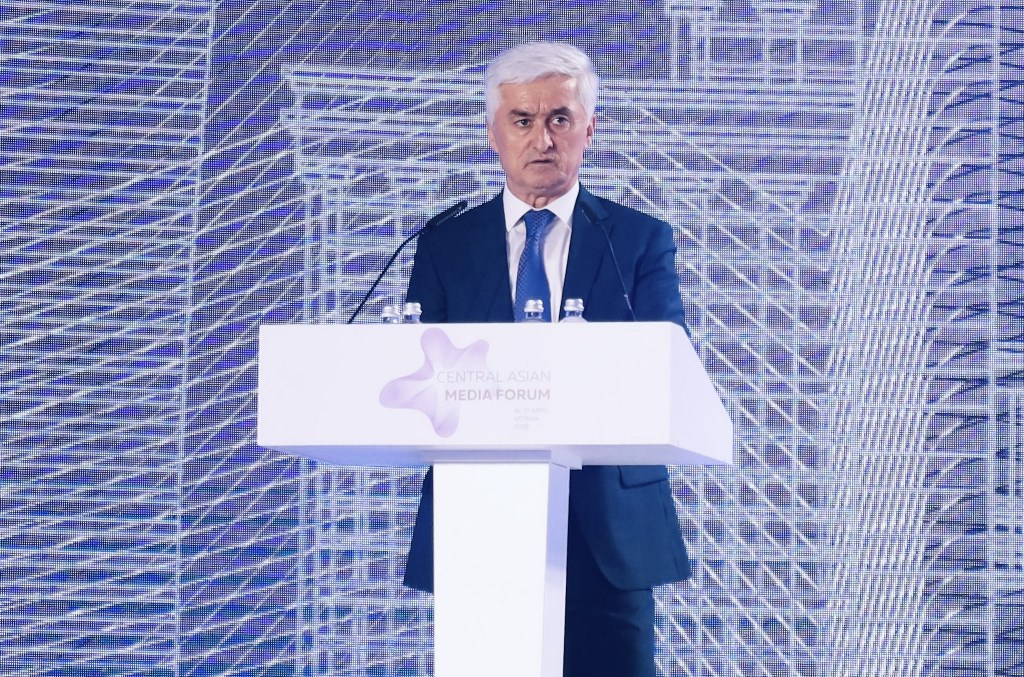
He noted that mass media play a key role in combating fake news, manipulation of public opinion, and undermining trust in state institutions. According to him, the success of combating these threats directly depends on the professionalism of journalists and the coordination of the media communities of the region.
Systemic cooperation in the media space
Alizoda paid special attention to the need for strengthening communication between state and private media structures in Central Asian countries. He suggested creating joint information projects, conducting training seminars, and organizing experience exchanges between the press services of agencies.
“Cooperation should be systemic, not situational. The media can not only inform but also strengthen ties between states,” he emphasized.
Regional events require media attention
“It’s important not just to exchange news. It’s crucial to form a common media space that takes into account the interests of all countries in the region,” Alizoda pointed out. He also stressed that the media plays a significant role in shaping ecological awareness.
Digital technologies: risk or resource?
Other forum participants focused on the ambivalence of digital technologies. On one hand, they create risks: they can be used to spread disinformation, manipulate public opinion, and damage the reputation of government structures. On the other hand, with a proper approach, they become a powerful ally.
Speakers noted that artificial intelligence (AI) can automate routine processes in media production, analyze large volumes of data, and strengthen cross-border communication.
AI cannot replace journalists
It was emphasized at the forum that artificial intelligence cannot replace journalists. Despite its capabilities, AI lacks the knowledge, experience, and critical thinking inherent in professional journalists. The role of AI is to simplify and speed up work, but the true value of content lies in the human approach: journalists create unique stories, analyze events, and interpret them in context, which algorithms cannot replace. According to media experts, AI can be an assistant but should not become a source of content, which will always depend on the professional perspective and analysis of humans.
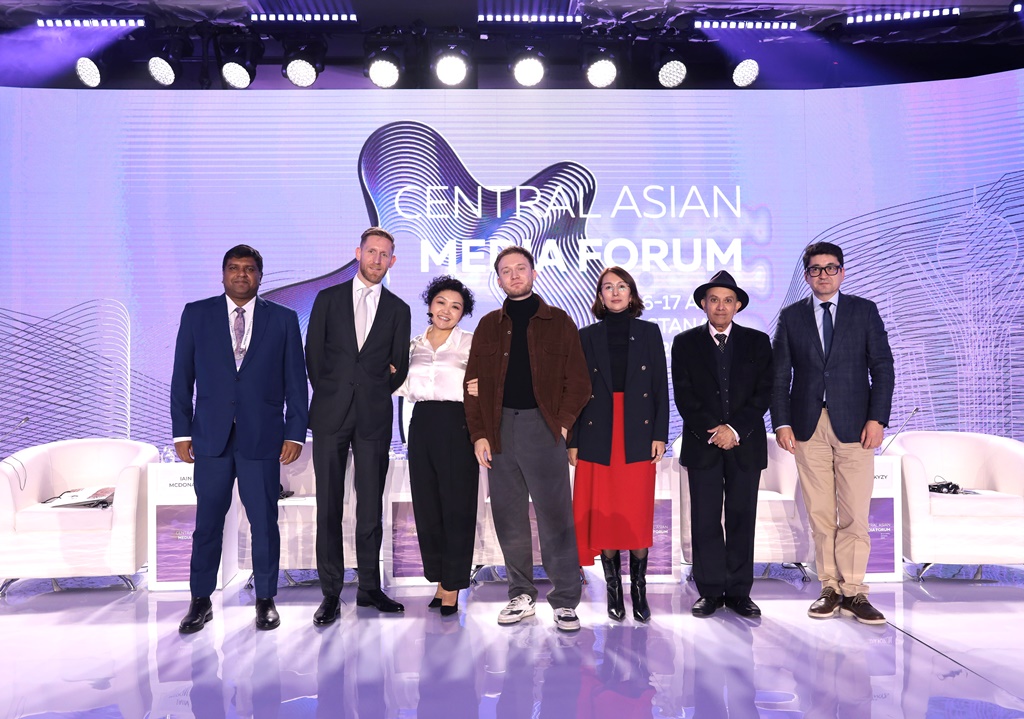
Responsibility of bloggers and new content formats
Special attention was given at the forum to the role of bloggers and independent authors who actively work on social media. According to experts, these media figures should be aware of their responsibility for the content they publish and take into account the cultural specifics of the region.
“The mission of bloggers is not only to inform but also to strengthen the ideals of interethnic friendship and solidarity,” it was noted from the stage.
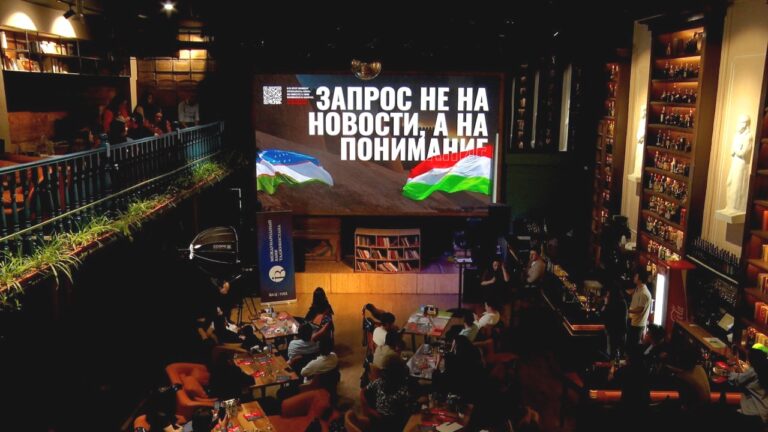
From Tajikistan, blogger Shoira Pulatova spoke online at the forum. She shared her project "I Am Tajik" — a video in which women from Tajikistan openly talk about themselves, without filters and stereotypes. Some of the women box, some build businesses, others choose not to marry until they are 30 — and that’s normal.
“The video received mixed reactions — from admiration to hate. Later, a study on gender equality in Tajikistan was conducted based on it,” Pulatova said.
She also highlighted that it is through videos about culture, food, beauty, and daily life that perceptions of the country can be changed.
About the forum
The Central Asian Media Forum in Astana is one of the largest platforms in the region for professional exchange of opinions and experiences. This year, the event brought together over 700 participants from Central Asia, Russia, China, the United Kingdom, Azerbaijan, Qatar, and other countries.
The discussions focused on issues of media market digitalization, transformation of information formats, media security, and the sustainable development of the industry in the face of global challenges.