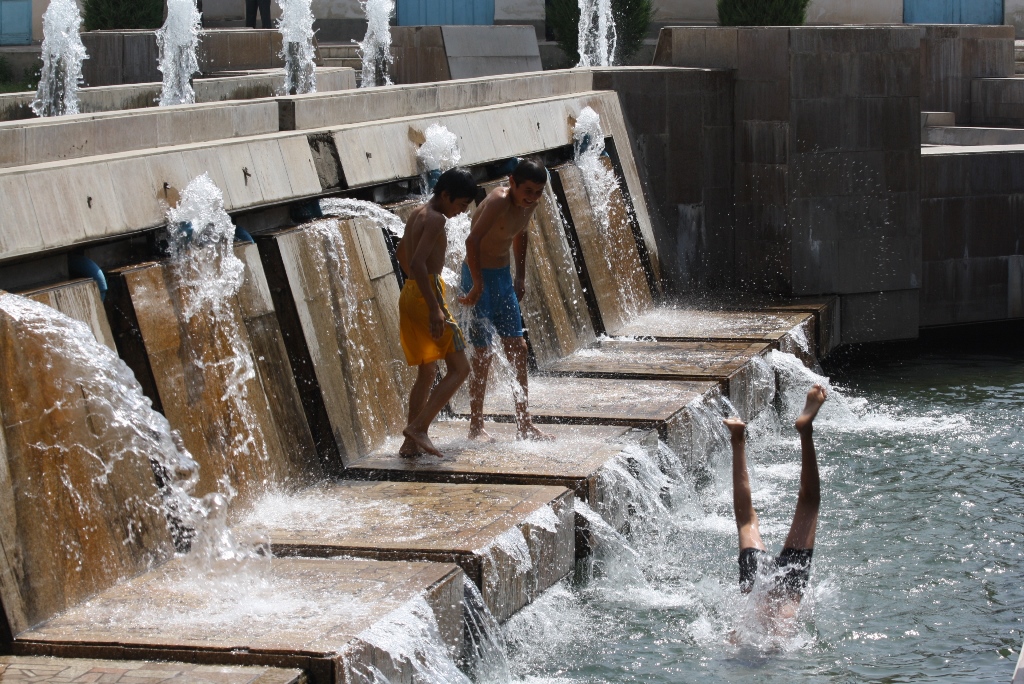
Tahmina is 13 years old girl living in Dushanbe. Last summer, when temperatures above 40°C lasted for days, her usual walk to the grocery store for bread ended with a visit to the doctor and several days of forced rest.
“I only remember it was very hot, there was nowhere to hide. The sun was burning my skin on my neck. Then I started feeling bad, my head spun, and I lost consciousness. Passers-by helped me by shielding me from the sun and giving me water, and then they took me home. My mom was very scared and called a doctor,” Tahmina recalls.
“The doctor said I had heatstroke and that there had been several similar cases in the past few days,” she adds.
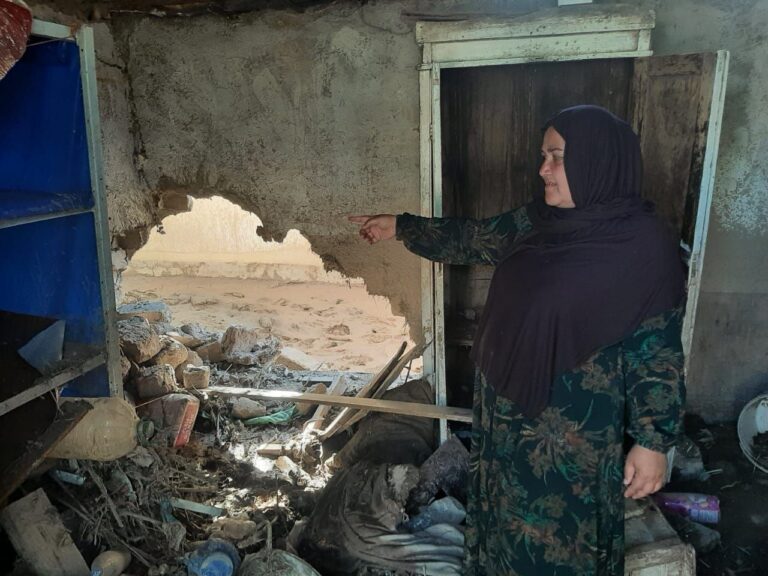
Fortunately, this incident ended without serious consequences for Tahmina. Unfortunately, it may not be her last. Today’s children, and those born in the coming years, will face far more exposure to not only extreme heatwaves but also other climate-related disasters than their grandparents ever did.
The most vulnerable
According to the Intergovernmental Panel on Climate Change (IPCC), if global temperatures rise by 1.5°C by 2100, the younger generation will face extreme events almost four times more often. If the temperature increases by 3°C, such events will occur five times more frequently, seriously affecting the lives of those we currently call children.
The world has already warmed by about 1.1°C since the industrial era.
Children represent an especially vulnerable group when it comes to climate change. Their bodies and immune systems are still developing, making them more susceptible to illnesses, heat, air pollution, and other consequences of climate change.
According to UNICEF, around 1 billion children worldwide are at extremely high risk from the climate crisis. It is predicted that by 2050, almost every second child in Africa and Asia will experience the impact of abnormally high temperatures. In Europe and Central Asia, nearly 92 million children are already exposed to more frequent periods of extreme heat.
Children of Tajikistan at special risk
“Our town has a dry climate, but in recent years, it's been incredibly hot. Temperatures in the summer exceed 40°C. Water problems have worsened, and there is already not enough water. Since childhood, I had to carry water instead of sitting and doing my homework. And all of this directly affects how a child lives and develops," reflects a 17-year-old Shahzoda from Buston, Sughd province.
According to UNICEF, 2.5 million children in Tajikistan already face periods of extreme heat, and 2.7 million experience water shortages. At the same time, young Tajiks suffer from floods, mudslides, and earthquakes more frequently than their peers in any other Central Asian country.
Tajikistan has the youngest and fastest-growing population in Europe and Central Asia, with nearly one in three residents under the age of 15. About a third of the current population of the country is likely to live through almost the entire 21st century—and they are headed toward a world where extreme heat, natural disasters, water scarcity, and outbreaks of infectious diseases could become the new norm.
Natural disasters and weather anomalies in Tajikistan annually lead to economic losses ranging from 0.4% to 1.3% of the country's GDP. According to UNICEF's subnational climate risk index (CCRI-DRM) for children (September 2024), out of 62 districts in the country, 23 districts have a high or very high level of vulnerability, indicating their increased exposure to environmental shocks and stresses, such as droughts, landslides, and others.
"This is why climate change is of particular concern for the younger generation in the country. The worsening situation can hinder children's access to education, adequate nutrition, and other basic needs. They will have to live in more difficult and unpredictable conditions," says Farukh Qasimov, climate, environmental, and disaster risk management expert at UNICEF Tajikistan.