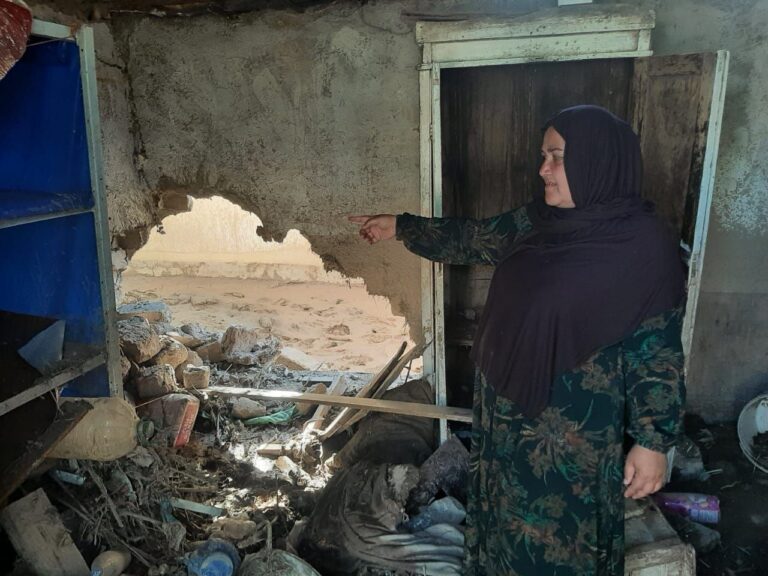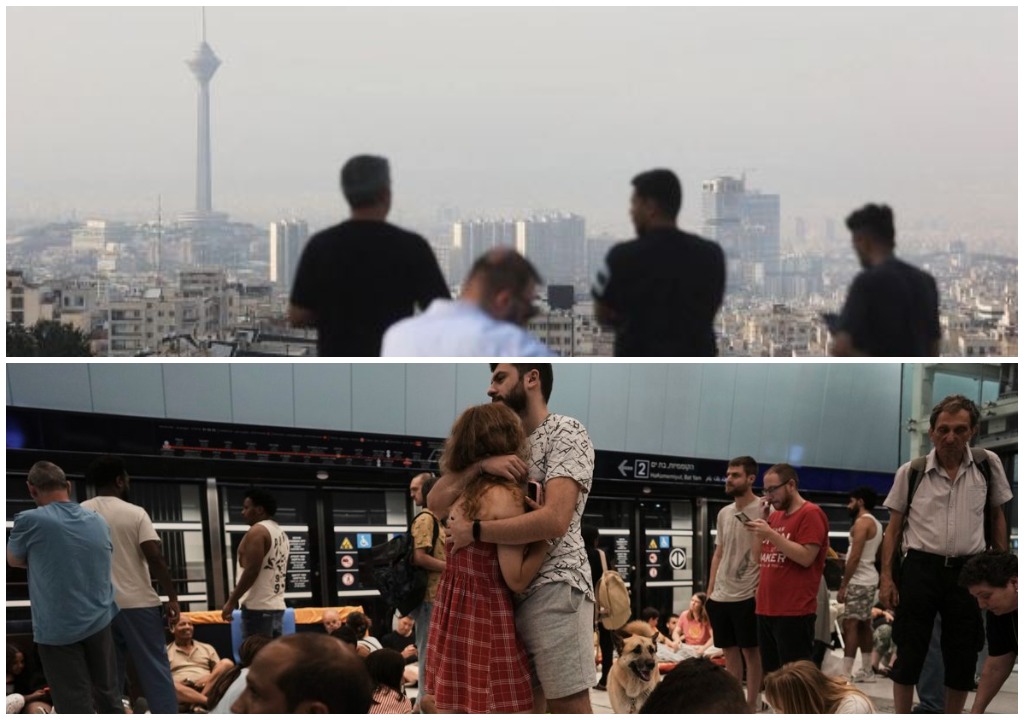
The onset of Israel’s attack on Iran has drastically changed the situation in both countries. In Iranian cities, for the first time since the Iran-Iraq War in the 1980s, continuous bomb explosions echoed through the streets. Israel launched bomb strikes on several cities using its military aircraft, while Iran retaliated by launching missile attacks on multiple Israeli cities.
Israelis, who had primarily witnessed missile defense against Hamas and Hezbollah in recent decades, were now forced to shelter from Iranian missiles.
On the morning of June 24, news emerged of a ceasefire agreement between the two countries. However, contradictory and distorted news continued to circulate on social media, such as reports of mass evacuations from Tehran and appeals from Israelis to Iran to end the war.
To understand the reality of the situation in these two countries over the course of the war, we spoke with Tajik journalist Isfandiyor Khalili, who lives in Iran, and Anahita Dodikhudo, a Tajik journalist residing in Israel. We inquired about the current situation, the mood of the people, and the fate of Tajiks in both countries.
Following the conflict, but still at work
In Mashhad, where Isfandiyor Khalili resides and works, the atmosphere remains relatively calm. He emphasized in an interview with Asia-Plus on June 23, "In reality, everything is calm. The anxiety is felt more in the virtual space, while people are focused on their work and daily lives."
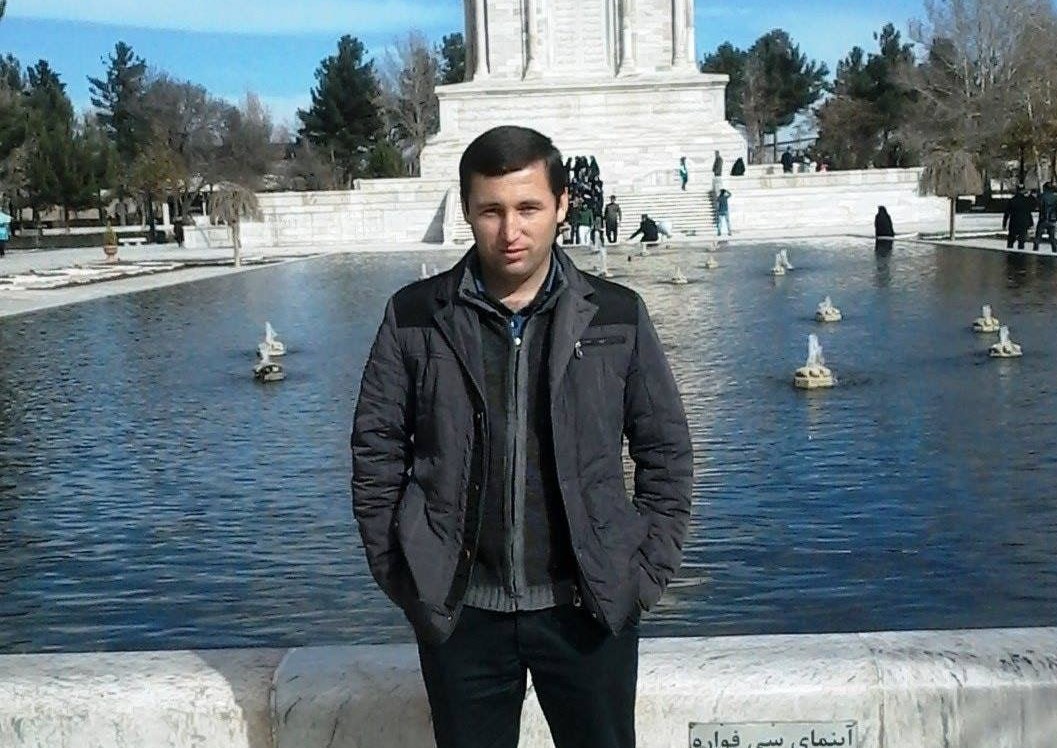
"People are following the news about the conflict but continue to live as they did before. I'm at work right now, and I don't have any days off because of the war," he said.
Khalili noted that the situation in Tehran is different, as the effects of the war are more palpable there. "The main events are happening in Tehran, and the situation there is somewhat anxious. In the capital, some institutions have switched to remote work. I spoke with a friend from Tabriz, and he said that there, people are busy with their work and lives," he explained.
Nonetheless, some foreign nationals, including Tajiks, have left or are leaving Iran. Khalili mentioned that the Tajik Embassy in Tehran reported they were helping those wishing to return to Tajikistan via the Turkmenistan border. Tajikistan’s ambassador to Iran, Nizomiddin Zohidi, also stated that 30 citizens had already left Iran, and another 100 had registered for departure.
Solidarity in the face of threats
Discussing the mood of the Iranian people, Isfandiyor Khalili pointed out, "We see and observe solidarity," and added, "Sometimes, in virtual spaces, we hear voices of disagreement." According to him, Iranians believe it is necessary "to preserve the country's independence and not hand its fate over to the invader, like Israel." Even Iranian opposition figures abroad show solidarity in this regard.
Khalili added that "the majority of Iranians support the government’s position in response to Israel’s attack."
"People are tired, but understand the necessity of the operation"
The situation in Israel, however, is different. Anahita Dodikhudo, a Tajik journalist living and working in Haifa, Israel, reported that a state of emergency has been declared, with schools, businesses, and hospitals closed. Only small stores selling essential goods remain open.

Dodikhudo described the situation as "anxious" and emphasized that the airport is also closed, with only the borders with Egypt and Jordan open. "Psychologically, people are tired. They don’t sleep at night. As for security, there are many shelters in the country. If there is a missile threat, alerts are sent to phones, and people head to shelters and stay there for some time," she said in an interview with Asia-Plus on June 23.
Regarding the mood of the population and their support for Israel’s military actions, Dodikhudo said, "The situation is mixed, and there are those who support the government’s actions. They believe that Iran’s nuclear program is a threat to their country. There are also those who think the first priority should be to return hostages from Gaza. But in general, most citizens believe the operation is necessary and understand their government’s steps."
However, she emphasized that she is personally opposed to any war and believes that all disputes and disagreements should be resolved diplomatically.
Dodikhudo mentioned that there are very few Tajiks in Israel, and Tajikistan does not have an embassy in the country.
As a reminder, on the night of June 13, Israel launched a strike on Iranian territory, killing several military commanders, scientists, and local residents. That same night, Iran launched a retaliatory strike on Israel. On the night of Tuesday, June 24, U.S. President Donald Trump announced that both countries had agreed to a ceasefire, which, according to him, could lead to long-term peace.
However, even after the ceasefire was declared, Israel accused Iran of violating the truce, claiming that Iranian missiles struck residential areas in Be'er Sheva, killing at least four people and injuring around 20. In response, Israel launched an airstrike on a radar installation near Tehran.
Tajikistan strongly condemned both Israel’s and the U.S.'s attacks on Iranian territory, expressing serious concern about the escalation of the conflict.