In the first half of 2025, exports from Tajikistan amounted to just over 943.2 million dollars, which is 53 million or 5.3% less than in the same period of 2024.
This was announced by Chairman of the Customs Service of Tajikistan Khurshed Karimzoda at a press conference on August 7.
According to him, at the same time, imports increased by 9.4% and reached 3.8 billion dollars, which is 943 million more than in January–June last year.
Thus, the share of imports in the total trade turnover of the country was 80.1%, while exports accounted for 19.9%.
Exports: more to the EU, less to Russia and Kazakhstan
Tajikistan's export basket continues to be formed primarily by raw materials and semi-processed goods. The main share in it is occupied by antimony and products made from it – 30.4% or $286.5 million. This is followed by ores and concentrates with a share of 26.9% ($253.4 million), as well as untreated aluminum – 12.8% ($120.5 million).
Among agricultural and energy products, it is worth noting the cotton fiber (5.8% or $54.7 million) and electricity (4.5% or $42.7 million). Exports of food products such as fruits and vegetables amounted to 3.4% ($32.5 million).

Cotton yarn is also exported in small volumes, but with a noticeable presence – 1.4% ($13.6 million), coal – 1.1% ($10.4 million), cement – 1.0% ($9.8 million) and leather raw materials – 0.2% ($1.6 million).
Despite the general reduction in foreign trade volumes, Tajikistan's exports to a number of countries have increased significantly.
The most noticeable increase in shipments was registered in the Netherlands – + $262.7 million, which was the largest increase among all destinations. Exports also increased:
– to Uzbekistan for $27.6 million
– to China – for $24.7 million
– to Turkey – for $16.4 million
– to Belgium – for $7.6 million
– to Pakistan – for $5.6 million
– to Kyrgyzstan – for $3.5 million.
At the same time, a decrease in Tajik exports was recorded in several countries. The largest reduction is observed in Kazakhstan – minus $79.1 million, which is especially noticeable given the country's status as one of Tajikistan's largest trading partners.
Exports also decreased to Iran by $8.3 million, to Afghanistan by $6.7 million, to Russia by $5.3 million and to India by $1.2 million.
Imports: most of all from China and the UAE
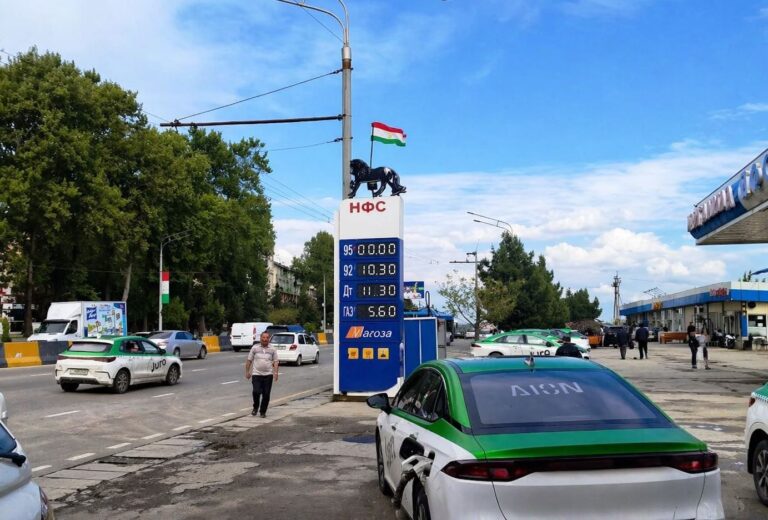
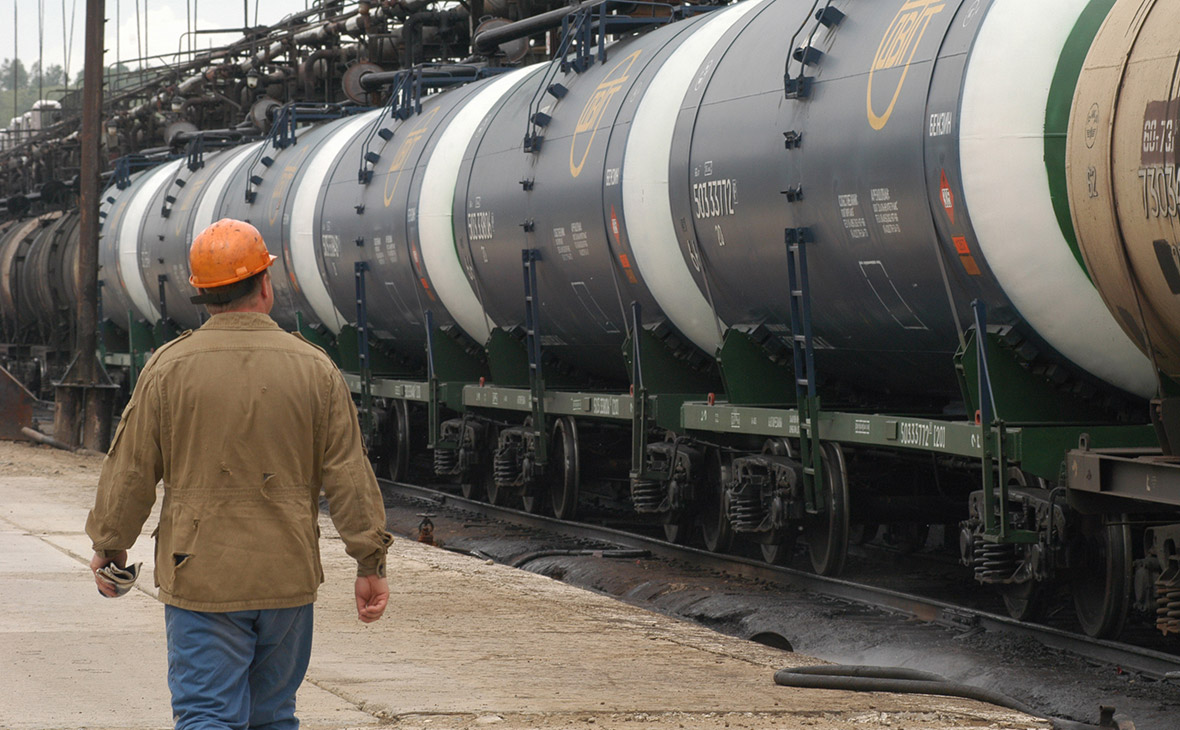
The main part of supplies traditionally consists of fuel, food and cars. Petroleum products and natural gas are in the lead – 11.7% or $443.6 million.

The next are:
– motor cars – 8% or $305.3 million
– liquefied natural gas – 3.2% ($121.2 million)
– wheat – 3.8% ($143.6 million)
– timber – 2.6% ($99.1 million)
– sugar – 1.5% ($58.6 million)
– alumina (alumina) – 1.5% ($56.7 million)
– vegetable oil – 1.5% ($58.8 million)
– vegetables and fruits – 1.4% ($53.8 million).
In the first half of 2025, Tajikistan saw a significant increase in imports across a number of product categories. The growth in passenger vehicles is particularly noticeable – by 18,015 units, which is +113.3% compared to the same period last year. Vegetable oil imports increased by 12,789 tons (+29.2%)
Petroleum products – by 23,337 tons (+16.2%)
Wheat – by 140,586 tons (+29.7%)
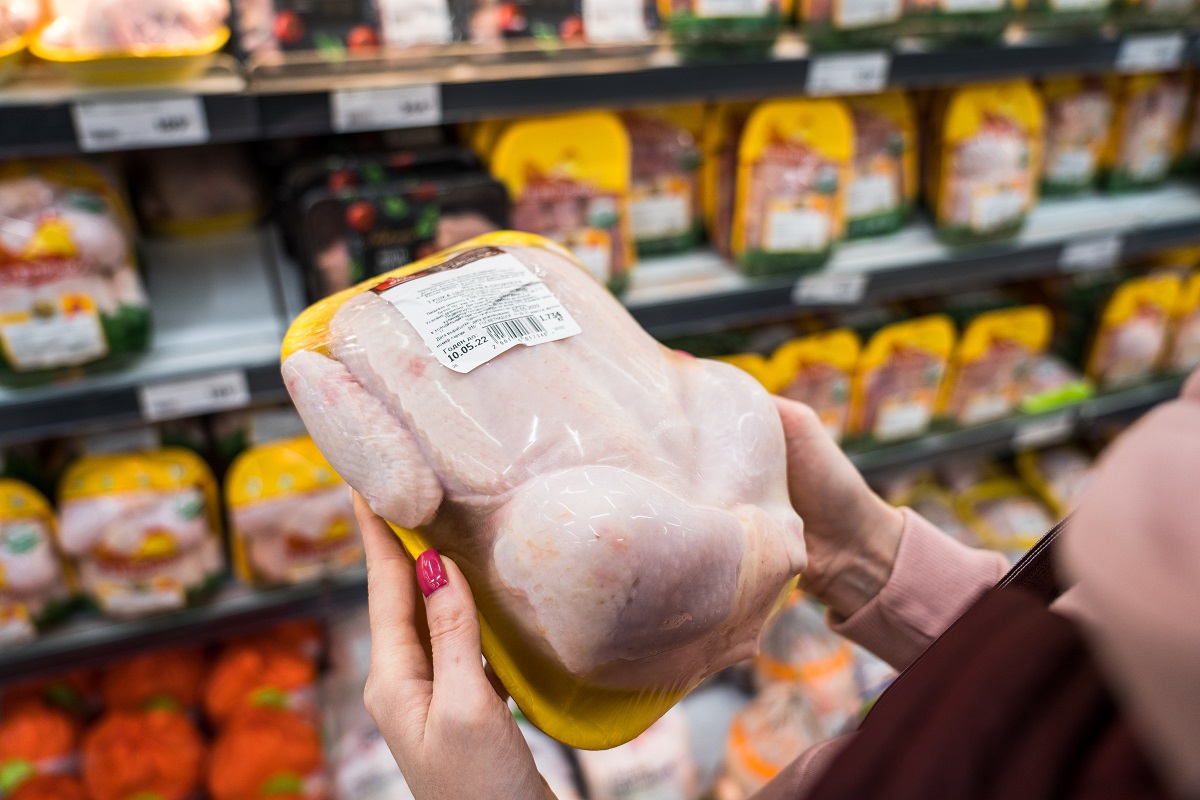
Chicken meat – by 2,511 tons (+107.2%)
Timber – by 54,388 tons (+19.6%).
There was also a significant increase in the supply of mobile phones – by 151,003 units (+49%).
At the same time, there is a decline in a number of other categories. Thus, imports of cement decreased by 18,510 tons (-15.3%), flour – by 14,078 tons (-36.6%), sugar – by 5,526 tons (-11.4%) and barley – by 10,232 tons (-12.5%).
According to the geography of imports, the largest increase in supplies was recorded:
– from China – for $87.9 million
– United Arab Emirates – by $46.1 million
– Russia – by $45.5 million
– Uzbekistan – by $21.3 million
– Iran – by $12.1 million
– Turkey – for $10.9 million
– Kazakhstan – by $9.2 million
– Germany – by $8.2 million
– India – by $2.2 million
– Kyrgyzstan – by $2.1 million.
There was also an increase in imports from Lithuania, Poland, Pakistan, South Korea, Saudi Arabia, Ukraine, Italy, Japan, Belgium, the United States, Estonia, Switzerland and the United Kingdom, which confirms the growth in consumer and industrial demand for products from these countries.